


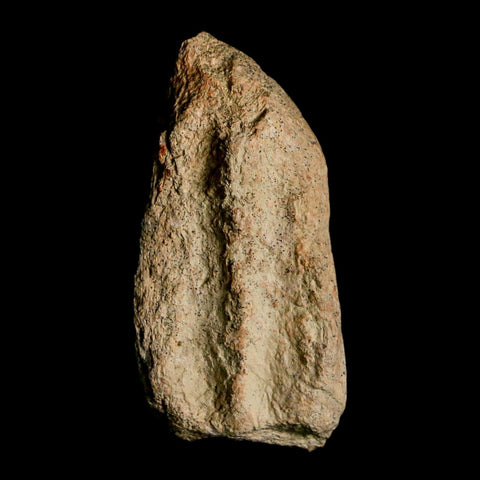
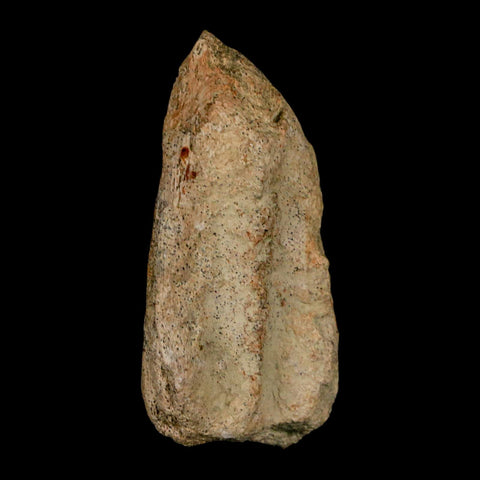
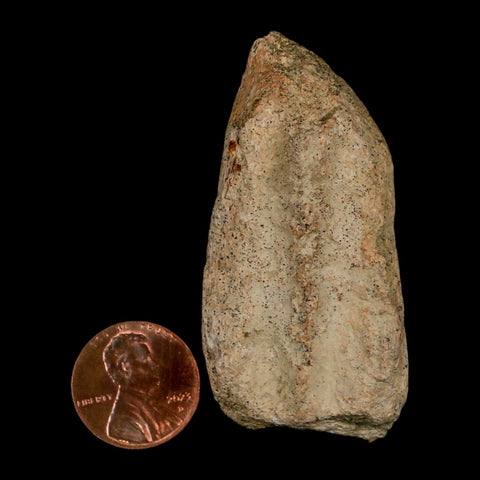
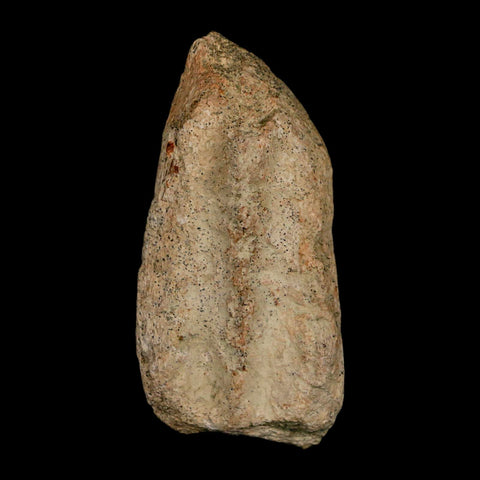
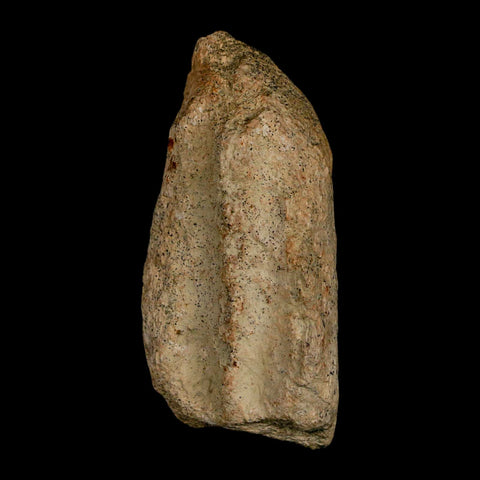
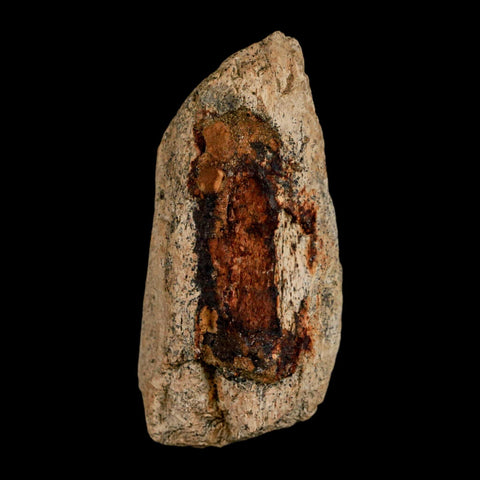
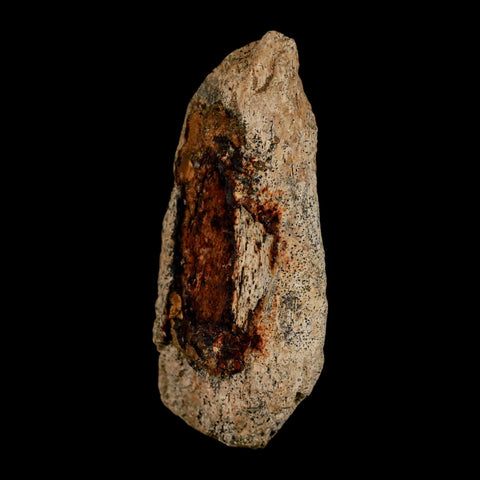
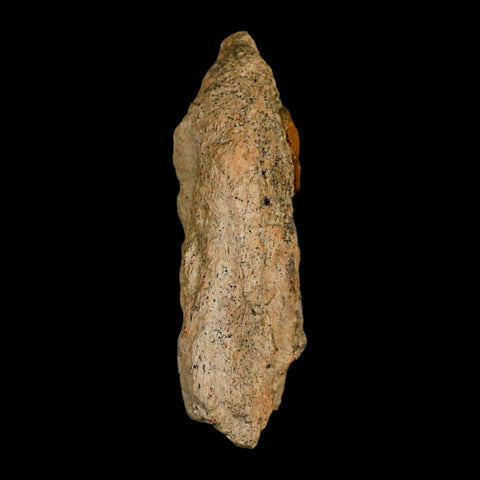
2.3" Triceratops Fossil Jaw Maxilla Bone Lance Creek FM Cretaceous Dinosaur WY COA
Location: Lance Creek Formation, Weston County, Wyoming (Private Land Origin)
Weight: 1.2 Ounces
Dimensions: 2.3 Inches Long, 1.2 Inches Wide, 0.7 Inches Thick
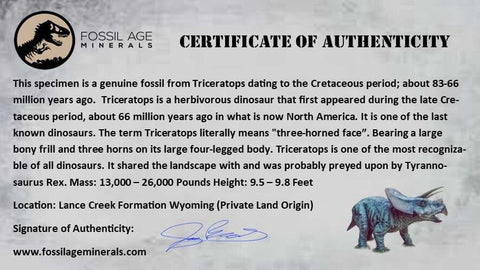
Comes with a Certificate of Authenticity.
The item pictured is the one you will receive.
This is a genuine fossil.
Late Cretaceous, 66-68 million years old.
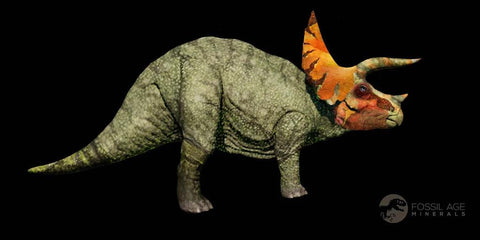
Name: Triceratops
Type: Herbivore
Size: 8 to 9 meters long.
In the vast, fern-covered plains of Late Cretaceous North America, around 68 million years ago, herds of Triceratops grazed cautiously under the towering shadows of conifers. These enormous herbivorous ceratopsid dinosaurs weighed between 5 and 9 metric tons and moved on powerful, sturdy limbs capable of supporting their massive skulls and broad bony frills. Each Triceratops bore three prominent facial horns—two long horns above the eyes and a smaller nasal horn—while the frill was lined with additional small spikes, offering both protection and visual display within the herd.
Despite their size, Triceratops were not without threats. Apex predators like Tyrannosaurus rex roamed the same plains, stalking unsuspecting herbivores. When danger approached, the herd would brace, lowering their heads to present a wall of formidable horns and spiked frills. Fossil evidence reveals healed injuries on Triceratops skulls, confirming that these confrontations with predators and occasional fights between individuals were common.
Triceratops’ massive skull, short neck frill, and robust jaws allowed it to feed efficiently on low-growing vegetation, while its horns served as defensive weapons and as tools for social interactions such as dominance displays or competition within the herd. Young Triceratops likely relied on adults for protection, highlighting the species’ complex social behavior and herd dynamics.
As one of the most iconic ceratopsian dinosaurs, Triceratops provides a window into the Late Cretaceous ecosystems, predator-prey dynamics, and the evolutionary adaptations that allowed herbivores to survive alongside apex predators. Its distinctive appearance—three horns, spiked frill, and massive quadrupedal body—continues to fascinate paleontologists, educators, and dinosaur enthusiasts alike. Triceratops remains a timeless symbol of prehistoric strength, resilience, and the remarkable diversity of herbivorous dinosaurs in North America during the Late Cretaceous.


