
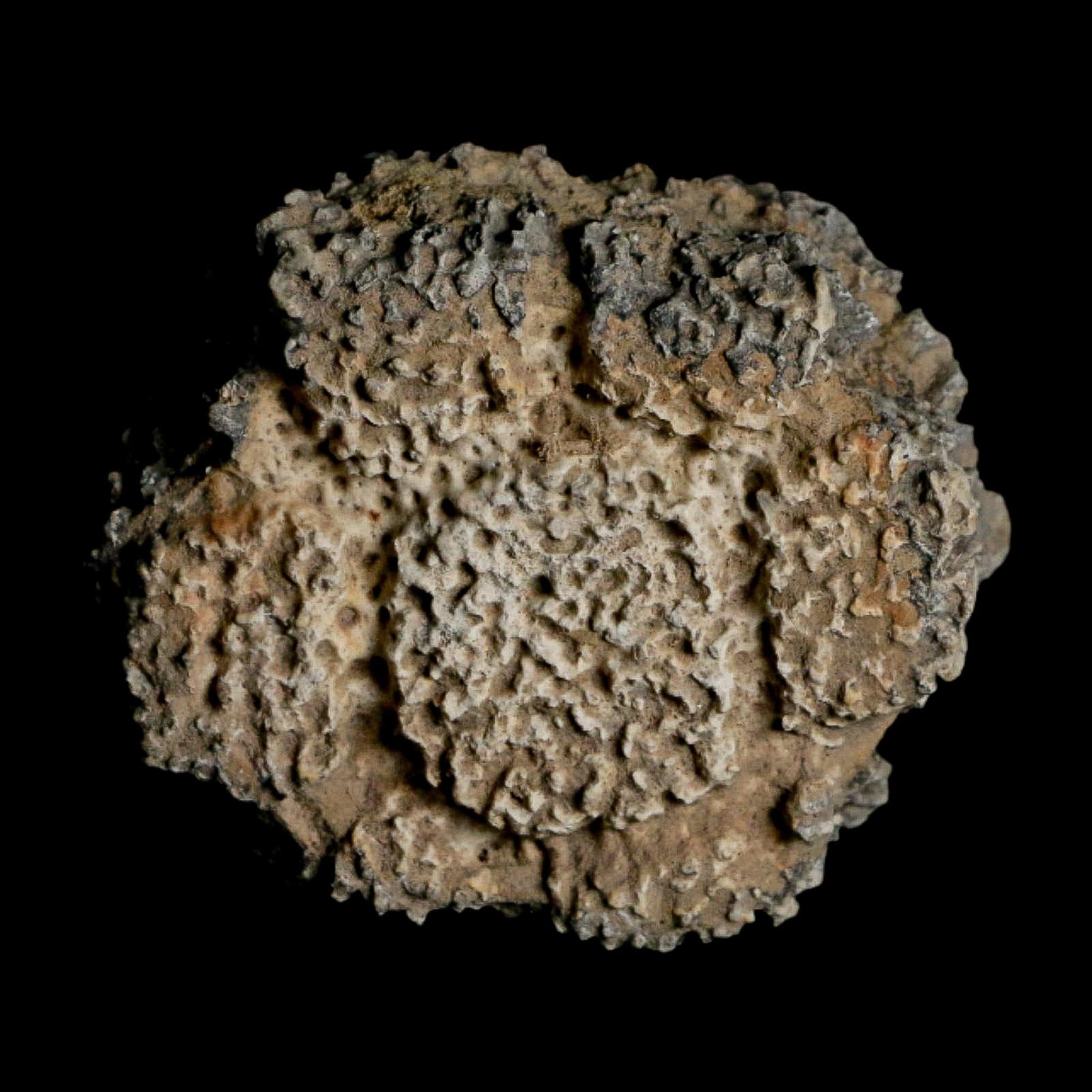
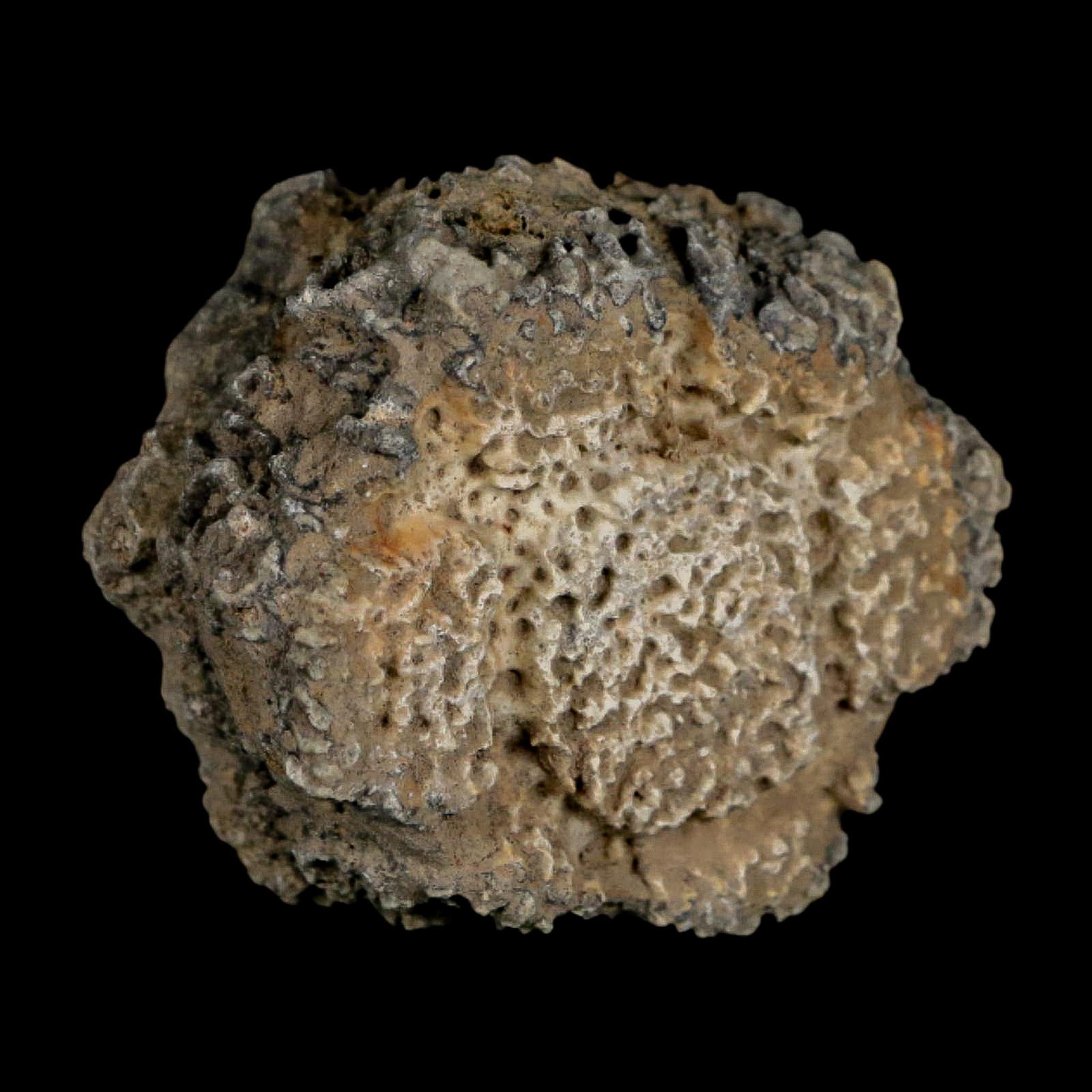
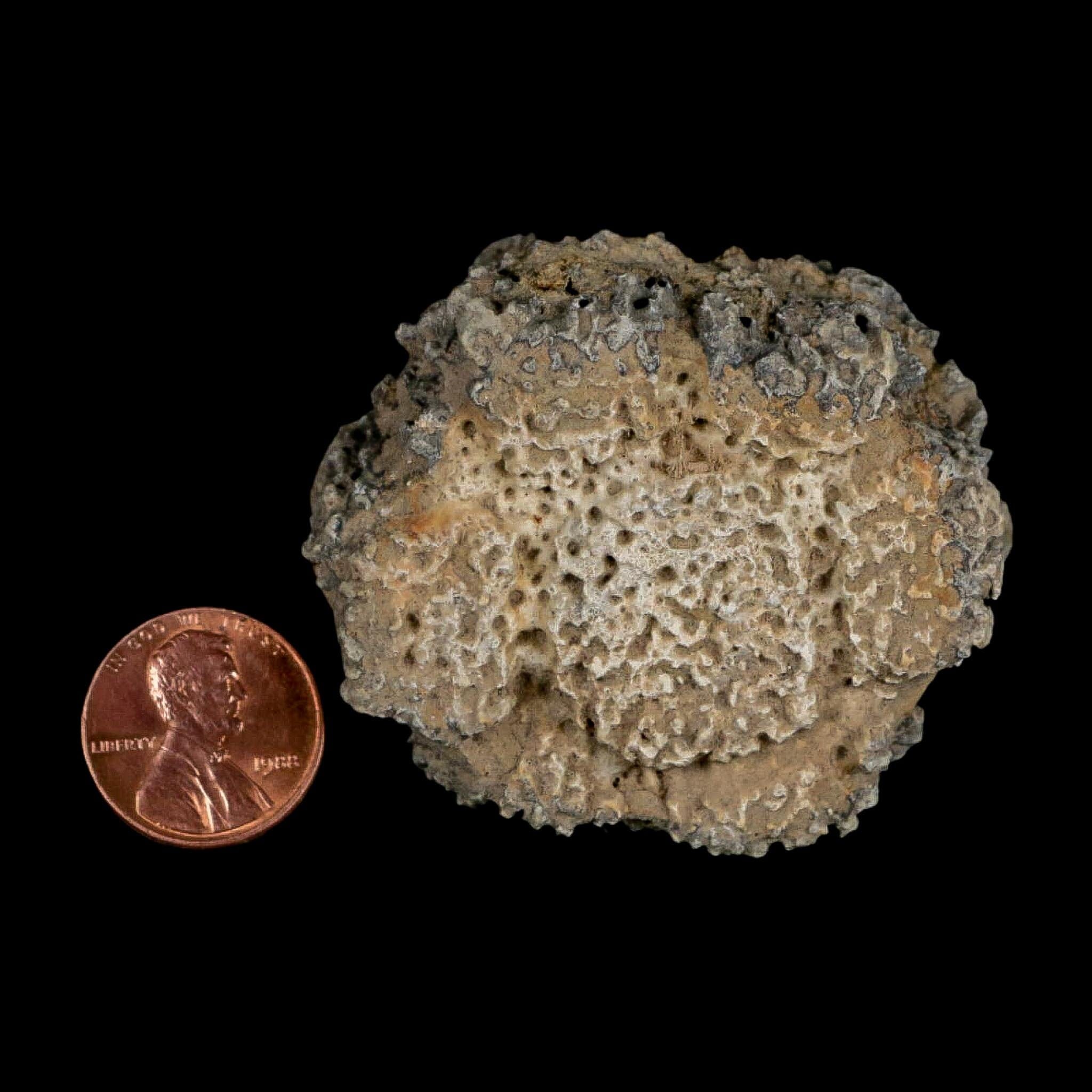
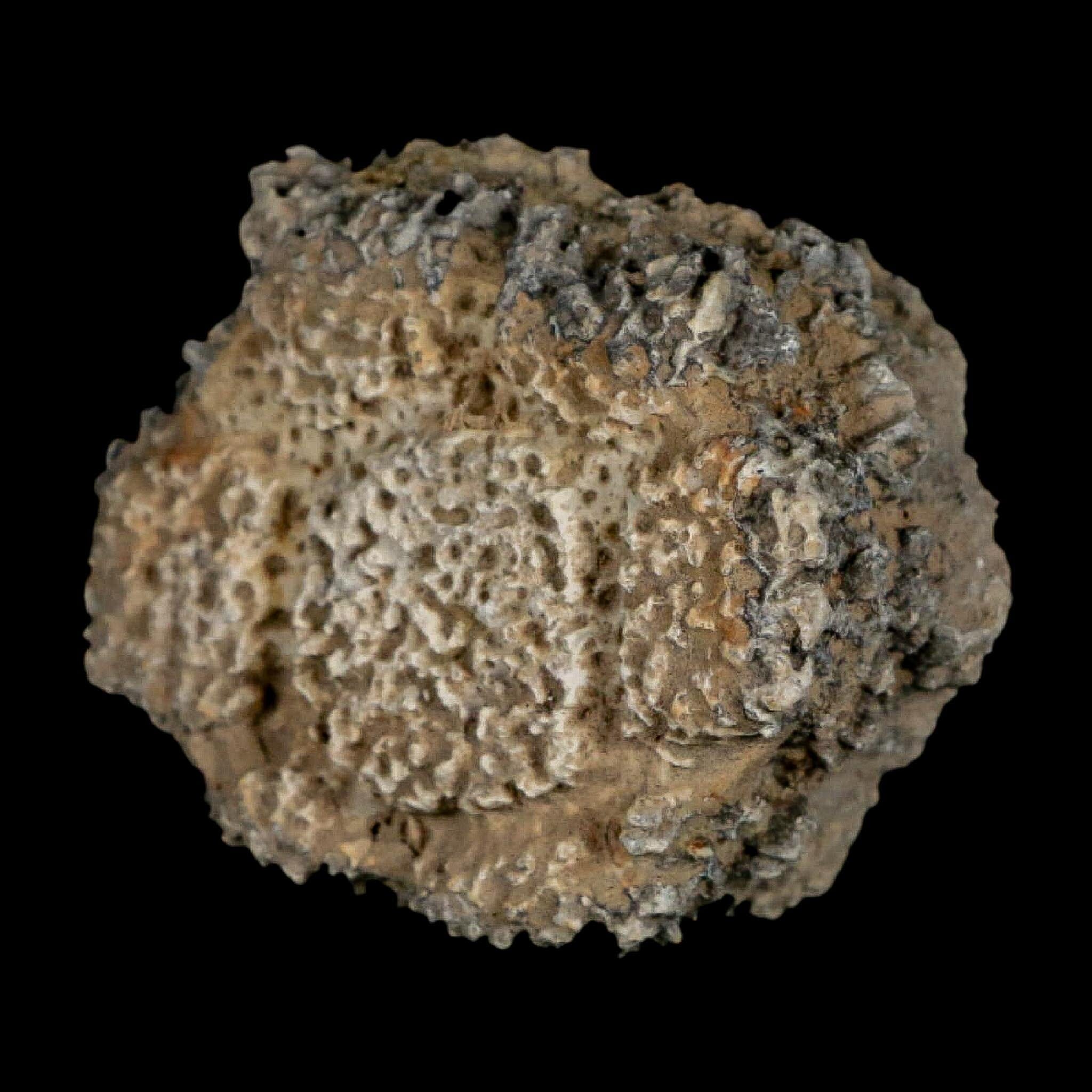
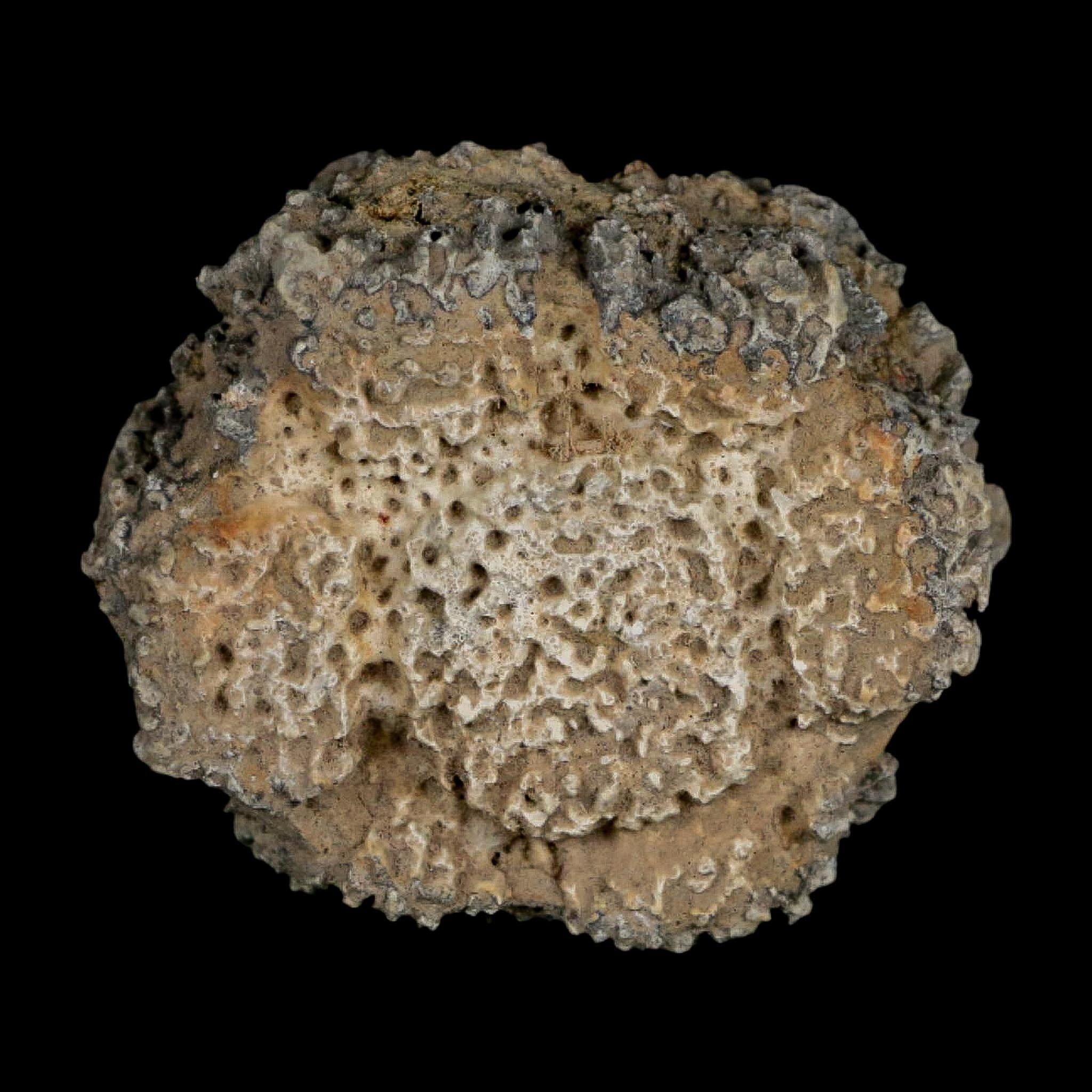
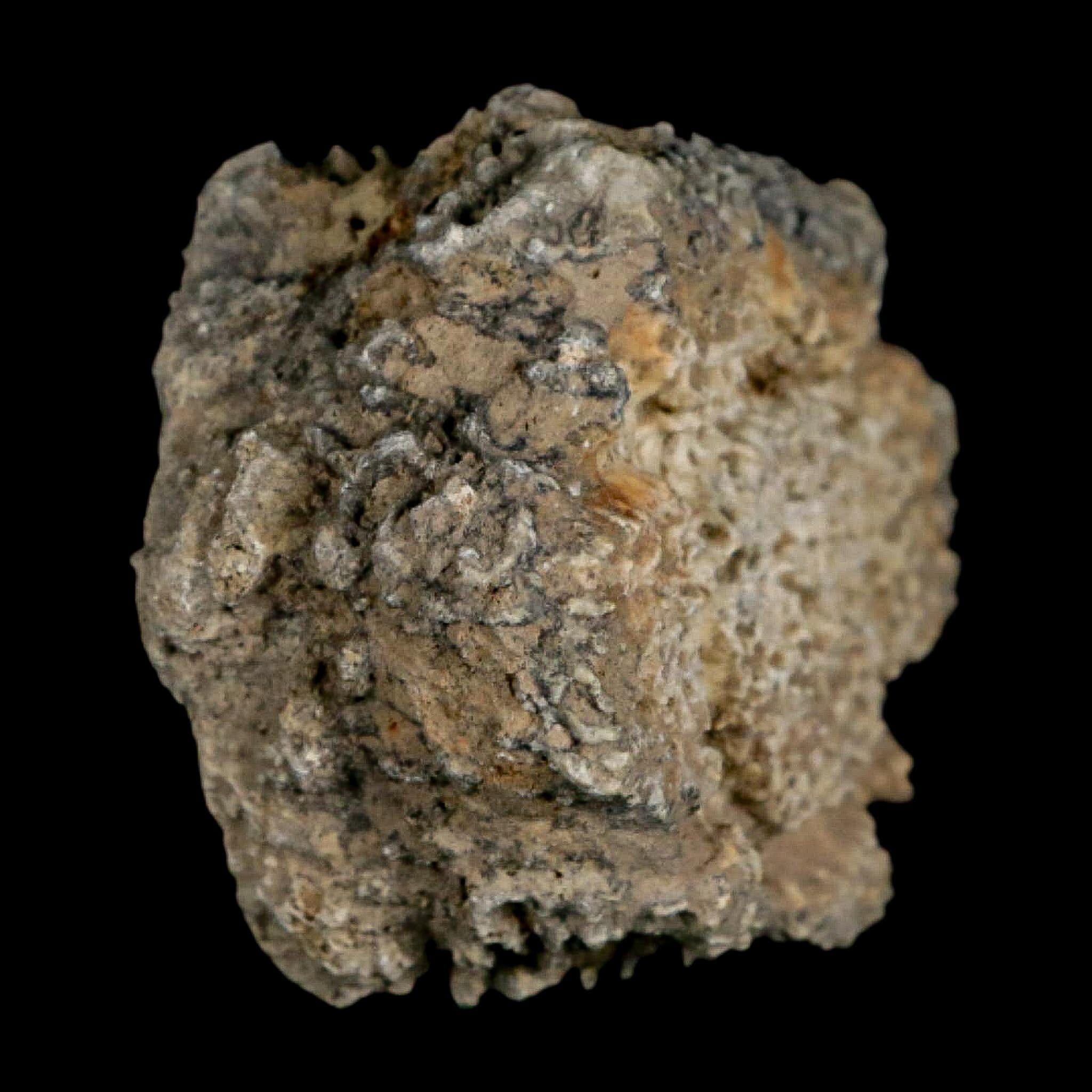

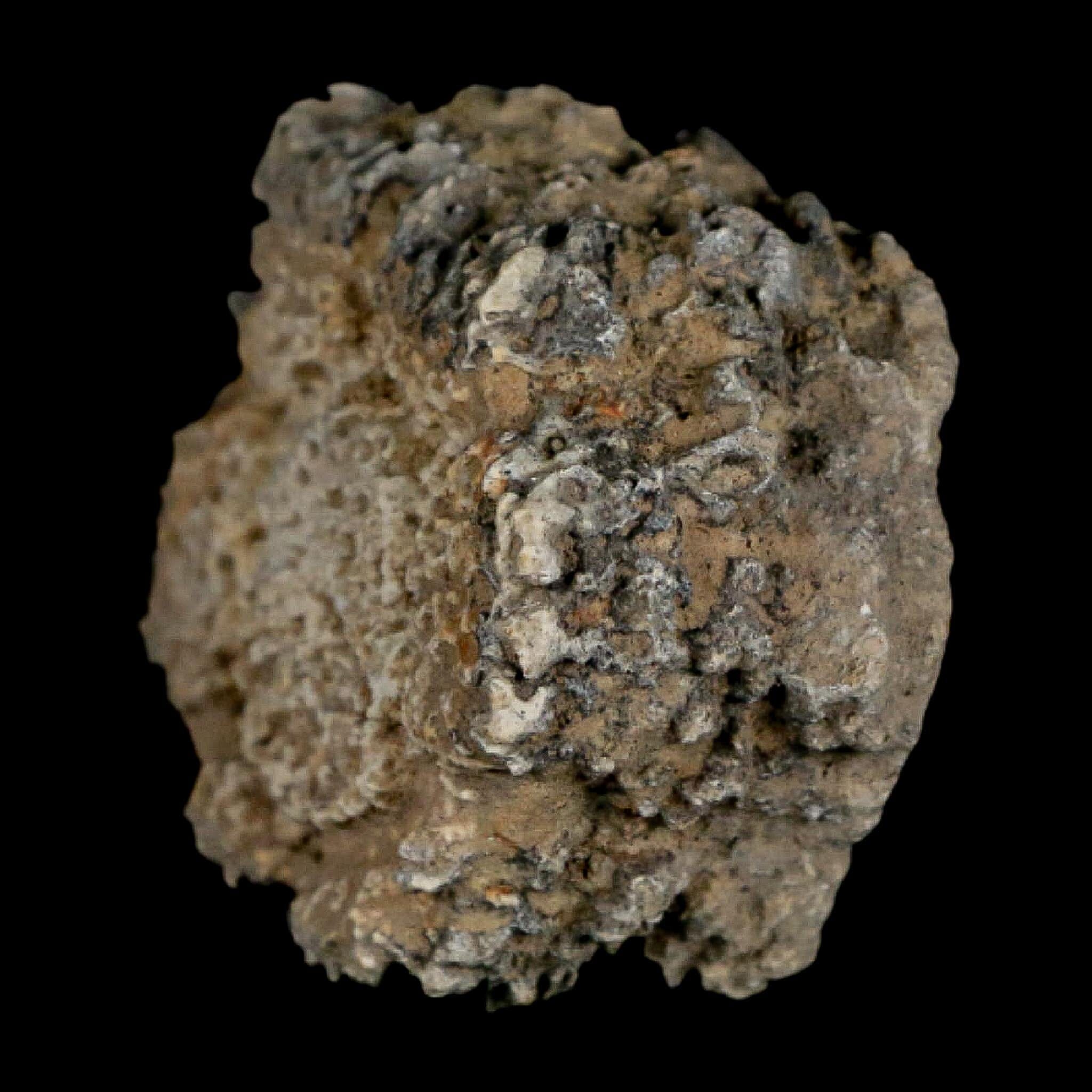
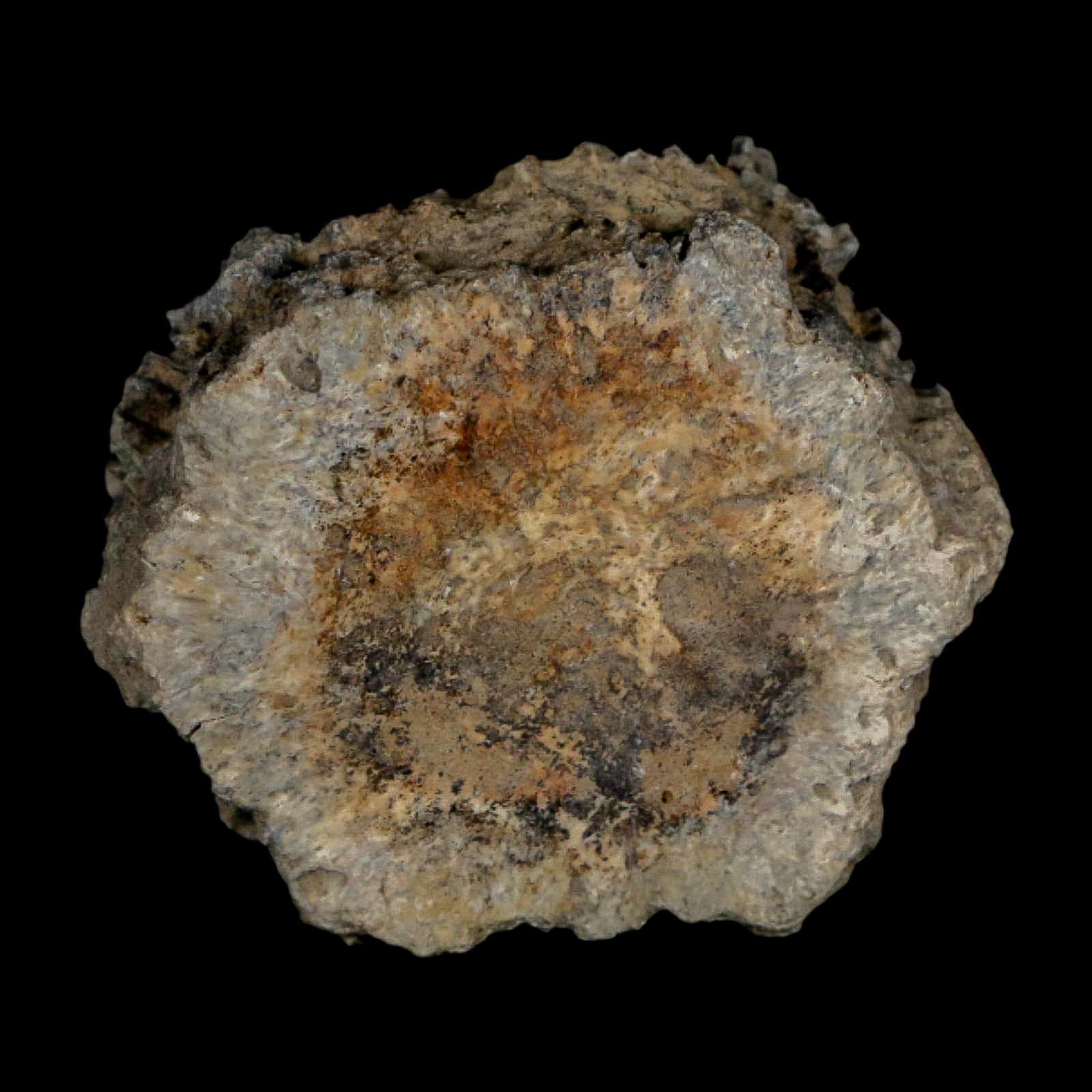


Description
Location: Uruguay
Weight: 2.2 Ounces
Dimension: 2.2 Inches Long, 1.8 Inches Wide, 1.1 Inches Thick
Comes with a Certificate of Authenticity.
The item pictured is the one you will receive.
Glyptodon is a genus of extinct giant mammals related to modern armadillos and found as fossils in deposits in North and South America dating from the Pliocene and Pleistocene epochs (5.3 million to 11,700 years ago). Glyptodon and its close relatives, the glyptodonts, were encased from head to tail in thick, protective armor resembling in shape the shell of a turtle but composed of bony plates much like the covering of an armadillo. The body shell alone was as long as 1.5 meters (5 feet). The tail, also clad in armor, could serve as a lethal club; indeed, in some relatives of Glyptodon, the tip of the tail was a knob of bone that was sometimes spiked. Glyptodonts ate almost anything—plants, carrion, or insects.
Glyptodon is truly a fascinating creature that captures the imagination—at first glance, you might think nature combined a turtle, beaver, and armadillo into one extraordinary animal. While it shared ancestry with modern armadillos, this remarkable megafauna stood entirely apart. What makes Glyptodon so captivating is its sheer scale: imagine an animal as long and heavy as a Volkswagen Beetle, stretching ten feet and weighing a full ton. Its most impressive feature was the massive armored shell covering its back, supported by sturdy but relatively short legs. This incredible protective dome made Glyptodon nearly impossible for predators to threaten from above—a testament to nature's ingenious defensive designs. The only vulnerability lay in its softer underside, which predators could only access by somehow flipping this massive creature over. This authentic Pleistocene osteoderm scute plate from Uruguay, complete with a certificate of authenticity, lets you hold a piece of this remarkable evolutionary success story in your hands.
Glyptodon was a remarkable genus of giant prehistoric mammals, distantly related to today’s armadillos. Their fossils are commonly found in Pliocene and Pleistocene deposits across North and South America, dating from about 5.3 million to 11,700 years ago. These animals were completely enclosed in a heavy, protective armor that covered their bodies from head to tail. The dome-shaped shell, which could reach about 1.5 meters (5 feet) in length, was made of tightly fused bony plates that functioned like a natural shield. Their tails were also reinforced with thick armor and, in some glyptodont relatives, ended in a solid, sometimes spiked, bony club capable of delivering powerful blows. Glyptodonts were opportunistic feeders; although they primarily consumed plants, they were also able to eat carrion or insects when available.
