


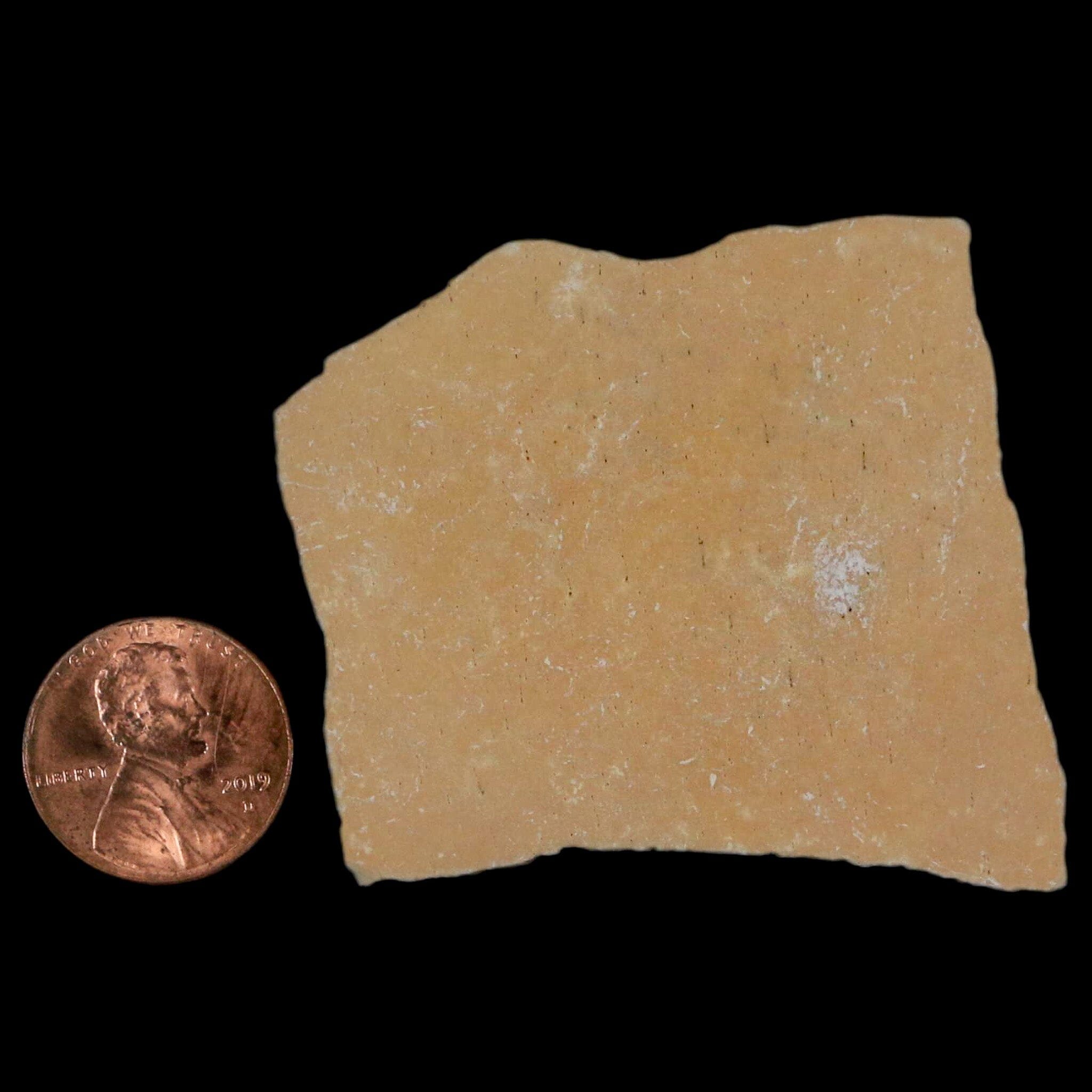




Description
Location: Madagascar Coast
Weight: 0.7 Ounces
Dimensions: 2.1 Inches Long, 1.9 Inches Wide, 0.15 Inches Thick
Comes with a Certificate of Authenticity.
The item pictured is the one you will receive.
Lived during the Late Pleistocene and Holocene epochs. They are thought to have existed from around 43,000 years ago until their extinction approximately around 1000–1200 CE.
The Elephant Bird, known scientifically as Aepyornis, was an extraordinary species of flightless bird that once roamed the island of Madagascar. Famous for their colossal size, these prehistoric giants could reach towering heights of up to three meters (around 10 feet) and weigh over 500 kilograms (approximately 1,100 pounds), earning their place among the largest birds to ever exist.
One of the most fascinating aspects of the Elephant Bird is its massive eggs—the largest eggs ever laid by any land animal. With volumes reaching up to 1.9 gallons (7 liters), these eggs dwarf those of any modern bird species, making them highly sought after by collectors and enthusiasts of natural history.
Renowned for their mystery and rarity, Elephant Birds offer a captivating glimpse into Madagascar’s unique prehistoric wildlife. Whether you’re exploring fossil specimens, researching extinct megafauna, or simply fascinated by ancient giants, Aepyornis remains a remarkable symbol of Earth’s rich evolutionary past.
Size and Structure
Elephant bird eggshells are characterized by their impressive thickness, averaging around 3.3 mm for larger specimens. This robust structure is essential for protecting the developing embryo inside, allowing it to grow until hatching. The strength of these eggshells has been compared to pottery due to their durability and resilience against environmental factors.
Preservation and Research
Fossilized elephant bird eggshells have been found abundantly across Madagascar, particularly in coastal regions where they litter sand dunes and beaches. Unlike skeletal remains, which are often poorly preserved in Madagascar’s humid climate, eggshells provide a more reliable source for genetic analysis. Recent studies have successfully extracted ancient DNA from these shells, enabling researchers to explore the evolutionary history and diversity within the Aepyornis lineage.
Diet and Ecology
Modern scientific techniques, particularly stable isotope analysis of elephant bird eggshells, have provided remarkable insights into the diets and ecological roles of these giant, extinct birds. By examining the unique isotopic signatures preserved within the eggshells, researchers have been able to determine the distinct dietary preferences of different Aepyornis species.
These isotopic markers reveal whether a species primarily consumed grasses, shrubs, or succulents, offering a deeper understanding of the diverse habitats elephant birds occupied across ancient Madagascar. Such findings not only shed light on their feeding behaviors but also help scientists reconstruct the ecological niches these massive birds once filled, contributing to a clearer picture of Madagascar’s prehistoric ecosystems.
Extinction Factors
The extinction of elephant birds is widely believed to be closely tied to human activity following the arrival of people in Madagascar approximately 2,000 years ago. Archaeological and environmental evidence indicates that a combination of hunting pressure and habitat alteration—including deforestation and changes in land use—played a major role in the rapid decline of these enormous birds. By around 1,000 years ago, the last surviving populations of Aepyornis had disappeared, marking the end of one of the most remarkable species ever to inhabit the island.
