
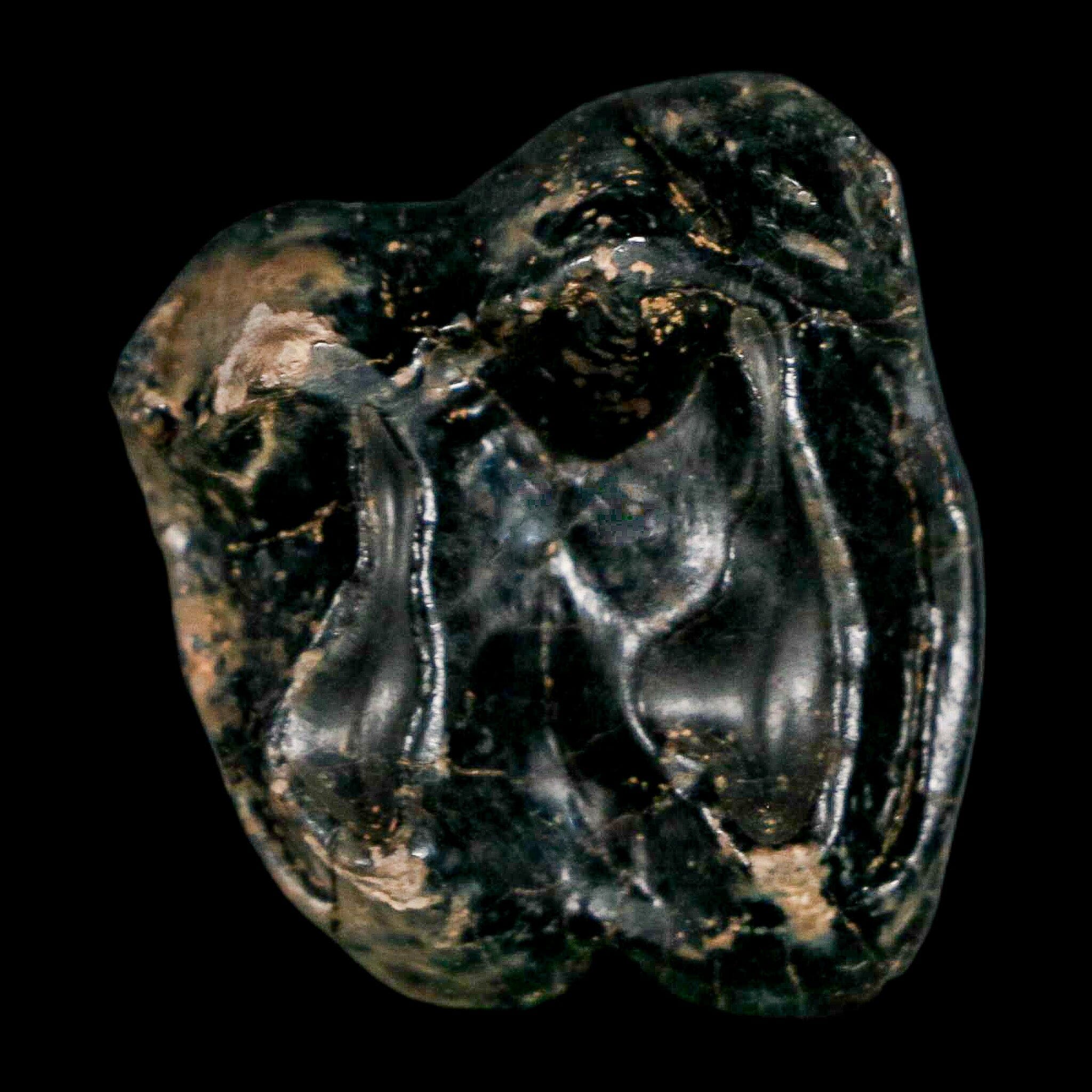
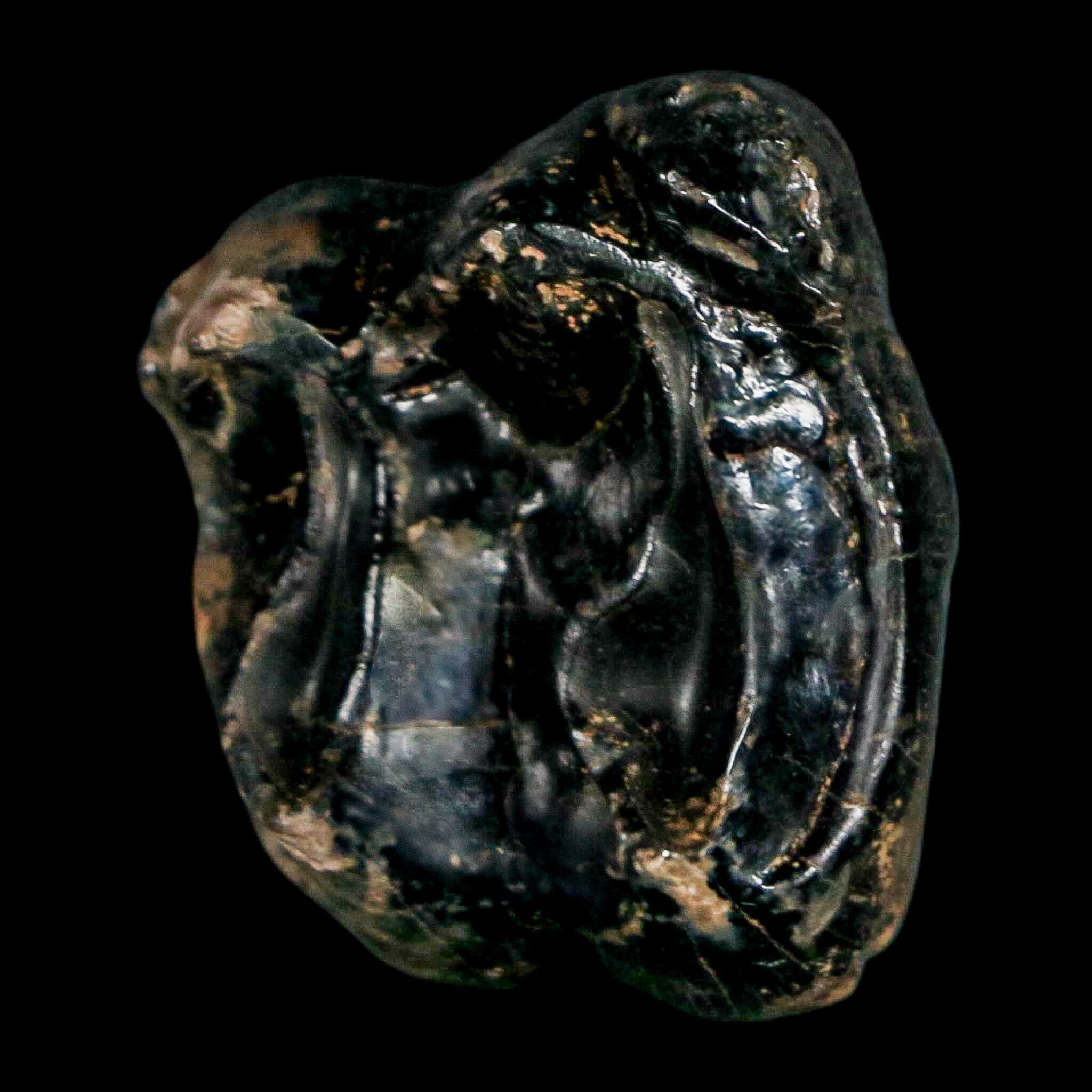
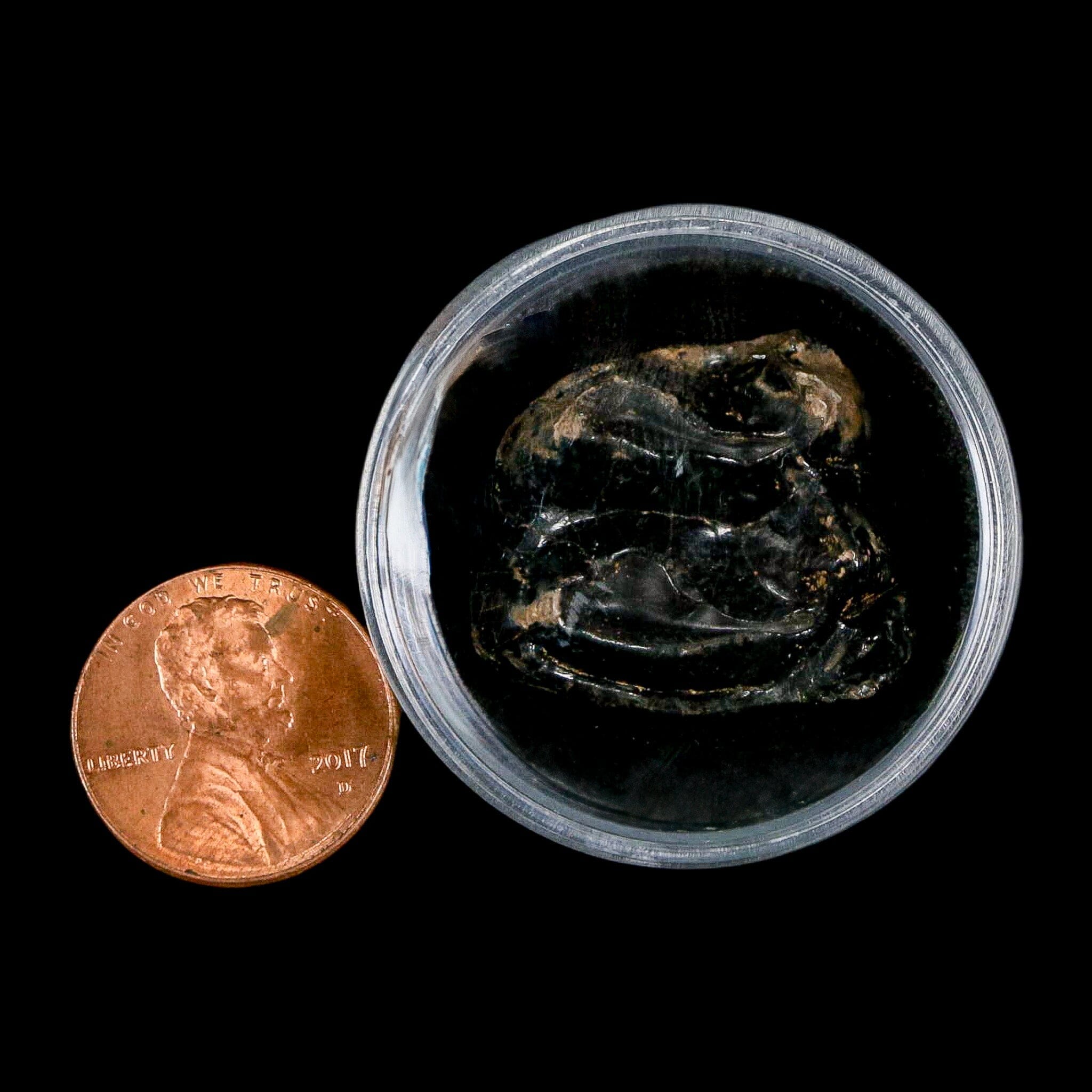
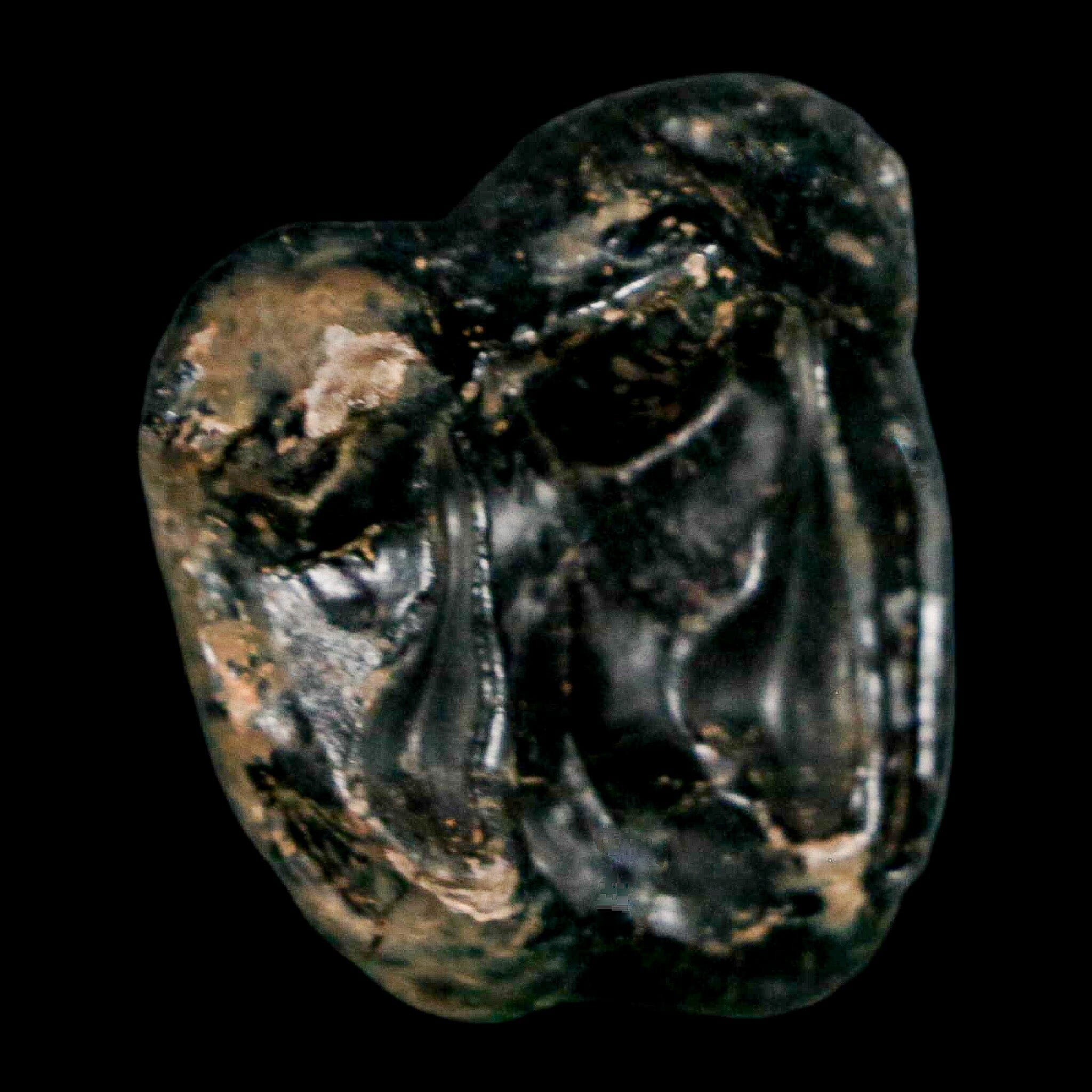
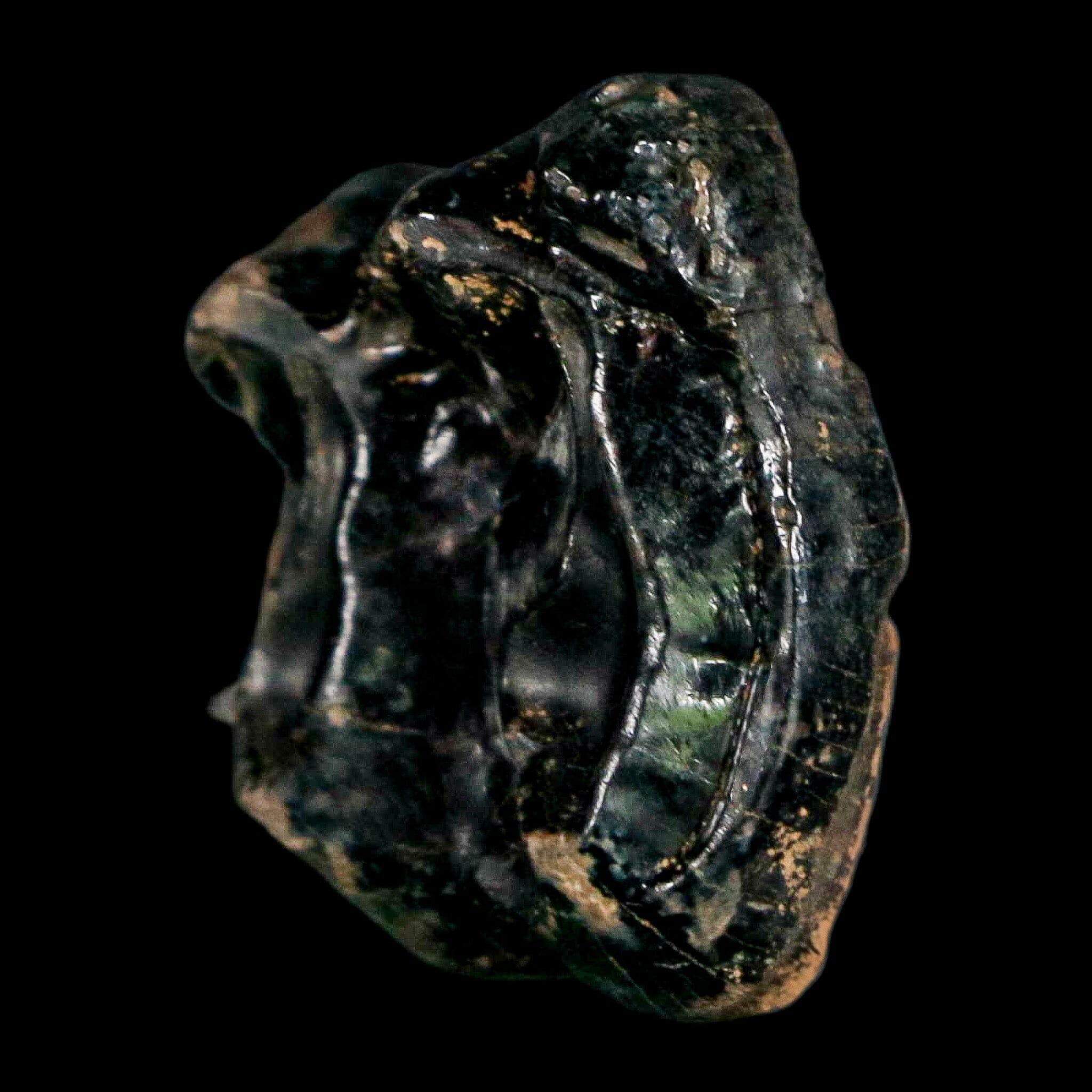
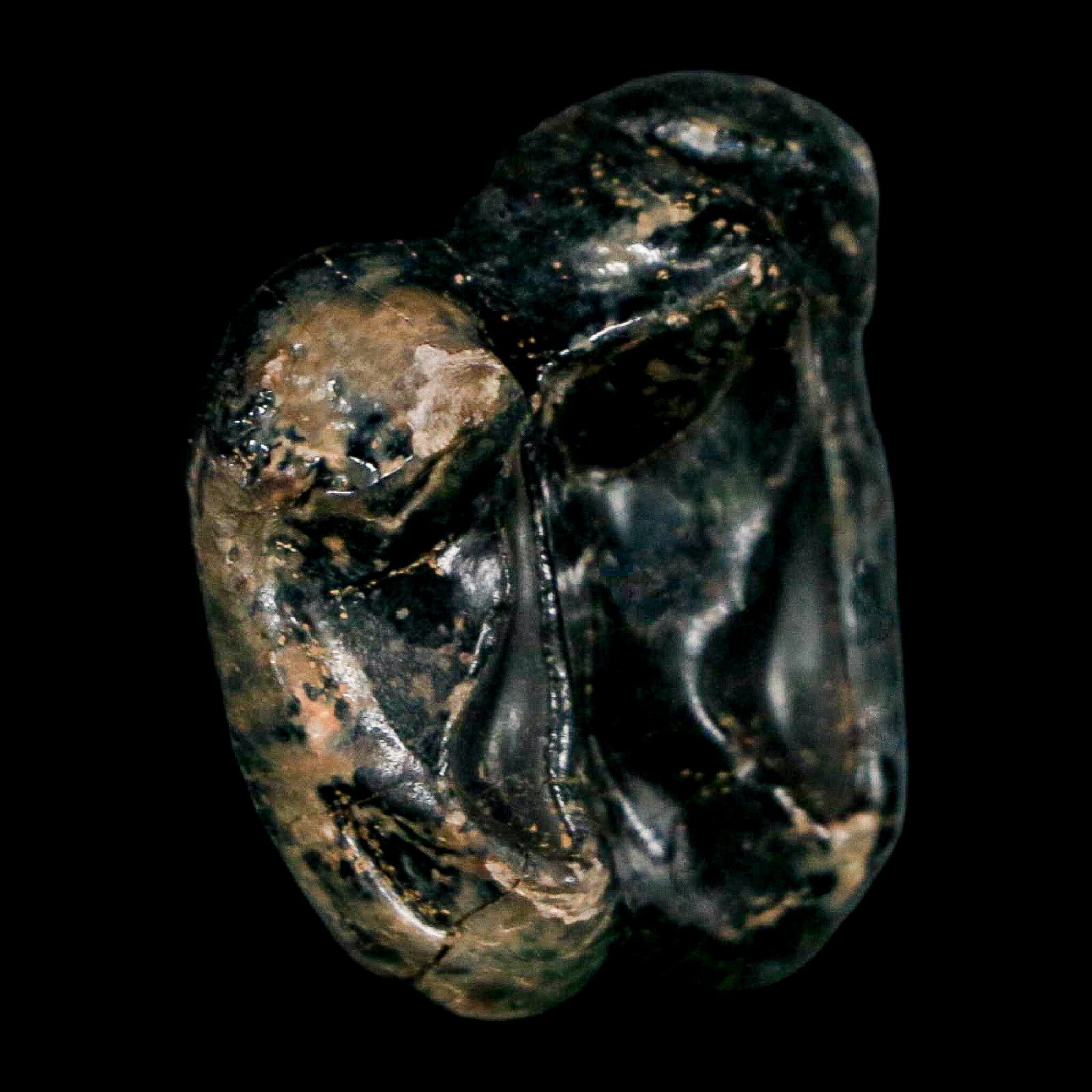
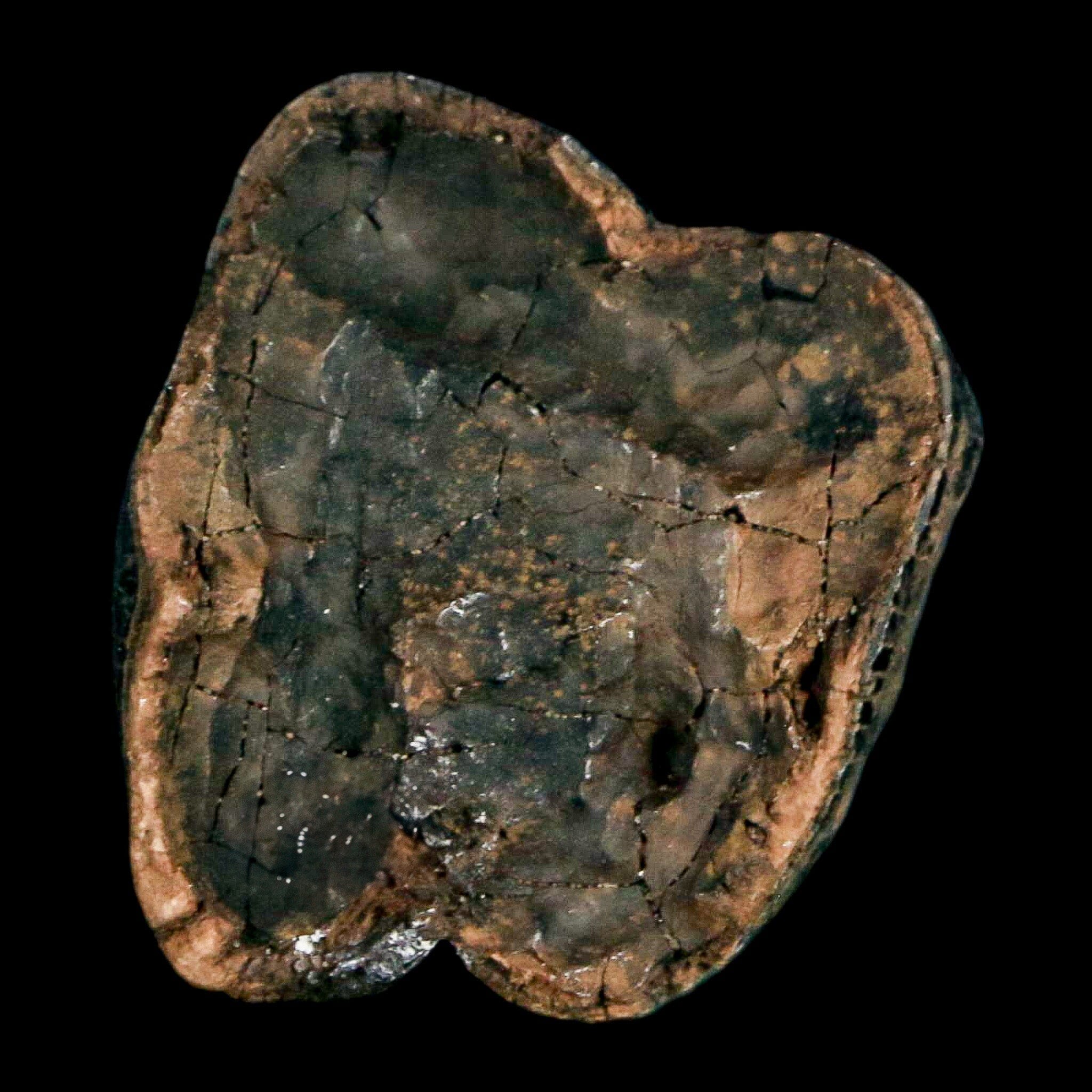


Description
Location: Withlacoochee River, Florida, United States
Weight: 0.4 Ounces
Dimensions: 1 Inch Long, 0.9 Inches Wide, 0.4 Inches Thick
Comes with a Free Display.
The Item pictured is the one you will receive.
Pleistocene Age 1 - 1.7 Million Years old.
The Tapirus Veroensis, commonly known as the Vero tapir, was an extinct species of tapir that inhabited North America during the Pleistocene epoch, also known as the Ice Age. This period, spanning from approximately 2.6 million to 11,700 years ago, was characterized by significant glacial cycles and the presence of megafauna across the continent.
Fossils of Tapirus veroensis have been found in multiple locations throughout the southeastern United States, with Florida being a particularly rich source. One of the most notable sites is along the Withlacoochee River. During the Ice Age, Florida’s environment looked very different from today. Lower sea levels exposed large portions of the continental shelf, forming broad coastal plains and reshaping river systems. The Withlacoochee River would have flowed through a vibrant ecosystem, providing water and abundant vegetation to support a variety of prehistoric animals, including the Vero tapir.
Own a tangible connection to Ice Age Florida with this authentic Tapirus veroensis tooth. The Vero tapir was a formidable herbivore that thrived in Pleistocene ecosystems, using its characteristic flexible snout to forage on lush vegetation, fruits, and leaves throughout subtropical Florida. This specimen from the Withlacoochee River region tells the story of a thriving ancient habitat—one that supported these magnificent proboscideans with abundant food and water. Discover why this species ultimately succumbed to the combined forces of climate upheaval and human pressure at the Ice Age's end, making this fossil an irreplaceable window into a lost world of North American megafauna.