
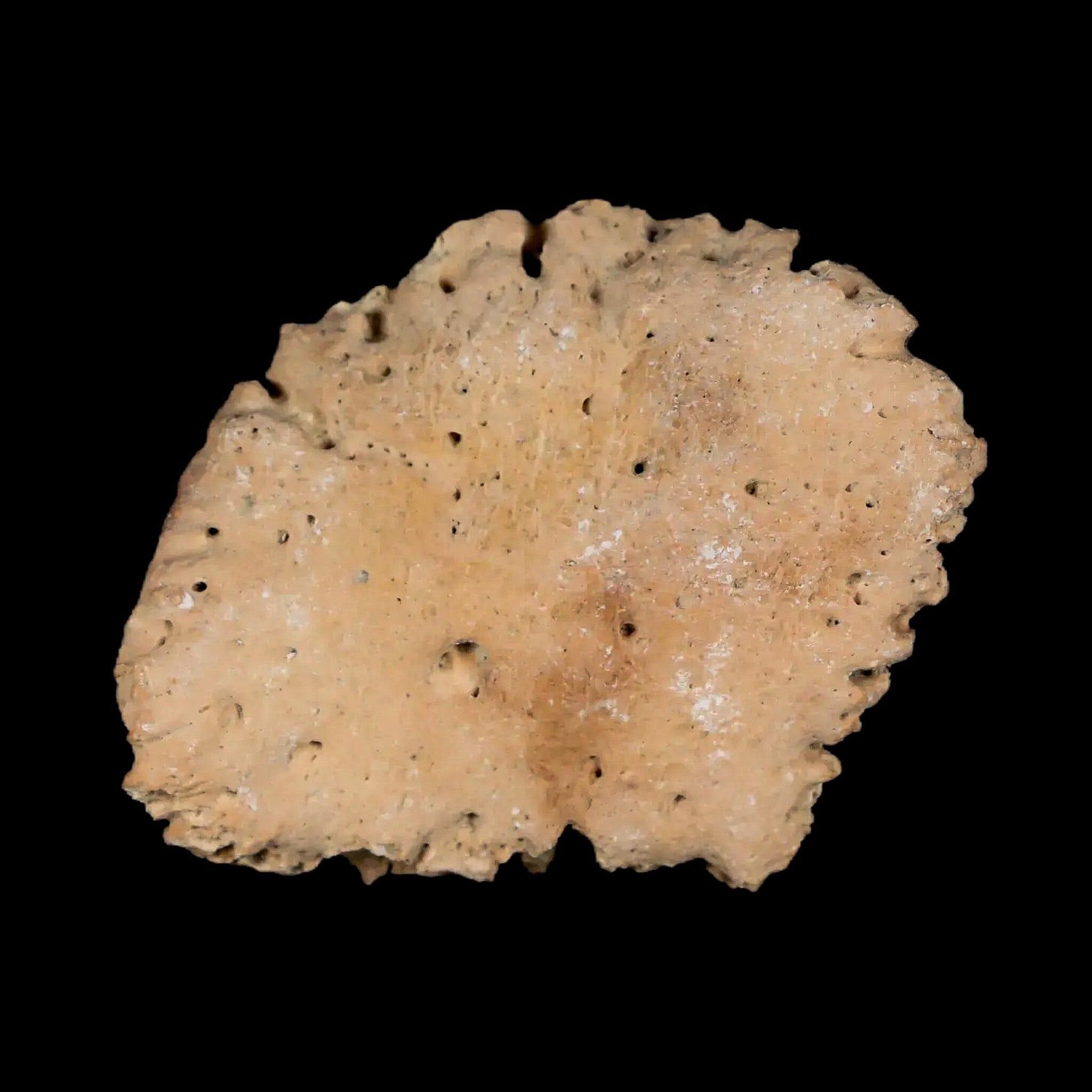
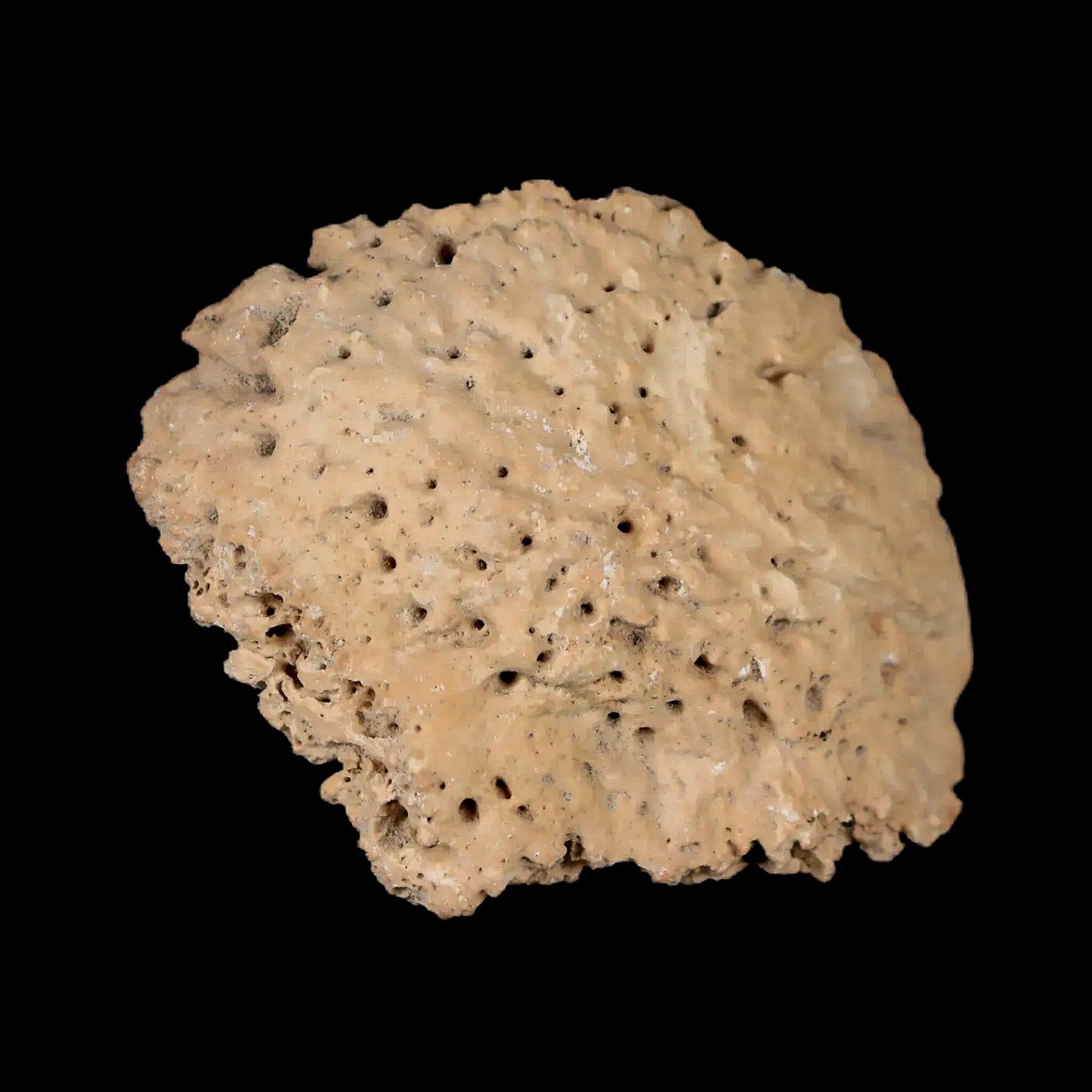
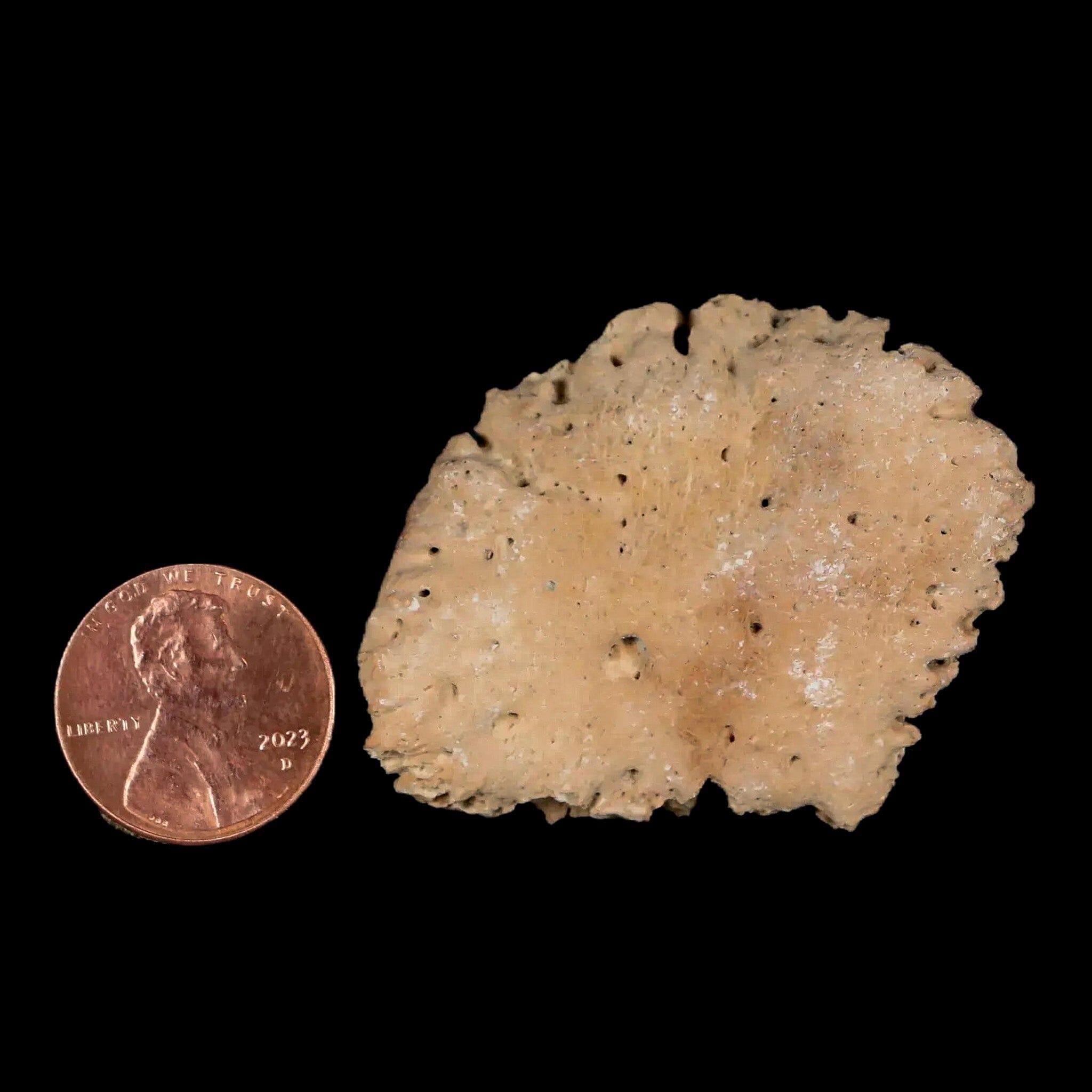
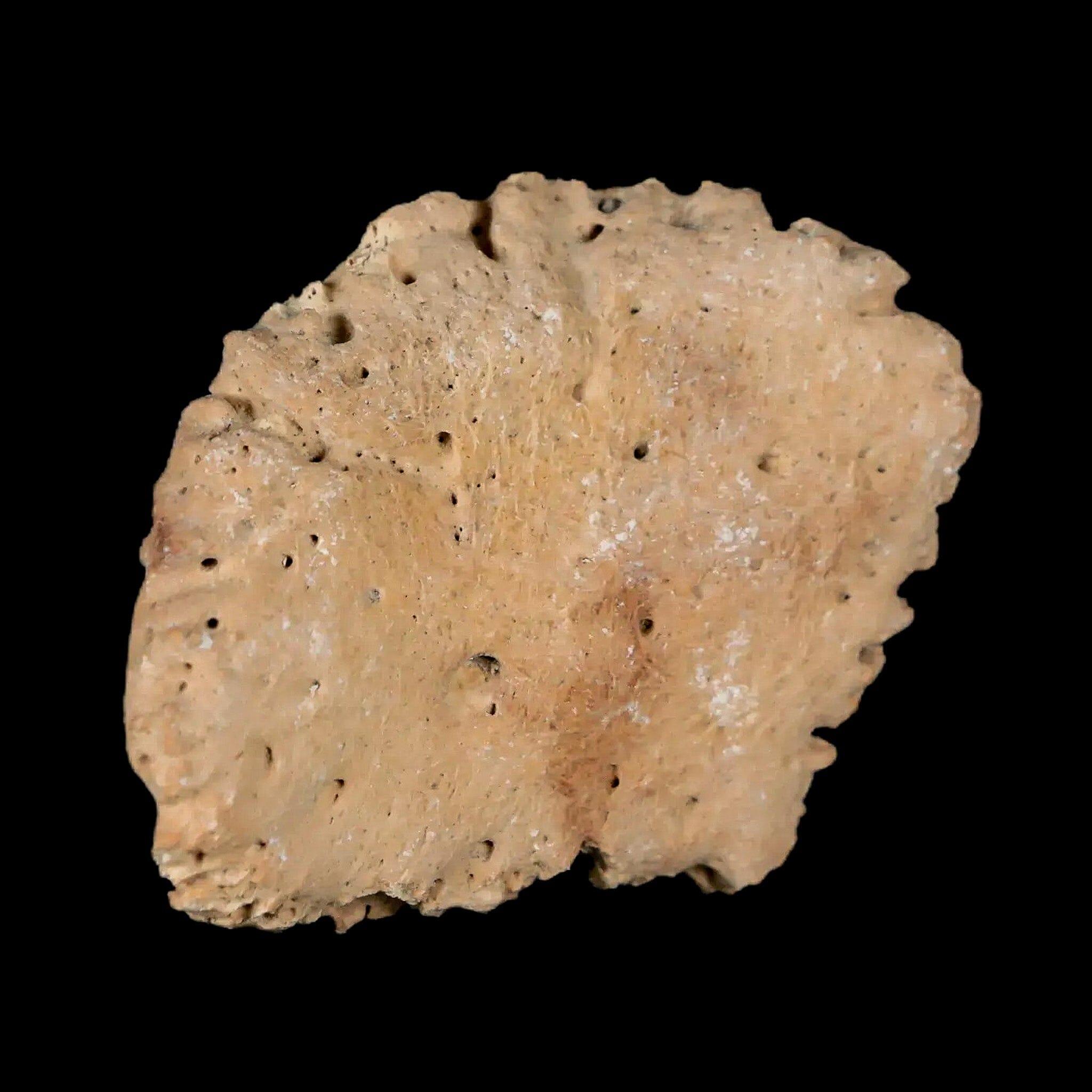
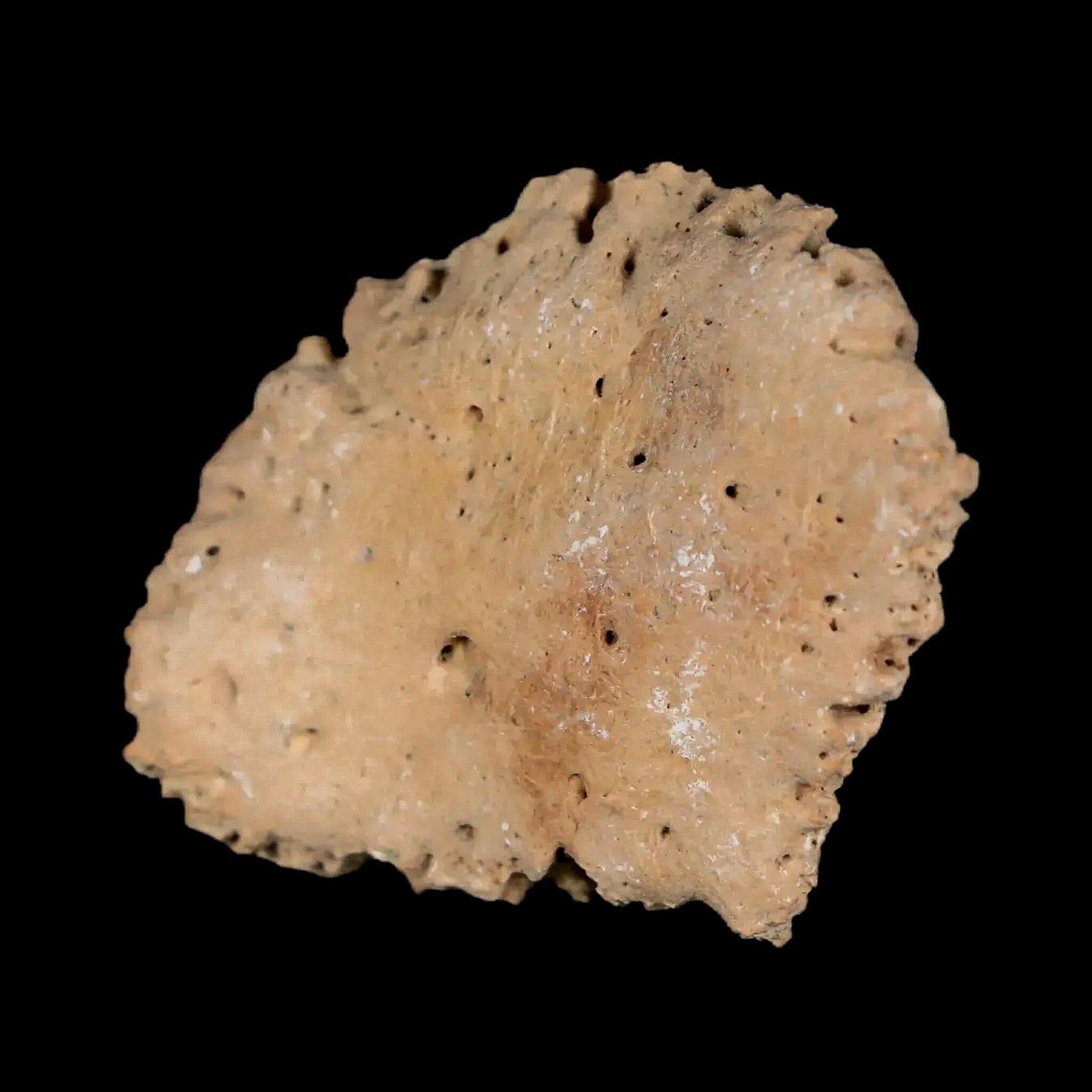
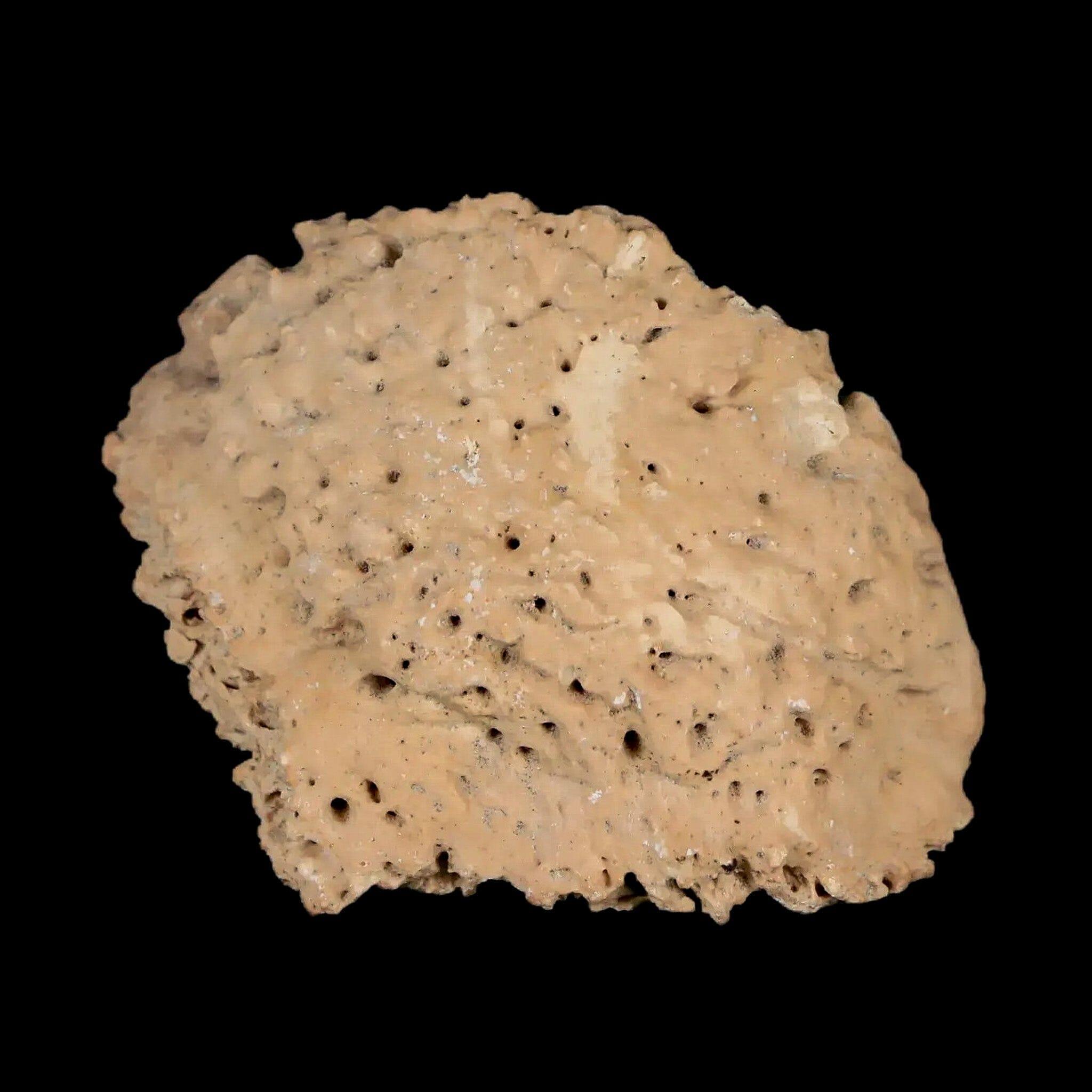
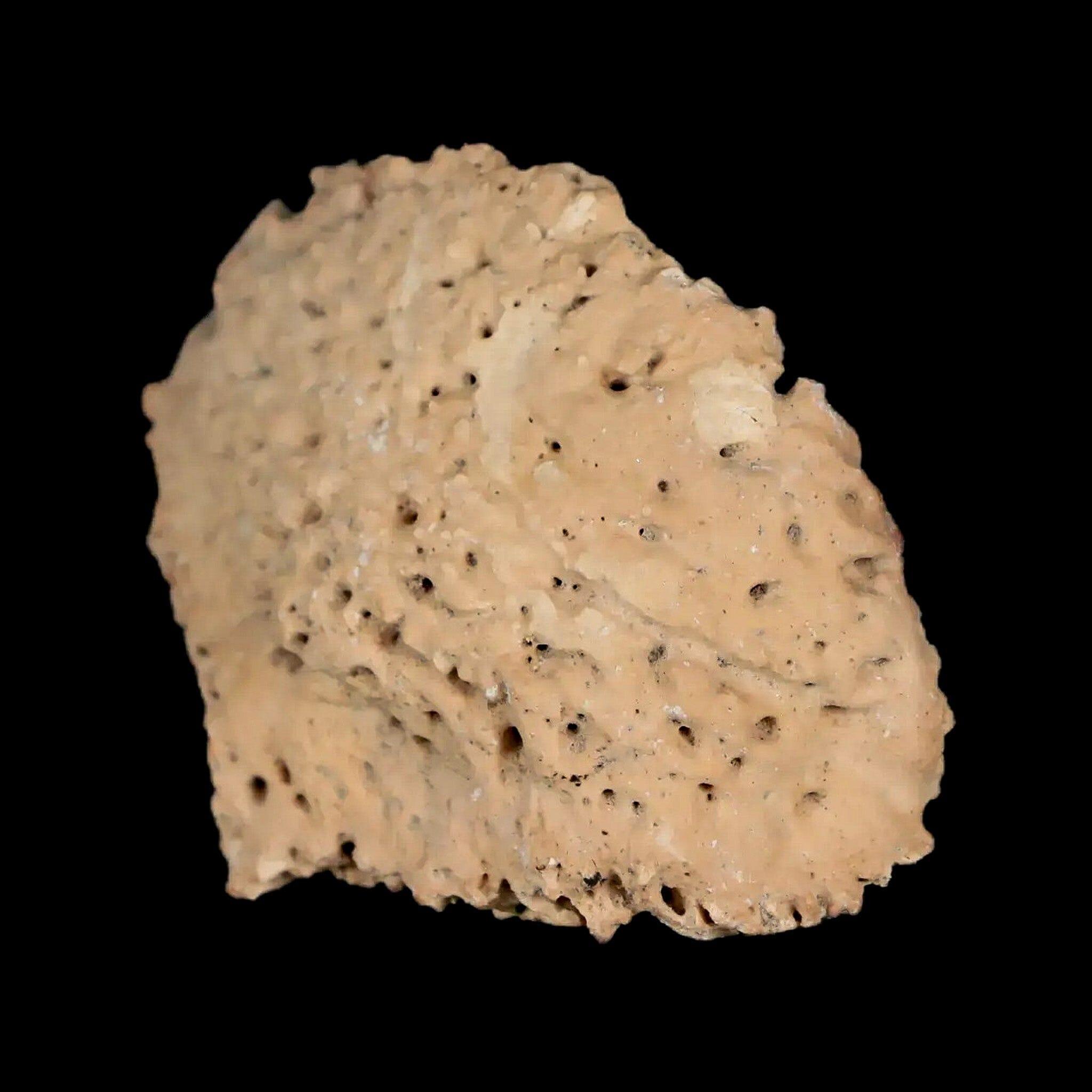


Description
Location: Uruguay
Weight: 0.5 Ounces
Dimension: 1.9 Inches Long, 1.4 Inches Wide, 0.5 Inches Thick
Comes with a Certificate of Authenticity.
The item pictured is the one you will receive.
This is a real Fossil.
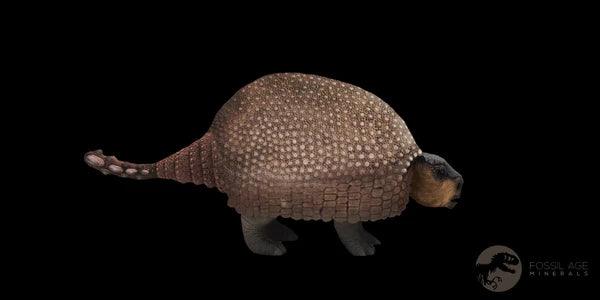
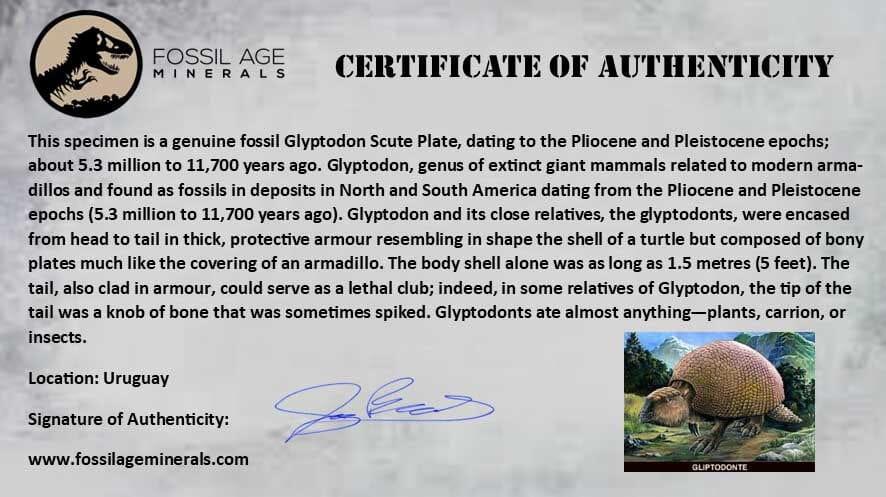
Glyptodon, an extinct megafauna genus closely allied with modern armadillos, inhabited North and South American fossil deposits spanning the Pliocene through Pleistocene periods (5.3 million to 11,700 years ago). These formidable creatures possessed complete dorsal and ventral carapaces composed of densely packed osteoderms—bony dermal plates structurally analogous to armadillo integument but achieving turtle-shell proportions, with body armor exceeding 1.5 meters in length. The caudal region, similarly armored, functioned as a defensive and offensive appendage, culminating in osseous knobs that occasionally bore spikes in related taxa. As generalist feeders consuming vegetation, carrion, and invertebrates, glyptodonts occupied diverse ecological niches. This authenticated specimen provides direct paleontological evidence of these remarkable Pleistocene herbivores, accompanied by a certificate of authenticity.
If you examine images of Glyptodon, you might think it looks like a bizarre mix of a turtle, a beaver, and an armadillo. In reality, this giant mammal was not related to turtles or beavers—it was a distant relative of modern armadillos.
One fascinating fact about Glyptodon is its sheer size: it was roughly the length and weight of a Volkswagen Beetle, measuring around 10 feet long and weighing about a ton. Its short legs supported a massive, domed armored shell, making it extremely difficult for predators to attack. The one vulnerability was its soft underbelly, which could be exposed if a predator managed to flip the animal over.
Glyptodon went extinct near the end of the last Ice Age, about 10,000 years ago. While climate change likely played a role, human activity appears to have been a major factor as well. Early South American settlers probably hunted Glyptodon for its meat and fur, and some evidence suggests they even used its large shells as protective shelters against the cold.
