
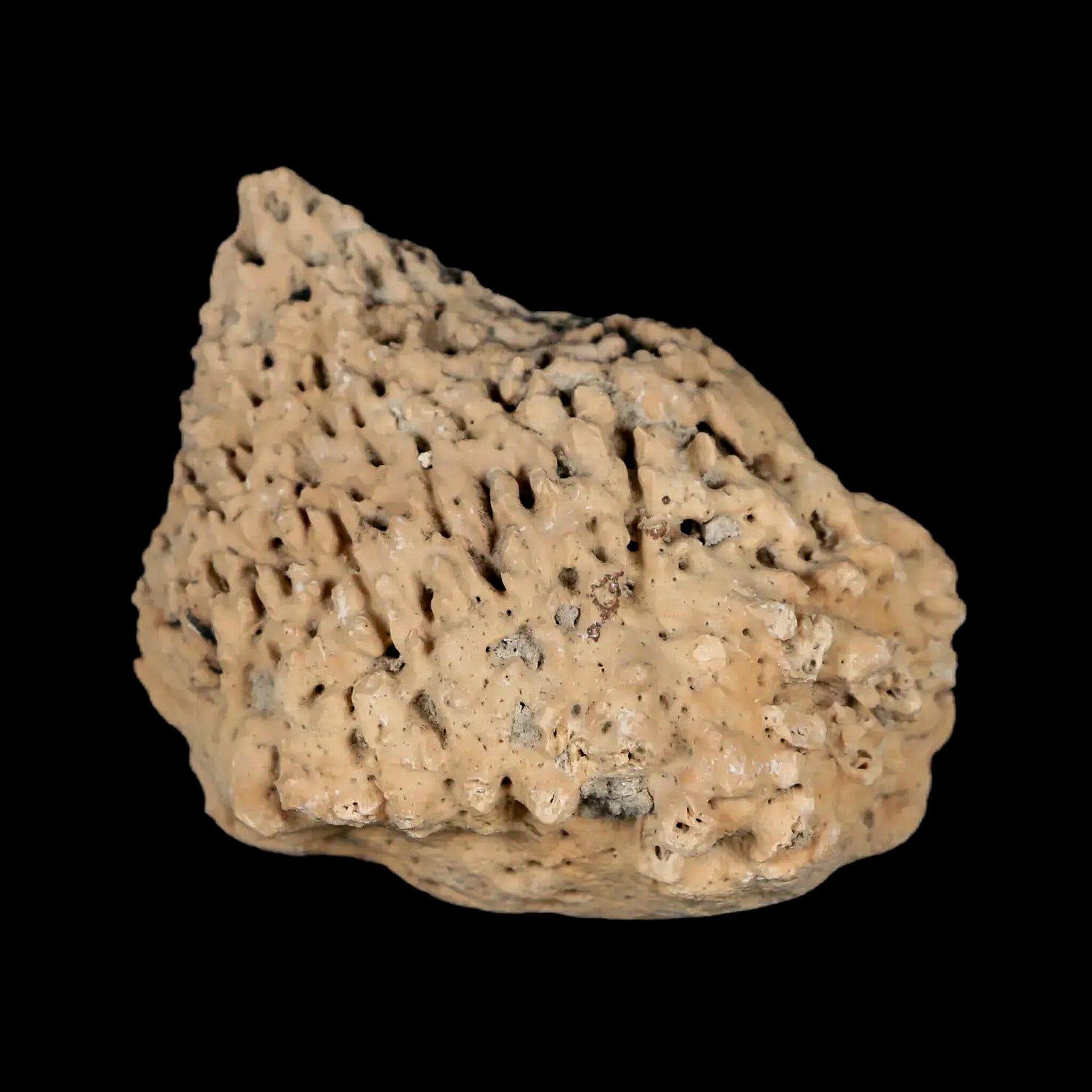
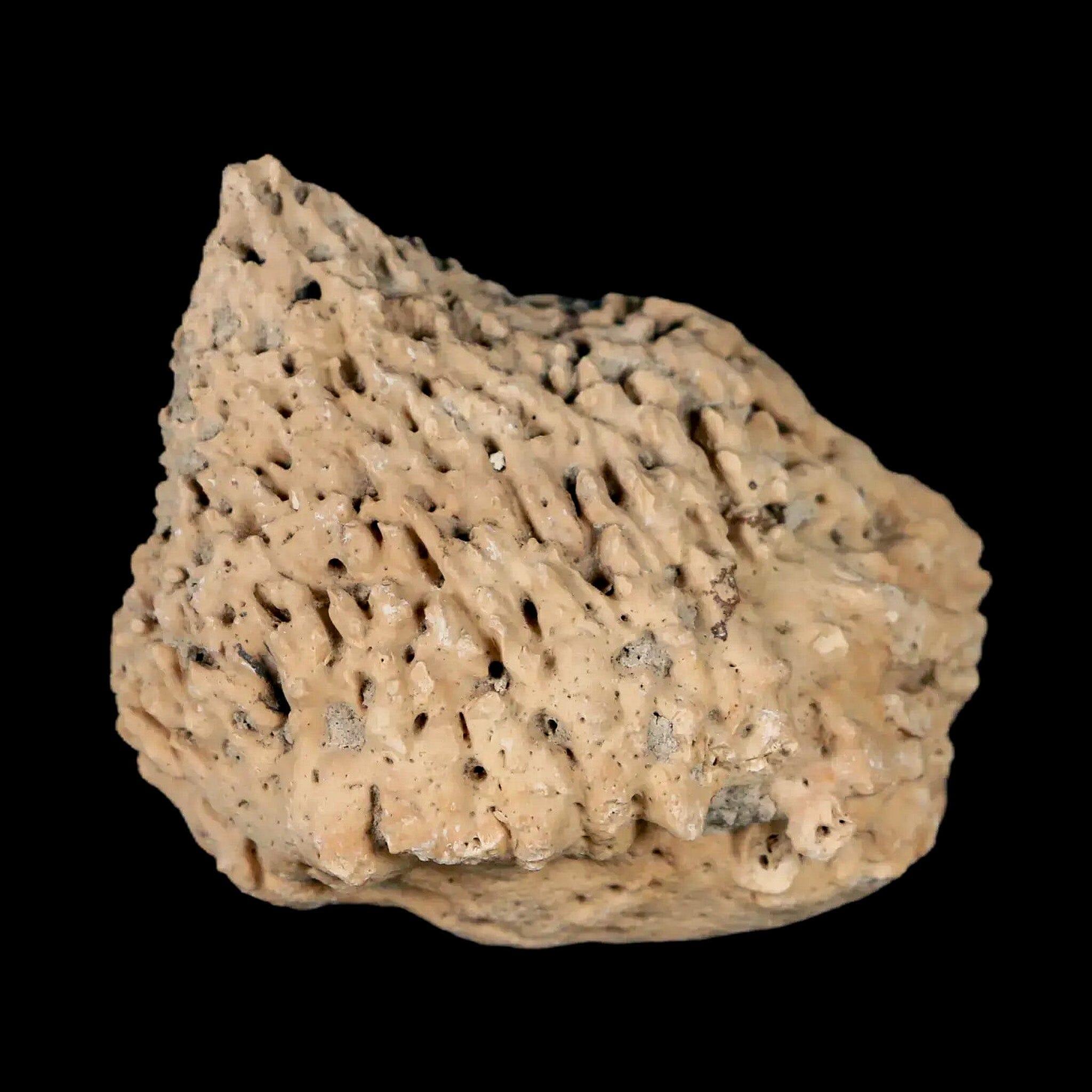
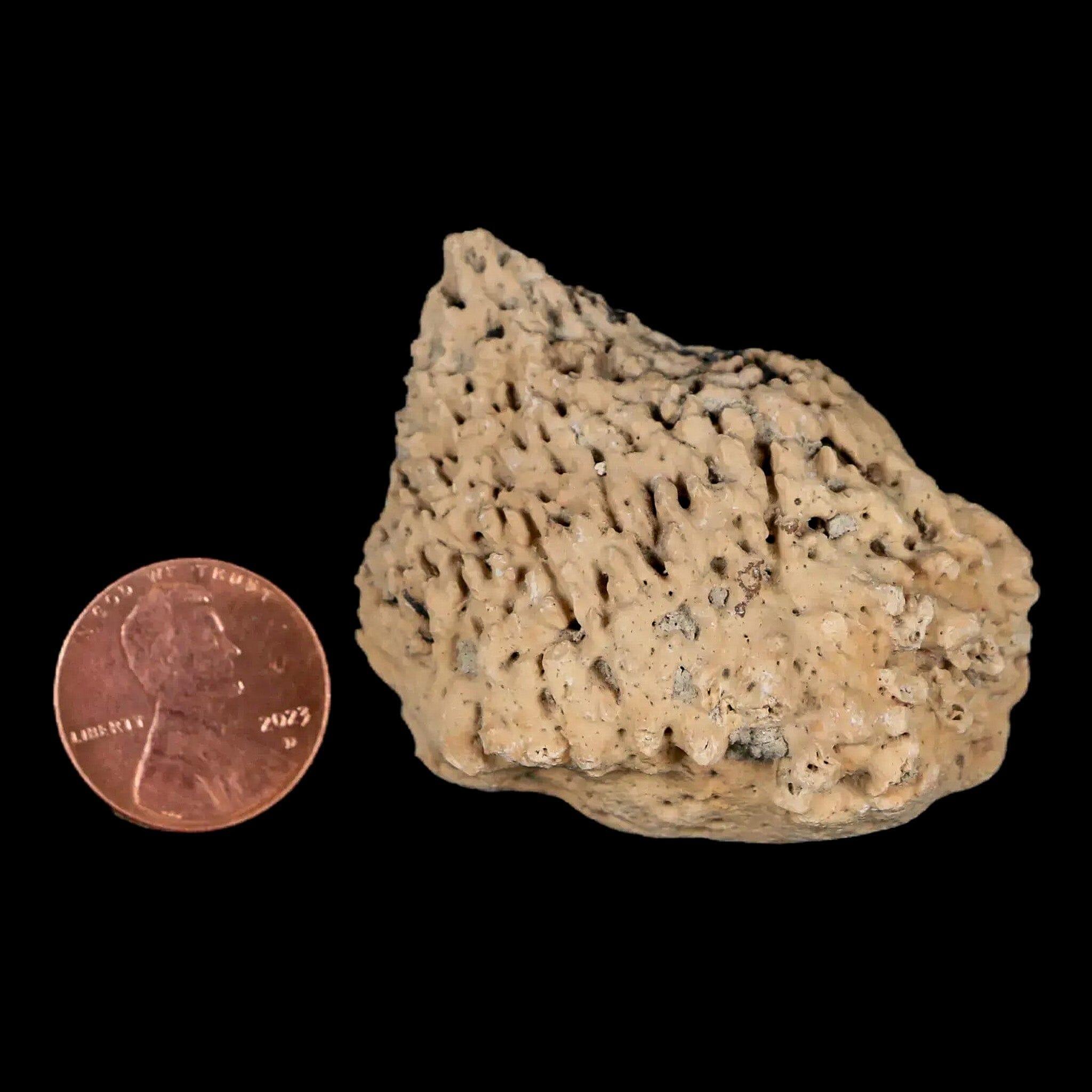
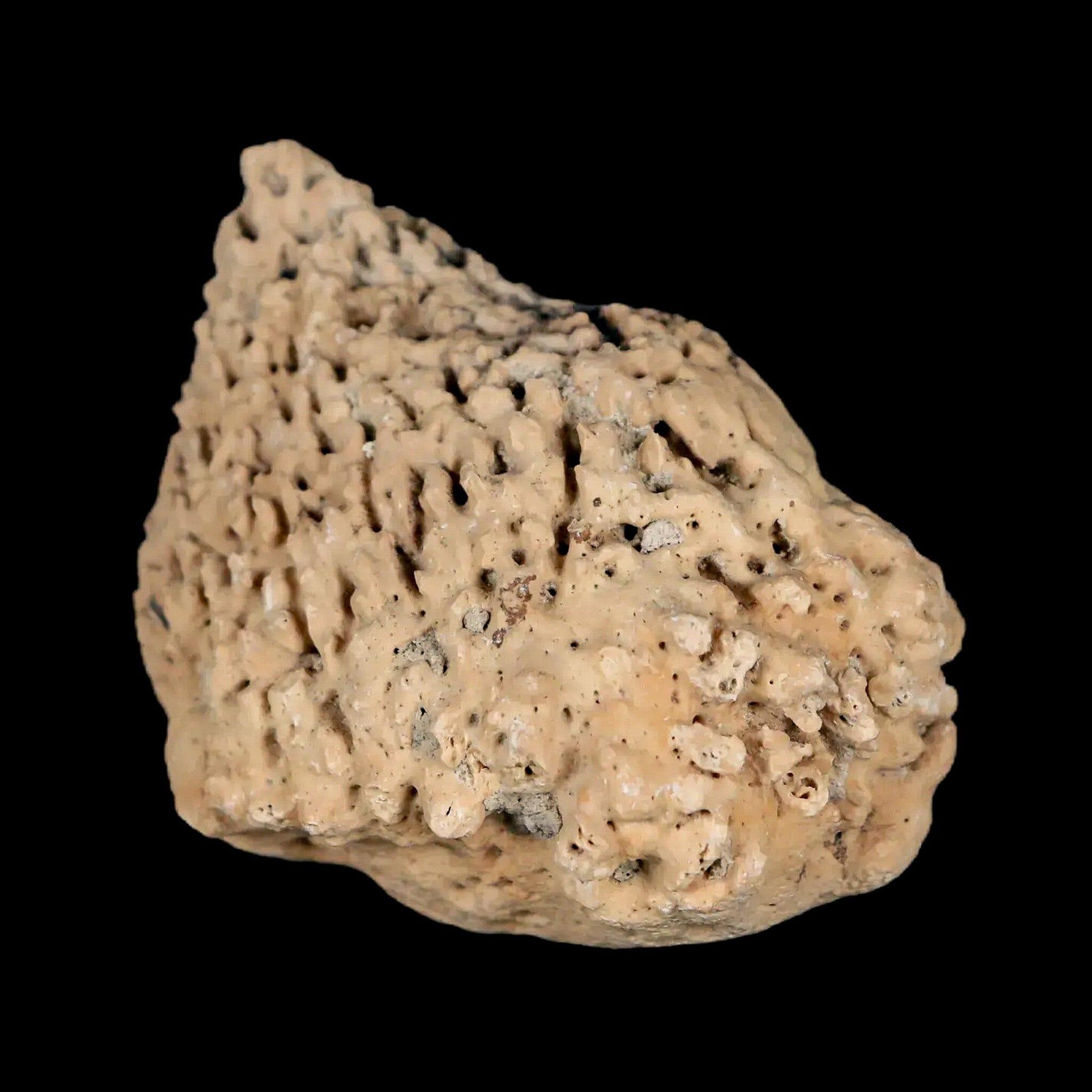
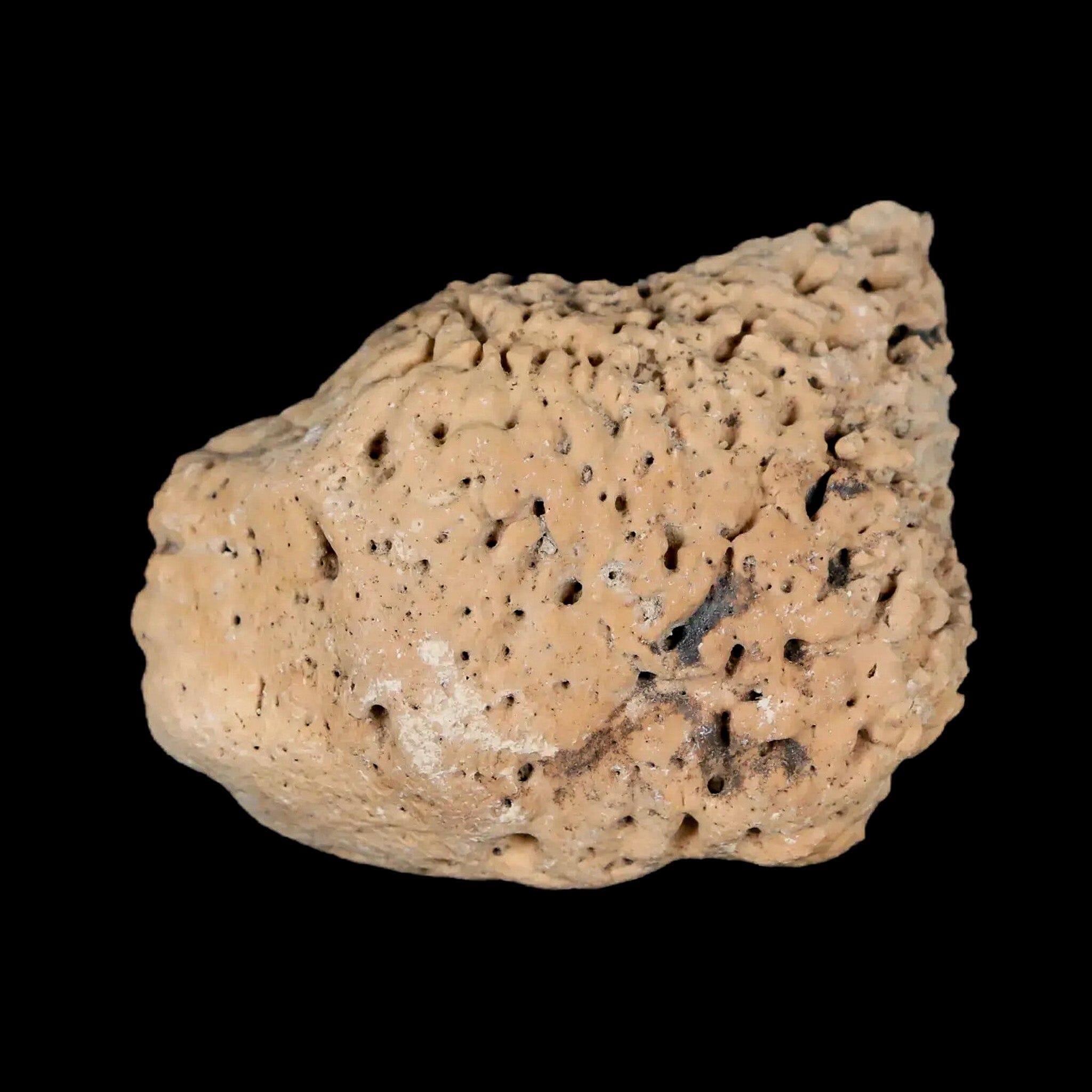
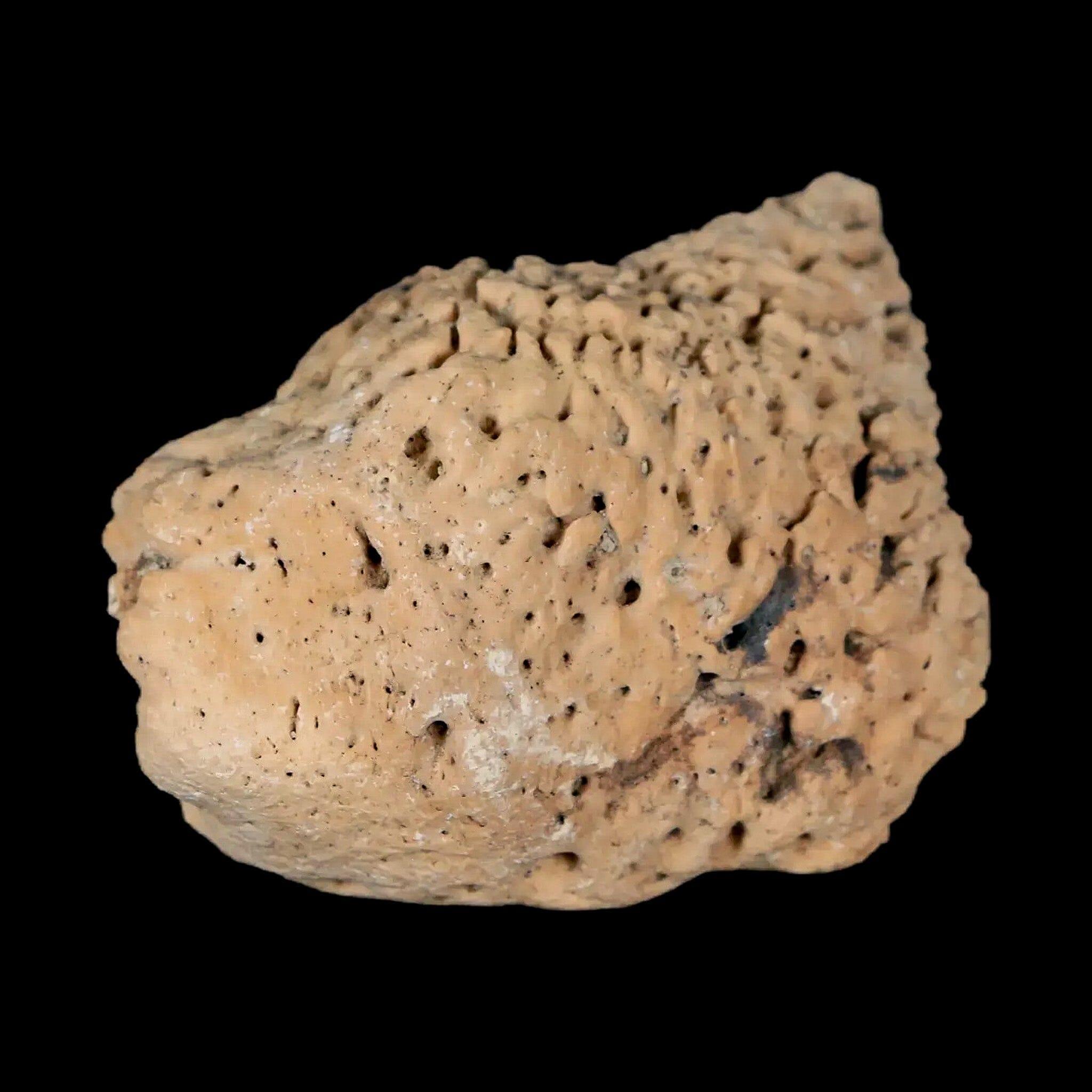
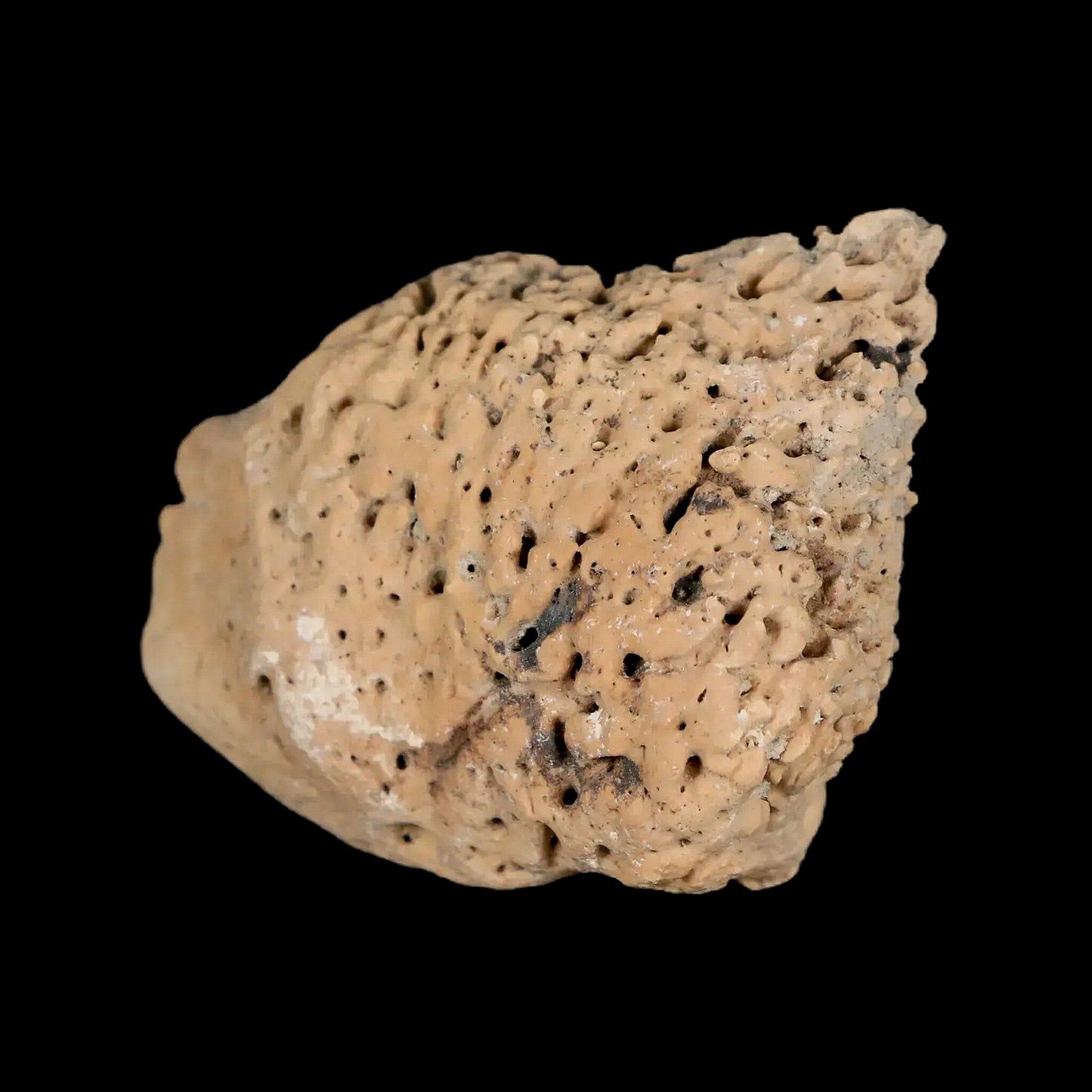


Description
Location: Uruguay
Weight: 0.9 Ounces
Dimension: 1.8 Inches Long, 1.7 Inches Wide, 1.1 Inches Thick
Comes with a Certificate of Authenticity.
The item pictured is the one you will receive.
This is a real Fossil.
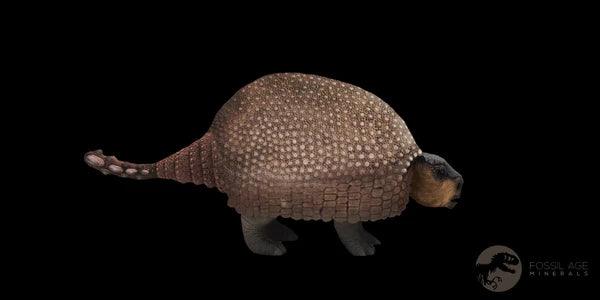
Glyptodon was a genus of giant, now-extinct mammals closely related to modern armadillos. Fossils have been found across North and South America, dating from the Pliocene to the Pleistocene epochs (5.3 million to 11,700 years ago). These remarkable creatures, along with their relatives—the glyptodonts—were covered from head to tail in thick, bony armor. Their protective shells resembled those of turtles but were composed of plates similar to an armadillo’s covering. The body shell alone could reach 1.5 meters (5 feet) in length. Glyptodon’s tail was also armored and could act as a powerful club; in some relatives, the tail ended in a bony knob or even spikes. These animals were opportunistic feeders, consuming plants, carrion, and occasionally insects.
Looking at Glyptodon, you might imagine it as a strange mix of a turtle, a beaver, and an armadillo. In reality, it was only distantly related to armadillos and had no connection to turtles or beavers.
One of the most fascinating facts about Glyptodon is its sheer size—it was roughly the same size and weight as a Volkswagen Beetle, measuring around 10 feet long and weighing about a ton. Its short legs and massive armored dome made it nearly impervious to predators. However, a predator that managed to flip Glyptodon onto its back could reach its soft underbelly.
Glyptodon went extinct around 10,000 years ago, just before the end of the last Ice Age. While climate change likely played a role, early humans also contributed to its demise. Evidence suggests that prehistoric South American settlers hunted Glyptodon for its meat and fur, and may have even used its sturdy shell as shelter against harsh weather.
