
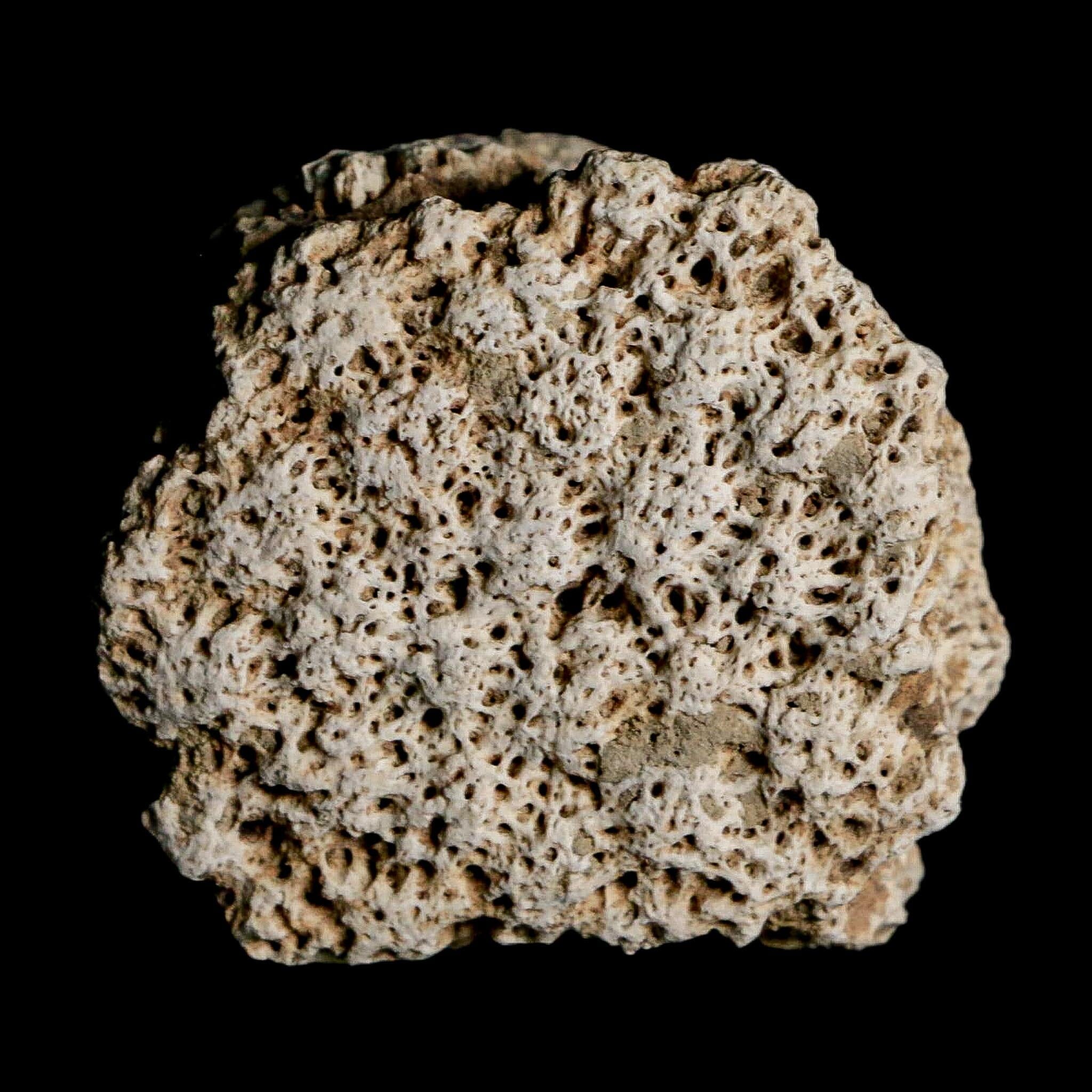
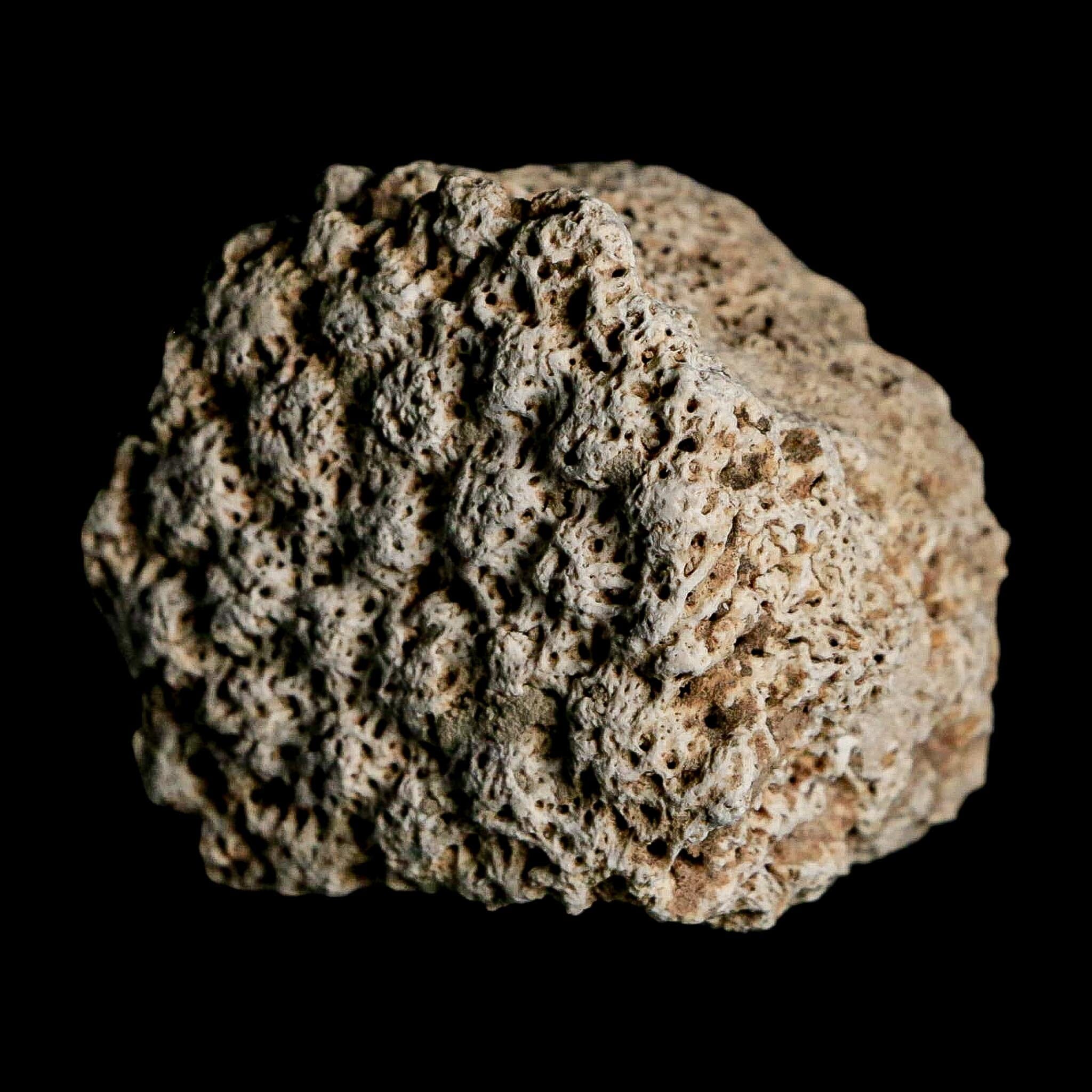
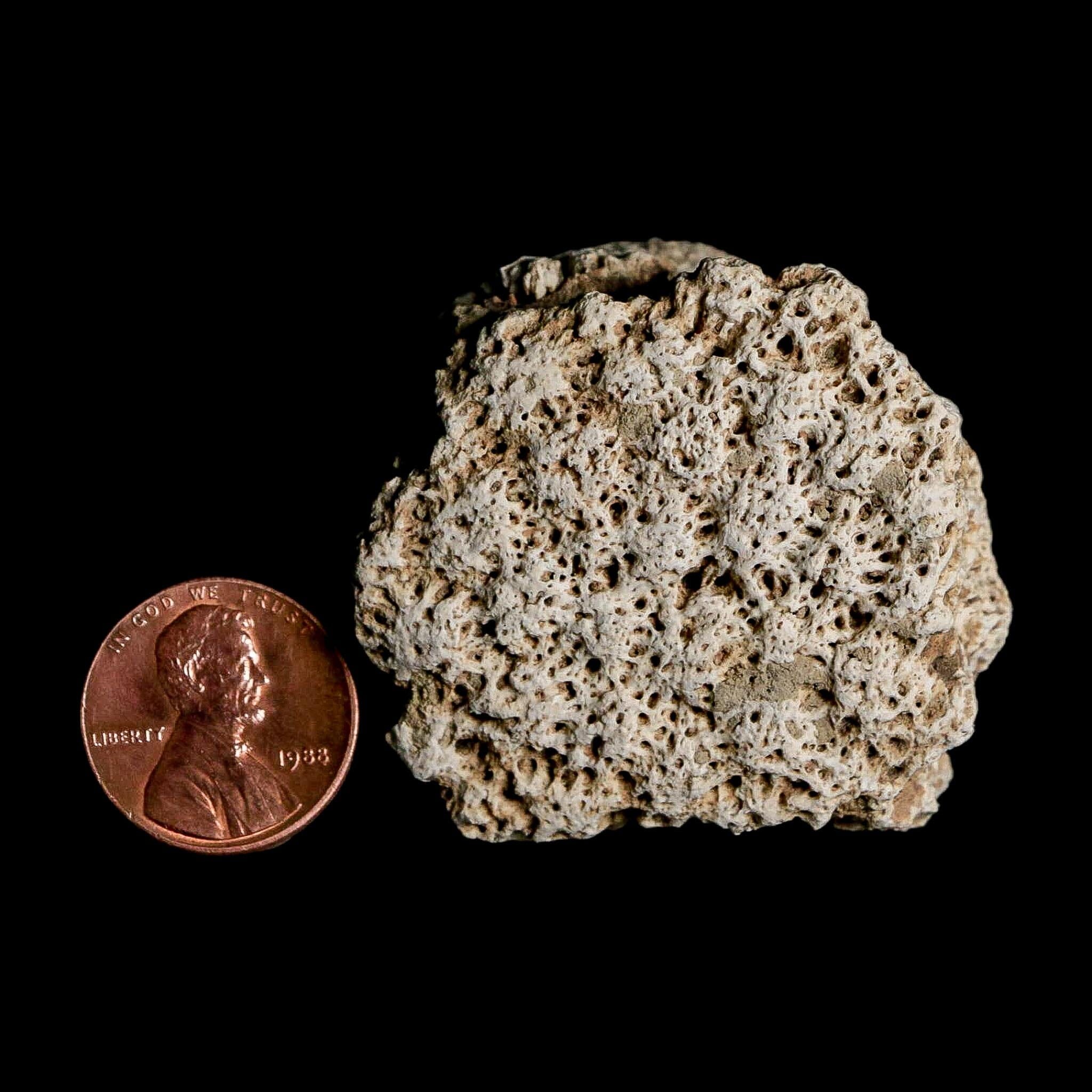
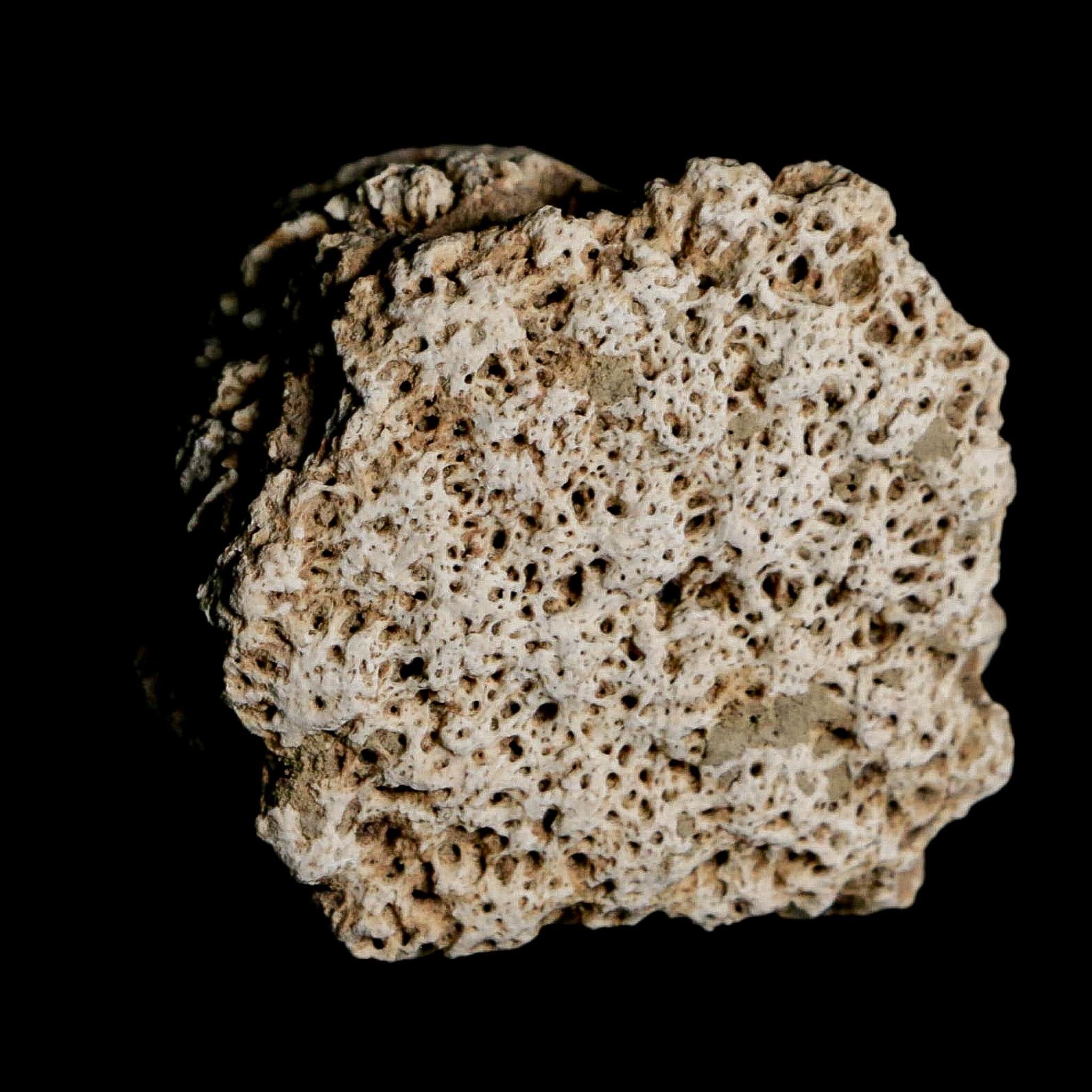
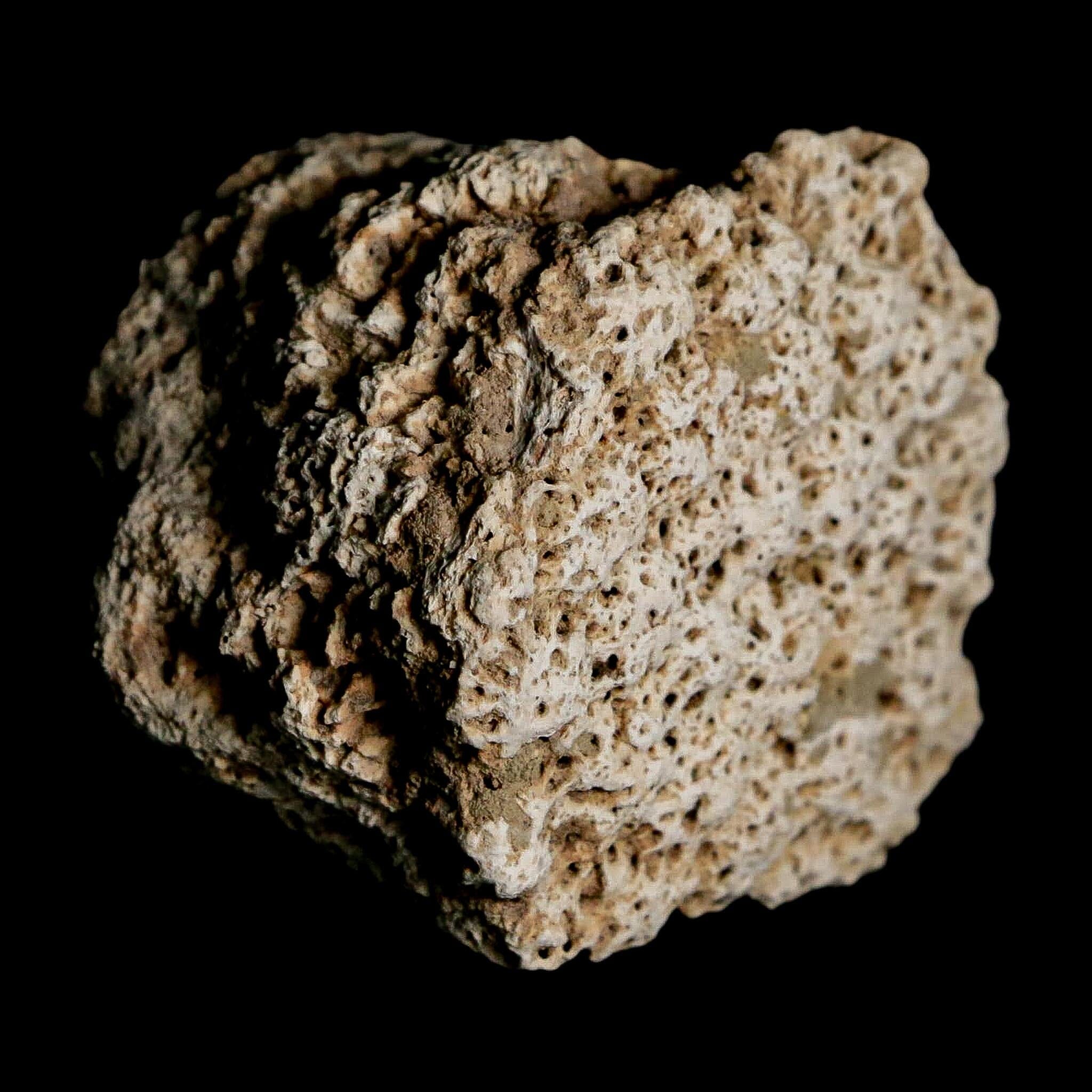

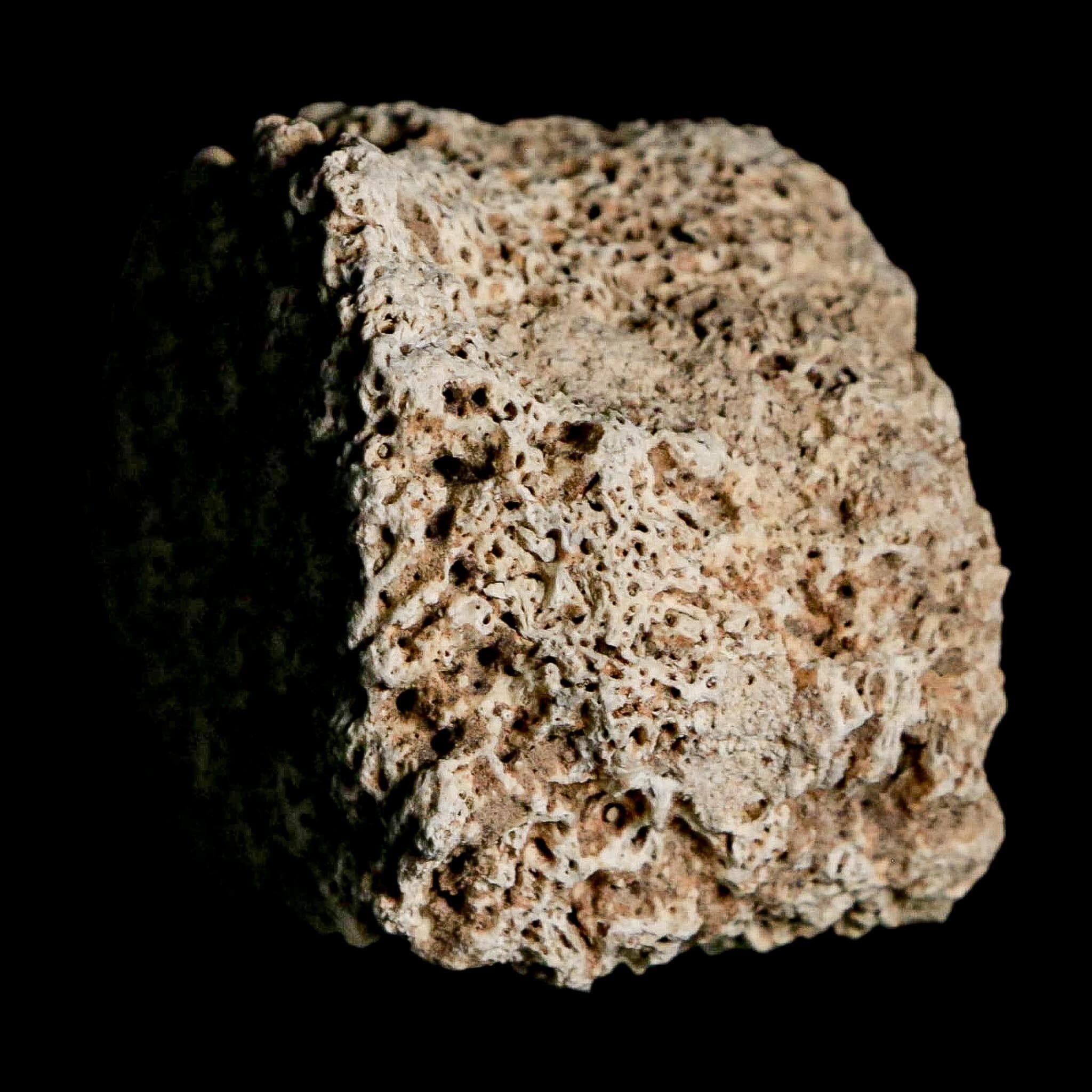
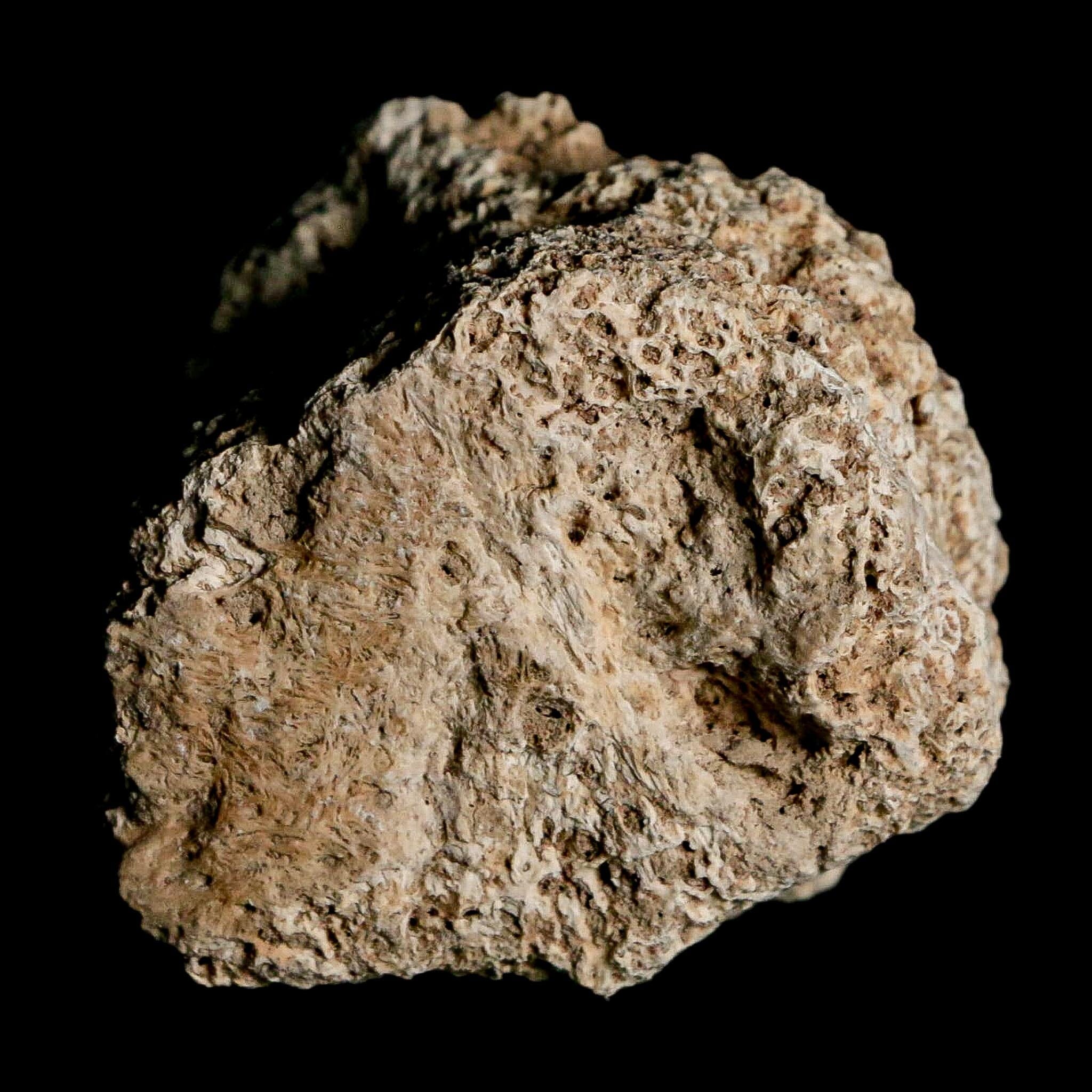


Description
Location: Uruguay
Weight: 1.3 Ounces
Dimension: 1.8 Inches Long, 1.5 Inches Wide, 1.3 Inches Thick
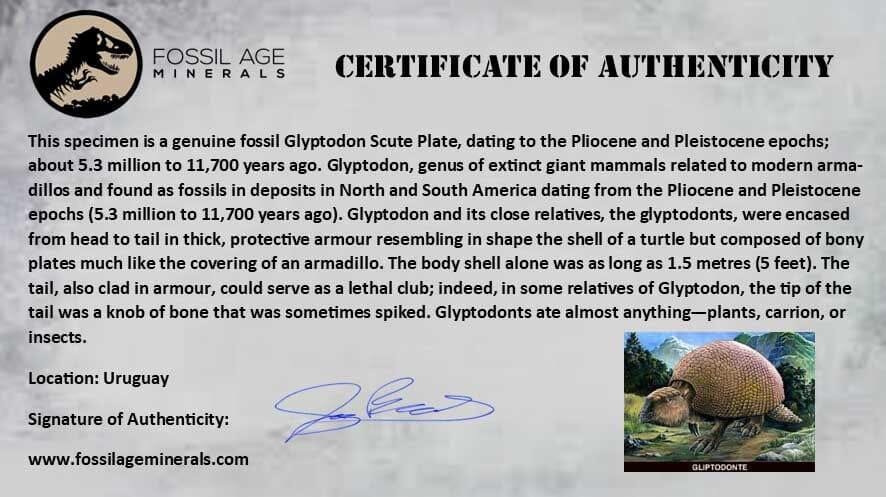
Comes with a Certificate of Authenticity.
The item pictured is the one you will receive.
Glyptodon is a genus of extinct giant mammals related to modern armadillos and found as fossils in deposits in North and South America dating from the Pliocene and Pleistocene epochs (5.3 million to 11,700 years ago). Glyptodon and its close relatives, the glyptodonts, were encased from head to tail in thick, protective armor resembling in shape the shell of a turtle but composed of bony plates much like the covering of an armadillo. The body shell alone was as long as 1.5 meters (5 feet). The tail, also clad in armor, could serve as a lethal club; indeed, in some relatives of Glyptodon, the tip of the tail was a knob of bone that was sometimes spiked. Glyptodonts ate almost anything—plants, carrion, or insects.
Glyptodon, an extinct megafauna mammal from the Pleistocene, bears a superficial resemblance to modern armadillos despite their distant evolutionary connection. This remarkable creature rivaled a Volkswagen Beetle in size, stretching approximately 10 feet in length and weighing roughly one ton. Its most distinctive feature was an imposing bony carapace covering its back, composed of individual osteoderms like this scute plate. The animal's stocky build and heavily armored dorsal surface provided formidable protection against predators, though its vulnerable ventral side represented a potential weakness. This authentic specimen, sourced from Pleistocene deposits in Uruguay and accompanied by a certificate of authenticity, offers collectors a tangible connection to an extraordinary chapter in mammalian evolution.
Glyptodon vanished approximately 10,000 years ago as the last Ice Age commenced, succumbing to a combination of environmental and anthropogenic pressures. While climate fluctuations contributed to the species' decline, paleontological evidence suggests that human predation played an equally significant role in its extinction. Early South American populations actively hunted these massive creatures for their meat and hides, which provided essential sustenance and materials. Archaeological findings further indicate that indigenous peoples repurposed Glyptodon carapaces as shelter structures, capitalizing on the animal's robust bony armor for protection against harsh climatic conditions. This osteoderm specimen represents a tangible artifact from a pivotal moment in megafauna history, accompanied by a certificate of authenticity.
