
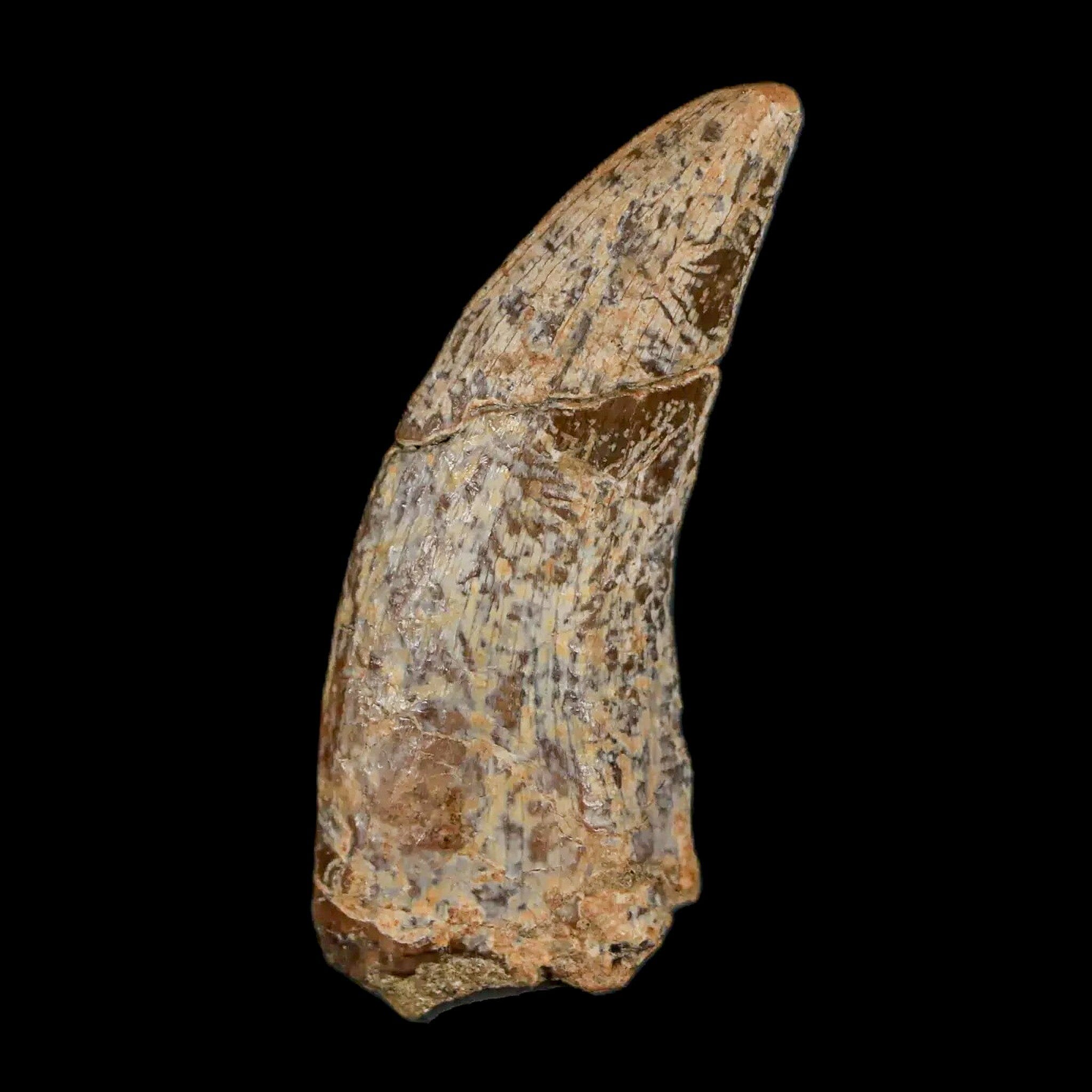
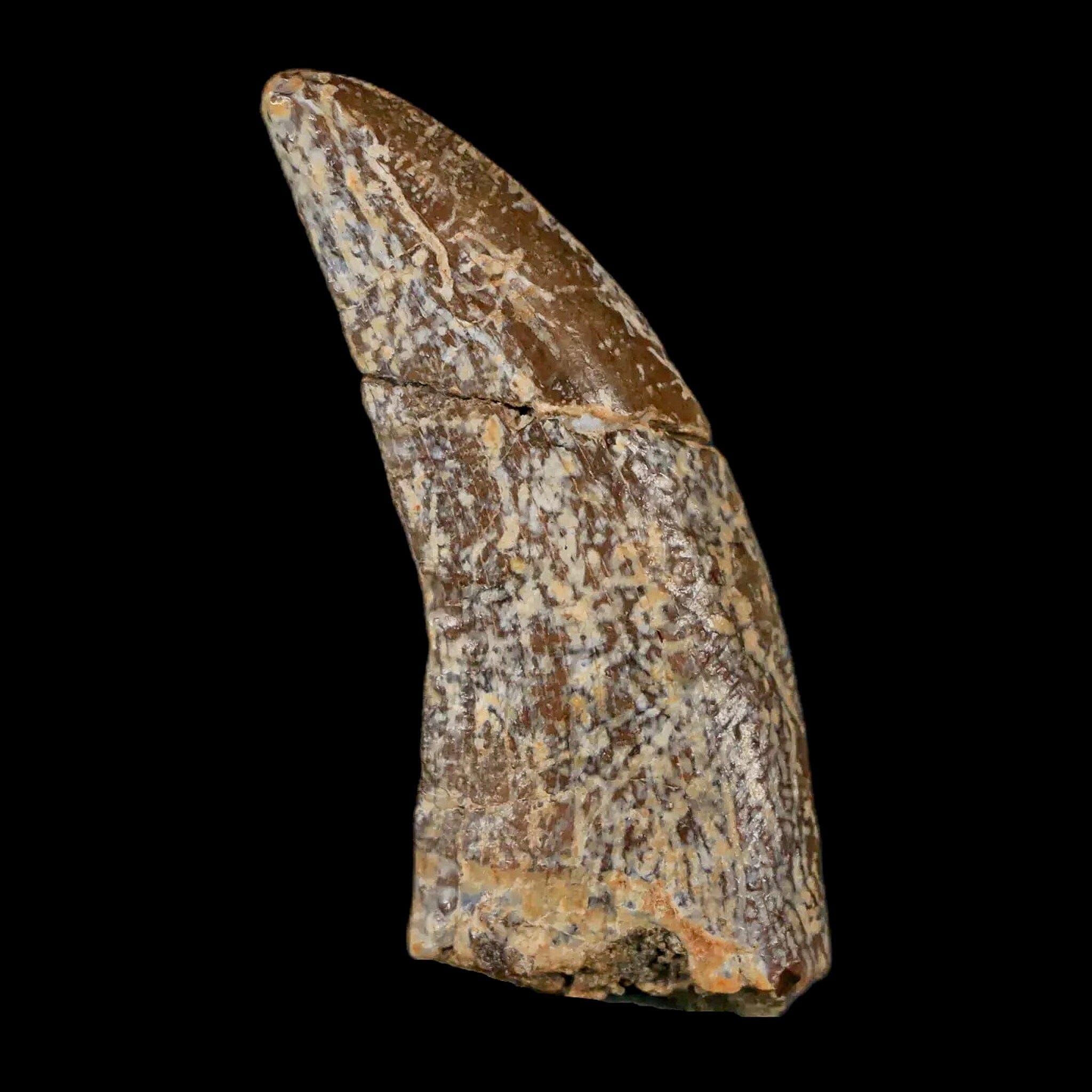
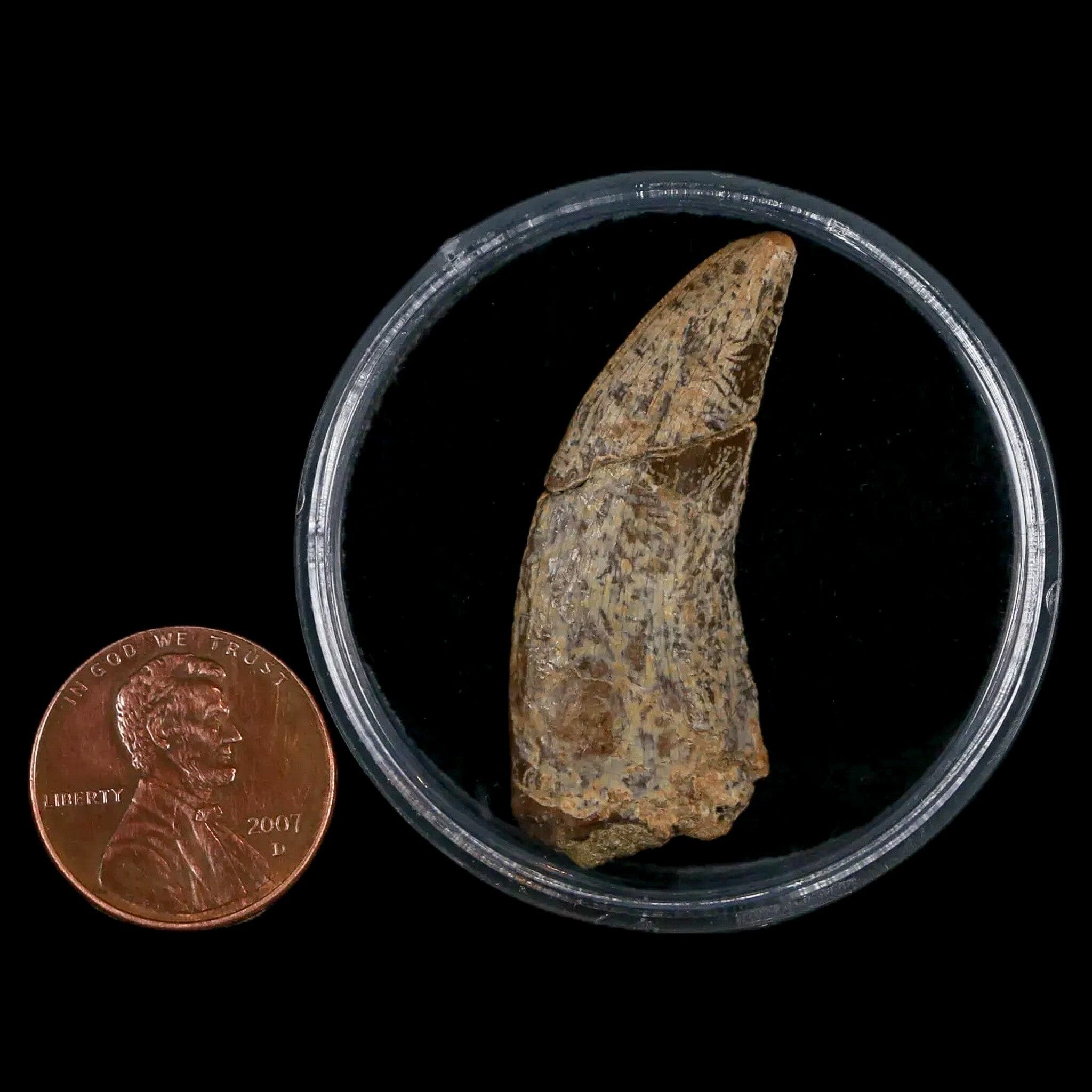
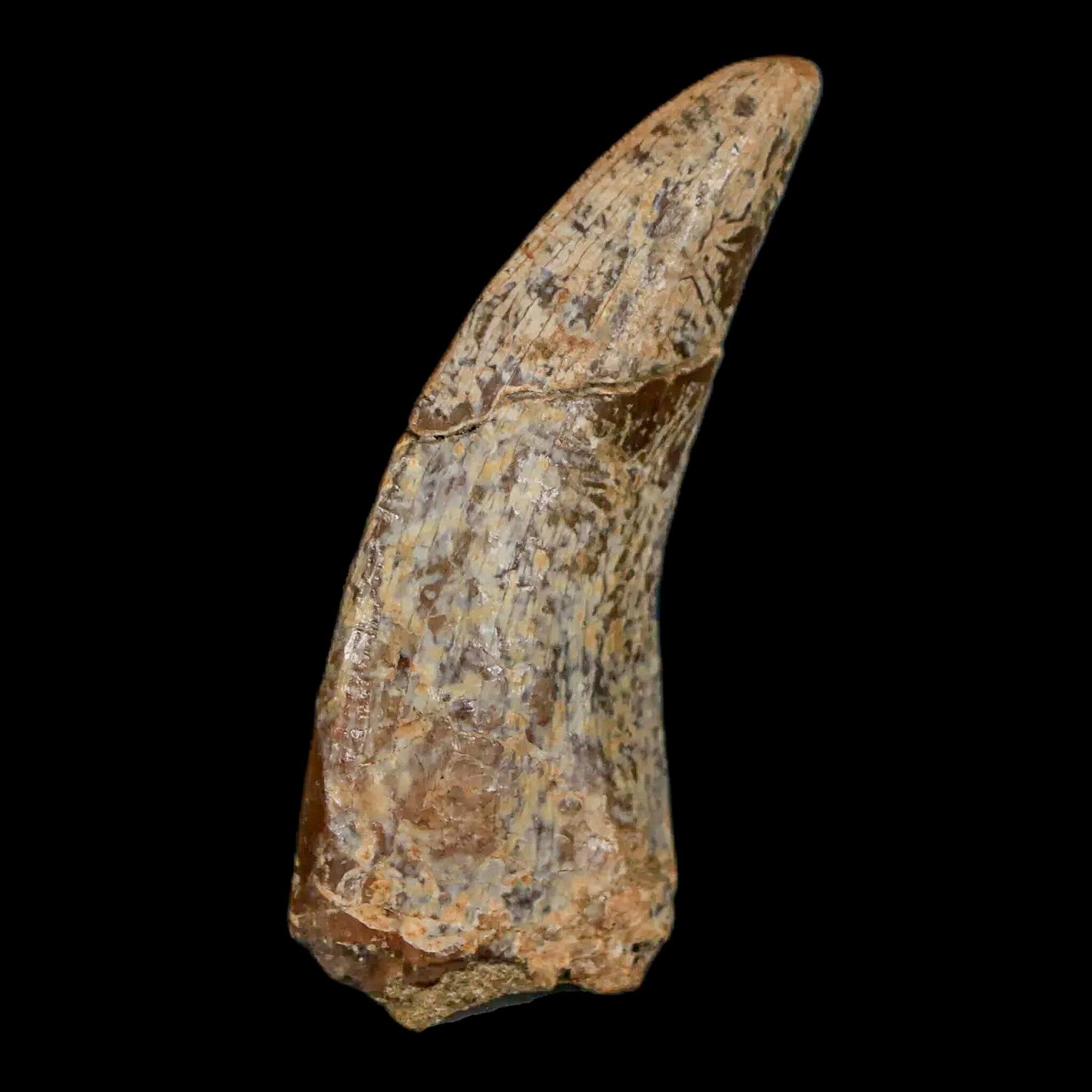
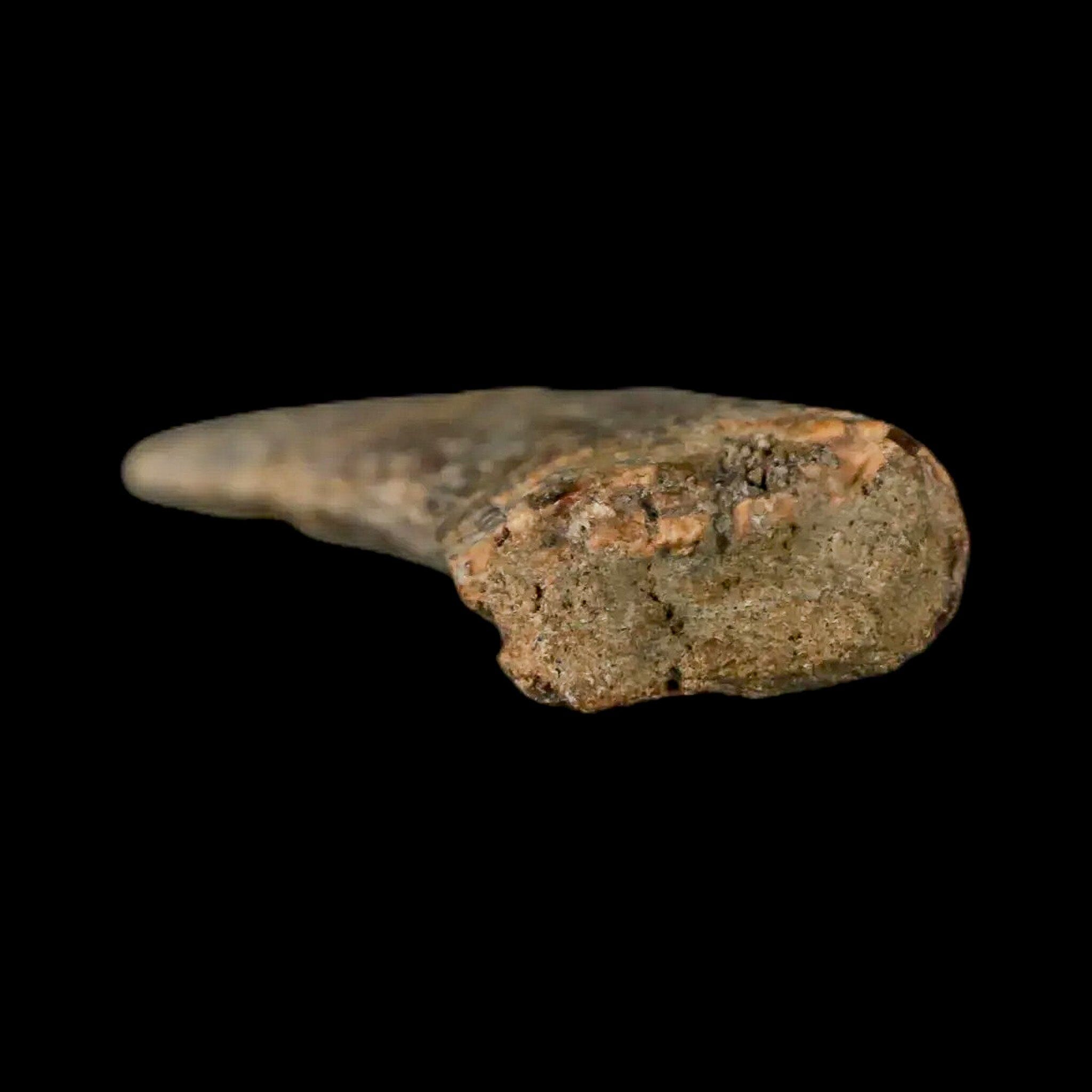


Description
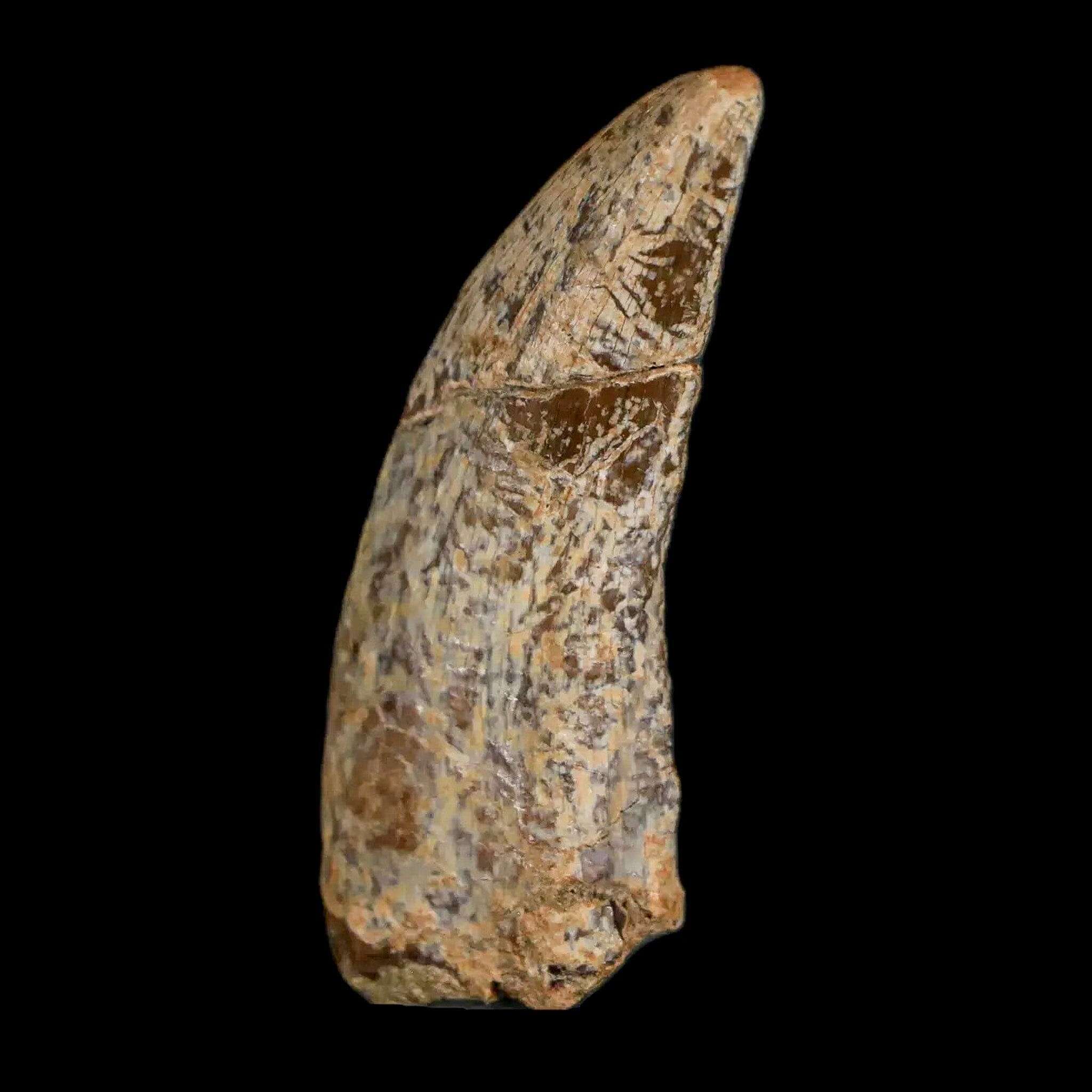
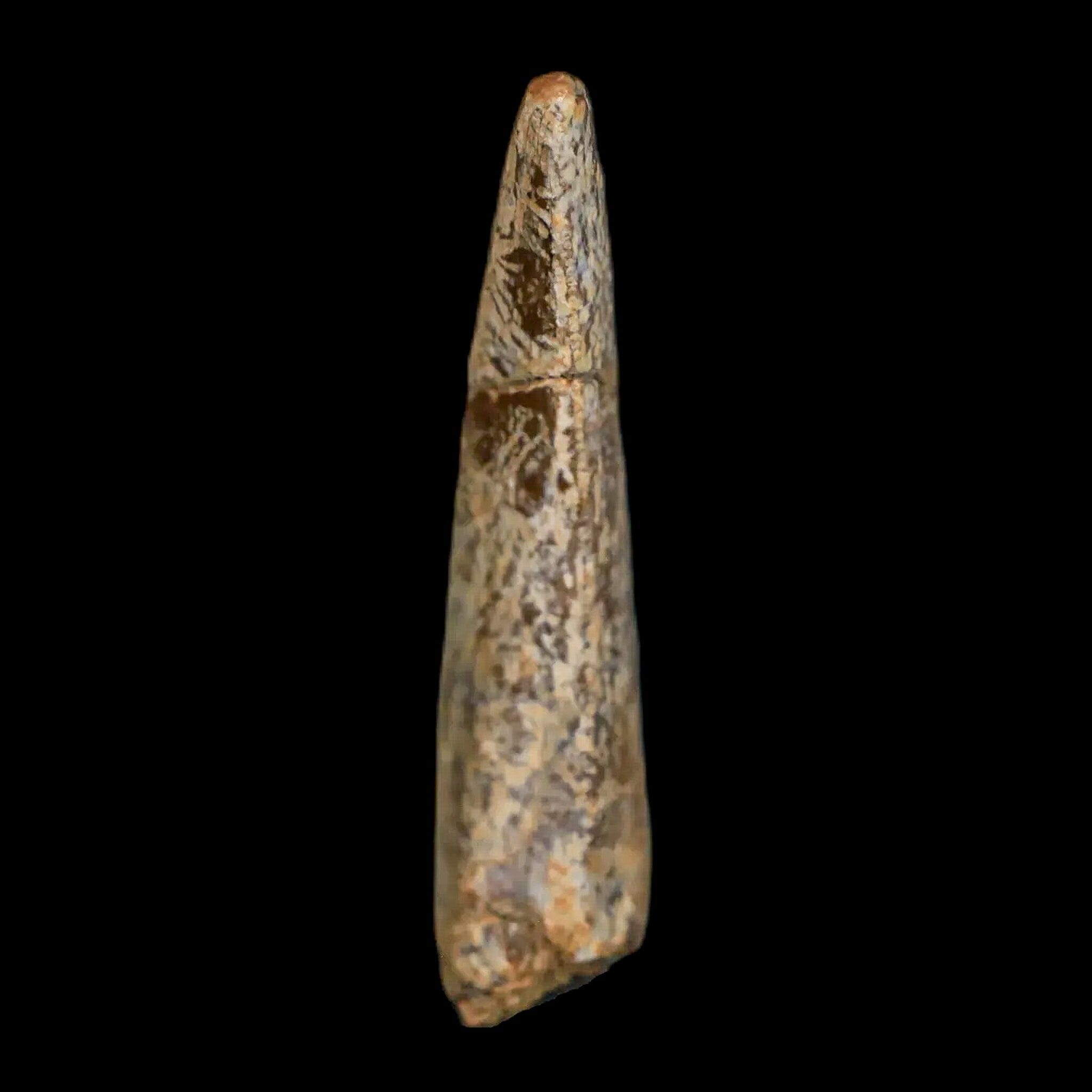
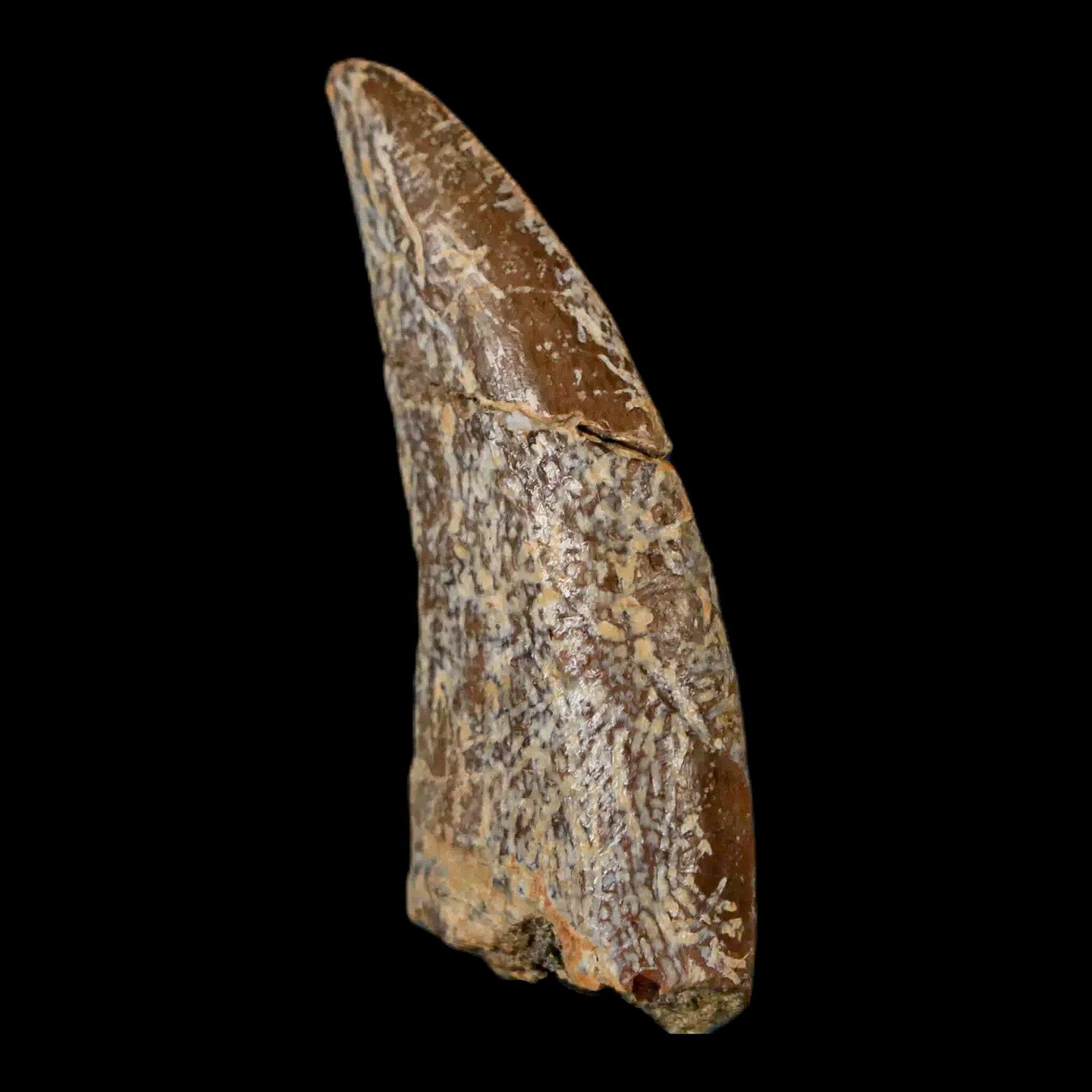
Location: Lance Creek Formation, Weston County, Wyoming (Private Land Origin)
Weight: 0.5 Ounces
Dimensions: 1.5 Inches Long, 0.6 Inches Wide, 0.3 Inches Thick
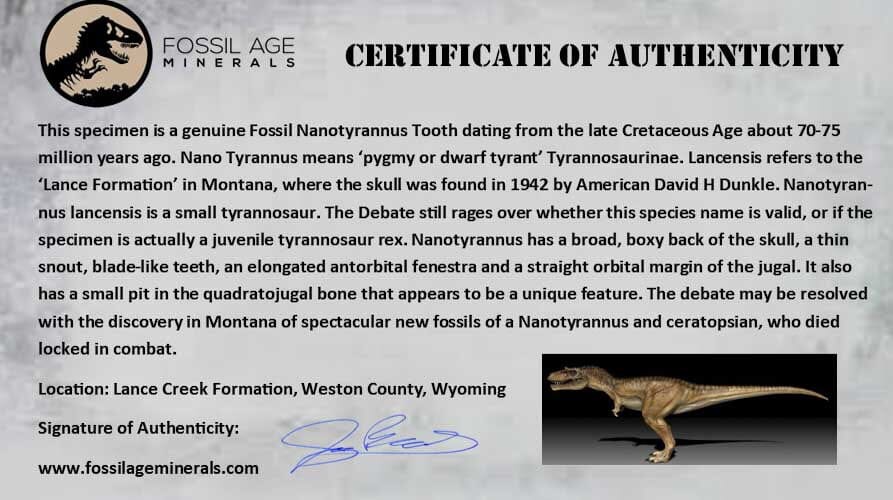
Comes with a Certificate of Authenticity.
The item pictured is the one you will receive.
This is a genuine fossil.
Late Cretaceous, 67 Million Years Old
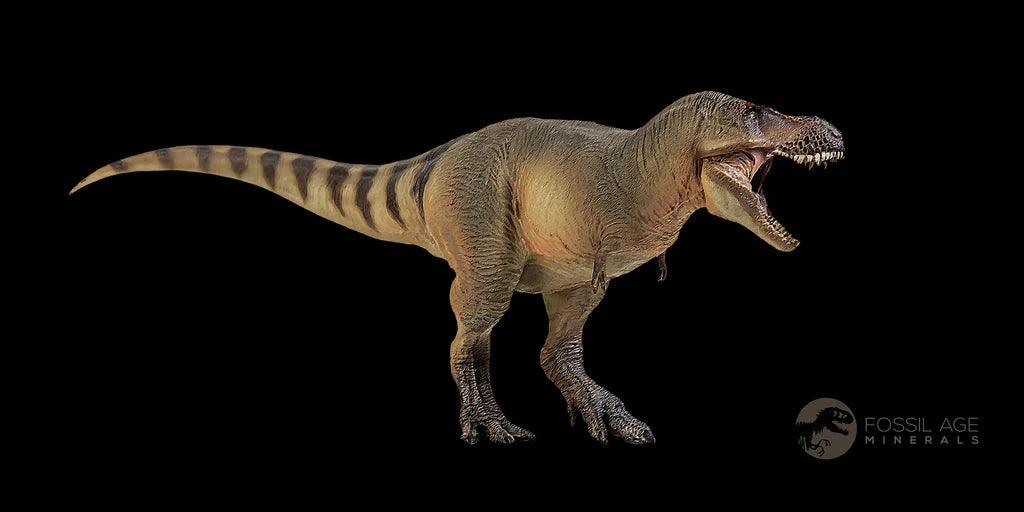
Name: Nanotryannus
Type: Carnivore
Size: 5 meters in length.
Nanotyrannus, meaning “dwarf tyrant,” is a debated genus of tyrannosaurid dinosaurs from the Late Cretaceous period, approximately 72.1 to 66 million years ago. Many paleontologists consider Nanotyrannus to represent a juvenile Tyrannosaurus rex, though its smaller size and unique anatomical features have fueled ongoing debate. Fossil evidence primarily comes from a small skull that exhibits distinct differences from adult T. rex, including higher tooth counts—14–15 teeth per side in the upper jaw and 16 per side in the lower jaw—compared to T. rex’s 11–12 and 11–14 teeth. Additional distinguishing features include partially fused cranial bones.
Despite its smaller size, Nanotyrannus was likely an active predator, possibly hunting in pairs or small groups. Its diet would have included large herbivorous dinosaurs such as ceratopsians and hadrosaurs, using its sharp teeth and agile build to capture or scavenge prey efficiently. Fossils suggest that these juvenile tyrannosaurids had the adaptations needed for both speed and precision in hunting.
The study of Nanotyrannus offers crucial insights into juvenile tyrannosaurid growth, behavior, and ecology, helping scientists understand how young T. rex developed into one of the apex predators of the Late Cretaceous. Its fossil record provides evidence of predatory strategies, dental morphology, and cranial development, making it a significant subject in the study of tyrannosaurid evolution.
Today, Nanotyrannus remains a fascinating focus for paleontologists, fossil collectors, and dinosaur enthusiasts. Its unique combination of small size, high tooth count, and potential pack-hunting behavior highlights the diversity and adaptability of tyrannosaurid dinosaurs in North America during the Late Cretaceous. Whether debated as a separate genus or recognized as a juvenile T. rex, Nanotyrannus continues to provide invaluable information about the life and development of these prehistoric predators.
