


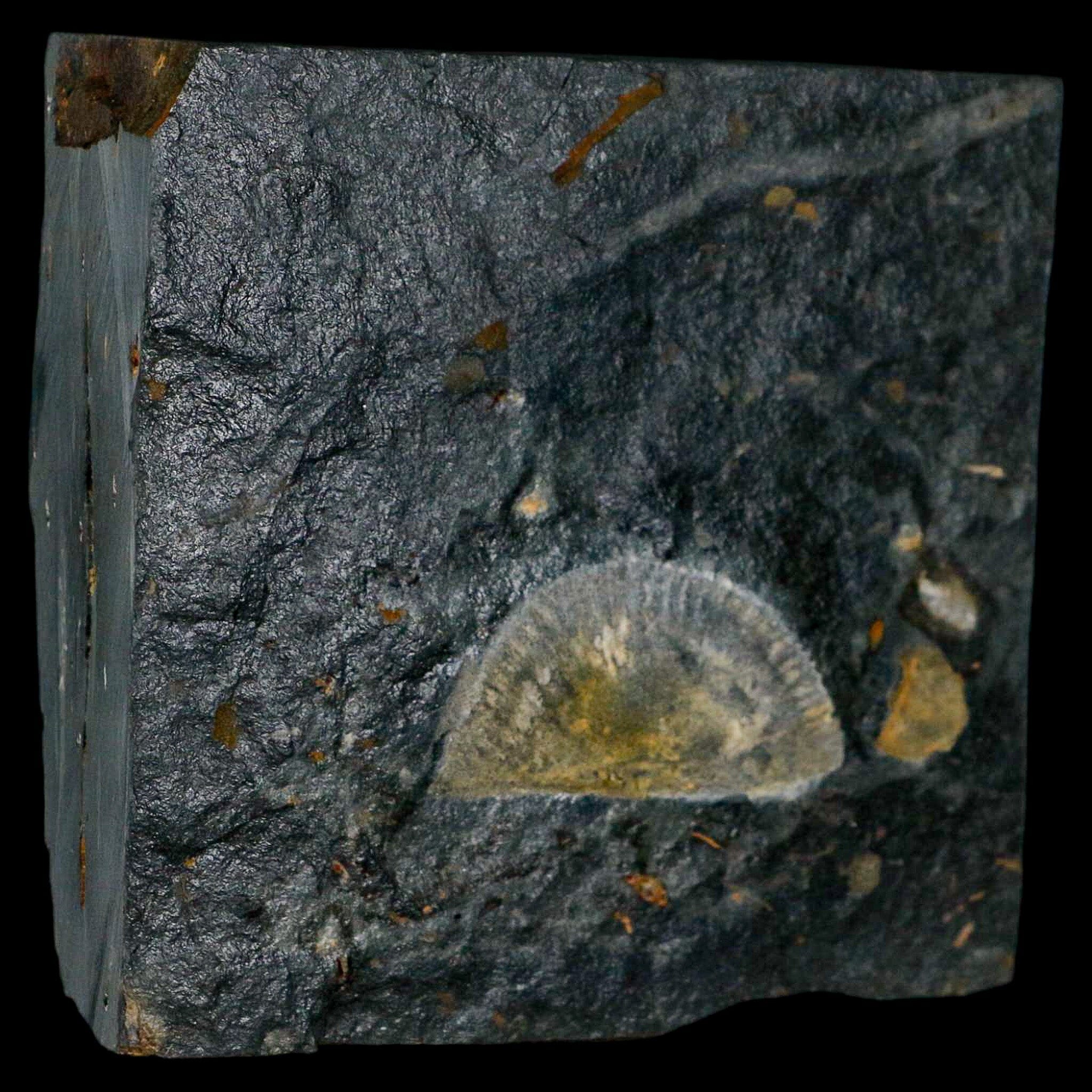

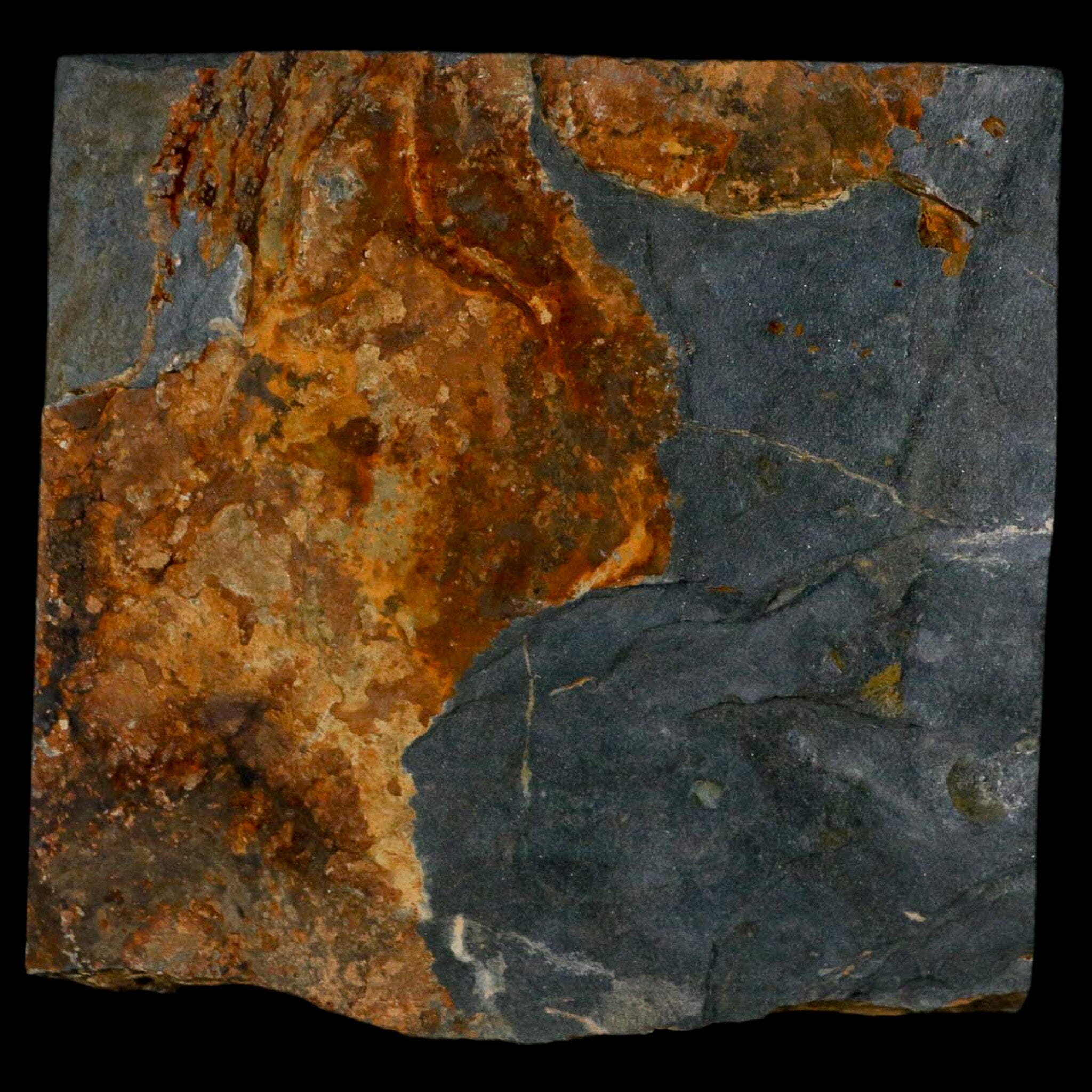


Description
Location: Valongo Formation, Arouca, Portugal
Weight: 1 Pound 1.6 Ounces
Dimensions: 3.7 Inches Long, 3.5 Inches wide, 1.1 Inches Thick (Matrix)
Dimensions: 1.7 Inches Long, 0.9 Inches wide
The item pictured is the one you will receive.
Middle Ordovician Age, 470 Million Years Old.
Paralenorthis sp. is a genus of brachiopods belonging to the class Rhynchonellata, a group of marine invertebrates characterized by their bivalve-like shells. The genus is classified within the phylum Brachiopoda, which has an extensive fossil record dating back to the Cambrian period. The designation sp. indicates an undetermined species within the genus Paralenorthis.
In Portugal, fossils of Paralenorthis sp. are associated with Paleozoic geological formations, a time interval well known for its abundant and diverse brachiopod fauna. These organisms typically lived in shallow marine environments, where sedimentary rock formations such as limestone and shale provided suitable substrates for attachment.
Significant brachiopod fossil beds have been identified in regions including the Lusitanian Basin, an area shaped by complex geological processes and rich in marine fossils. The presence of Paralenorthis sp. in these deposits suggests periods of favorable marine conditions and climates that supported thriving benthic communities.
Morphologically, members of the genus Paralenorthis exhibit features typical of rhynchonellid brachiopods, including two generally symmetrical valves that range from rounded to oval in shape. Shell surfaces may display fine ribbing or ornamentation, which are important for taxonomic identification. Internally, these brachiopods possessed a lophophore, a specialized feeding organ that enabled filter feeding on plankton and organic particles, allowing them to flourish in nutrient-rich Paleozoic seas.