


Description
Location: Judith River Formation, Hill County, Montana (Private Land Origin)
Weight: 0.3 Ounces
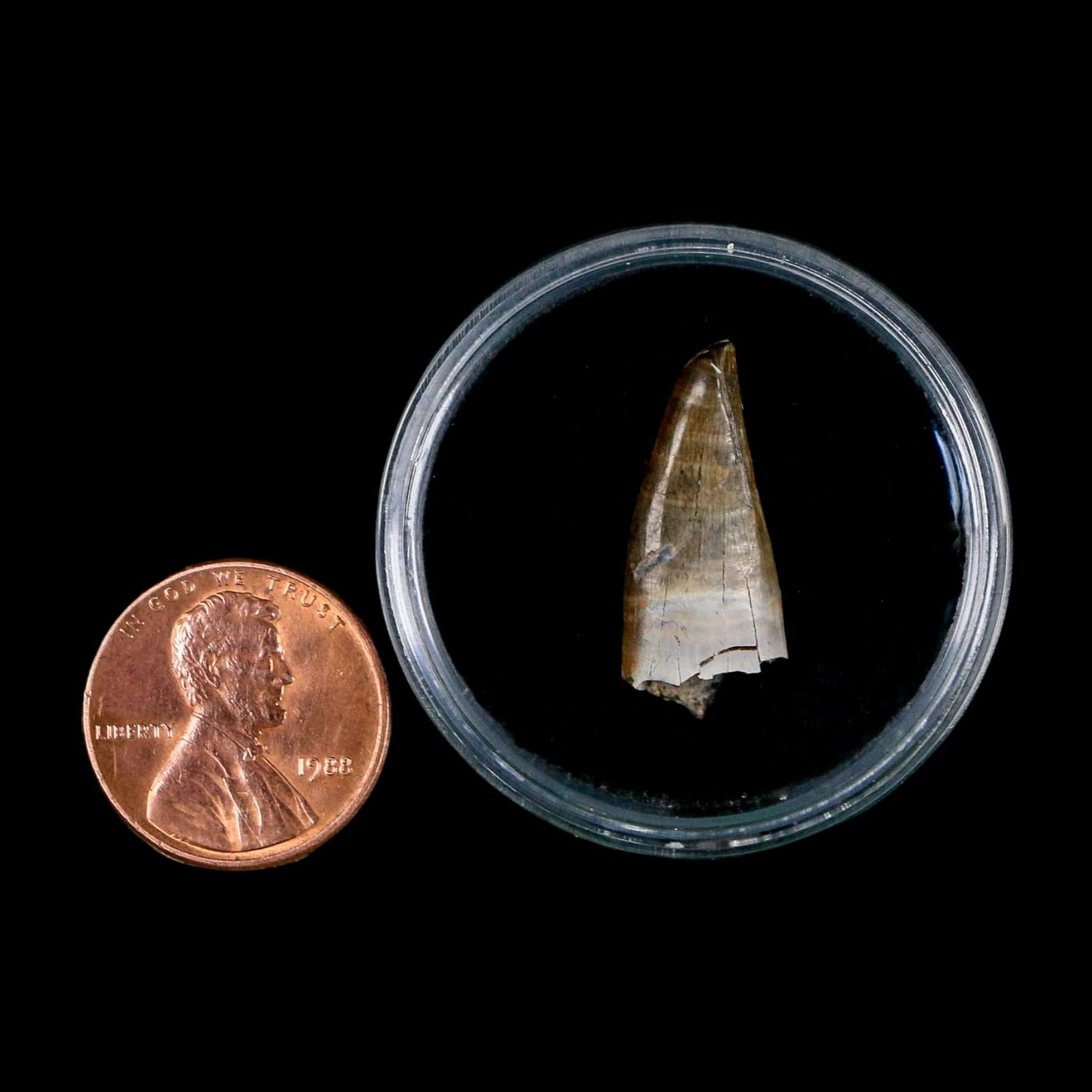
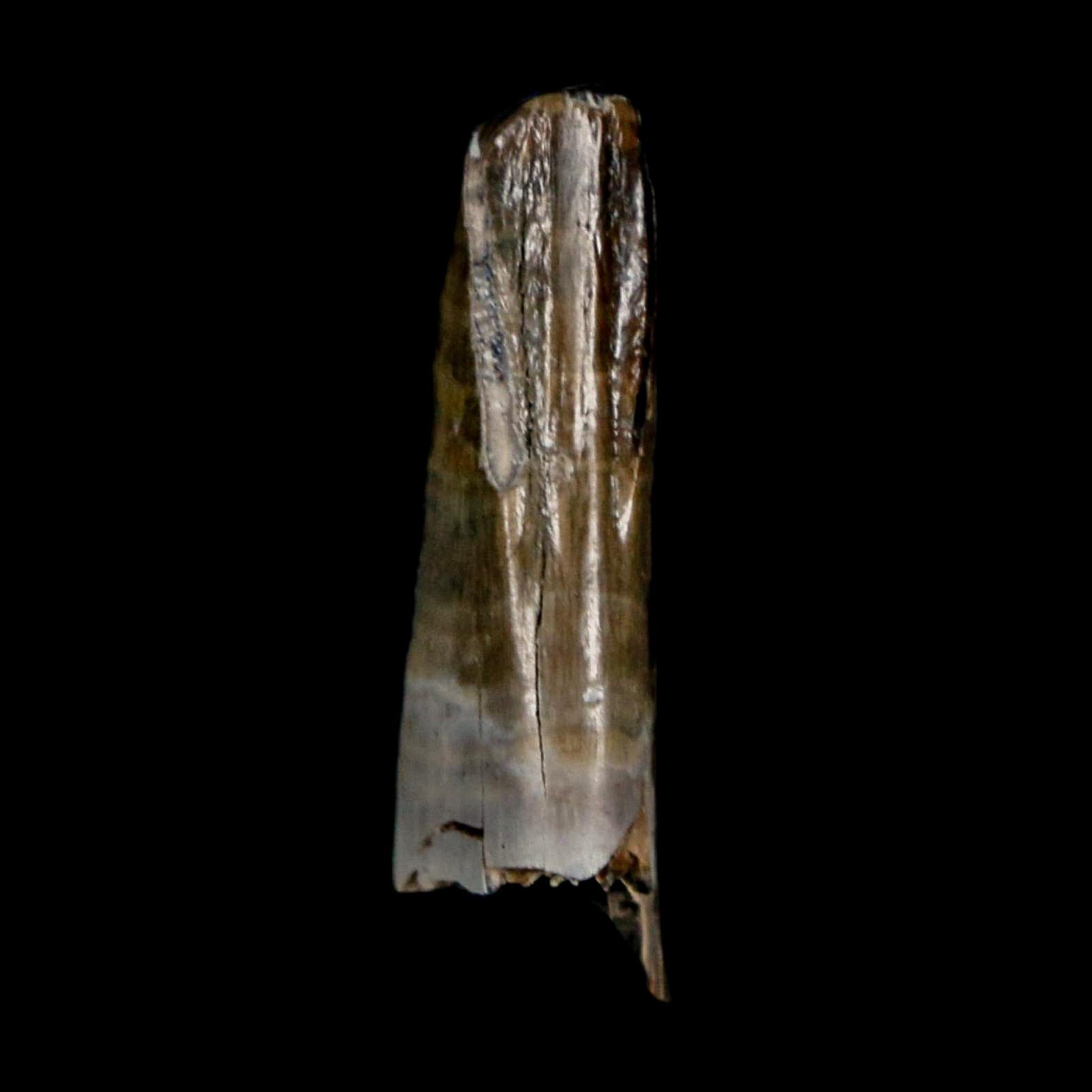
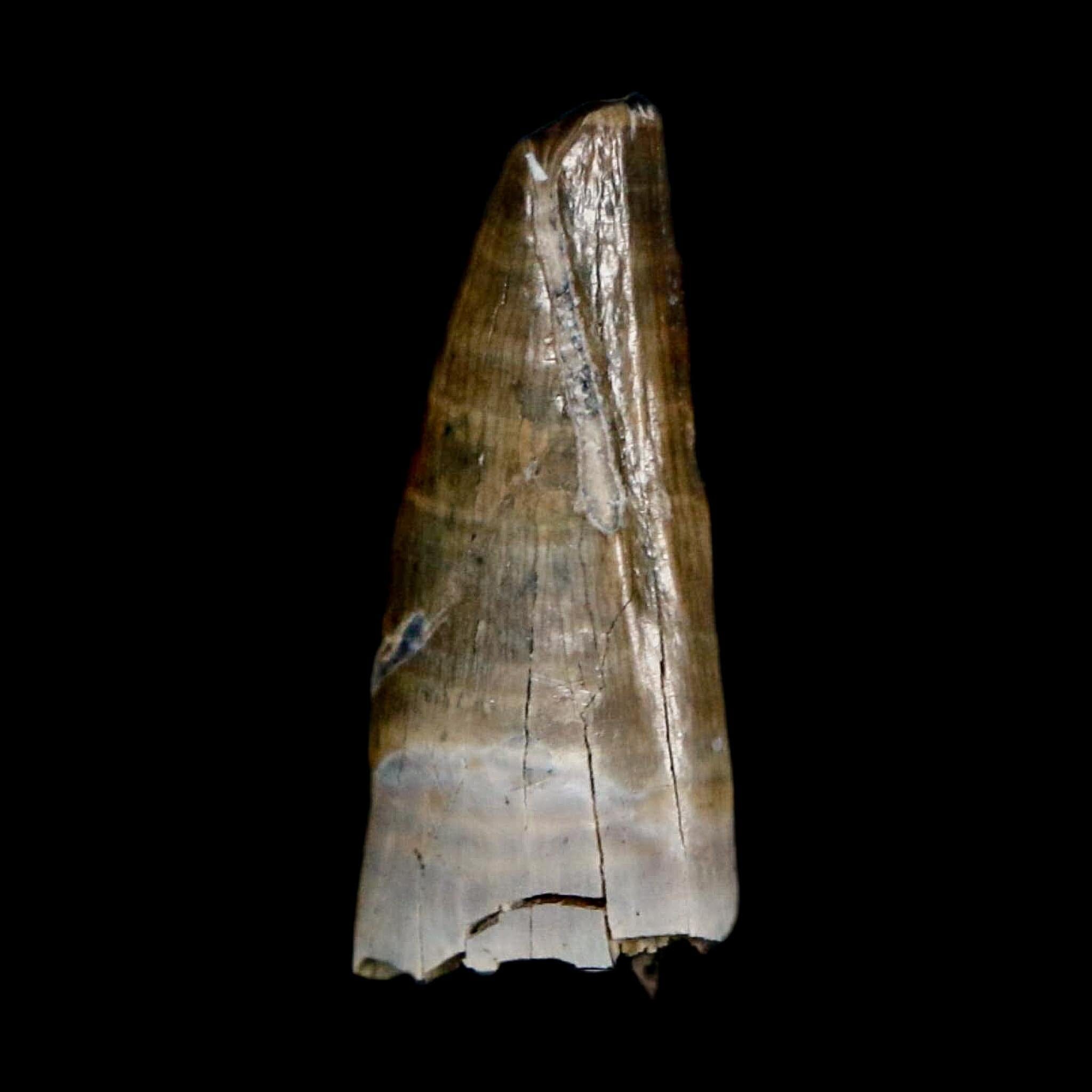
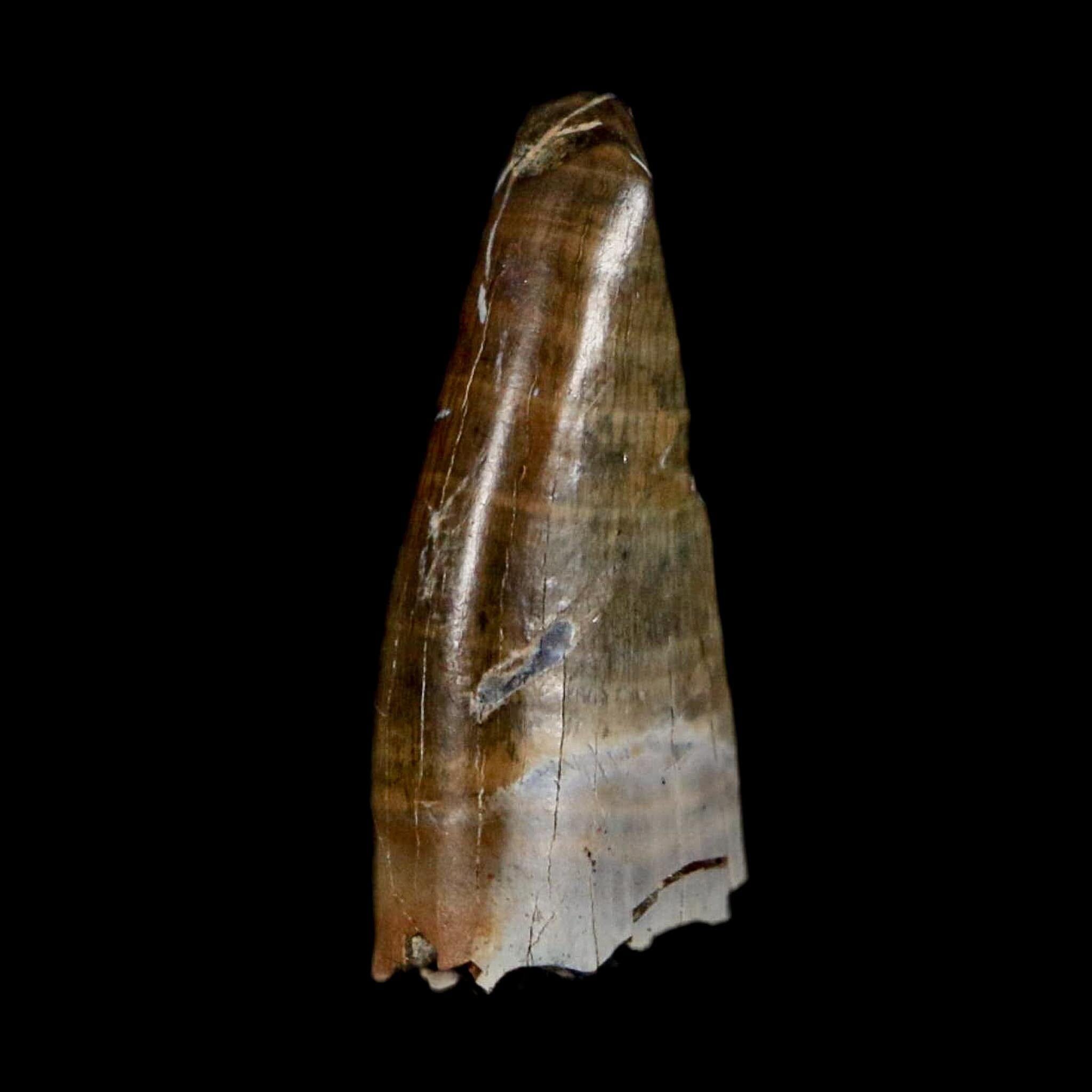
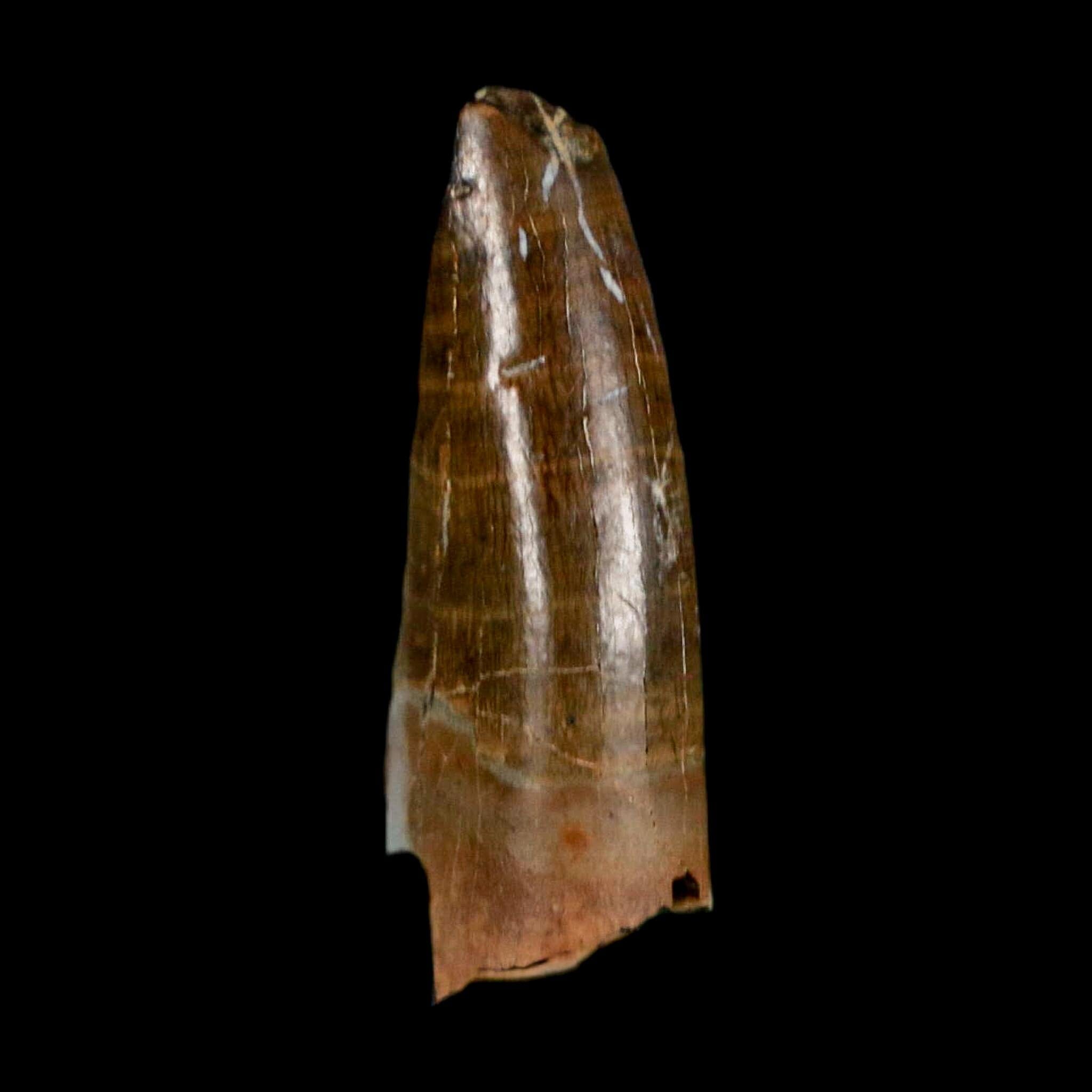
Dimensions: 0.9 Inches Long, 0.4 Inches Wide, 0.3 Inches Thick
Comes with a Free Display.
Comes with a Certificate of Authenticity.
The item pictured is the one you will receive.
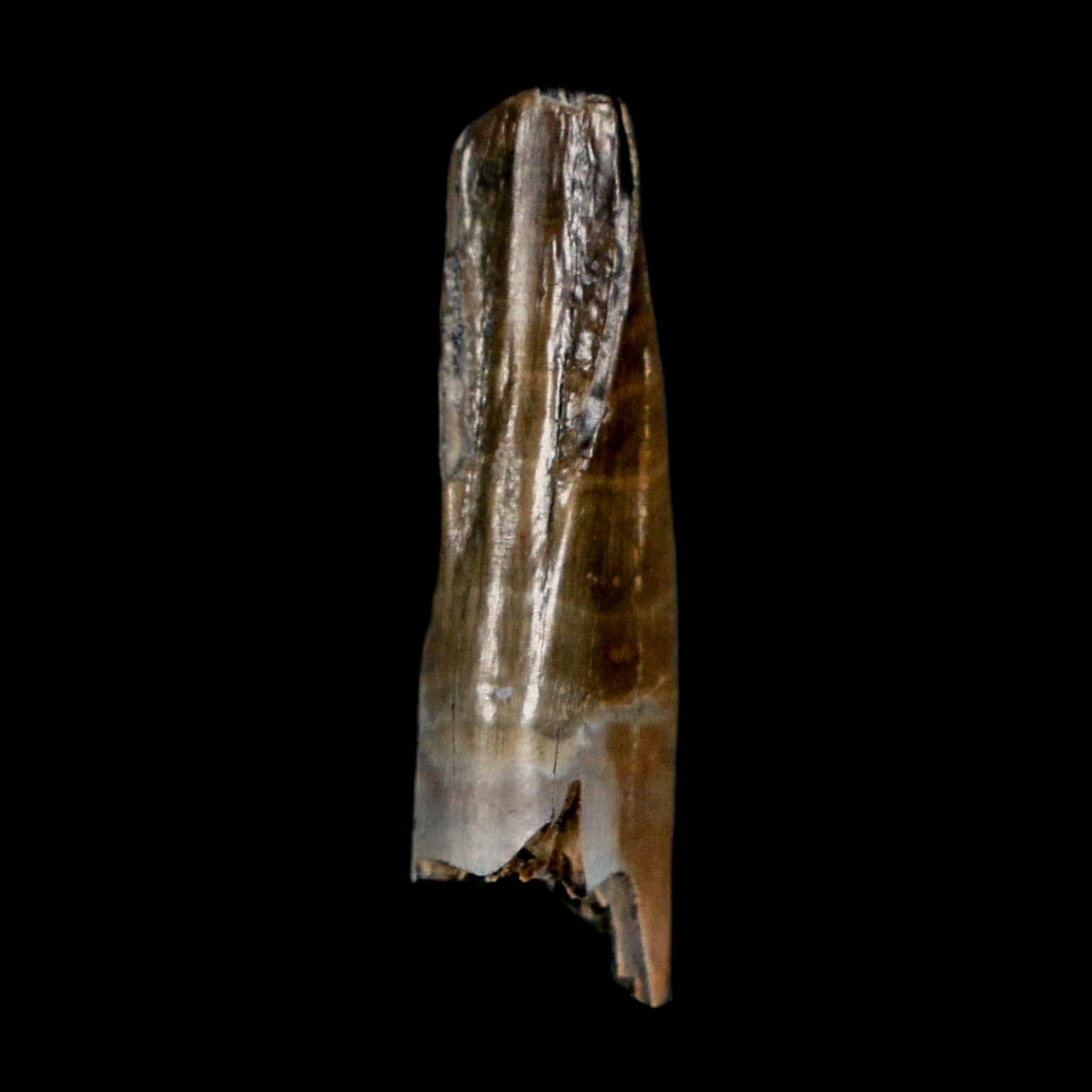
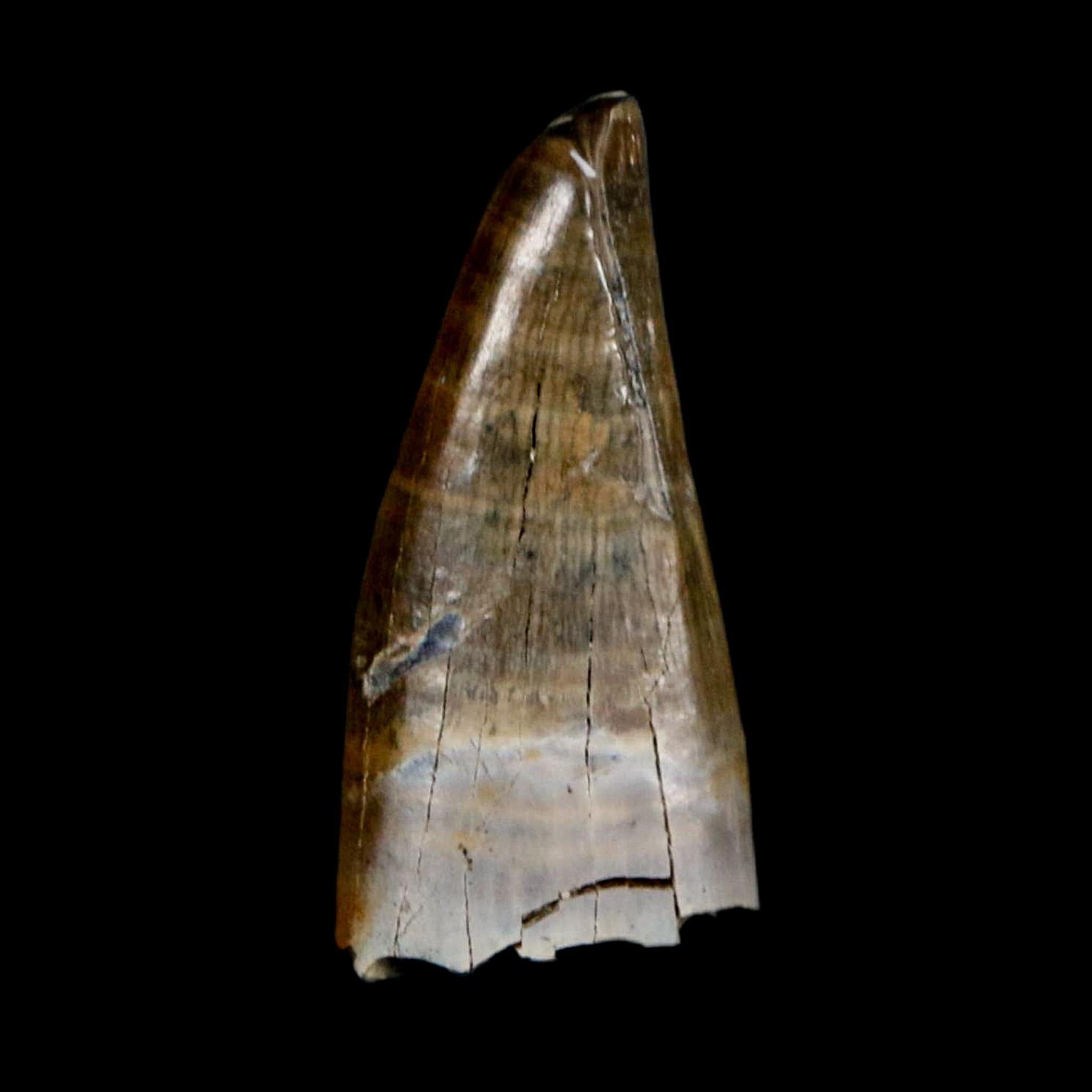
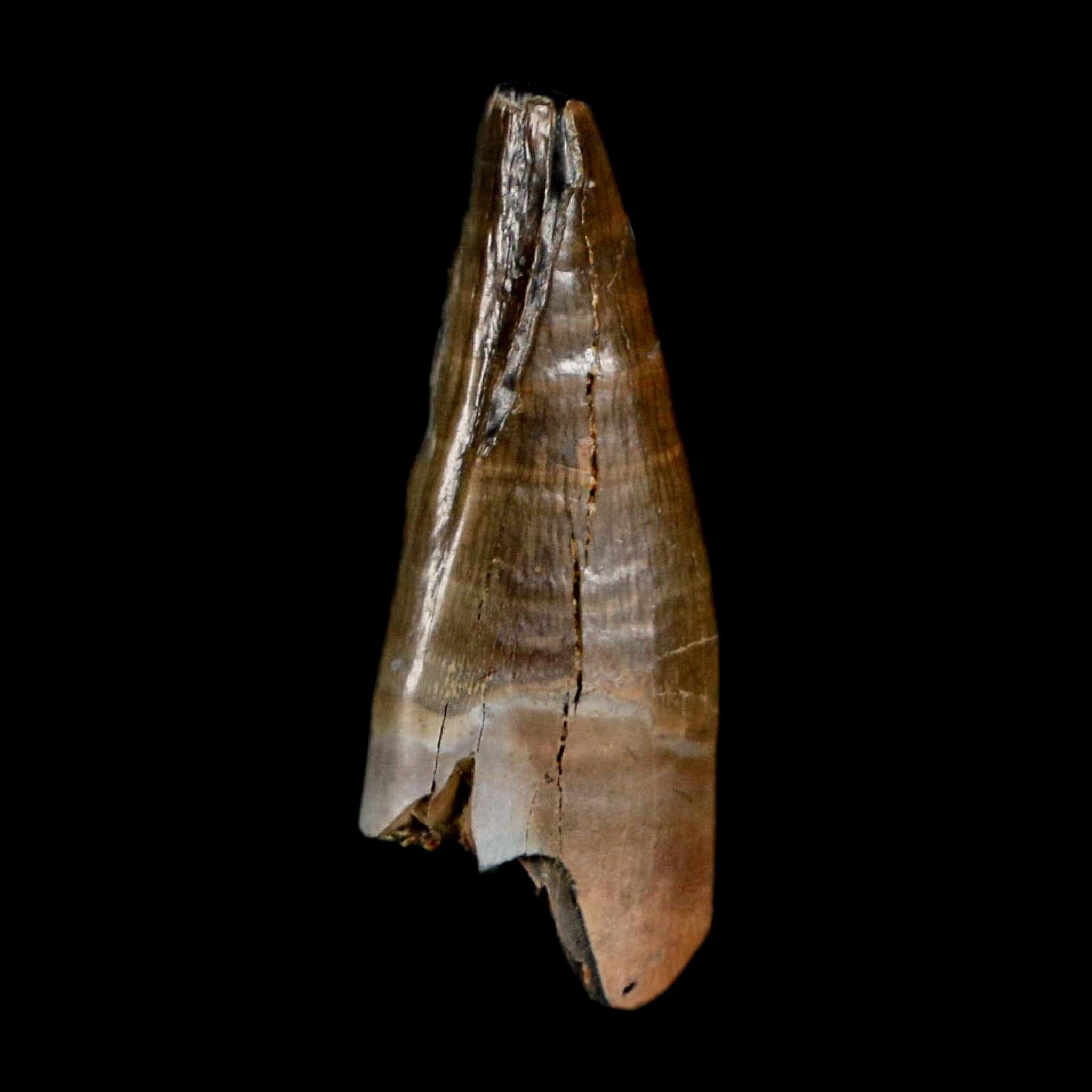
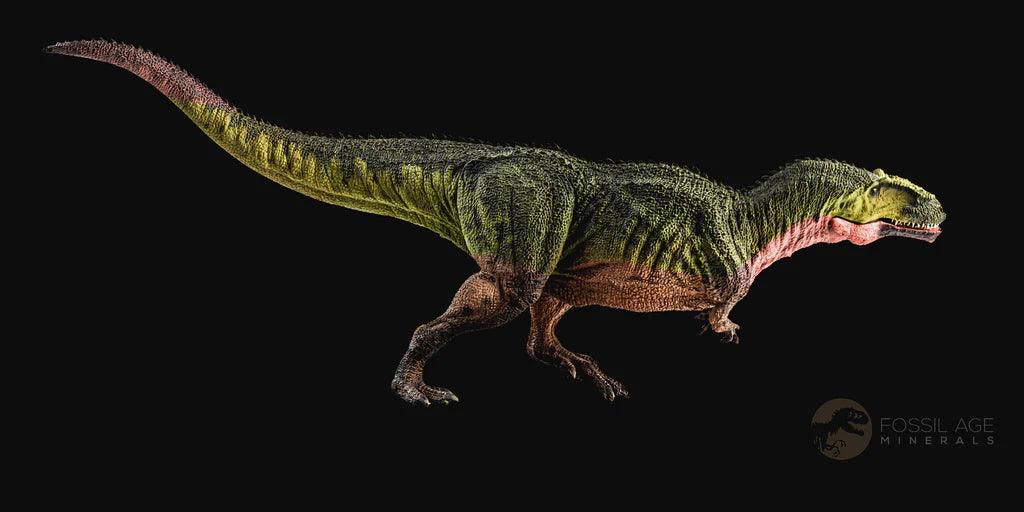
Probably an excellent Gorgosaurus tooth, based on the size and base height of the tooth cross-section
Albertosaurus, Gorgosaurus, and Daspletosaurus
The Judith River Formation, dating to approximately 70 million years ago, is about five million years older than the famous Hell Creek Formation, known for producing Tyrannosaurus rex fossils. During the Late Cretaceous period, northern North America was home to several notable Tyrannosaurs, including Albertosaurus, Daspletosaurus, and Gorgosaurus. Fossils of these apex predators have been recovered from the Judith River Formation in Montana and various formations in Alberta, Canada. These tyrannosaurs are early relatives of T. rex, which appeared at the very end of the Cretaceous, and all three species were smaller than their more famous descendant.
Daspletosaurus and Gorgosaurus were similar in size, coexisting in the same ecosystems at lengths of approximately 30 feet and weights of up to 5,000 pounds. Albertosaurus reached comparable lengths but was lighter, with a maximum weight of 4,000 pounds, and appears to have evolved slightly later than its Judith River Formation relatives.
The teeth of Albertosaurus, Daspletosaurus, and Gorgosaurus share similar size and morphology, making isolated specimens difficult to identify. Daspletosaurus, somewhat larger and part of the same subfamily as Tyrannosaurus rex, likely had dental features most similar to T. rex. In contrast, Albertosaurus teeth are smaller and more slender, specialized for slicing prey.
These exquisitely preserved Late Cretaceous tyrannosaur teeth from northern North America provide valuable insight into the evolution of Tyrannosaurus rex and its early relatives, highlighting the diversity, size, and predatory adaptations of apex predators in Late Cretaceous ecosystems.
