
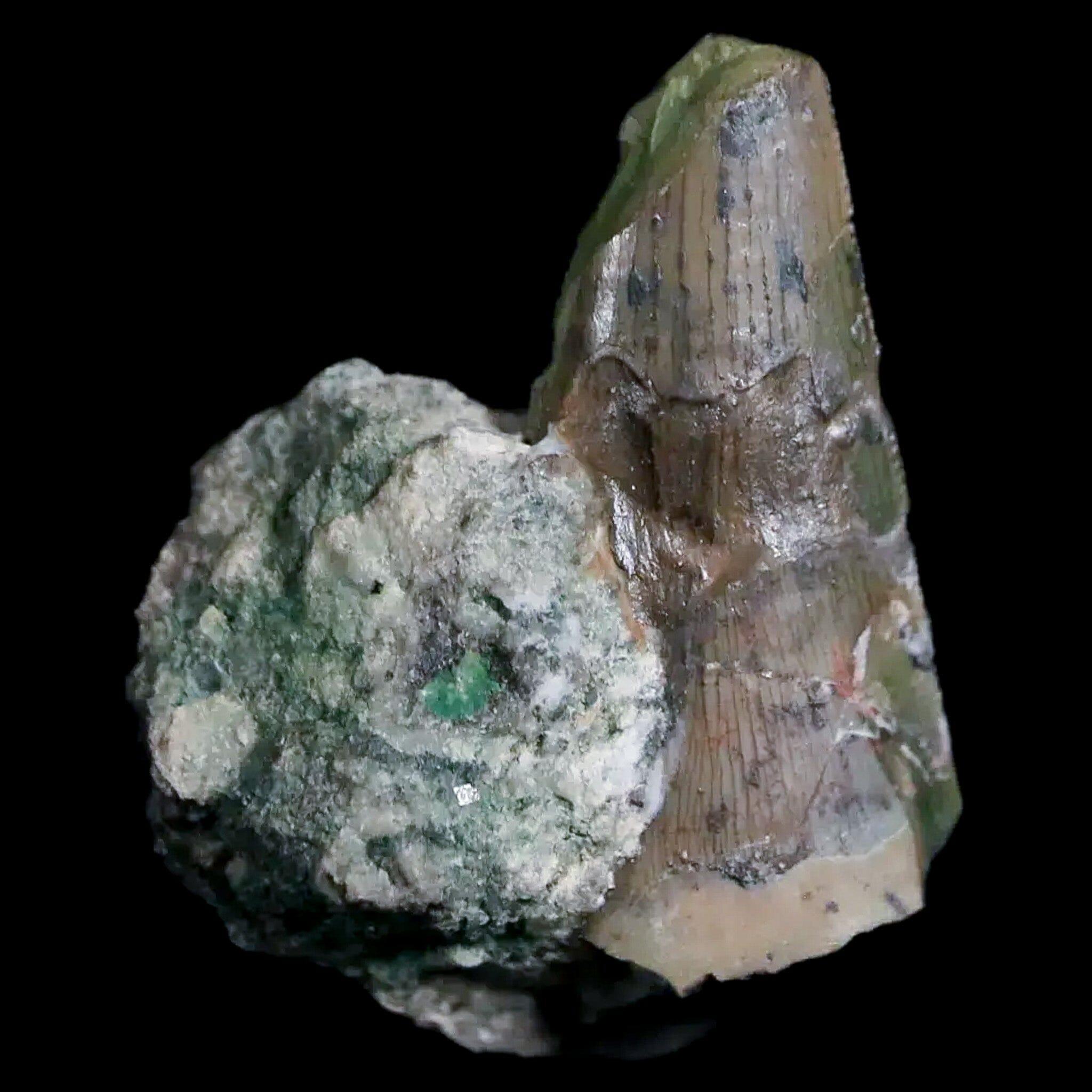
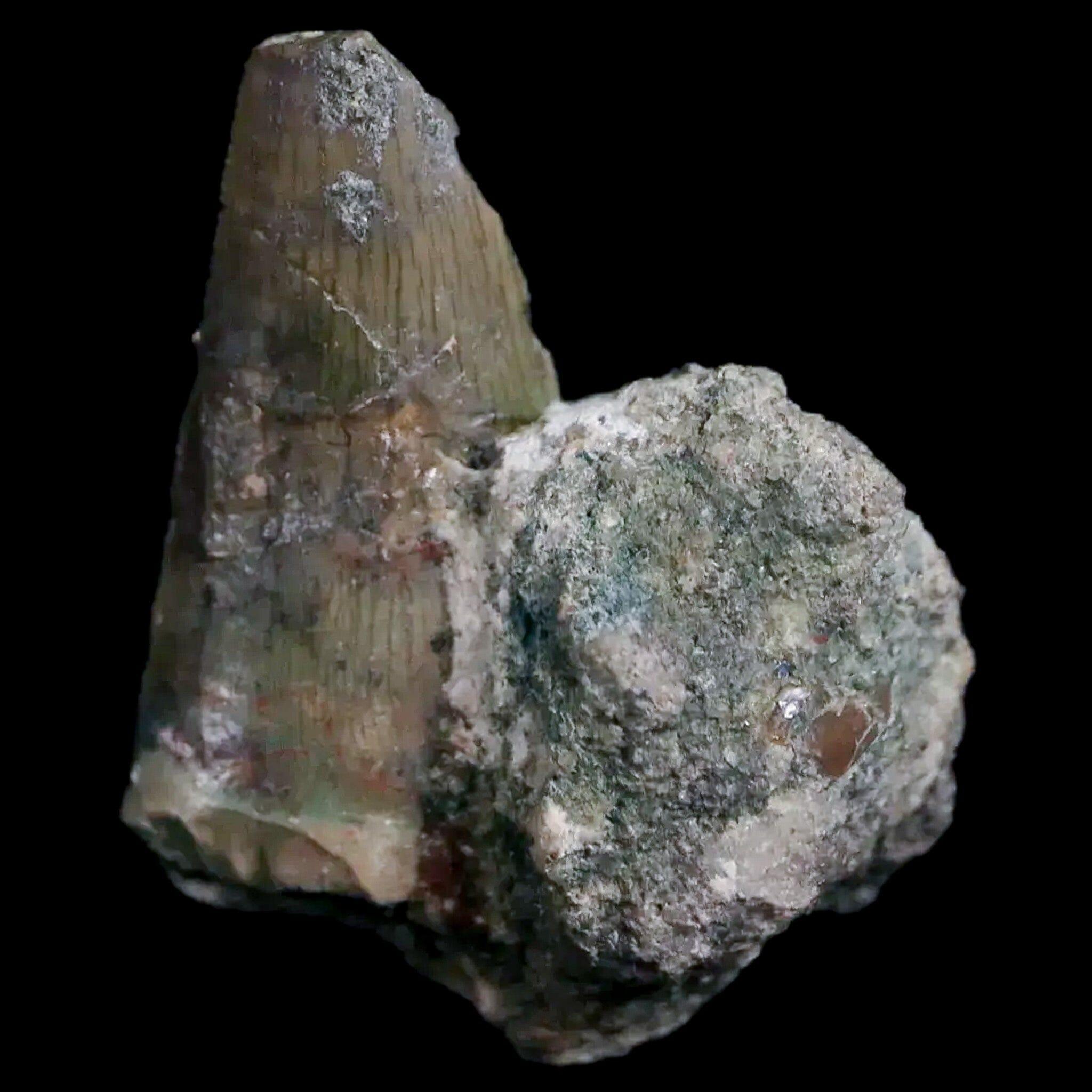
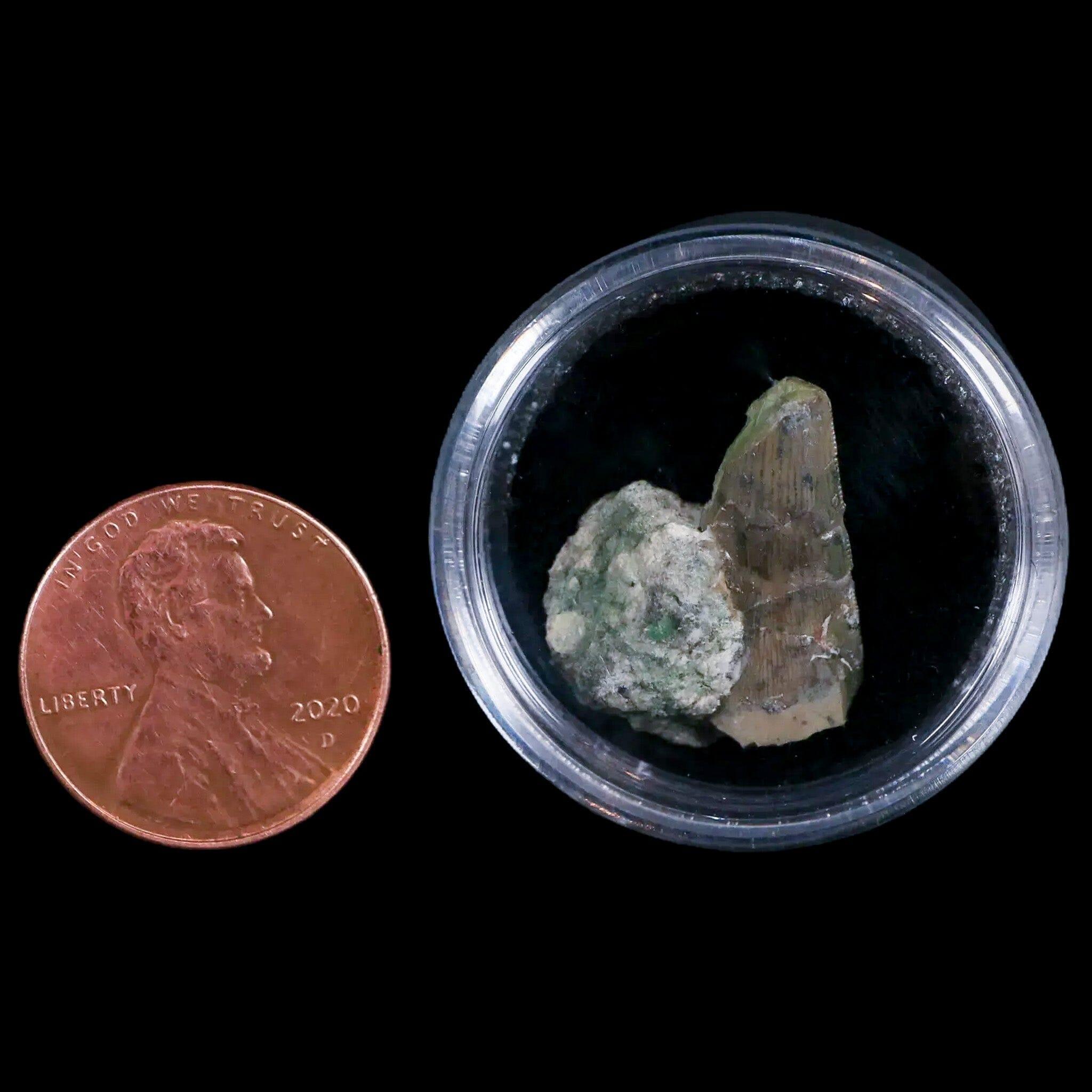
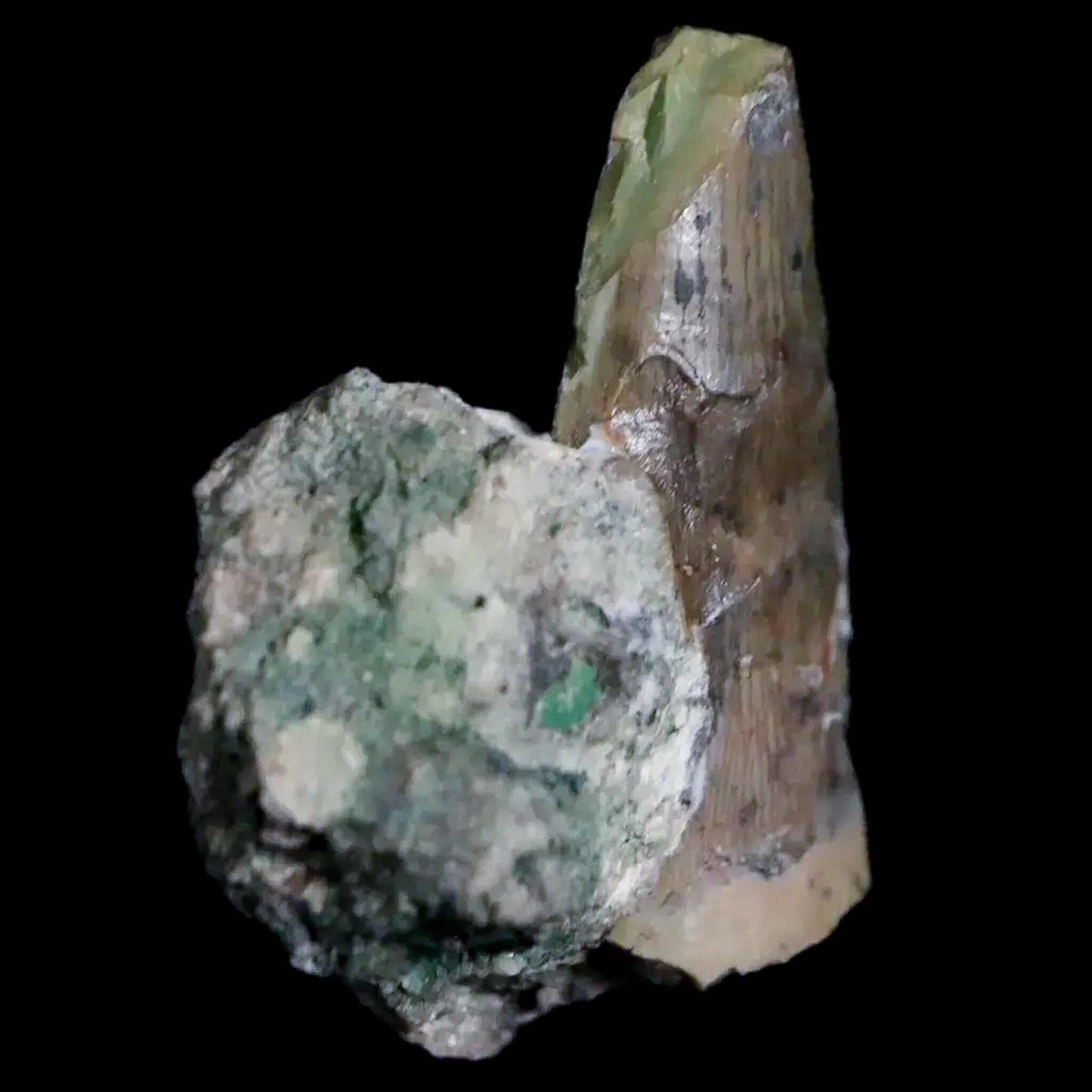
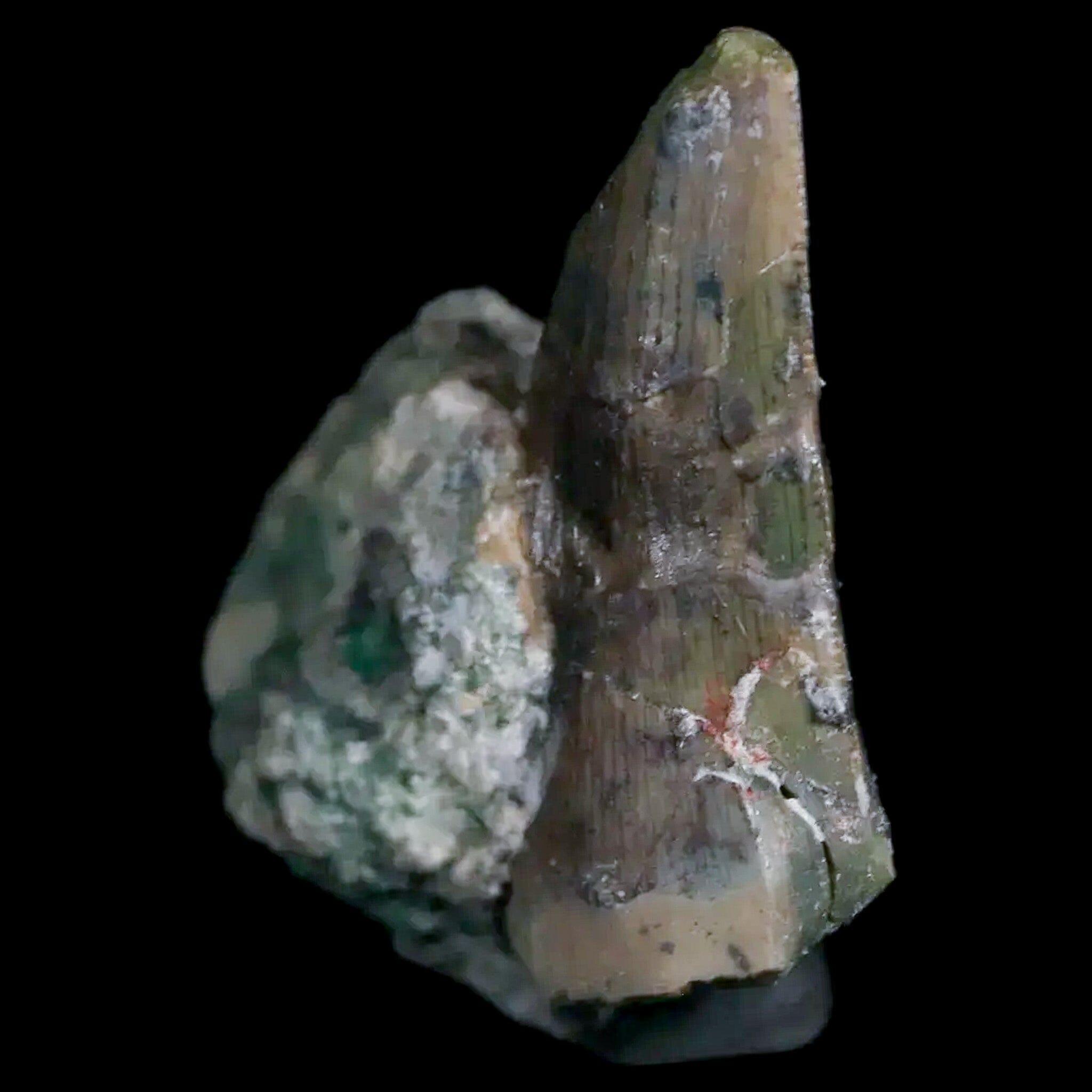
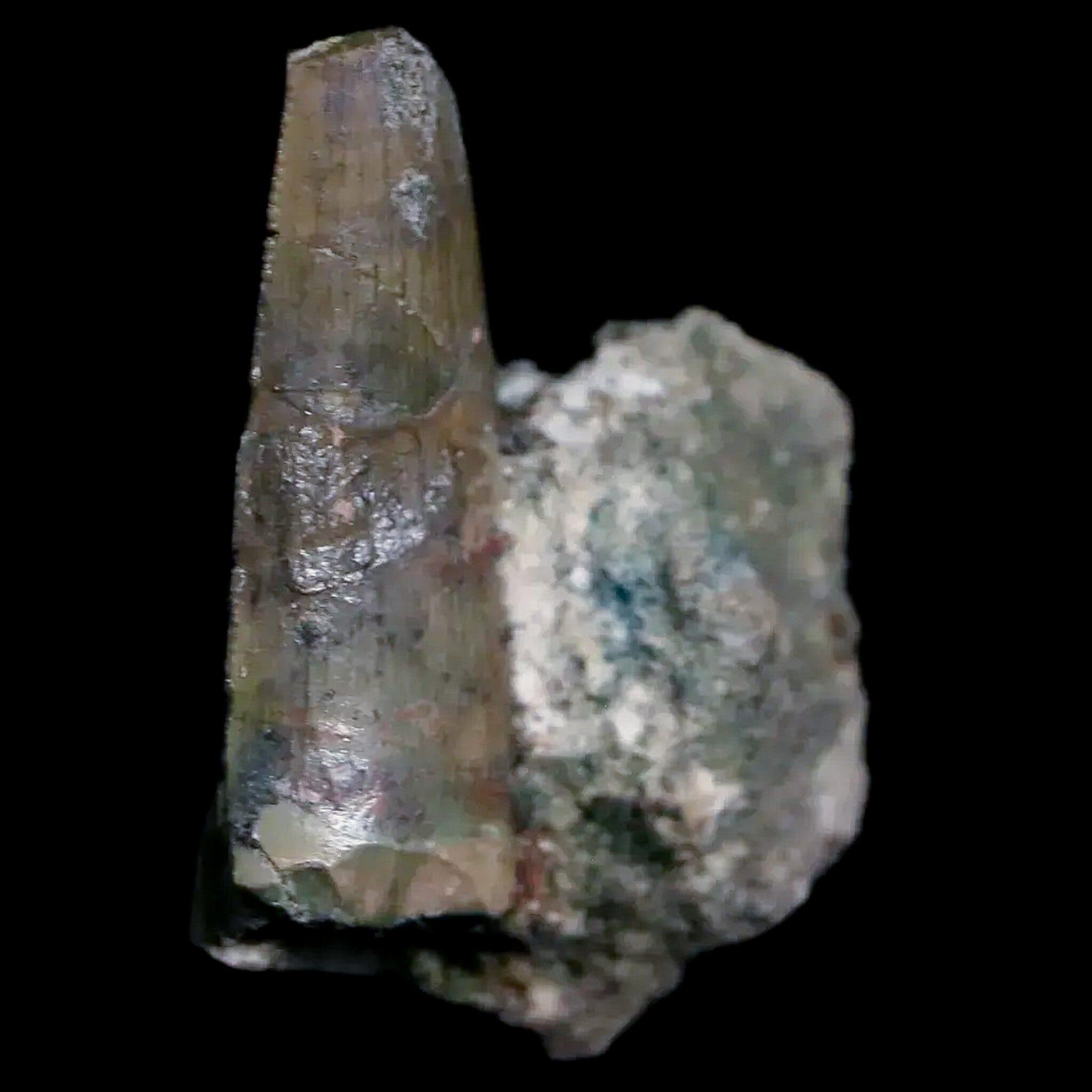
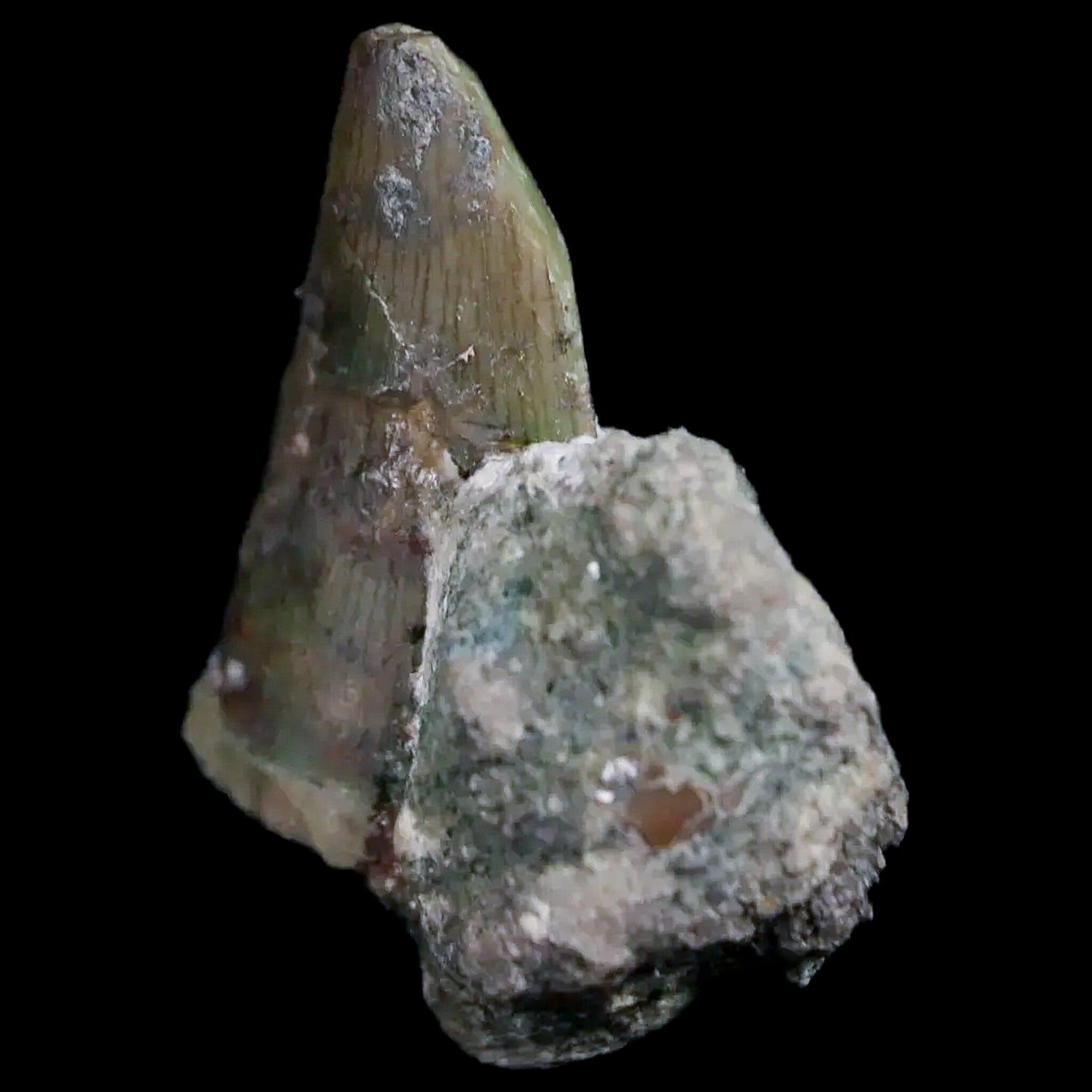


Description
Location: Chinle Formation, Arizona (Private Land Origin)
Weight: 0.3 Ounces
Dimensions: 0.7 Inches Long, 0.4 Inches Wide, 0.2 Inches Thick
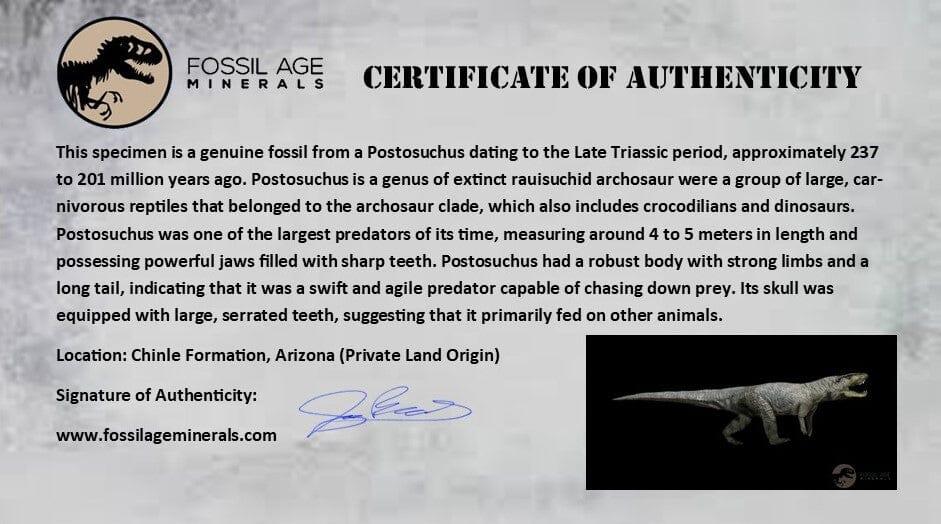
Comes with a Certificate of Authenticity.
Comes with a Free Display.
The item pictured is the one you will receive.
This is a genuine fossil.
Late Triassic, 237 to 201 million years old.
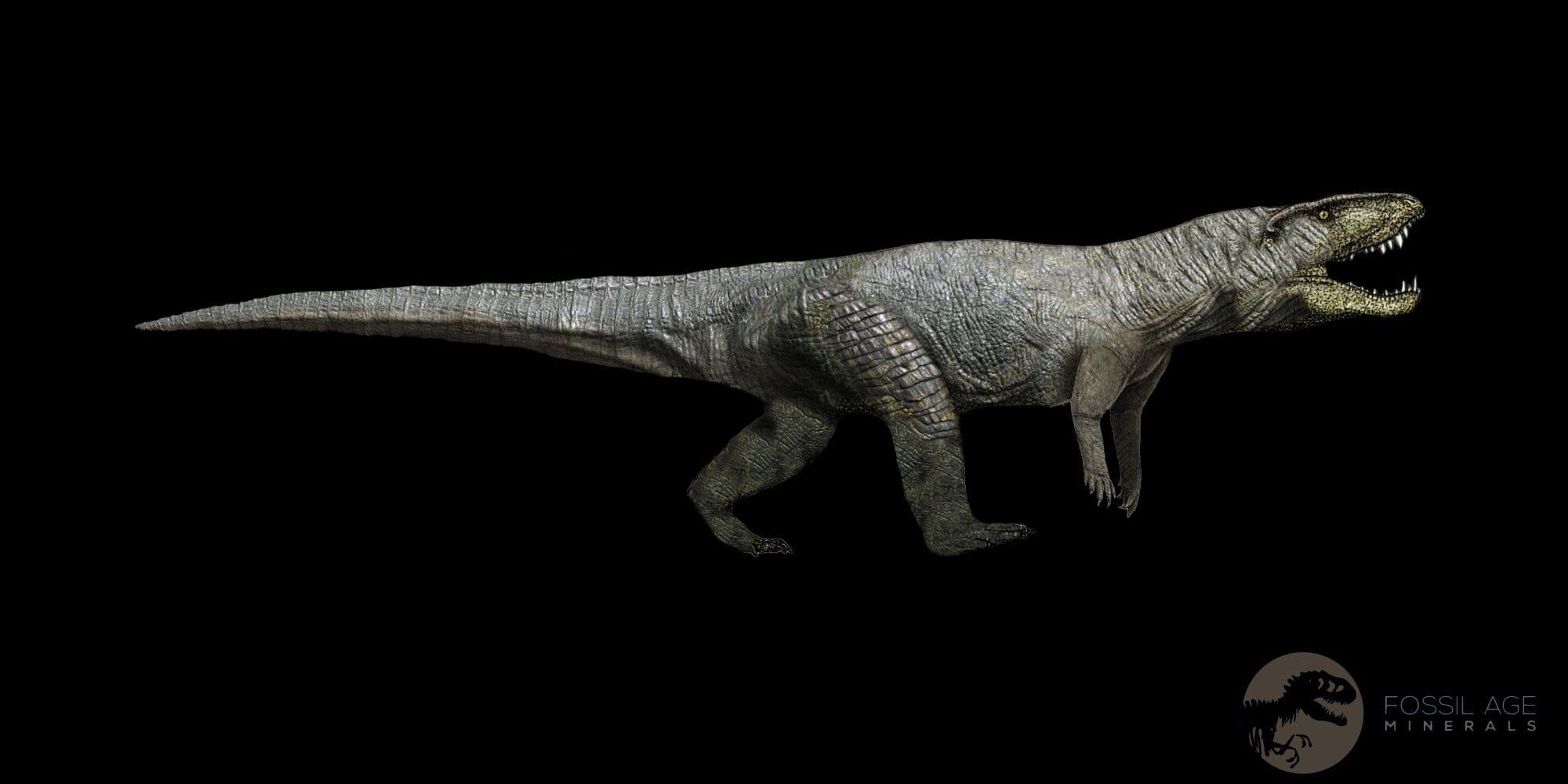
Postosuchus is an extinct genus of rauisuchid archosaur that lived during the Late Triassic period (237–201 million years ago). As part of the archosaur clade, which also includes crocodilians and dinosaurs, Postosuchus was one of the largest terrestrial predators of its era. It measured approximately 4 to 5 meters in length and had powerful jaws lined with sharp, serrated teeth, making it a formidable carnivorous hunter.
Postosuchus was a powerful Late Triassic predator with a sturdy, muscular frame, strong legs, and a long tail that provided balance and agility while hunting. Its skull housed large, serrated teeth perfectly suited for capturing and slicing prey, confirming its carnivorous lifestyle. The anatomy of Postosuchus exhibits traits similar to both crocodilians and early dinosaurs, positioning it as a key member of the archosaur lineage and a dominant predator of its era.
This 0.7" Postosuchus tooth originates from Late Triassic strata of Arizona's Chinle Formation, preserving evidence of life during Pangaea's dominance. Postosuchus specimens have fundamentally advanced our understanding of rauisuchid paleobiology and their ecological positioning within Triassic communities. As an apex carnivore, Postosuchus commanded the food web, actively pursuing smaller reptilian fauna and proto-mammalian prey across floodplain environments. Dental morphology and taphonomic evidence from such specimens illuminate feeding strategies and dietary specialization among early archosaurs. Authenticated with Certificate of Authenticity, this fossil tooth represents a direct window into the predatory dynamics and faunal composition of one of Earth's most transformative geological periods.
