

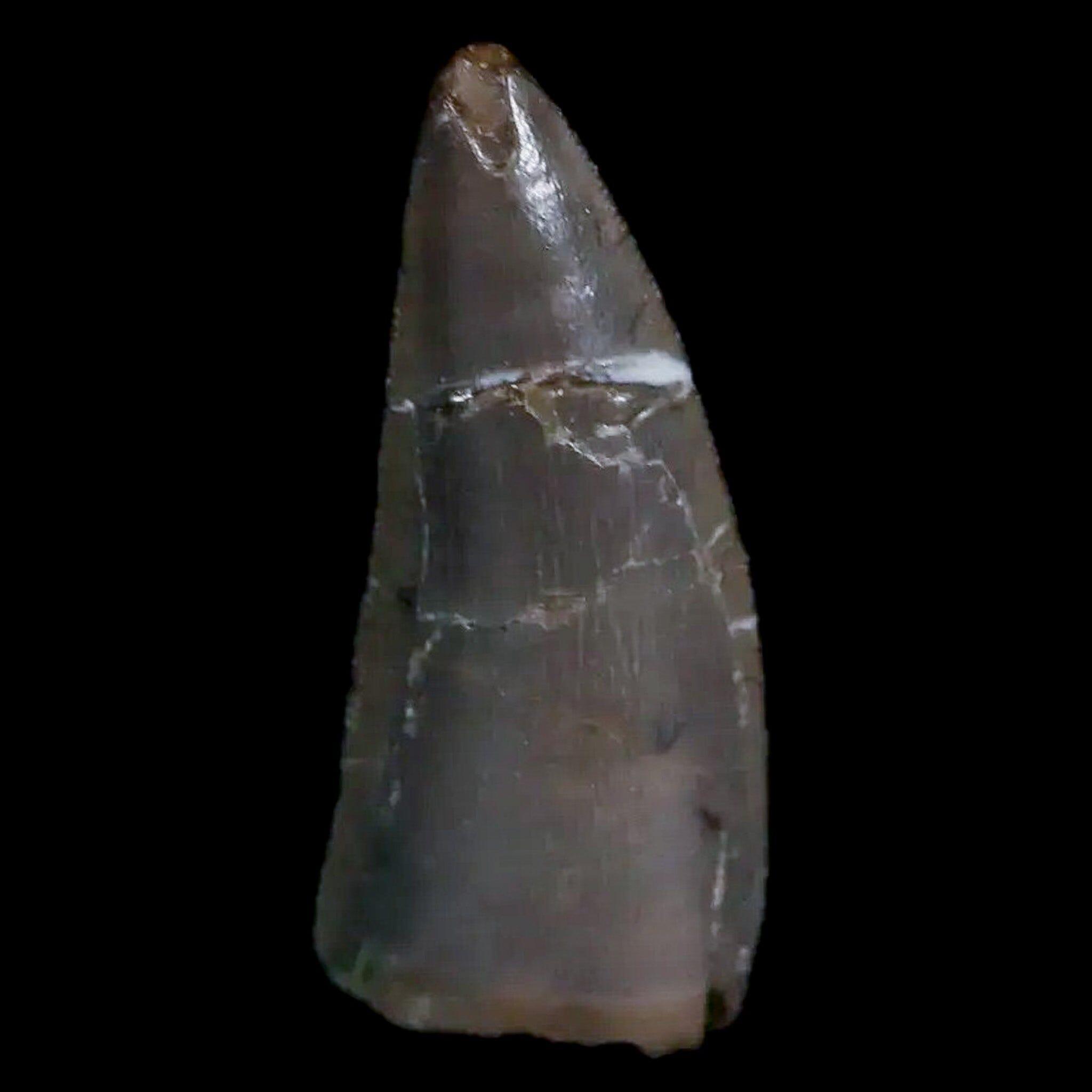


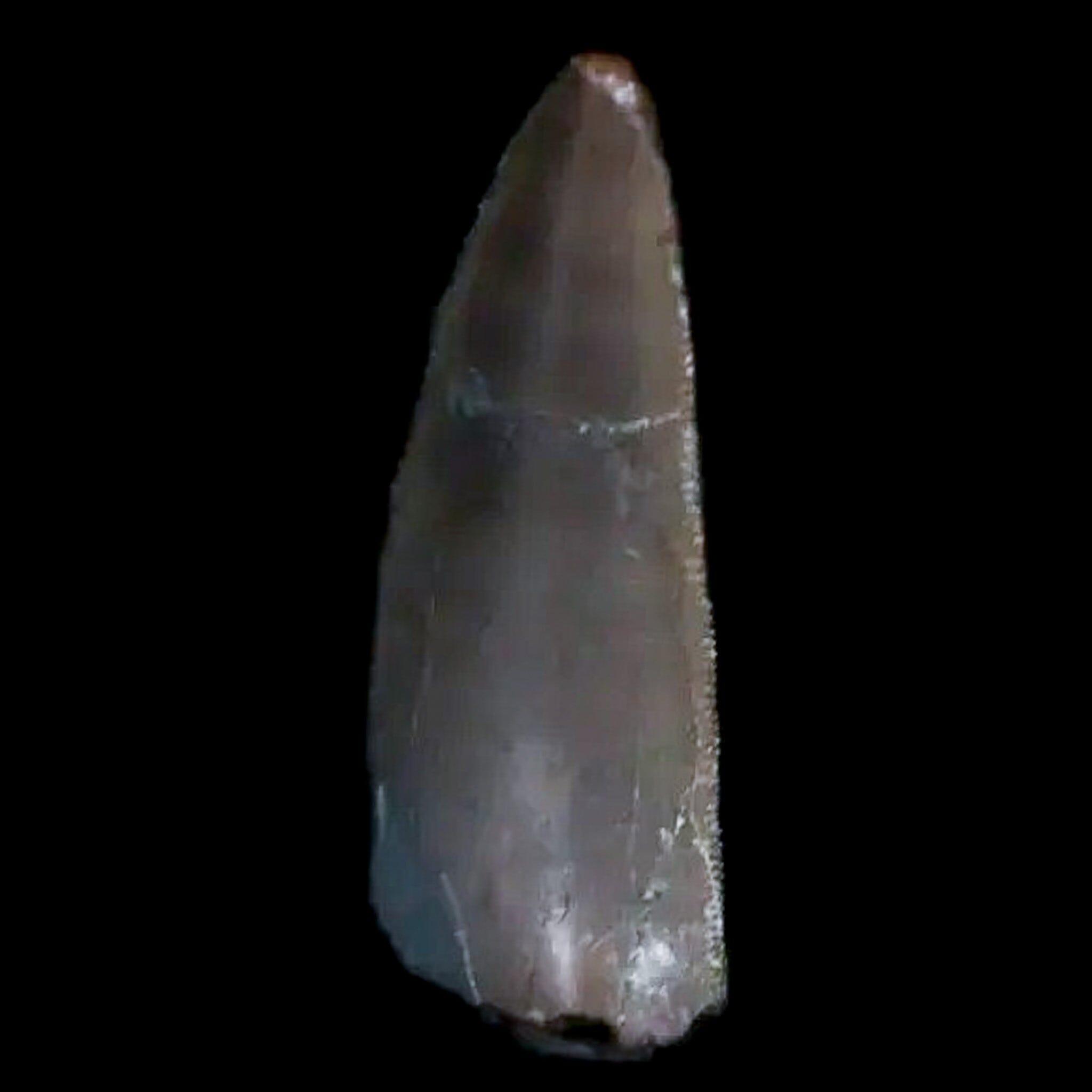


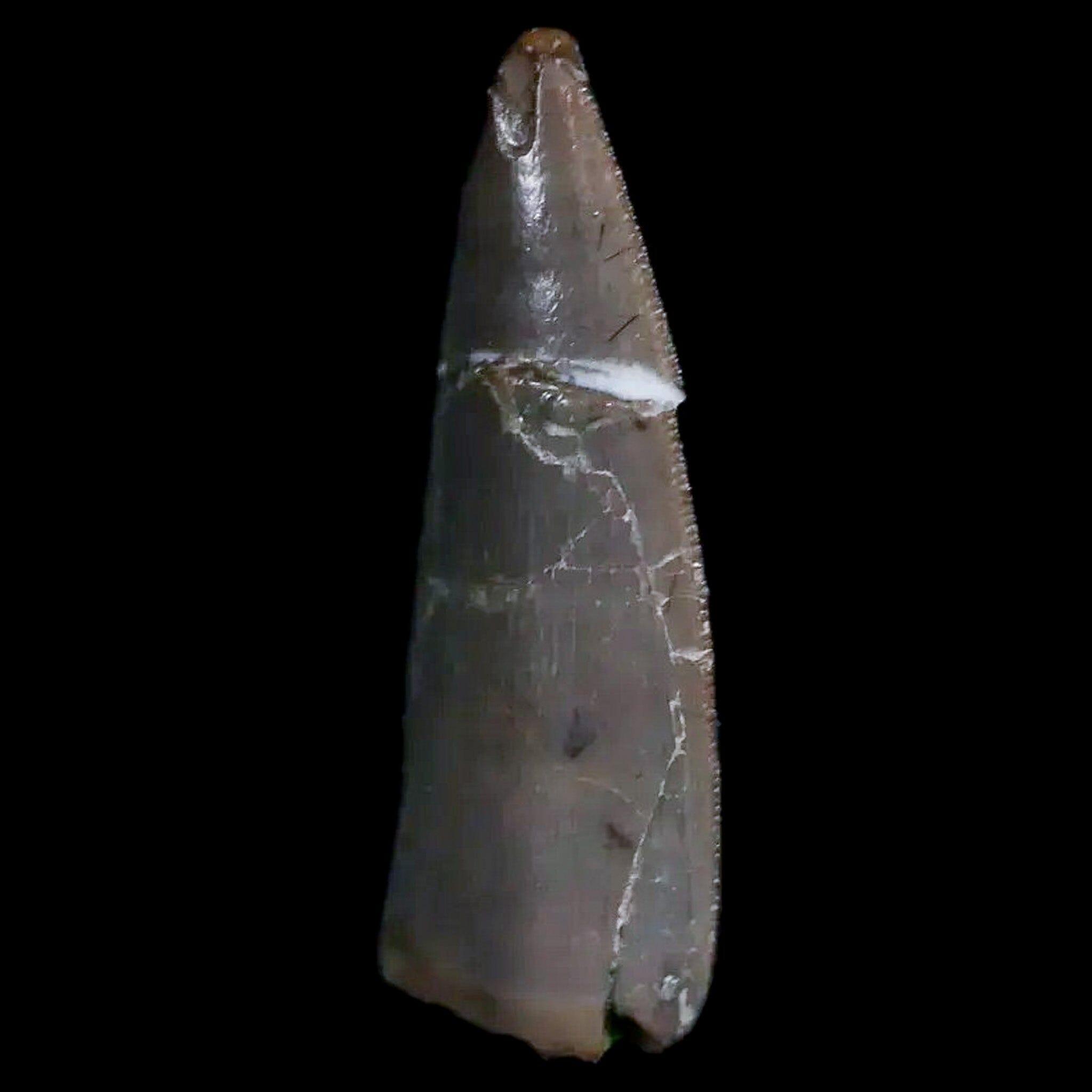


Description
Location: Chinle Formation, Arizona (Private Land Origin)
Weight: 0.3 Ounces
Dimensions: 0.5 Inches Long, 0.2 Inches Wide, 0.2 Inches Thick
Comes with a Certificate of Authenticity.
Comes with a Free Display.
The item pictured is the one you will receive.
This is a genuine fossil.
Late Triassic, 237 to 201 million years old.
Postosuchus represents a formidable genus within the rauisuchid family, a lineage of apex carnivores that flourished during the Late Triassic epoch between 237 and 201 million years ago. As a member of the broader archosaur clade—which encompasses modern crocodilians and dinosaurs—this reptile dominated its paleoenvironment as one of the era's premier predators. Reaching lengths of 4 to 5 meters, Postosuchus wielded a robust cranium armed with powerful dentition, establishing its position as a formidable hunter within Mesozoic ecosystems.
This rauisuchid archosaur possessed a powerfully constructed frame supported by muscular limbs and an elongated tail, enabling rapid pursuit of prey across Triassic landscapes. Its formidable dentition—characterized by sharp, serrated edges—was optimized for carnivorous feeding, reflecting a specialized predatory lifestyle. Postosuchus's skeletal morphology exhibits a mosaic of features bridging crocodilian and dinosaurian characteristics, positioning it as a pivotal early archosaur that illuminates the evolutionary divergence of these major reptilian groups.
Postosuchus specimens recovered from North American deposits reveal the predatory dominance of rauisuchids throughout the Late Triassic era, when Pangaea still unified the continents. These fossil remains illuminate the evolutionary trajectory and ecological positioning of this archosaur lineage. As an apex predator within its paleoenvironment, Postosuchus occupied a critical trophic level, actively hunting smaller reptilian fauna and proto-mammalian species that shared its habitat.
