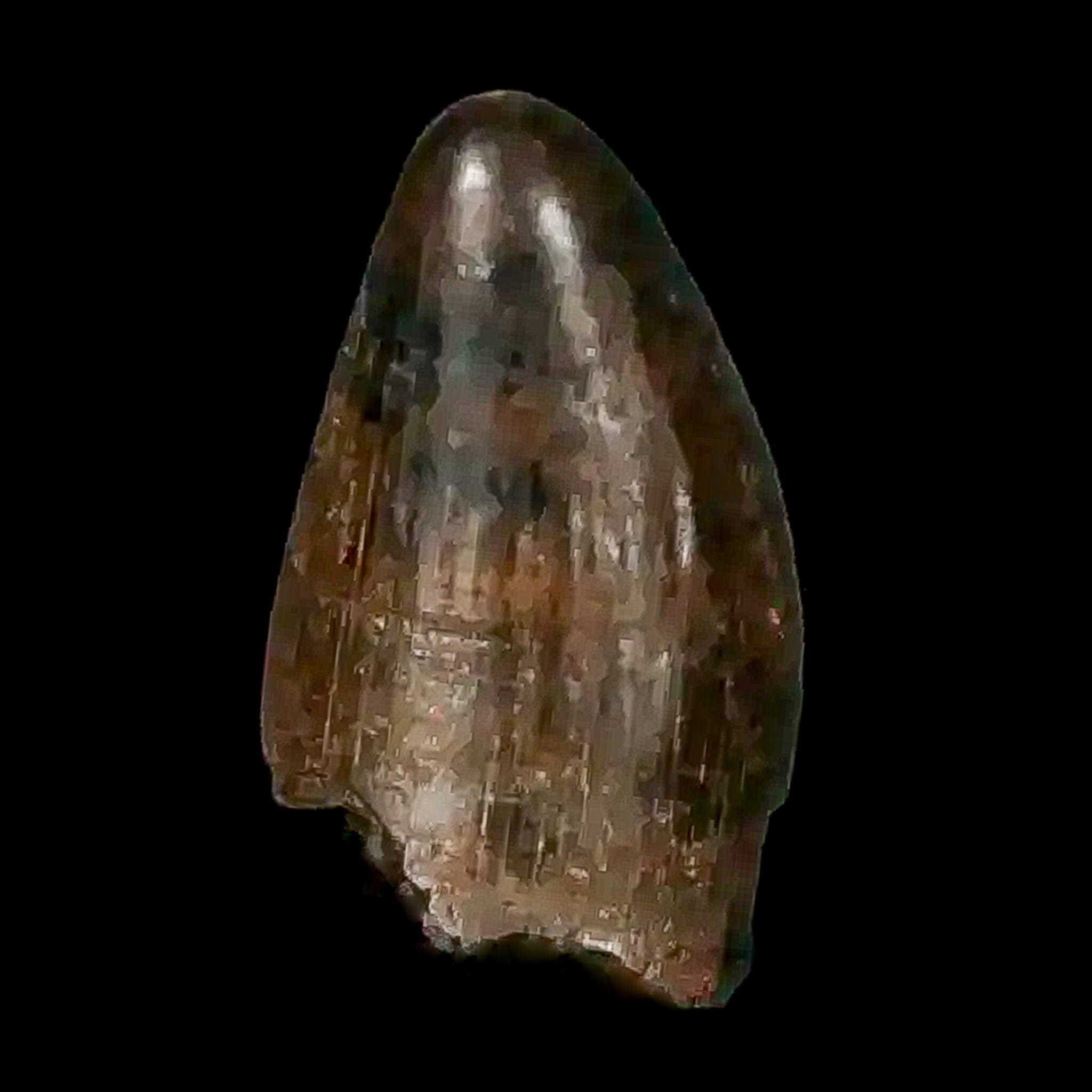
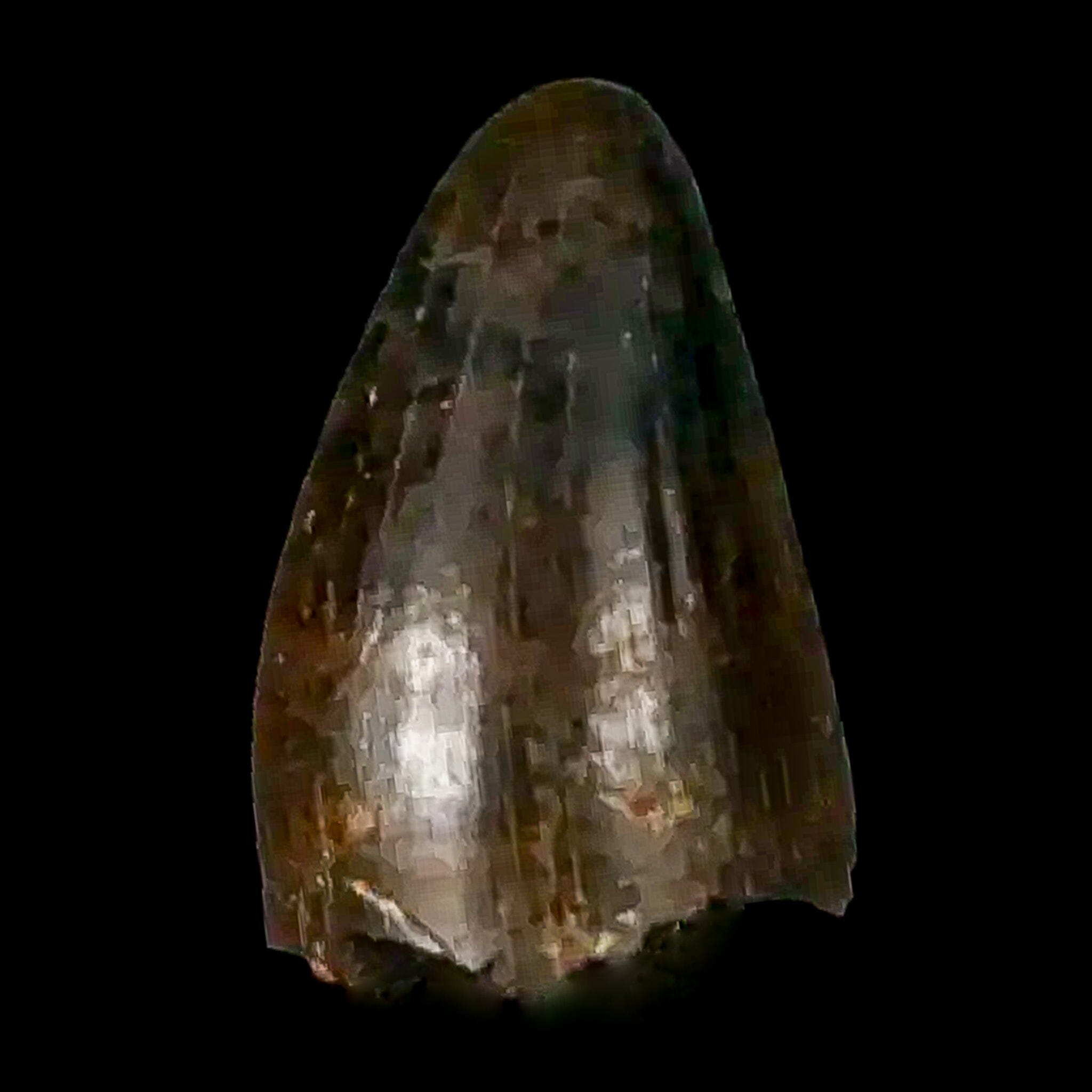
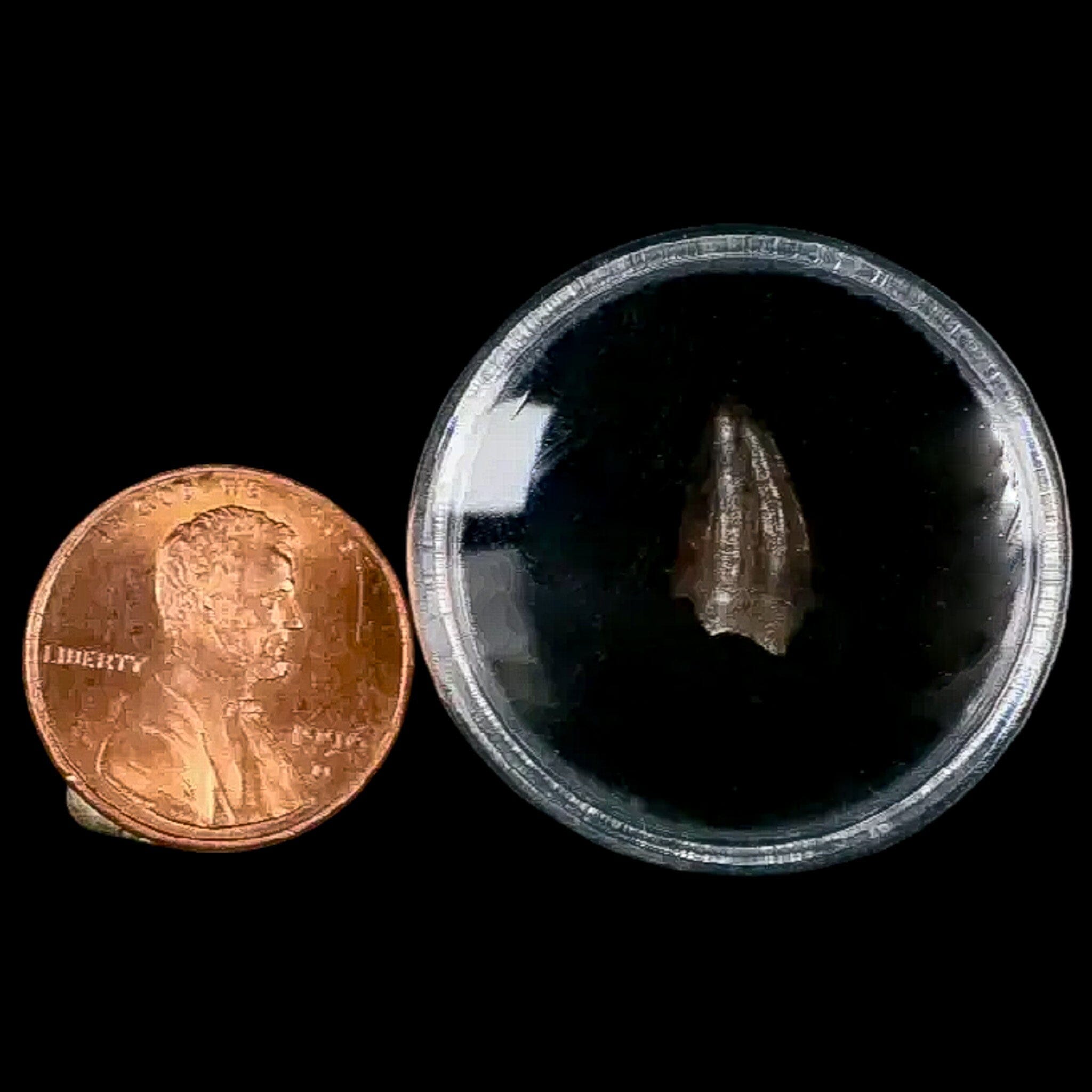
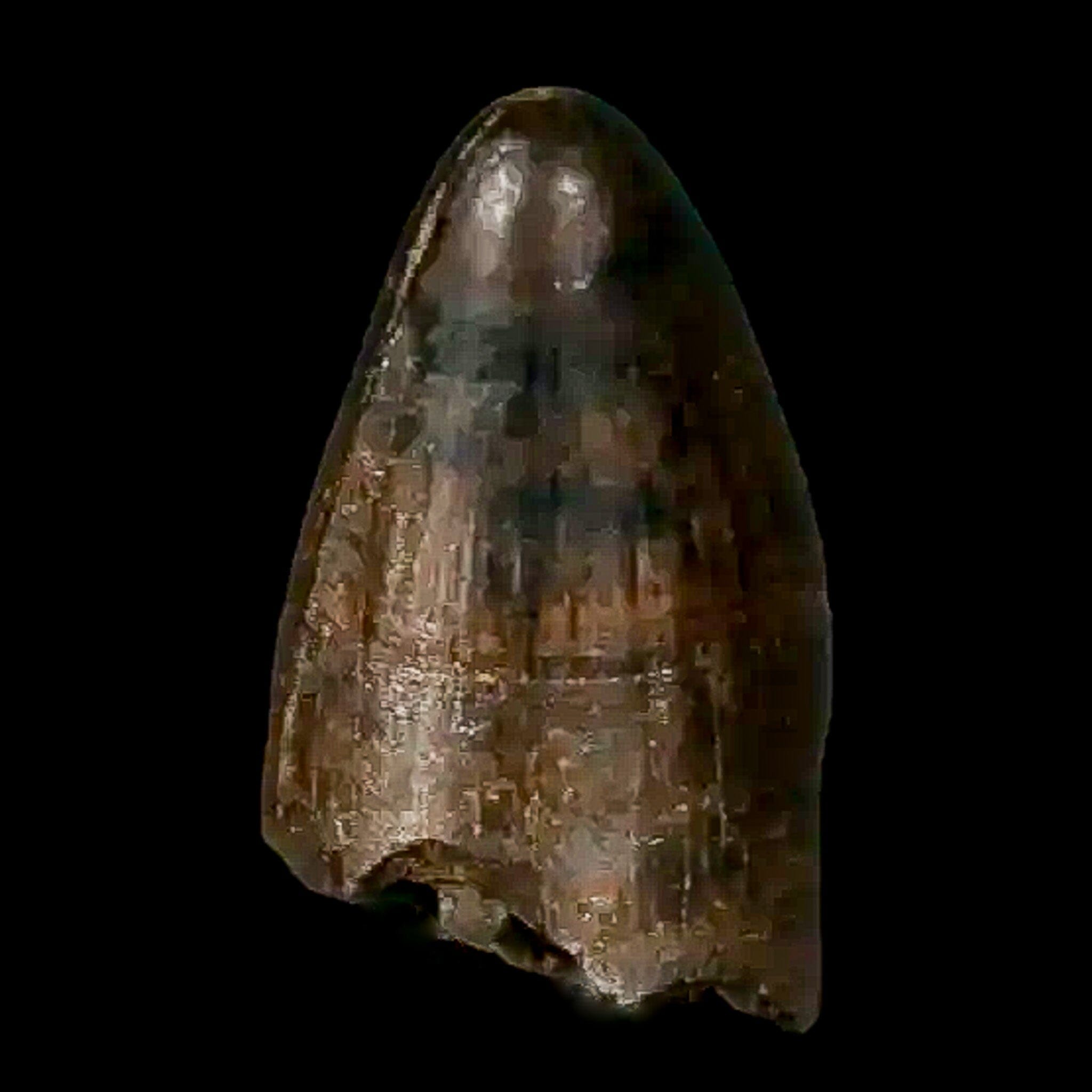
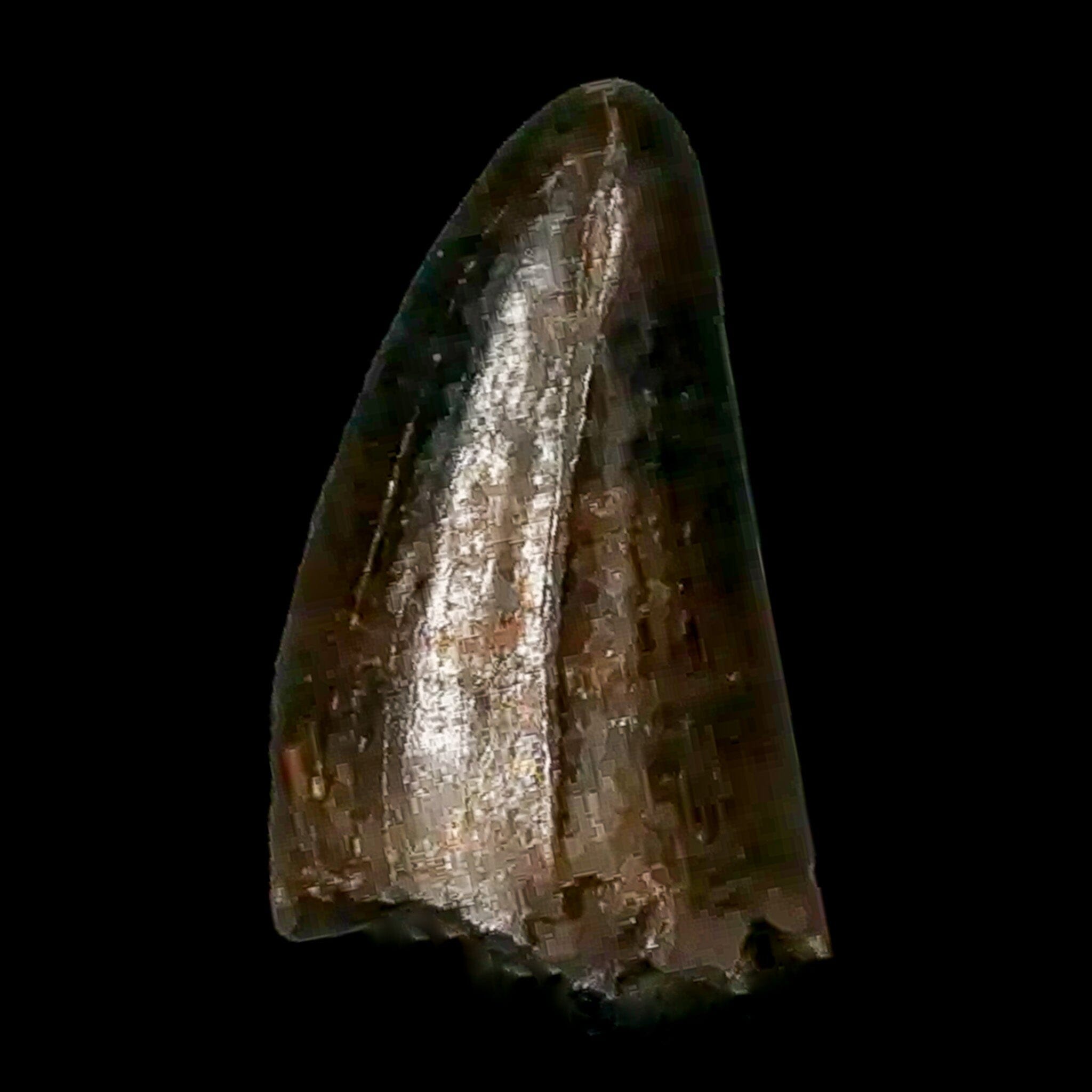
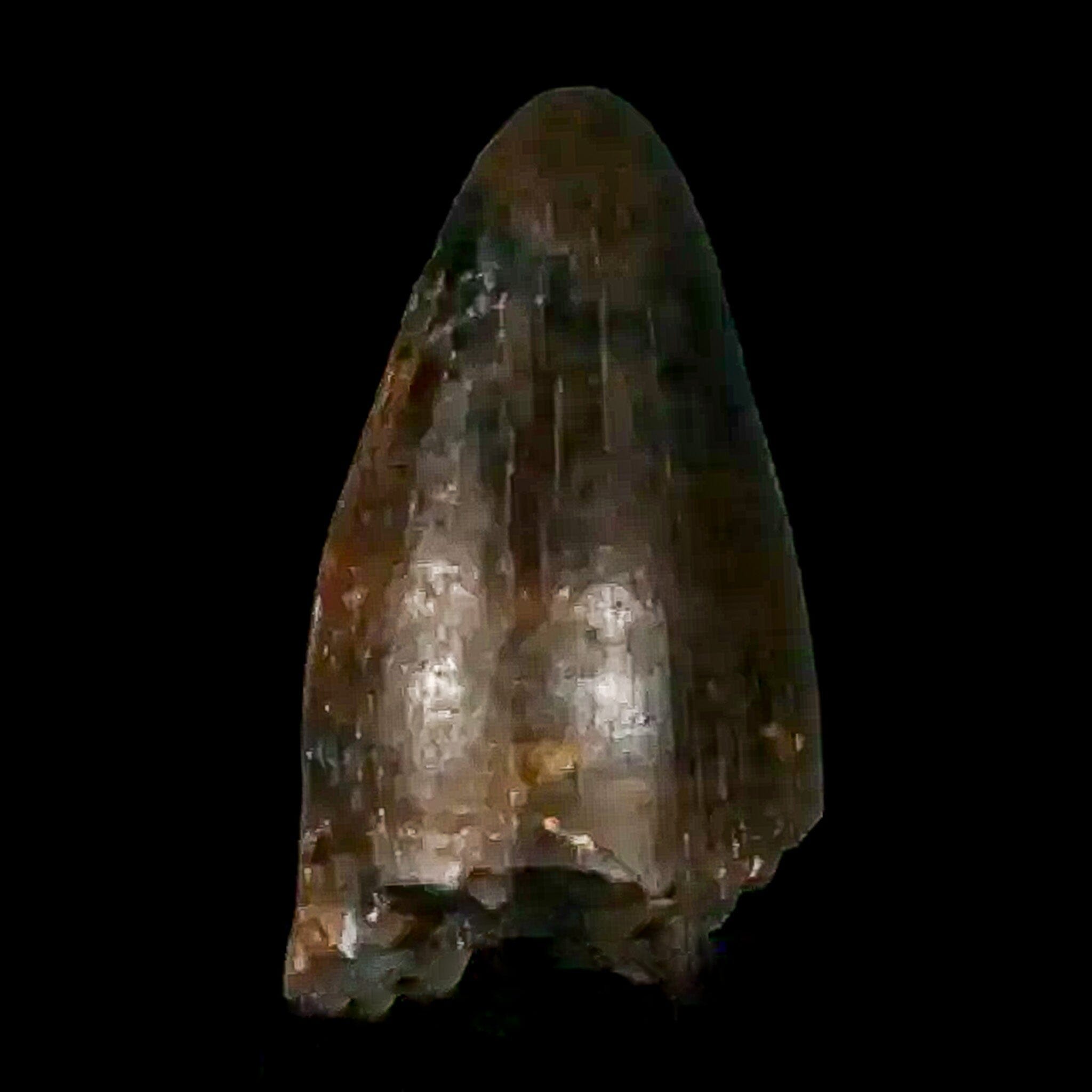
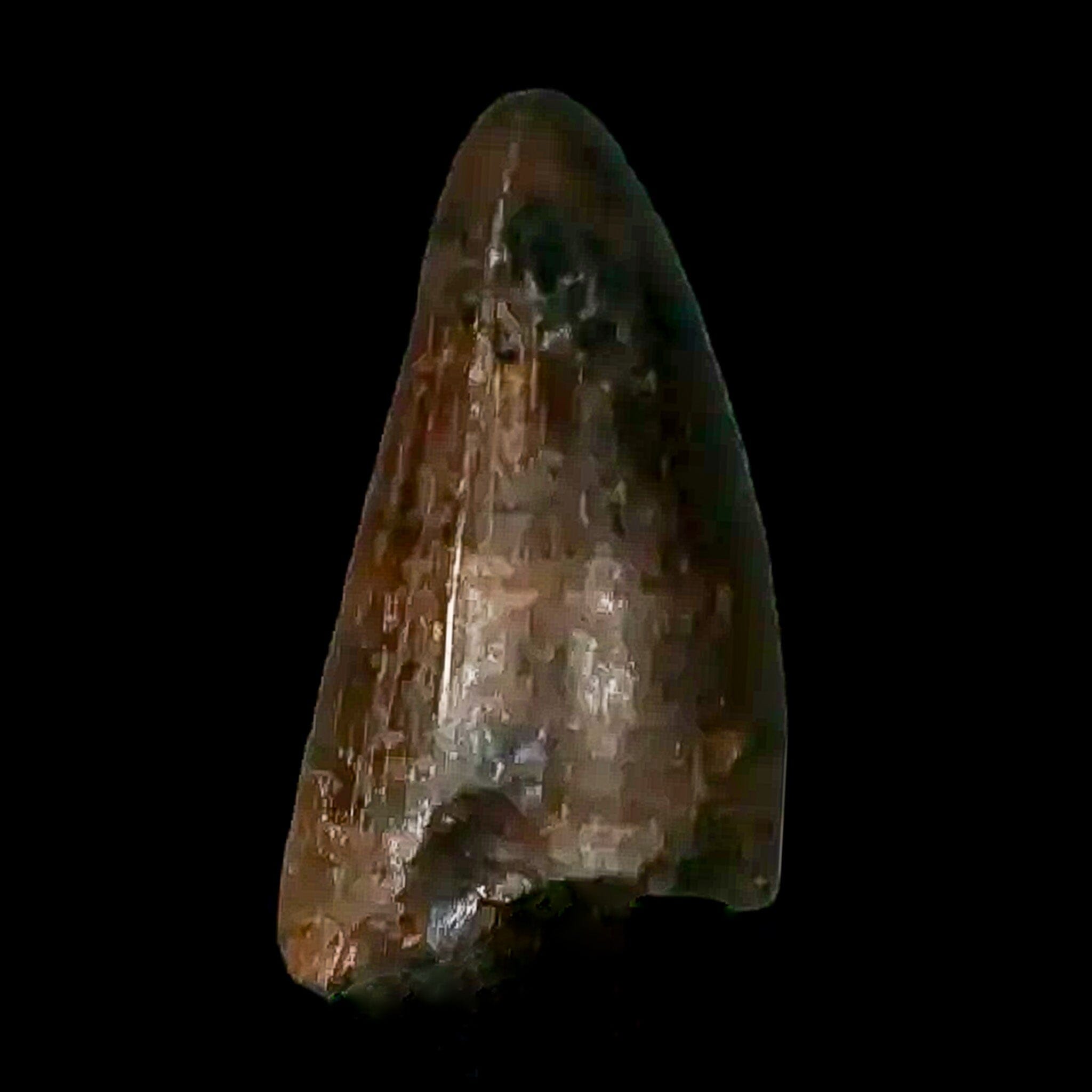
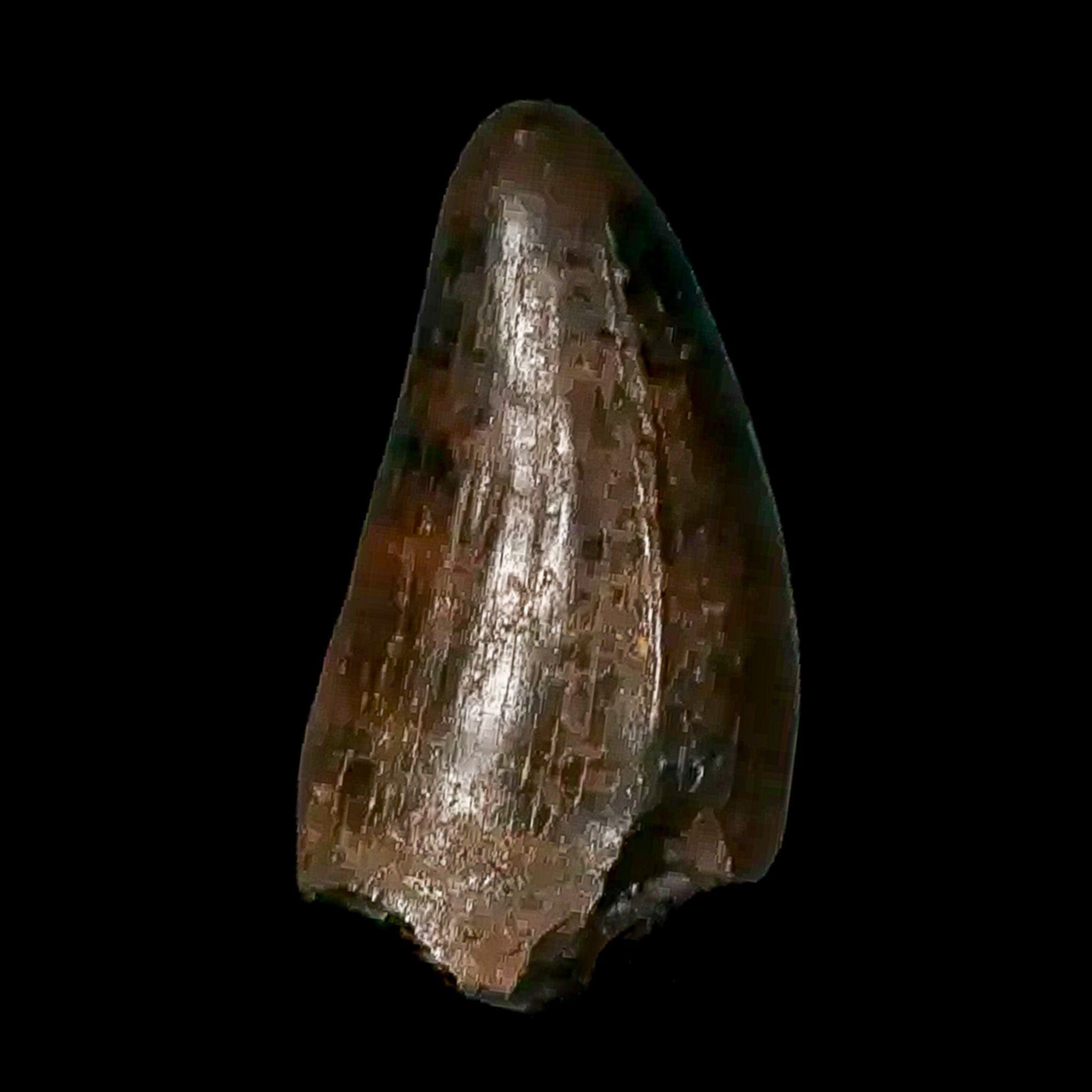


Description
Location: Judith River Formation, Montana (Private Land Origin)
Weight: 0.3 Ounces
Dimensions: 0.4 Inches Long, 0.2 Inches Wide, 0.2 Inches Thick
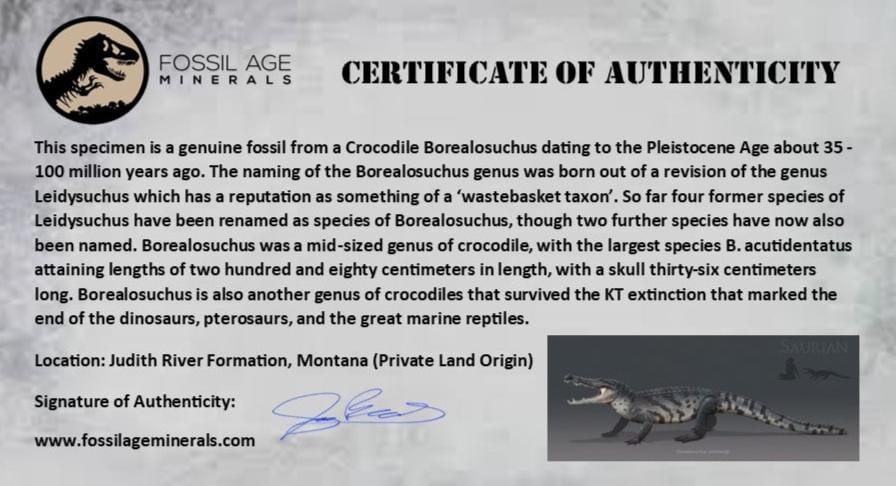
Comes with a Certificate of Authenticity.
Comes with a Free Display.
The item pictured is the one you will receive.
Cretaceous Age through to the Eocene Age
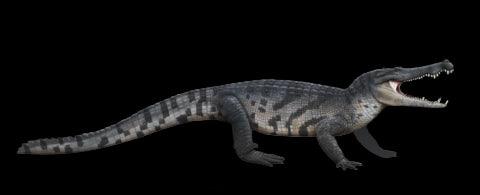
Name: Borealosuchus (Boreal crocodile).
Named By: Chris Brochu - 1997.
Classification: Chordata, Reptilia, Crocodylomorpha, Crocodylia.
Diet: Carnivore/Piscivore.
Size: Up to 2.8 meters long, though there is some variance between species.
Time period: Campanian of the Cretaceous through to the Eocene.
Fossil representation: Skulls and postcranial remains.
The genus Borealosuchus emerged from a taxonomic revision of Leidyosuchus, a genus long regarded as a “wastebasket taxon”, where species with uncertain classification were grouped. During this revision, four species formerly assigned to Leidyosuchus were reclassified as Borealosuchus, and two additional species have since been added to the genus.
Borealosuchus was a moderately sized crocodile, with the largest species, Borealosuchus acutidentatus, reaching lengths of around 280 centimeters (2.8 meters) and sporting a skull measuring 36 centimeters. Its body structure suggests it was a capable predator in freshwater habitats, hunting fish, small vertebrates, and other aquatic prey.
Remarkably, Borealosuchus was among the crocodilian lineages that survived the catastrophic K–T extinction, the event that brought an end to the dinosaurs, pterosaurs, and many giant marine reptiles. The survival of Borealosuchus, along with other crocodilian genera such as Dyrosaurus and Brachychampsa, points to the adaptability of crocodiles. Features like their semi-aquatic lifestyle, robust physiology, and ecological versatility likely allowed them to endure environmental upheavals that wiped out so many other species.
