
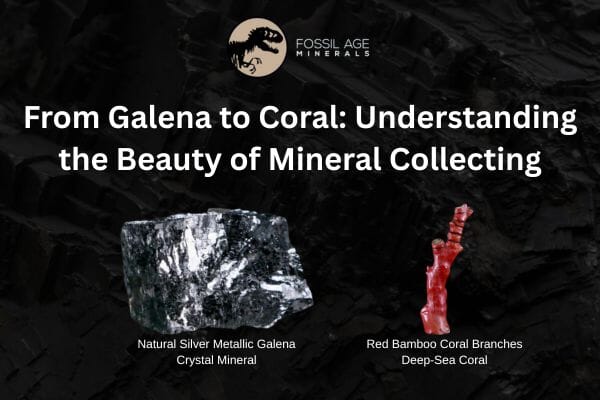
Mineral collecting is not only about having beautiful stones, but also about preserving the Earth’s history in small pieces. A novice or a seasoned enthusiast, the challenge of collecting minerals is to satisfy your curiosity. For many, that curiosity is sparked by something as simple as discovering a galena mineral for sale, a material whose metallic sheen and geometric structure introduce you to the incredible diversity hidden beneath the Earth’s surface.
Understanding Why Minerals Fascinate Collectors
The reasons for collecting minerals vary from person to person. Certain individuals are attracted to the rarity of colors or the variety of crystal shapes, whereas others value the specimen's geological history. A single specimen could depict the entire history of Earth's activities, including the times and places of high pressure and heat, as well as all the life forms that existed then.
Minerals allow collectors to link up with a period much older than human civilization and, at the same time, admire nature's artistry.
What Characterizes a Mineral as "Collectible"?
Not every mineral becomes a covetable piece; however, some traits do raise the level of certain specimens:
-
Crystal Structure: Stunning and bright formations have high aesthetic value.
-
Color Variations: Uncommon colors often indicate rare chemical conditions.
-
Geological Origin: The minerals from famous mines or regions have inherent historical value.
-
Condition & Size: The collectors' favorites are pristine, flawless specimens.
From Lead-Rich Metals to Ocean-Grown Treasures
As time passes, your knowledge of minerals will increase, enabling you to see relationships among the various groups of minerals. For instance, a metallic mineral such as galena might lead you to sulfides, which could in turn lead to the discovery of carbonates, silicates, and possibly organic deposits.
Following the path of most mineral collectors, ownership begins with one specimen, and others' stories arouse curiosity. Curiosity is the factor that eventually leads many collectors to rare materials like red bamboo coral, which has a completely different origin story—formed not by heat and pressure deep within the earth, but by marine environments.
Exploring the Diversity of Marine-Inspired Specimens
Marine-formed materials add variety to a mineral collection. The features of these pieces are softer textures, delicate branching patterns, and organic shapes that, together, create a contrast with the metal or crystal minerals. The visual and scientific aspects of the display are thus extended; these pieces serve as a counterbalance to the geological specimens and the ocean-based structures.
The collectors value the fact that these materials show Earth's multifarious beauty, from one extreme environment to another, for example, volcanic chambers and ocean floors.
How New Collectors Build Confidence and Skill
Starting a collection by recognizing the significance of a particular piece helps form a more thoughtful collection. There are a few minor changes to the habits that can lead to major differences:
-
Find out where each specimen was sourced from.
-
Get familiar with the terms used by mineral lovers.
-
Consider the best instead of aiming for the most.
-
Create themes—color palettes, types of formations, or areas of the earth.
-
Connect the objects in your collection to the story you want to tell.
The incorporation of such practices will clarify your perception and enable you to intuit the value of minerals.
A Natural Progression Toward More Advanced Pieces
As your collection grows, your preferences may change, leading to a greater variety of unusual or stunning materials. You will likely look for specimens that contain odd inclusions, sea creature fossils, aesthetic clusters, or items with scientific significance.
At this point, your knowledge about texture, crystal integrity, and the specific conditions for the formation of unique crystals will be much greater. That awareness will make collecting even more rewarding.
Building a Collection That Reflects Your Curiosity
It appears that mineral collection is not just a practice but a personal voyage―a journey combining science, creativity, and exploration. All the way from the first time you find something exceptional to the instant you include your most treasured specimen, all the specimens have their tales that ought to be kept. And if you are already set to wander off the beaten path and locate nice stones for sale, the importance lies in the specific source chosen.
Fossil Age Minerals is always there to help collectors in all the different phases by providing pieces that have gone through a stringent selection process, descriptions that are full of knowledge, and tools that allow you to build a collection with trust.
If you want to make your presentation larger with specimens that are both significant and unforgettable, then take a look at their catalog and discover the next piece that is meant for you.


