


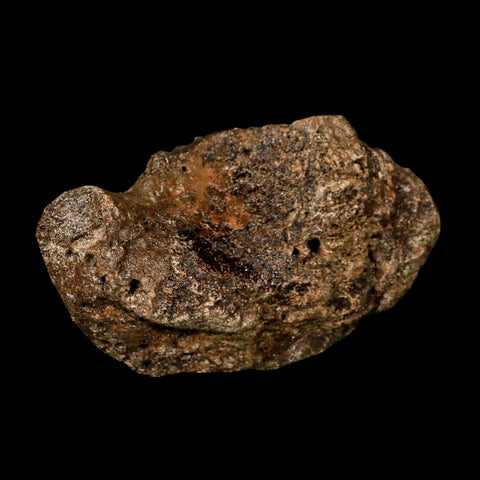
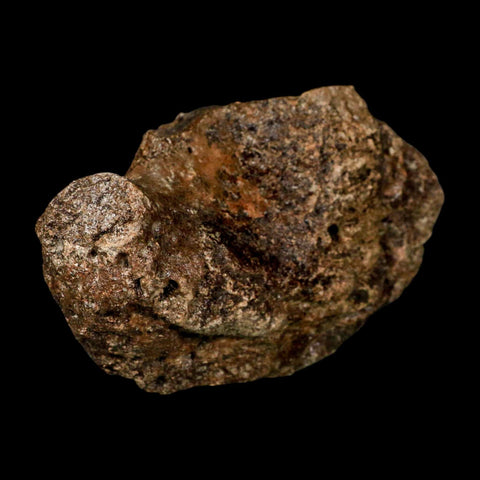
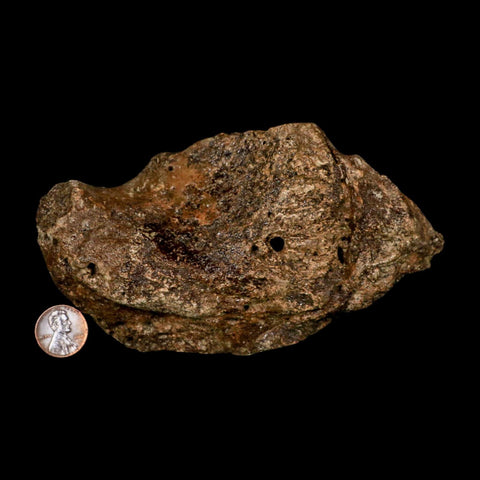
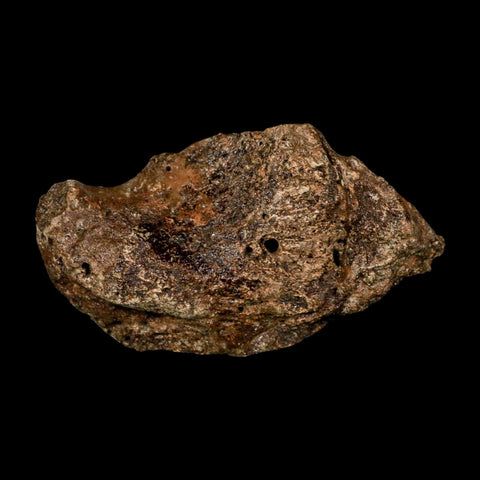
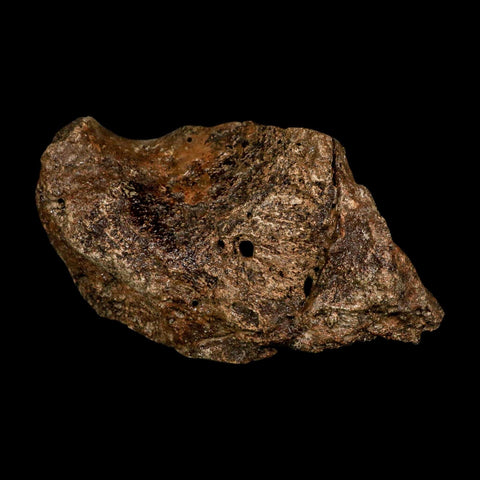
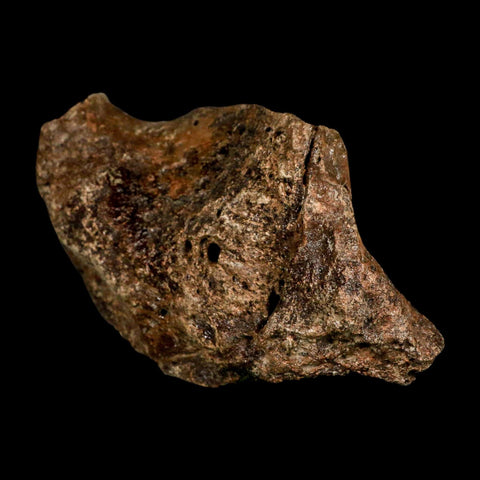
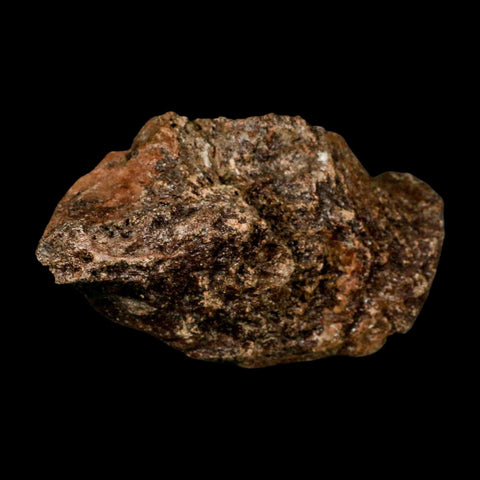
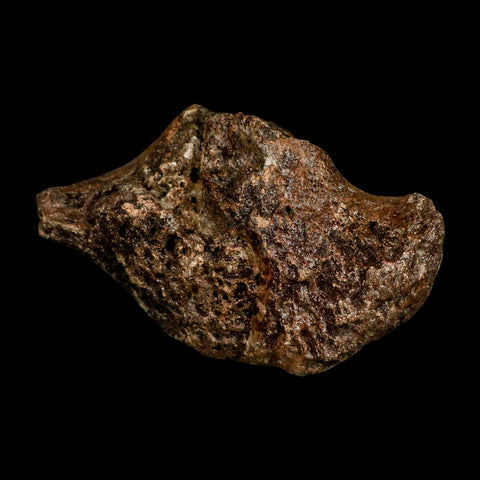
5.6" Ichthyosaurus Fossil Bone Section Dorset England Jurassic Marine Reptile COA
Location: Dorset, England (Dorset Coast)
Weight: 1 Pound, 3 Ounces
Dimensions: 5.6 Inches Long, 3 Inches Wide, 1.7 Inches Thick.
Comes with a Certificate of Authenticity.
The item pictured is the one you will receive.
Upper Jurassic Age, 145 Million Years old.
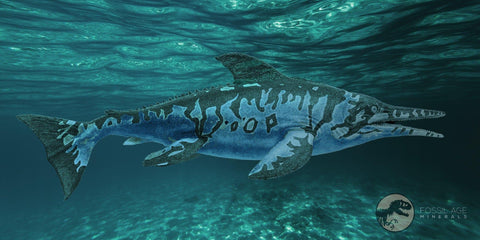
Ichthyosaurs were highly specialised marine reptiles that ruled the oceans during the Early Jurassic period, around 145 million years ago. Although they were reptiles and depended on air to breathe, their bodies were perfectly adapted for life at sea. With streamlined shapes and powerful tails, ichthyosaurs moved through the water with speed and precision, closely resembling modern dolphins in both form and swimming style.
The name Ichthyosaur, meaning “fish lizard,” reflects the early confusion scientists had when first studying their fossils. Many of the earliest discoveries were made in England during the early nineteenth century, most famously by fossil collector Mary Anning. These discoveries played a crucial role in shaping early paleontology. In 1818, the term was formally introduced by Charles König, and for many decades, nearly all known specimens were grouped under the genus Ichthyosaurus.
An average Ichthyosaurus measured about six feet in length and weighed roughly 200 pounds, making it comparable in size to an adult human. Its jaws were filled with numerous small, razor-sharp teeth, ideally suited for catching fast-moving prey. Fish formed the core of its diet, while squid and other soft-bodied marine animals were likely consumed in abundance.
Unlike land reptiles, ichthyosaurs gave birth to live young in the water, eliminating the need to return to land. This fully aquatic lifestyle, combined with excellent swimming ability and keen predatory instincts, allowed them to thrive for millions of years. Ichthyosaurs remain one of the clearest examples of how reptiles successfully adapted to marine environments, becoming dominant hunters in prehistoric seas long before modern marine mammals appeared.
