

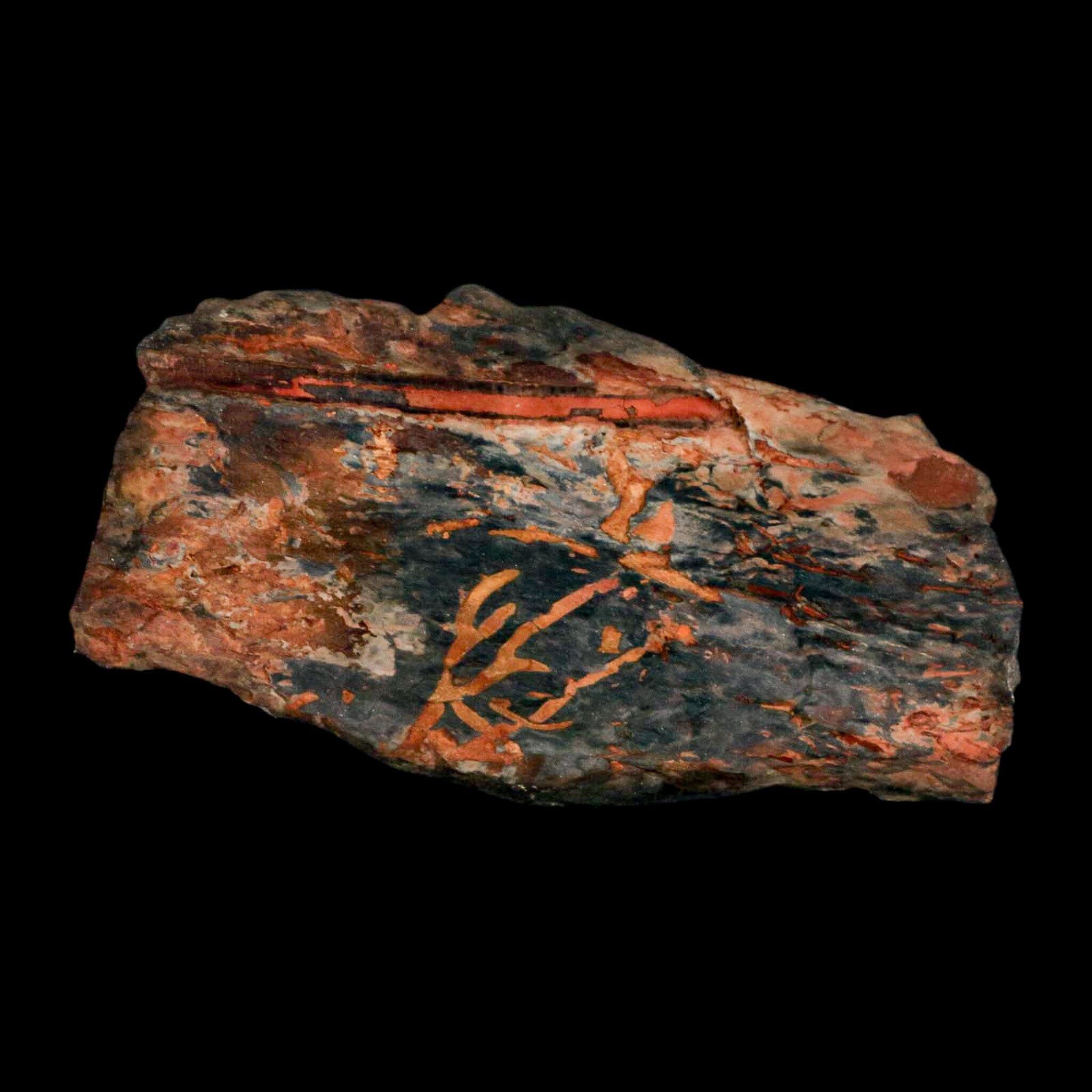

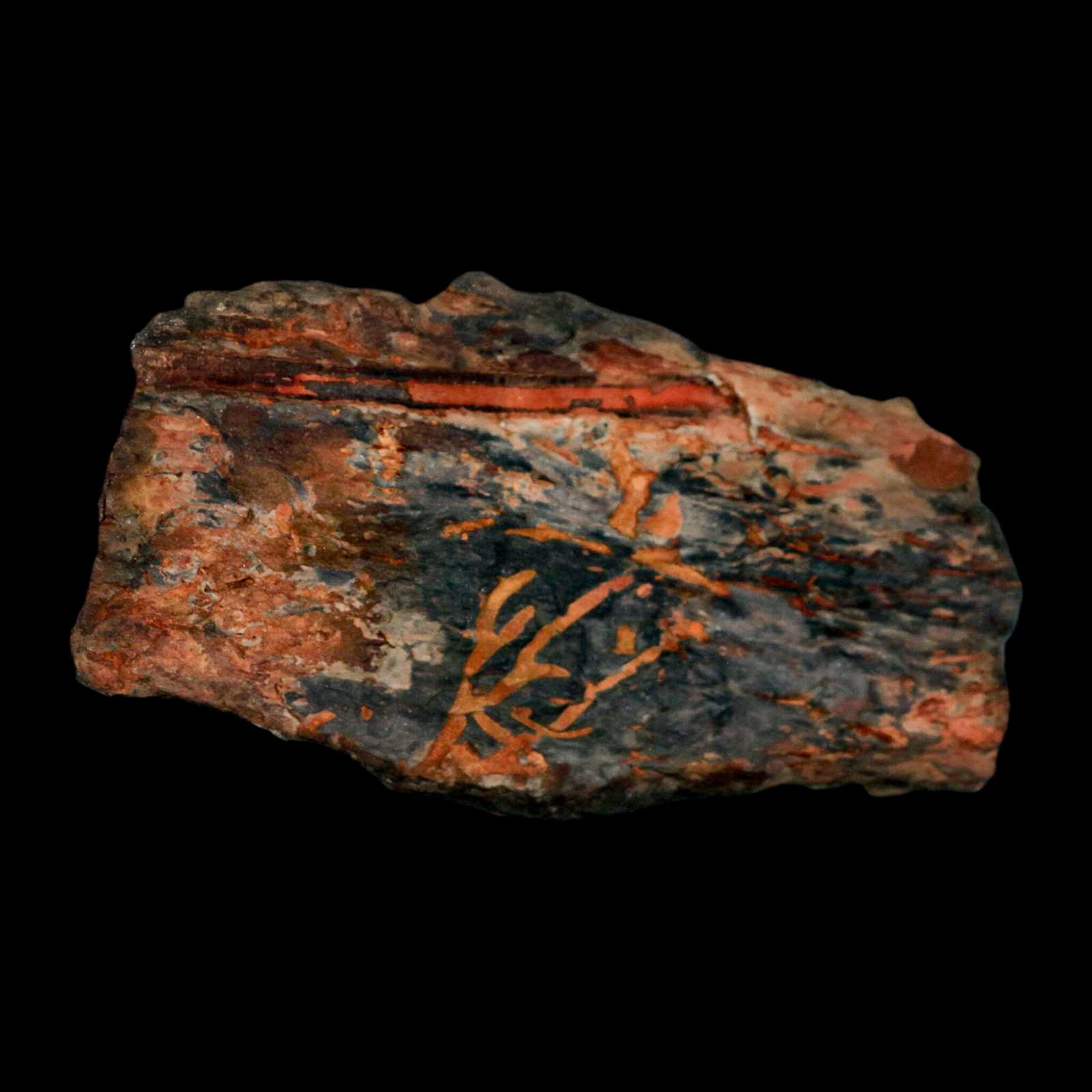


Description
Location: Macao, Portugal
Weight: 9.6 Ounces
Dimensions: 5.5 Inches Long, 2.5 Inches Wide, 1.2 Inches Thick (Matrix)
The item pictured is the one you will receive.
Upper Ordovician, 452 Million Years old.
Cystoporida, also known as Cystoporata or cystoporates, are an extinct order of Paleozoic bryozoans within the class Stenolaemata. Their fossils span from the Ordovician to the Triassic, making them important indicators of ancient marine ecosystems. All cystoporate bryozoan genera (around 50 known) share a characteristic “cystopore”, a chamber-like supporting structure separated by transverse septa, situated among the elongated zooecia of individual colonies.
Several families of Cystoporida existed throughout the Paleozoic, including Acanthoceramoporellidae (Ordovician), Actinotrypidae (Carboniferous-Permian), Anolotichiidae (Ordovician), Botrylloporidae (Ordovician-Devonian), Ceramoporidae (Ordovician-Devonian), Constellariidae (Ordovician-Silurian), Cystodictyonidae (Devonian-Permian), Etherellidae (Permian), Evactinoporidae (Carboniferous-Permian), Fistuliporidae (Ordovician-Permian), Goniocladiidae (Devonian-Permian), Hexagonellidae (Ordovician-Permian), Revalotrypidae (Ordovician), Rhinoporidae (Ordovician-Devonian), and Xenotrypidae (Ordovician-Silurian).
Fossils of Cystoporida bryozoans have been discovered worldwide. Notably, in the western Altai-Sayan Folded Area, eight species of Cystoporida were described from the Emsian Stage of the Lower Devonian, highlighting their diversity in ancient marine habitats. These bryozoans provide crucial insights into Paleozoic reef ecosystems, colony structures, and the evolution of stenolaemate bryozoans.