


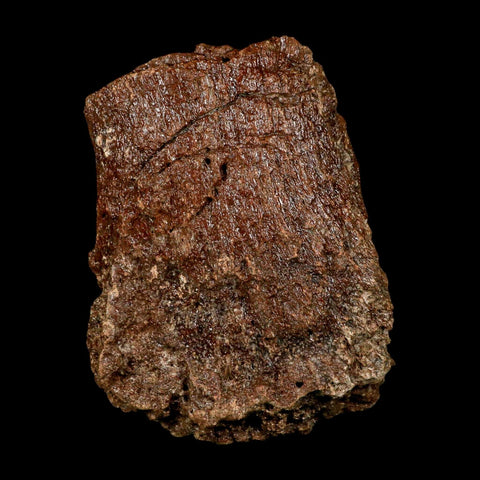
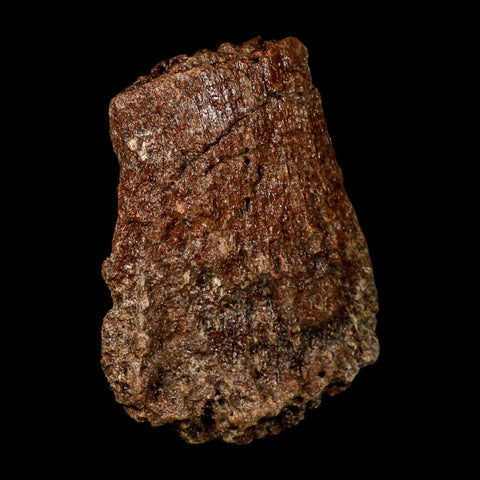
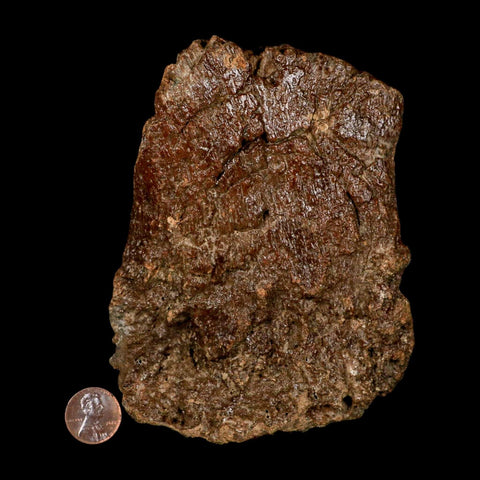
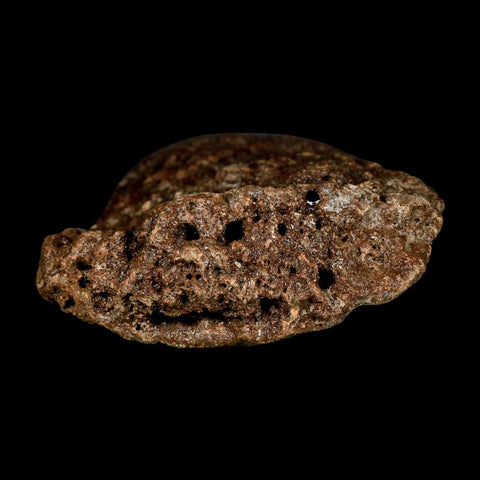
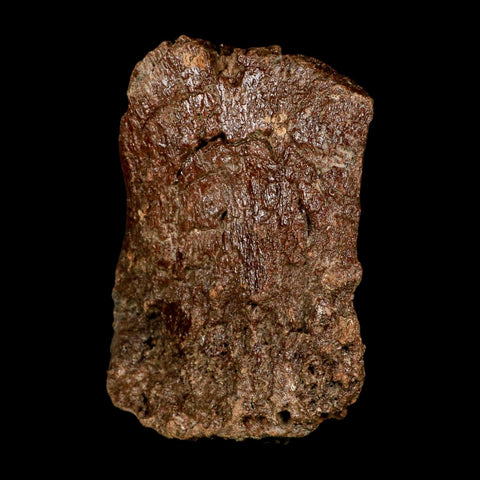
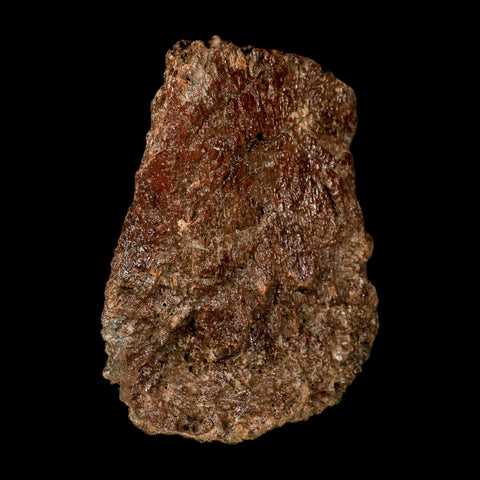
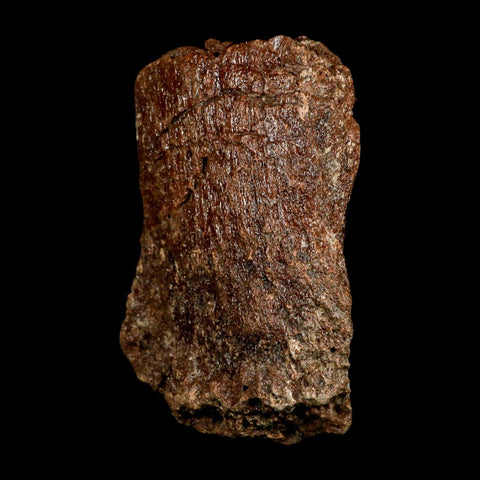
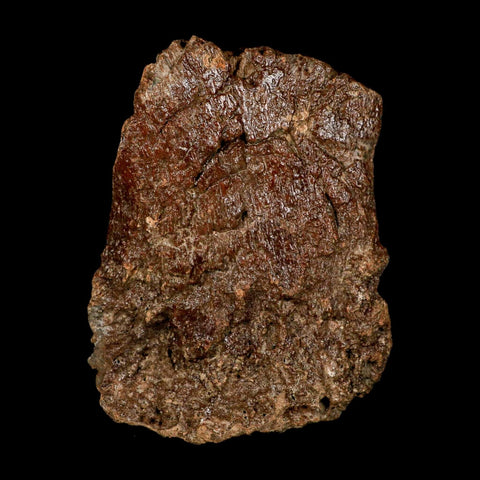
5.1" Ichthyosaurus Fossil Bone Section Dorset England Jurassic Marine Reptile COA
Location: Dorset, England (Dorset Coast)
Weight: 1 Pound, 1 Ounce
Dimensions: 5.1 Inches Long, 3.9 Inches Wide, 1.3 Inches Thick.
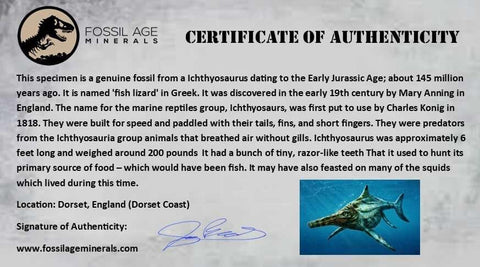
Comes with a Certificate of Authenticity.
The item pictured is the one you will receive.
Upper Jurassic Age, 145 Million Years old.
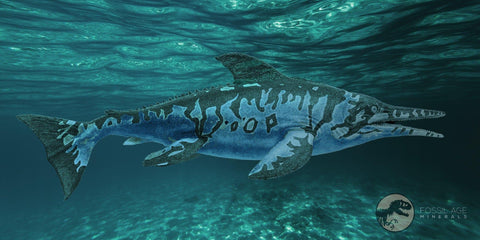
Ichthyosaurs were remarkable marine reptiles that flourished in the world’s oceans during the Early Jurassic period, around 145 million years ago. Although they were reptiles, their bodies evolved to resemble those of modern fish and dolphins, a striking example of convergent evolution. Their streamlined shape, powerful tail, and paddle-like limbs allowed them to move swiftly and efficiently through the water.
The name Ichthyosaur, meaning “fish lizard,” was inspired by their unique appearance and was first applied to fossils discovered in England during the early nineteenth century. Many of these early discoveries were made by the pioneering fossil collector Mary Anning, whose finds helped establish ichthyosaurs as some of the earliest known marine reptiles. In 1818, the term was formally introduced by Charles König, and for decades, most ichthyosaur fossils were grouped under the genus Ichthyosaurus.
An average Ichthyosaurus measured about six feet in length and weighed roughly 200 pounds. Its elongated jaws were packed with small, sharp teeth perfectly adapted for catching fast-moving prey. Fish formed the core of its diet, while squid and other soft-bodied marine animals likely supplemented its meals. As air-breathing animals, ichthyosaurs periodically surfaced, yet they were fully adapted to life in the open ocean.
Fossil evidence shows that ichthyosaurs gave birth to live young, an important adaptation that eliminated the need to return to land. This feature, along with their advanced swimming abilities, allowed them to dominate marine ecosystems for millions of years. Today, ichthyosaurs are regarded as one of the most successful groups of marine reptiles to have ever lived, offering valuable insight into the evolutionary history of ocean life.
