
Dating these deposits is essential for reconstructing past sea-level fluctuations and interglacial periods. The U-series nuclide method, particularly Th/U dating, has been applied to Strombus bubonius shells. Individual shell dates, however, can sometimes be unreliable due to the mobility of uranium isotopes. Nonetheless, employing statistical approaches has proven effective in producing coherent and consistent chronologies across both continental and marine settings.
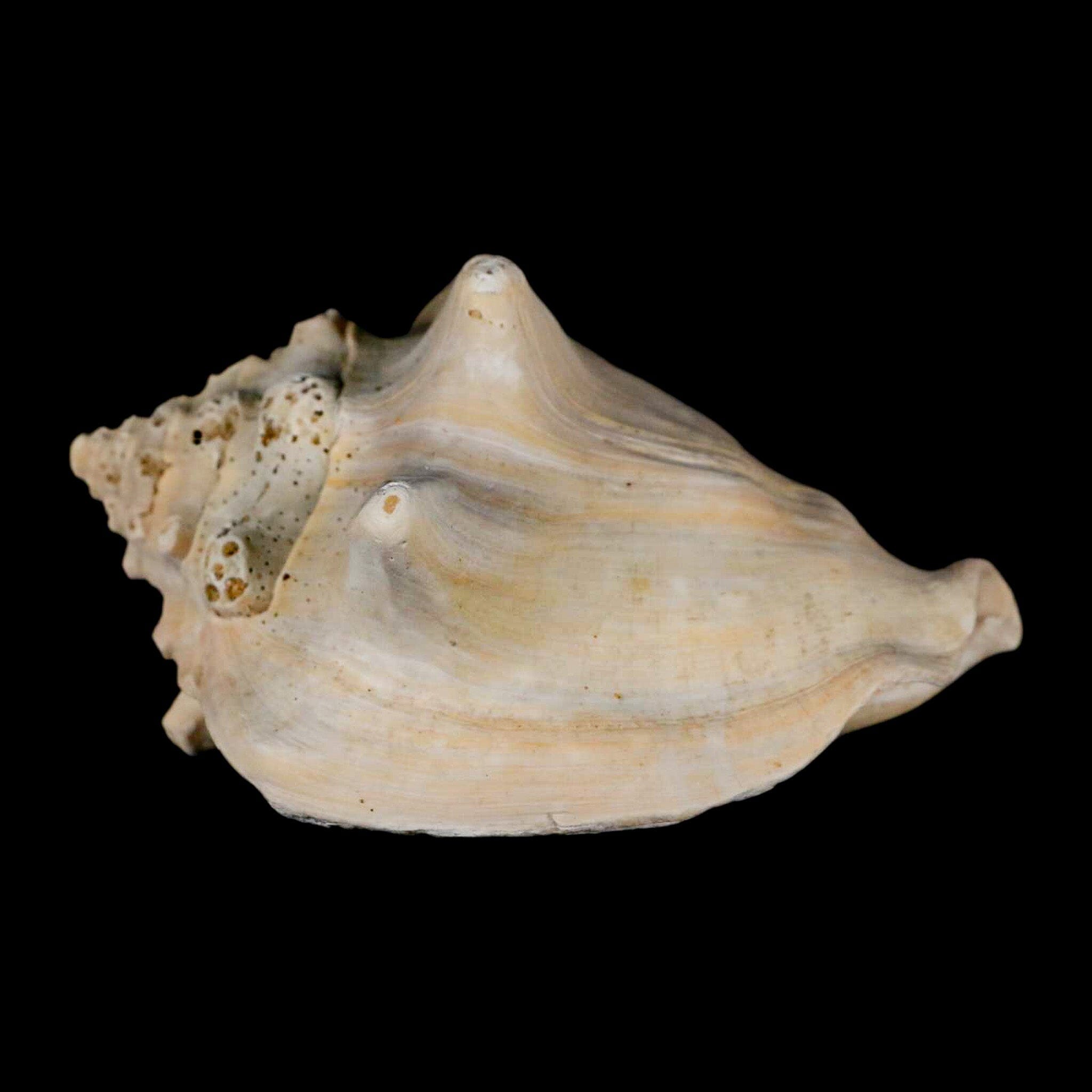


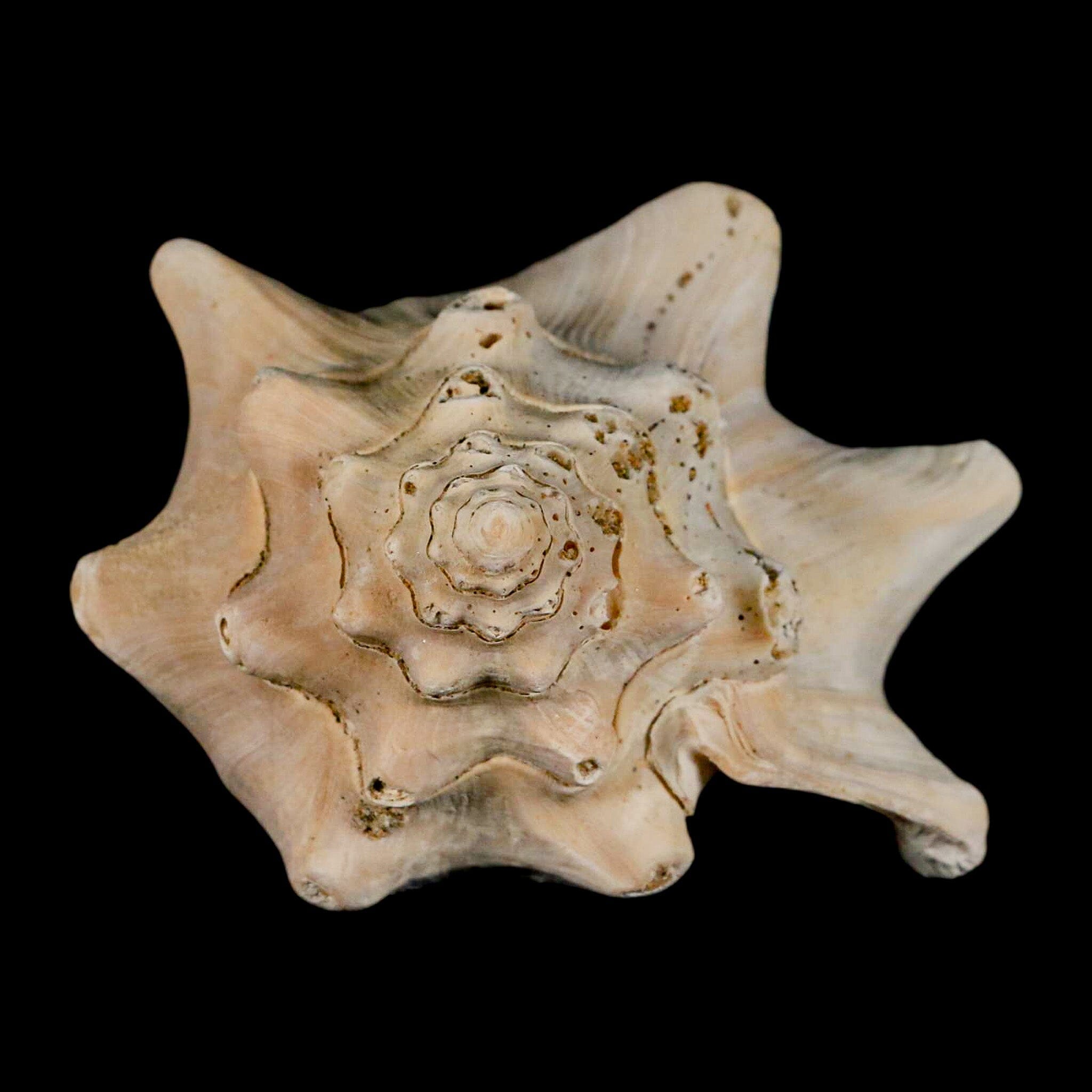

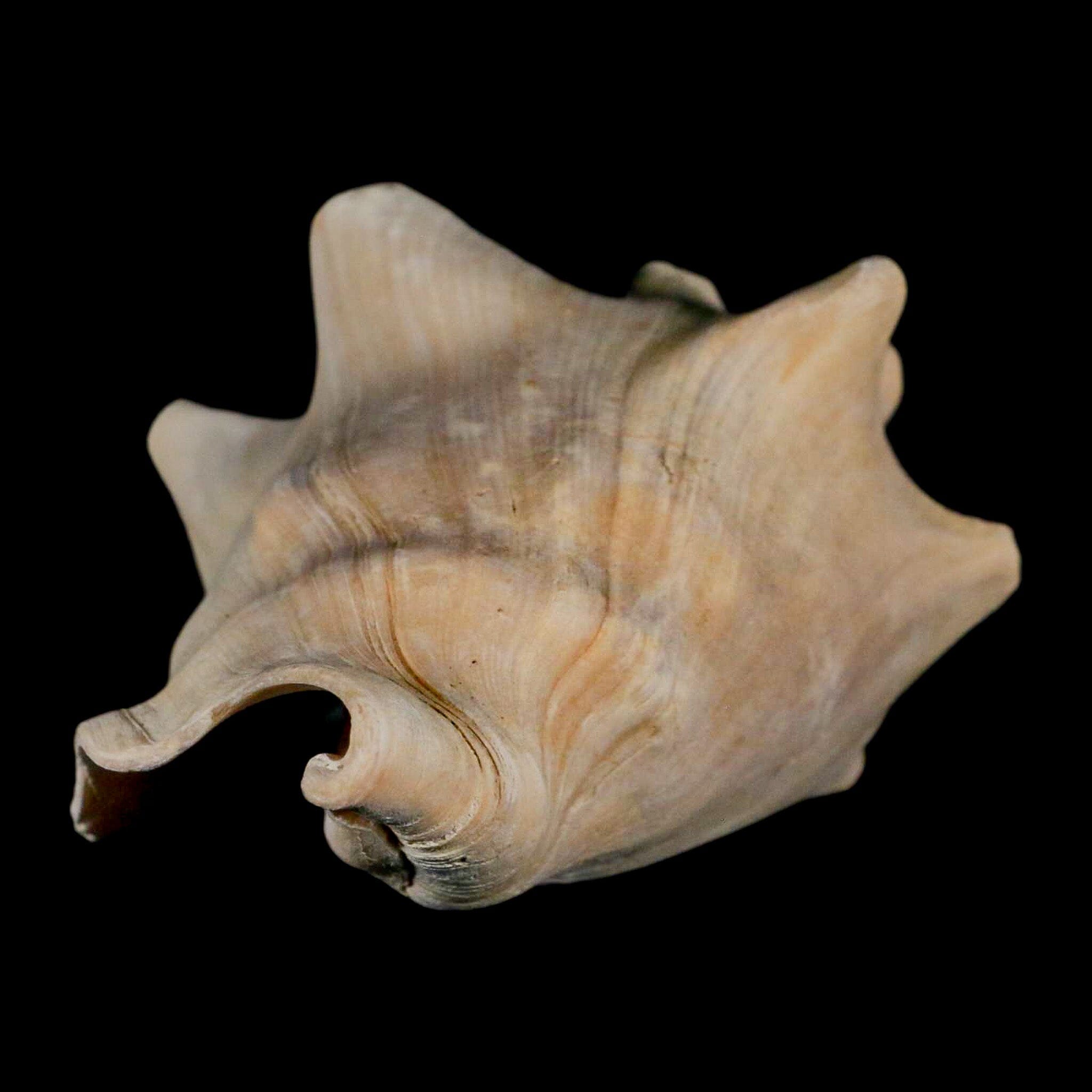


Description
Location: Almeria, Spain
Weight: 4.4 Ounces
Dimensions: 3.6 Inches Long, 2.8 Inches Wide, 2.1 Inches Thick
The Item pictured is one you will receive.
Pliocene Age, 5.3 million to 2.5 million years ago
Strombus bubonius (now often referred to as Persististrombus latus) is a fossil gastropod found in marine terrace deposits, particularly in the Mediterranean region of Spain. The presence of this species indicates warmer water conditions than currently exist in the areas where it is found.
- Almeria, Spain: Research in the Almeria area has provided significant data on the presence and dating of Strombus bubonius. The findings support the presence of the species during specific interglacial periods.
- Other Locations: Persististrombus latus has been found in various locations in Spain, including the Balearic Islands (Mallorca), and the Canary Islands (Fuerteventura, Lanzarote, Tenerife, Gran Canaria)
- Paleoclimate: The species serves as an indicator of past warm-water conditions.
- Sea-level changes: The dating of the deposits helps to reconstruct past sea-level fluctuations.
- Stratigraphy: The presence of Strombus bubonius necessitates a reconsideration of Tyrrhenian stratigraphy