


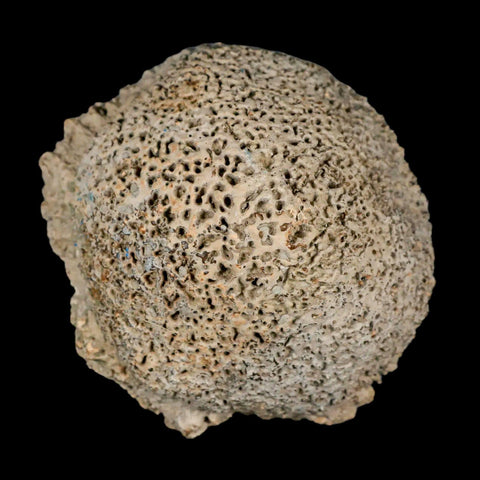
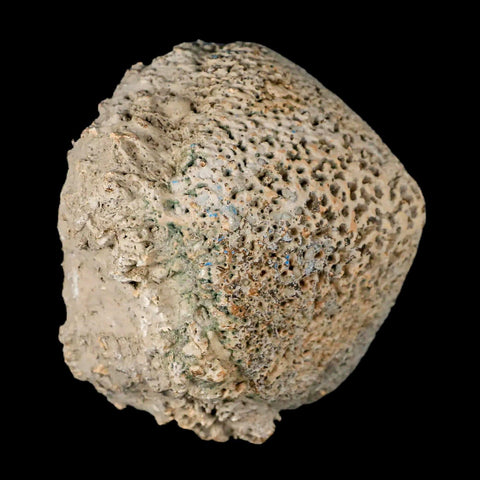
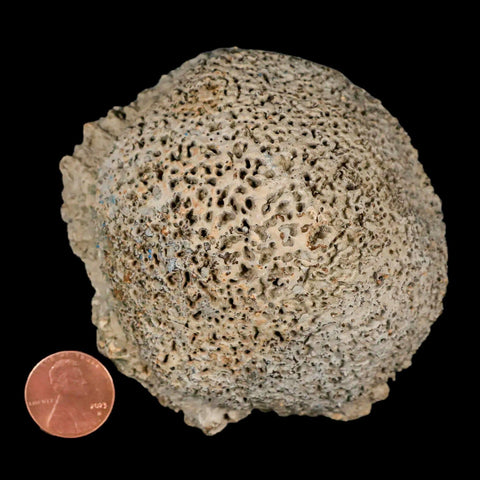
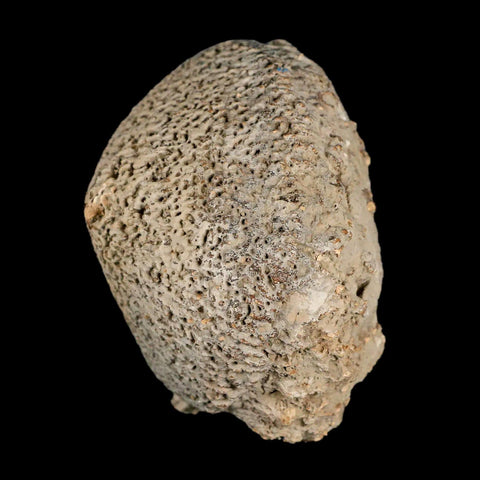
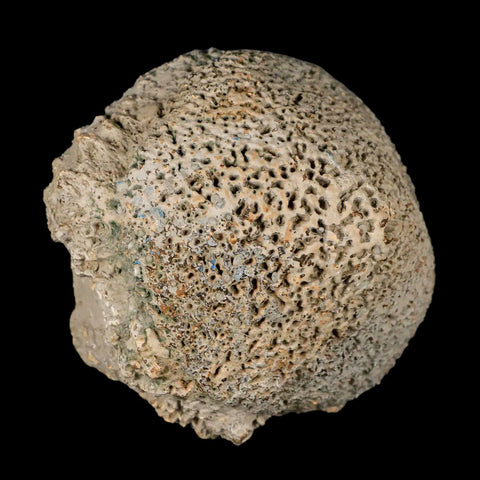
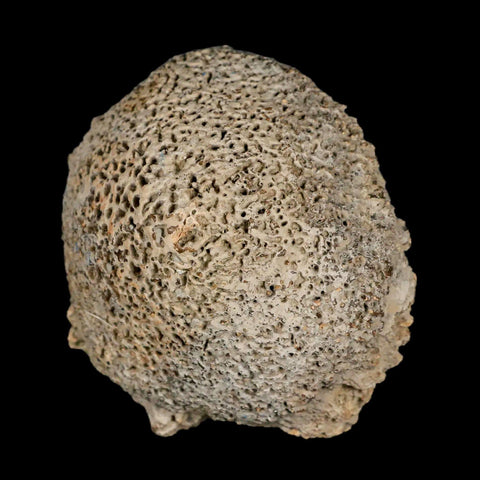
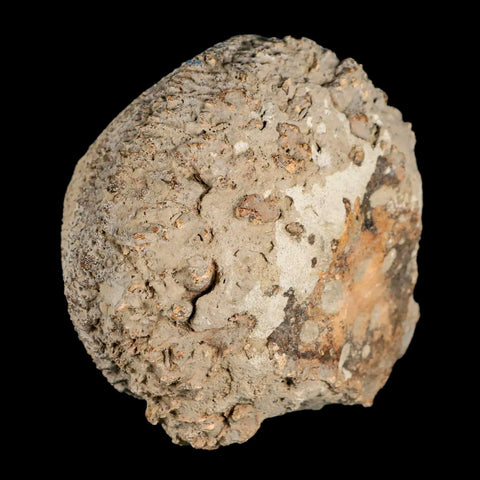
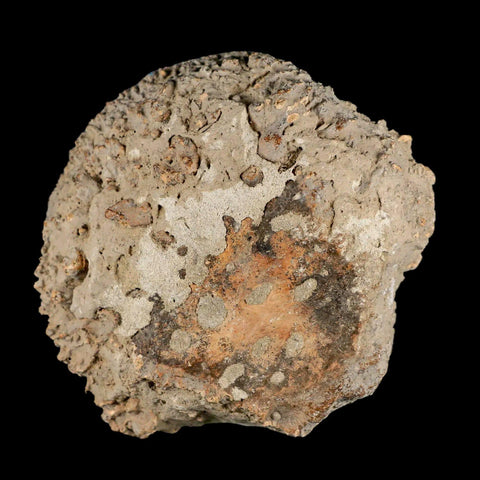
3.4" Glyptodon Fossil Osteoderm Scute Spike Plate Bony Armor Pleistocene Uruguay COA
Location: Uruguay
Weight: 9.7 Ounces
Dimension: 3.4 Inches Long, 3.1 Inches Wide, 2.3 Inches Thick
Comes with a Certificate of Authenticity.
The item pictured is the one you will receive.
This is a real Fossil.
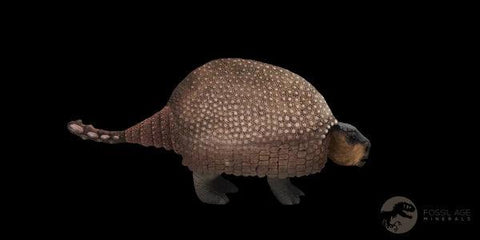
Glyptodon was a genus of massive, armored mammals closely related to today’s armadillos. Their fossils have been discovered across North and South America in rocks dating from the Pliocene to the end of the Pleistocene (about 5.3 million to 11,700 years ago). These remarkable creatures were protected from head to tail by a thick, domed shell made of fused bony plates—a structure that looked somewhat like a turtle’s shell but was built more like an armadillo’s armor. The body shell alone could reach about 1.5 meters (5 feet) in length. Even the tail was heavily armored, and in some glyptodont relatives, the tail tip formed a heavy, sometimes spiked, club capable of delivering powerful blows. Their diet was varied, consisting of plants, insects, and even carrion.
At first glance, Glyptodon might appear to be a strange blend of turtle, beaver, and armadillo—almost like a creature from a science experiment. Despite the resemblance, it wasn’t related to turtles or beavers. Instead, it shared a distant evolutionary connection with modern armadillos.
One of the most fascinating things about Glyptodon is its sheer size. It grew to about 10 feet long and weighed roughly a ton—comparable to a Volkswagen Beetle. With its squat legs and enormous domed shell, it was extremely well protected against most predators. The only real vulnerability was its soft underside; if a predator managed to flip it over, that protective armor offered little help.
Glyptodon vanished around 10,000 years ago, near the end of the last Ice Age. While the changing climate played a role, scientists believe that human hunting was also a major factor in its extinction. Early South American settlers likely valued Glyptodon for its meat and hide, and some evidence suggests that its sturdy shell may have been used as shelter during cold periods. The combination of environmental shifts and human pressures ultimately led to the disappearance of this extraordinary Ice Age giant.


