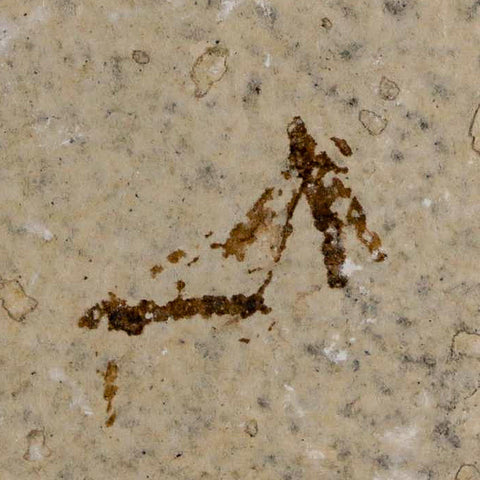
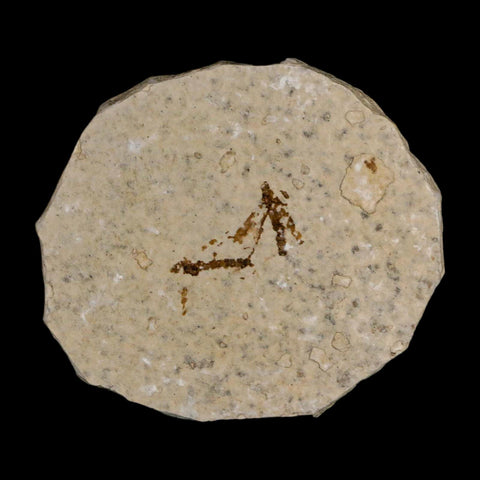
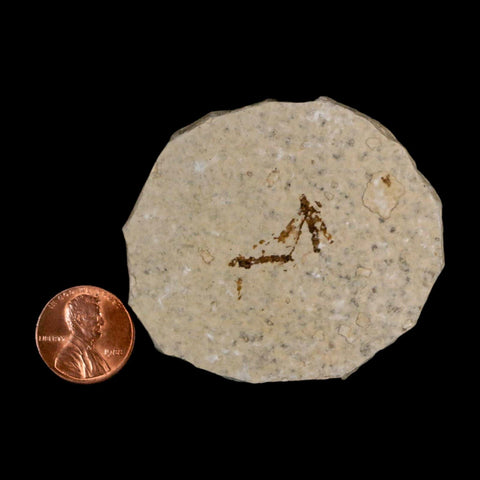
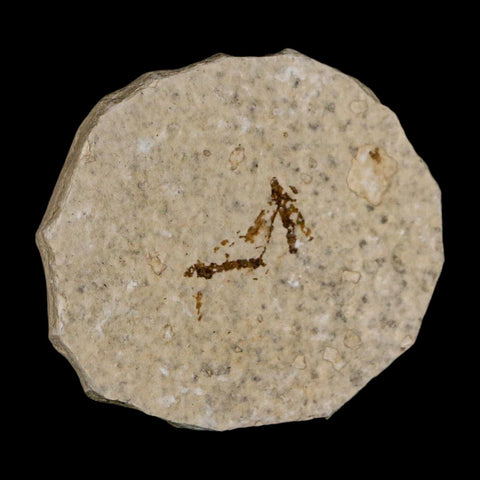
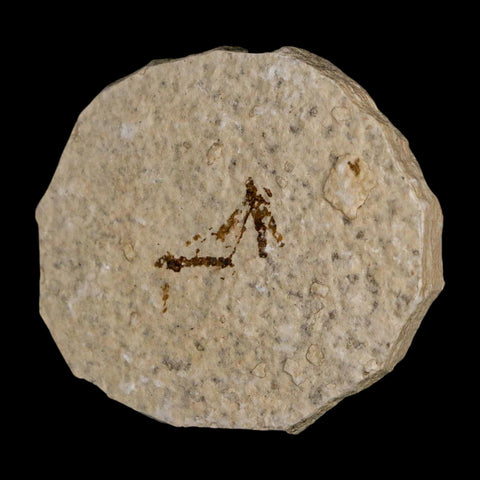
2 Two Detailed Fossil Crane Fly Insects Green River FM Uintah County UT Eocene Age
Location: Uintah County, Utah
Weight: 1.5 Ounces
Dimensions: 2.4 Inches Long, 2.2 Inches Wide, 0.3 Inches Thick (Plate)
Insect One Dimensions: 0.5 Inches Long, 0.5 Inches Wide
Insect Two Dimensions: 0.4 Inches Long, 0.4 Inches Wide
The item pictured is the one you will receive.
50 million years old, Eocene age
Crane Fly Insect
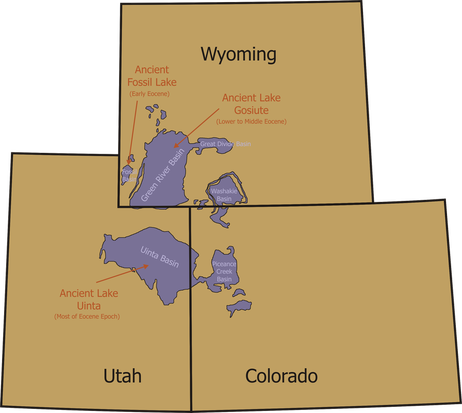
Fossil Lake, which occupied southwestern Wyoming during the Eocene epoch 50 million years ago, represents one of paleontology's most significant depositional sites. With approximately 500 square miles of preserved sediment from its original 930-square-mile expanse, the central 230-square-mile zone exhibits exceptional fossil density across multiple paleoenvironments—lacustrine centers, deltaic systems, littoral zones, and spring deposits. The lake's distinctive hydrochemistry suppressed decomposition and scavenging, facilitating the deposition of finely laminated limestone sequences that now contain Earth's richest assemblage of fossilized fish. This extraordinary preservation extends to a complete aquatic biota encompassing prokaryotes, macrophytes, arthropods, amphibians, reptiles, and early mammals, alongside a well-documented subtropical terrestrial fauna including equids, ophidians, sauropsids, chiropterans, and early carnivorous placentals. Botanical remains—seeds, flowers, and foliar impressions—number over 325 distinct taxa. Systematic collection beginning in the 1870s has yielded countless articulated specimens, establishing Fossil Lake as the preeminent Paleogene record of freshwater lacustrine ecosystems and their integrated biotic communities.