


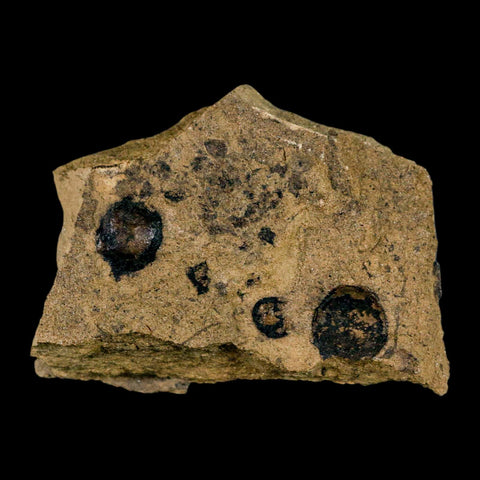
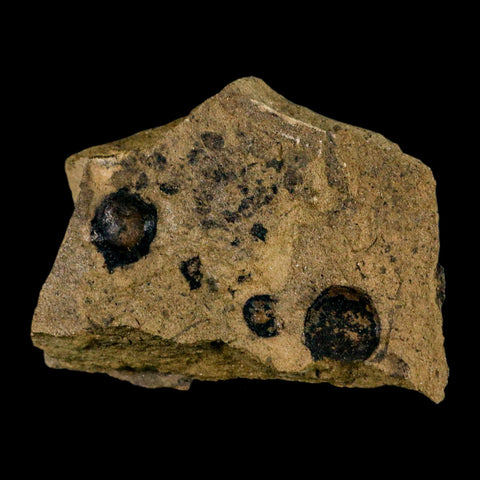
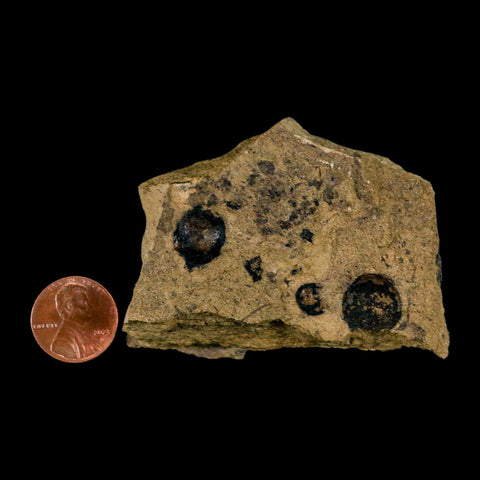
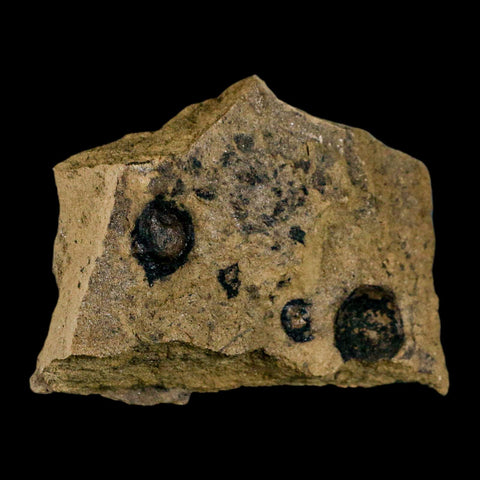
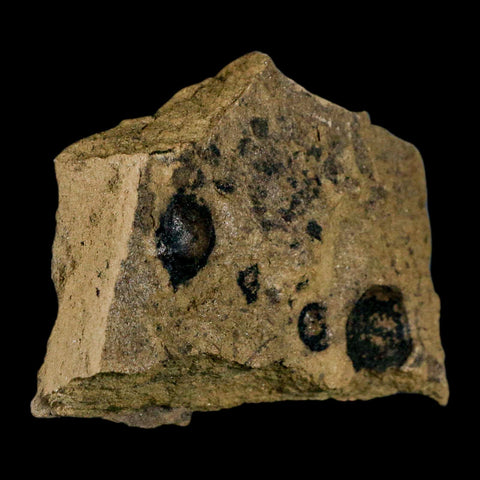
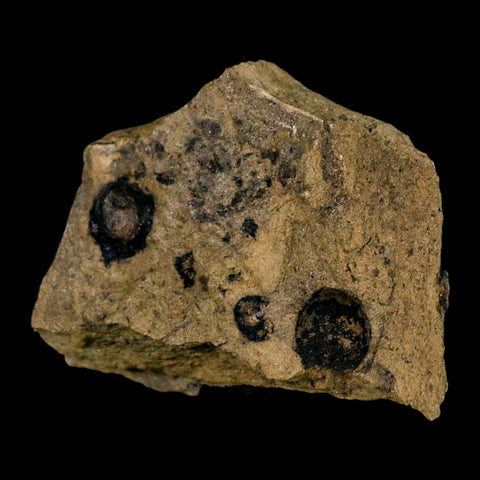
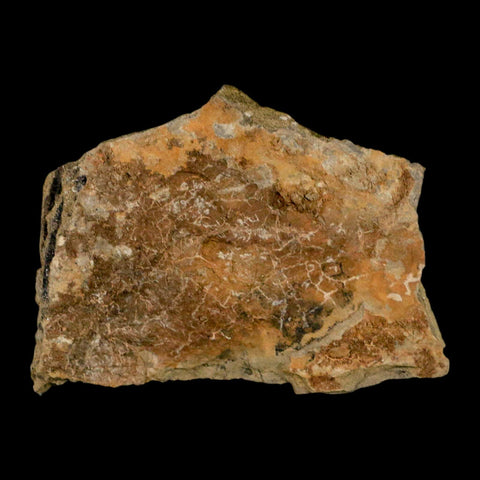
2.6" Carpolithus SP Seeds 66-56 Mil Yrs Old Paleocene Raton Formation Colorado
Location: Raton Formation, Las Animas County, Colorado
Weight: 2.3 Ounces
Dimensions: 2.6 Inches Long, 2.1 Inches Wide, 0.6 Inches Thick (Plate)
The item pictured is the one you will receive.
Carpolithus Sp
Carpolithus is a genus of fossil seeds from the Fabaceae family, commonly found in Paleocene sediments (66–56 million years ago). These ancient seeds offer a fascinating glimpse into plant life that thrived shortly after the extinction of the dinosaurs. Las Animas County, in southeastern Colorado, is one of the most important locations for these fossils, featuring rich Paleocene deposits containing an impressive variety of plant and animal fossils.
A key study in Las Animas County focused on identifying and analyzing these Carpolithus seeds to understand their taxonomic placement and their value as indicators of ancient environmental conditions. Researchers examined both morphological and anatomical traits, comparing them to other members of the Fabaceae family. The results revealed a strong resemblance to seeds of the modern Cassia genus, suggesting that Cassia or a closely related ancestor inhabited the area during the Paleocene. Additionally, the occurrence of Carpolithus seeds in certain sediment layers may reflect a wetter climate, providing insight into the prehistoric ecosystems of southeastern Colorado.
These fossil seeds are prized by collectors, paleobotanists, and natural history enthusiasts, offering both scientific significance and aesthetic appeal. They represent not only the diversity of early Fabaceae plants but also serve as a valuable tool for reconstructing ancient climates and habitats. Carpolithus fossils are a rare and captivating addition to any fossil collection or educational display.


