
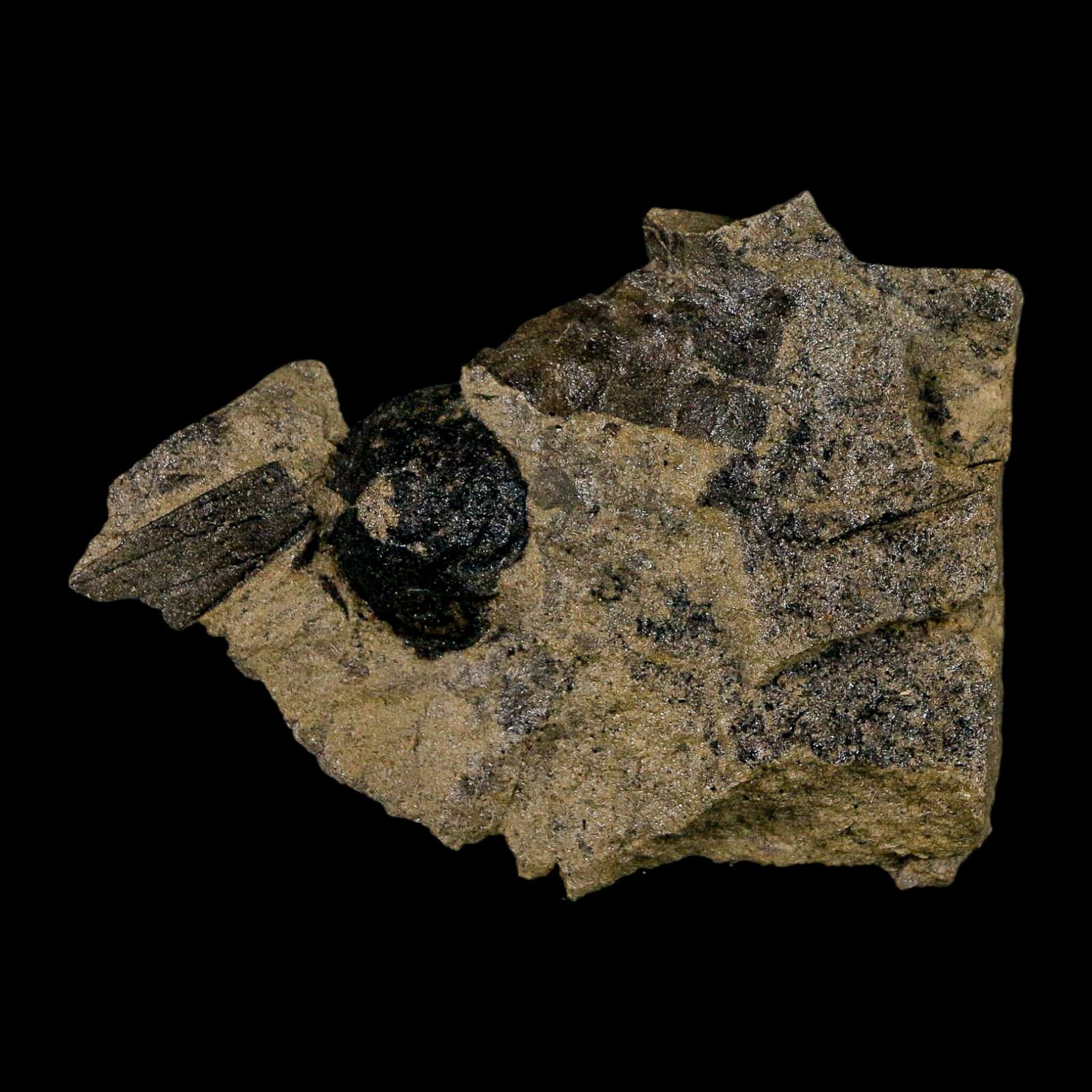


Description
Location: Raton Formation, Las Animas County, Colorado
Weight: 0.8 Ounces
Dimensions: 2.5 Inches Long, 1.9 Inches Wide, 0.3 Inches Thick (Plate)
The item pictured is the one you will receive.
Carpolithus Sp
Carpolithus is an extinct genus of fossil seeds belonging to the Fabaceae family. These ancient seeds are commonly preserved in Paleocene sediments (66–56 million years ago), offering a glimpse into the plant life that thrived shortly after the dinosaurs.
One of the best locations to find these fossil seeds is Las Animas County, southeastern Colorado, a region renowned for its rich Paleocene fossil deposits. The area preserves a diverse record of ancient plants and animals, making it a hotspot for paleobotany and fossil collecting.
A detailed study in Las Animas County, southeastern Colorado, focused on the identification and analysis of Carpolithus fossil seeds from Paleocene sediments (66–56 million years ago). Researchers examined the morphological and anatomical features of these seeds to determine their taxonomic affinity and assess their potential as paleoenvironmental indicators.
The findings revealed that the Carpolithus seeds in Las Animas County closely resemble seeds from the modern Cassia genus, suggesting that Cassia or a related ancestor existed in the region during the Paleocene epoch. Moreover, the presence of these seeds in specific sediment layers may indicate a wetter climate in the area at that time, providing valuable insights into ancient ecosystems and climate conditions.
This research highlights the importance of Carpolithus fossil seeds for understanding Paleocene plant diversity, Fabaceae evolution, and prehistoric environmental reconstruction.