
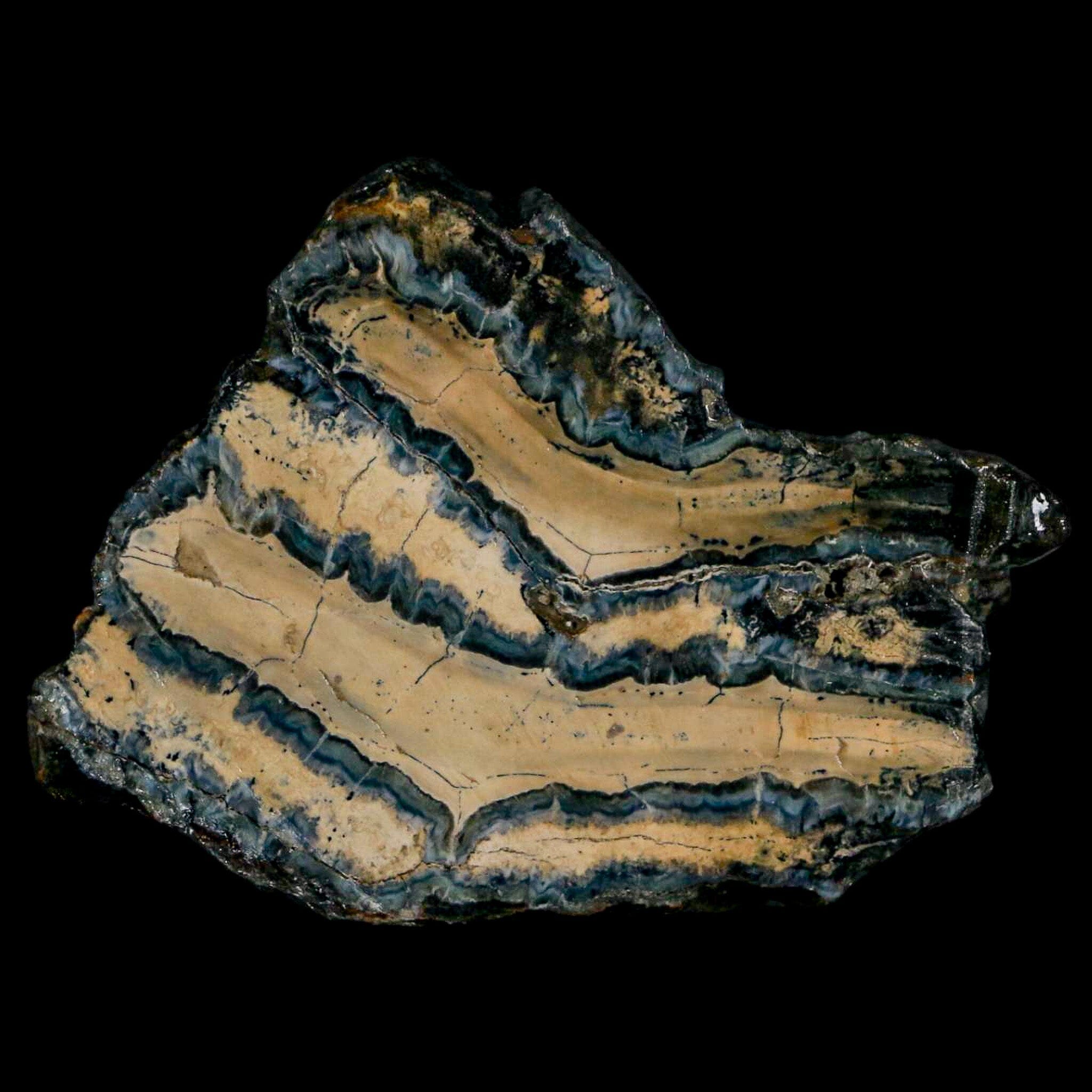
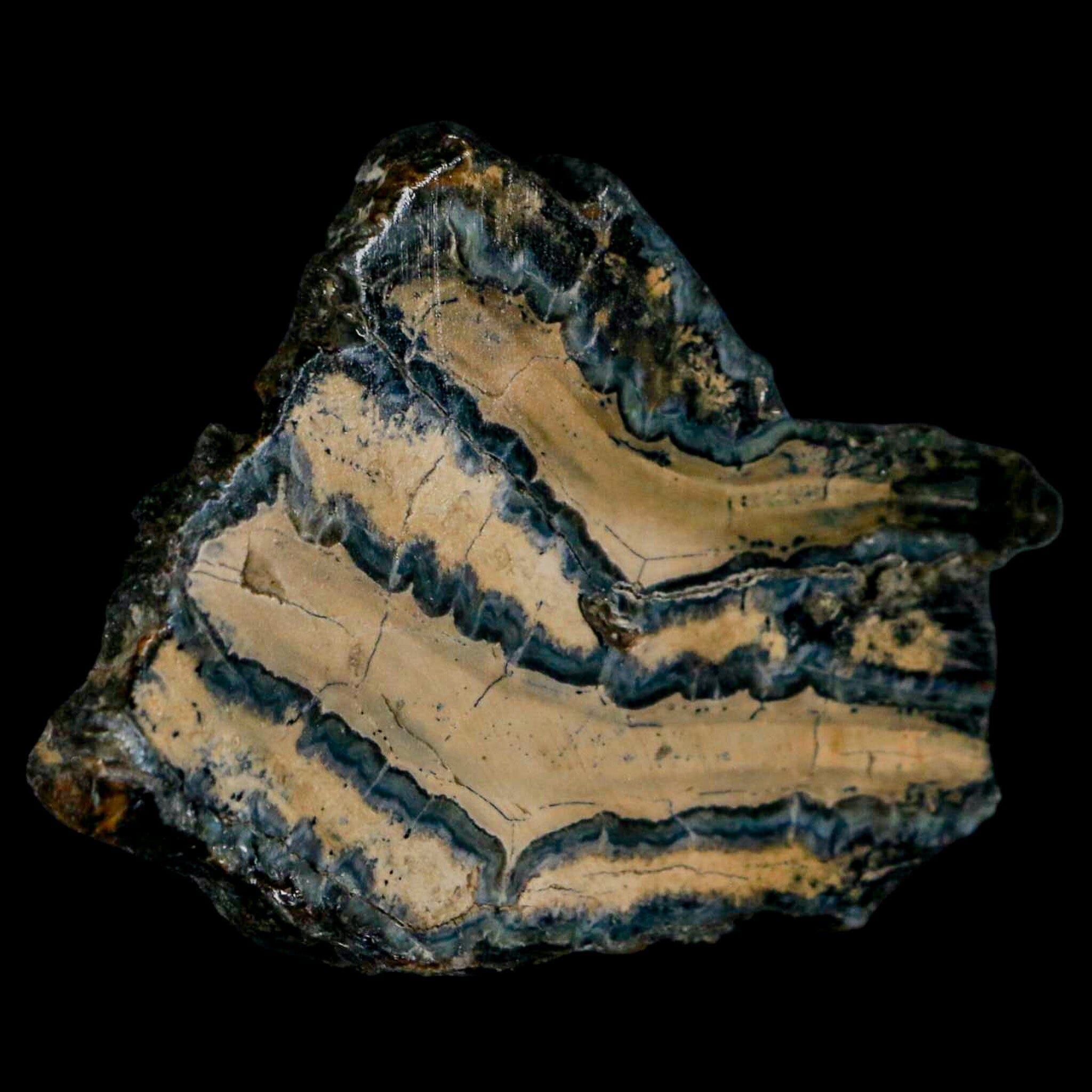
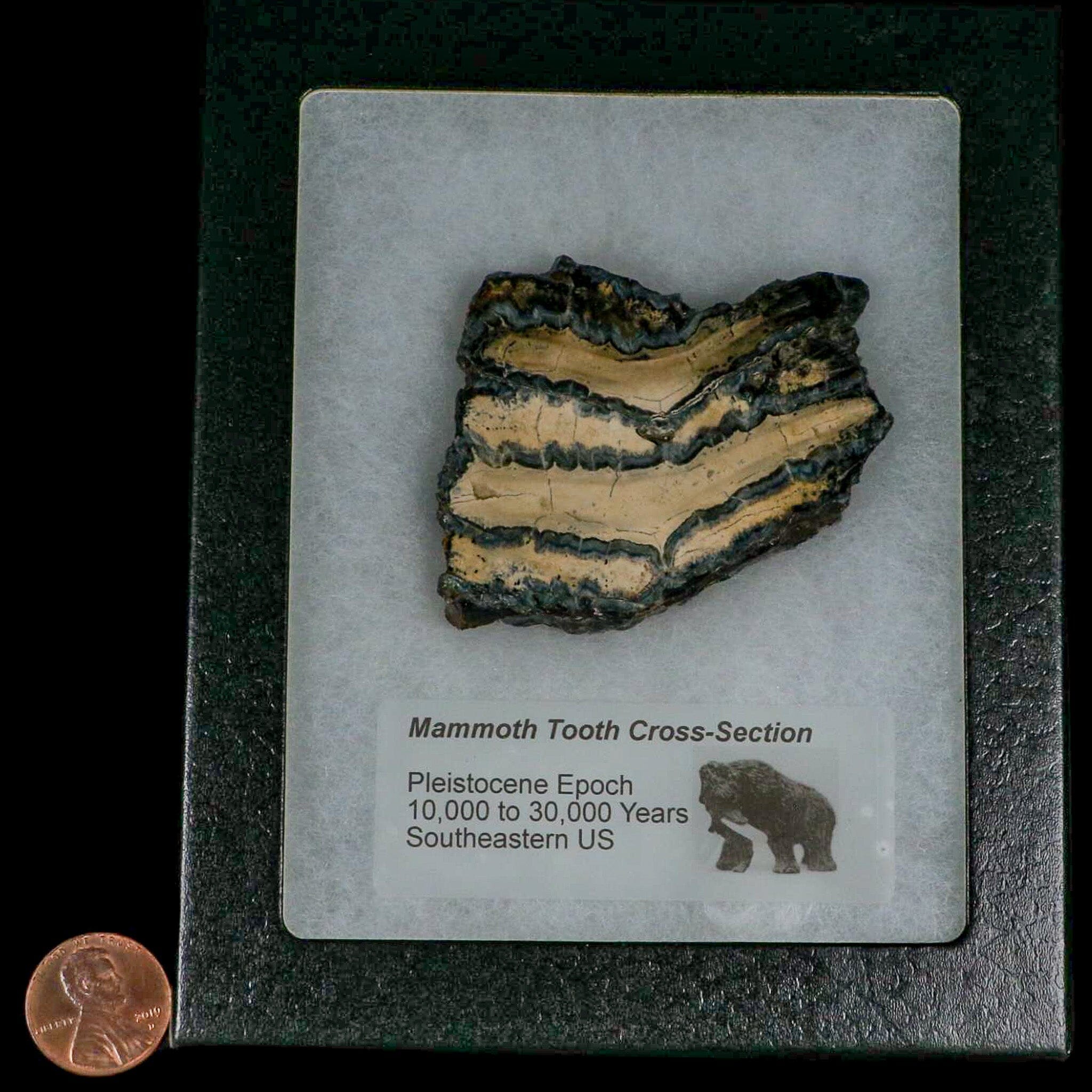
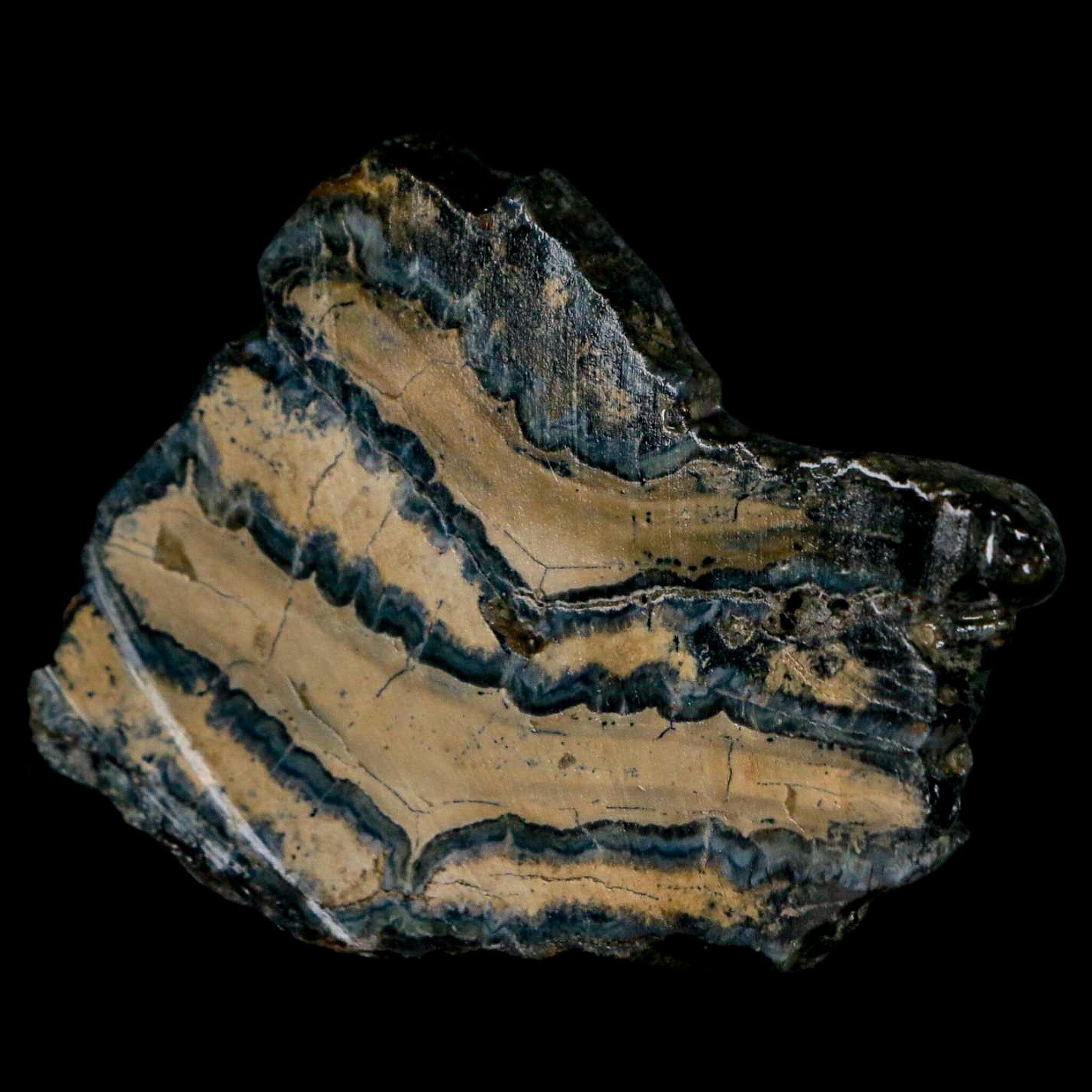
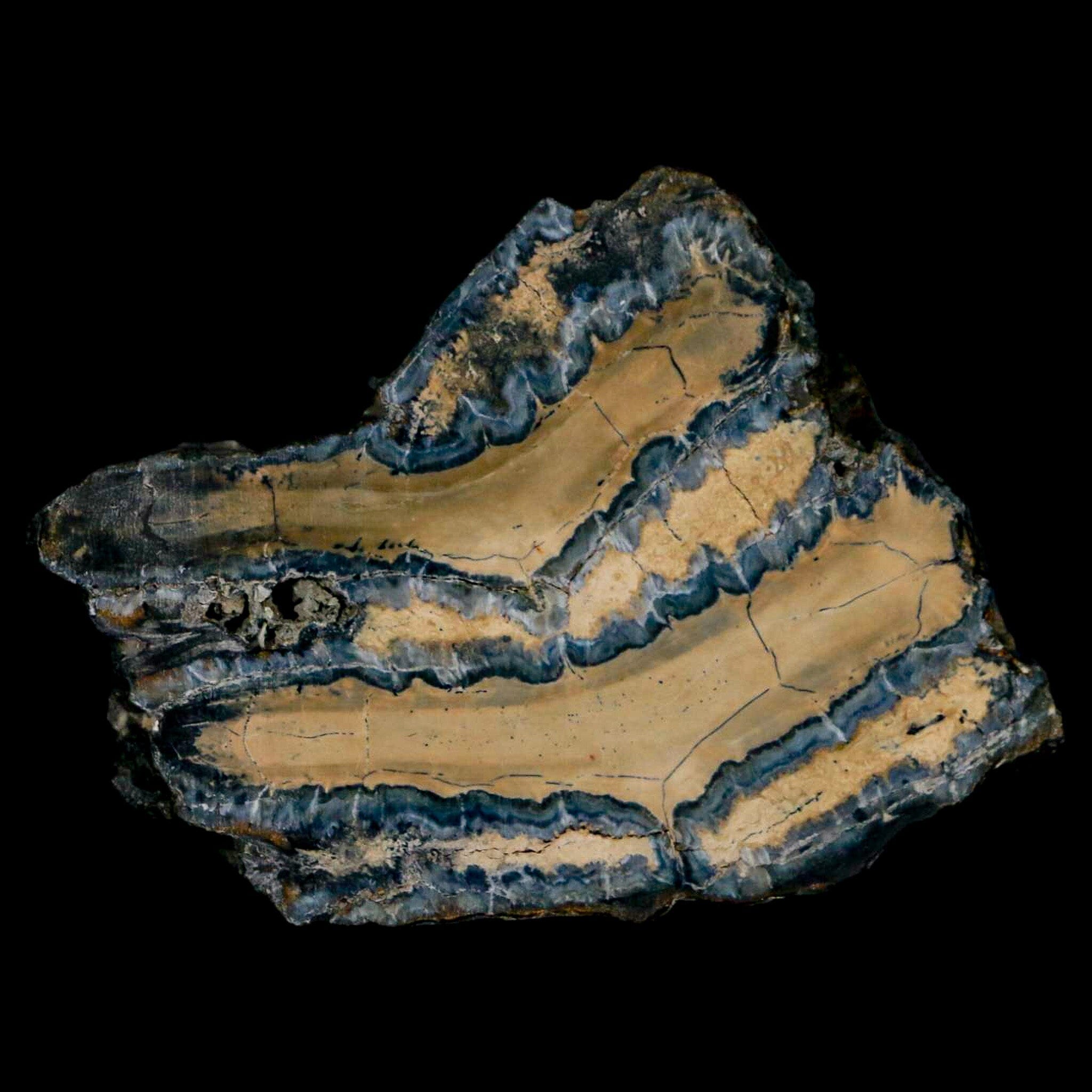
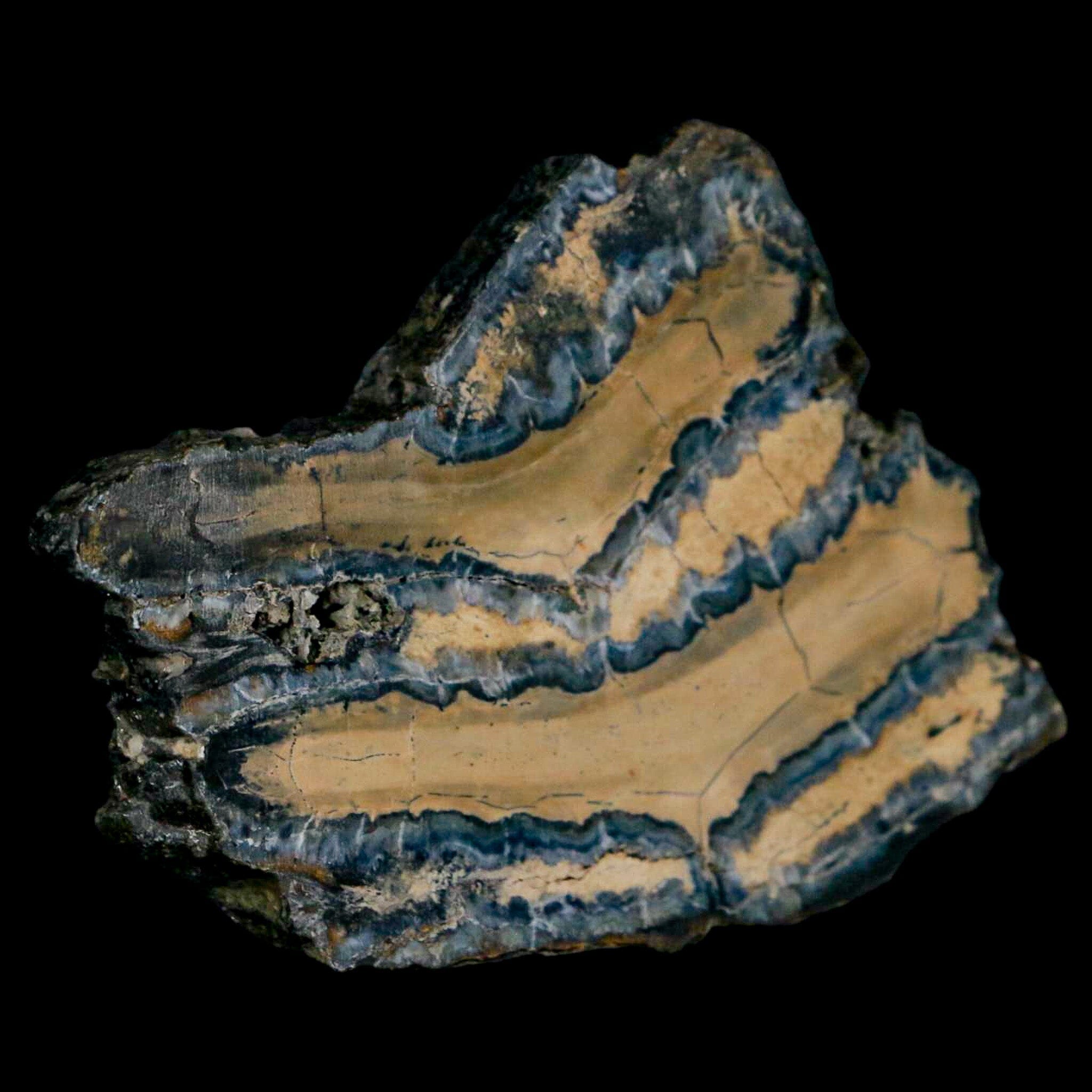
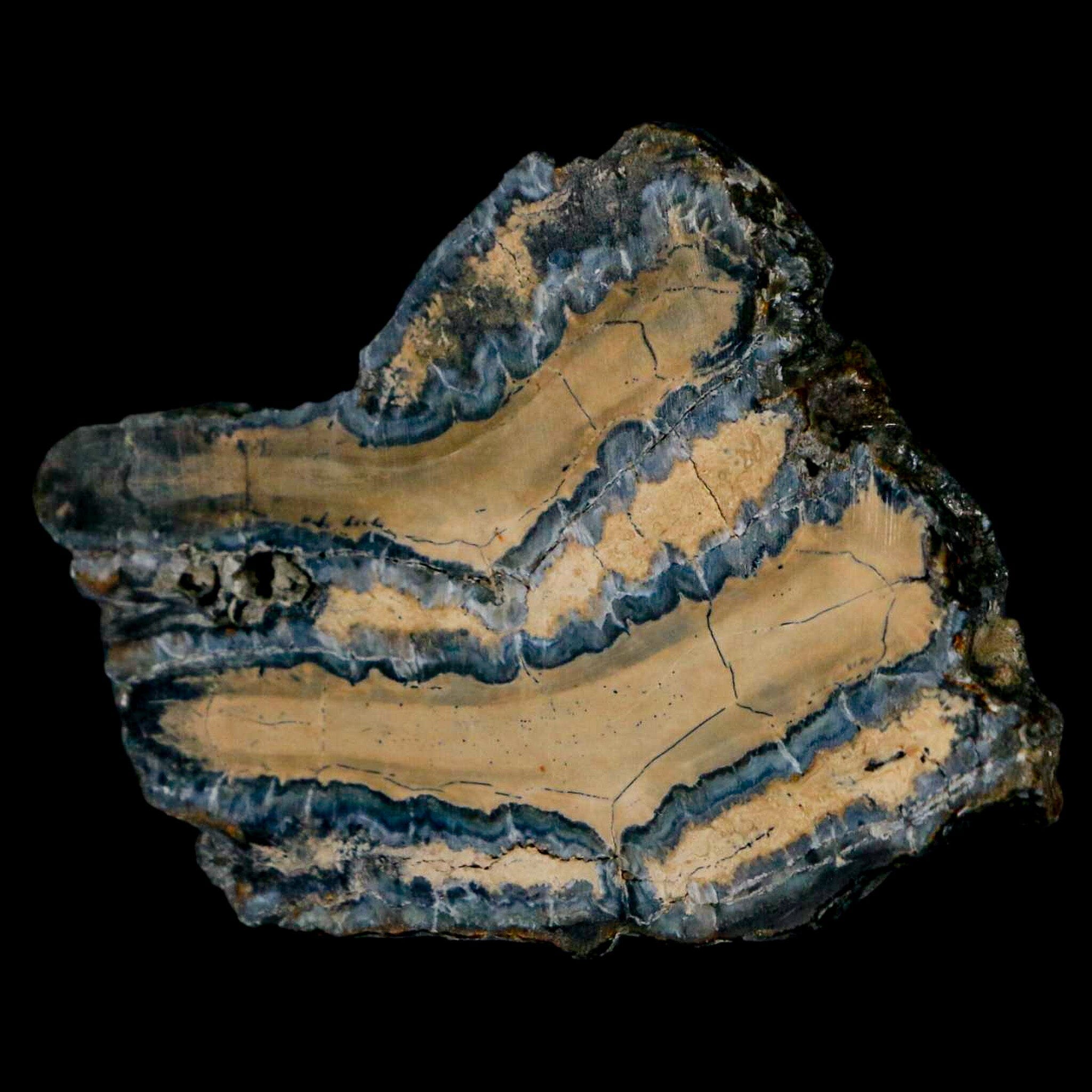


Description
Location: United States, Off The Gulf Coast, Florida. Hawthorne Formation
Weight: 5.5 Ounces with box
Dimensions of Tooth: 2.4 Inches Long, 2 Inches Wide, 0.3 Inches Thick
Comes with a Riker Display Box.
The item pictured is the one you will receive.
Pleistocene Epoch 20 Million Years old.
Trade in raw fossil “Mammoth” ivory is illegal in CA, HI, IL, NJ, NV, and NY
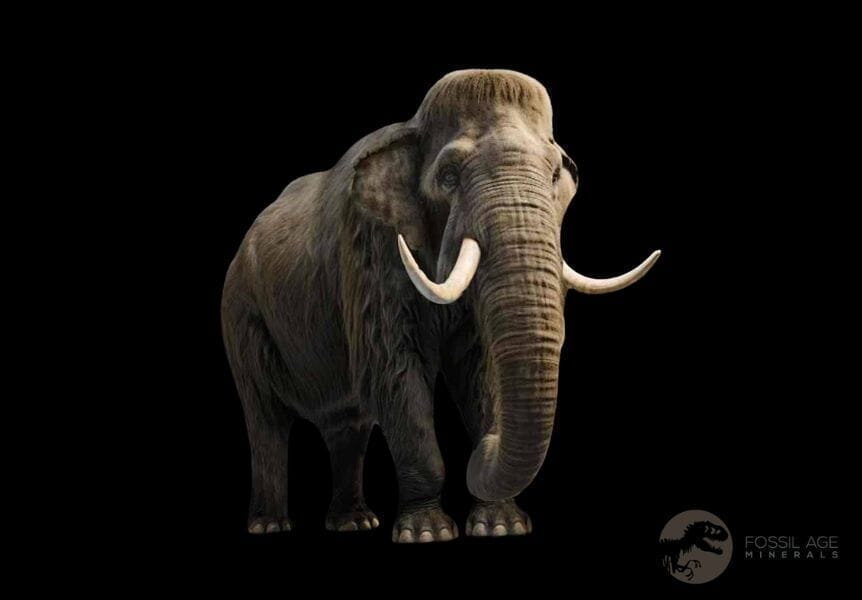
The Mammoth is a species of prehistoric elephant that lived during the Pleistocene epoch and was one of the last in its line of mammoth species. It diverged from the steppe mammoth approximately 400,000 years ago in East Asia. Its closest living relative is the Asian elephant.
The appearance and behavior of the mammoth are among the best-studied of any prehistoric animal, thanks to the discovery of frozen carcasses in Siberia and Alaska, as well as skeletons, teeth, stomach contents, dung, and depictions in prehistoric cave paintings. Mammoth remains were long known in Asia before becoming known to Europeans in the 17th century. Their origin was the subject of debate for centuries, with many explanations attributing the bones to legendary creatures.
In 1796, Georges Cuvier correctly identified the mammoth as an extinct species of elephant, establishing a foundation for the modern study of paleontology.
The woolly mammoth was roughly the same size as modern African elephants. Adult males reached shoulder heights between 2.7 and 3.4 meters (8.9–11.2 feet) and weighed up to 6 metric tons (6.6 short tons), while females measured 2.6–2.9 meters (8.5–9.5 feet) at the shoulder and weighed up to 4 metric tons (4.4 short tons). Newborn calves weighed about 90 kilograms (200 pounds).
Well adapted to the cold environments of the last Ice Age, the woolly mammoth was covered in thick fur, consisting of a long outer layer of guard hairs and a shorter undercoat. Coat colors ranged from dark to light, while its ears and tail were short to reduce heat loss and frostbite risk.
The woolly mammoth had long, curved tusks and four molars, which were replaced six times over its lifetime. Its behavior likely resembled that of modern elephants, using its tusks and trunk to manipulate objects, forage, and fight. Its diet consisted mainly of grasses and sedges. Individuals could live up to approximately 60 years.
These majestic creatures roamed the mammoth steppe, a vast habitat that stretched across northern Eurasia and North America.
