
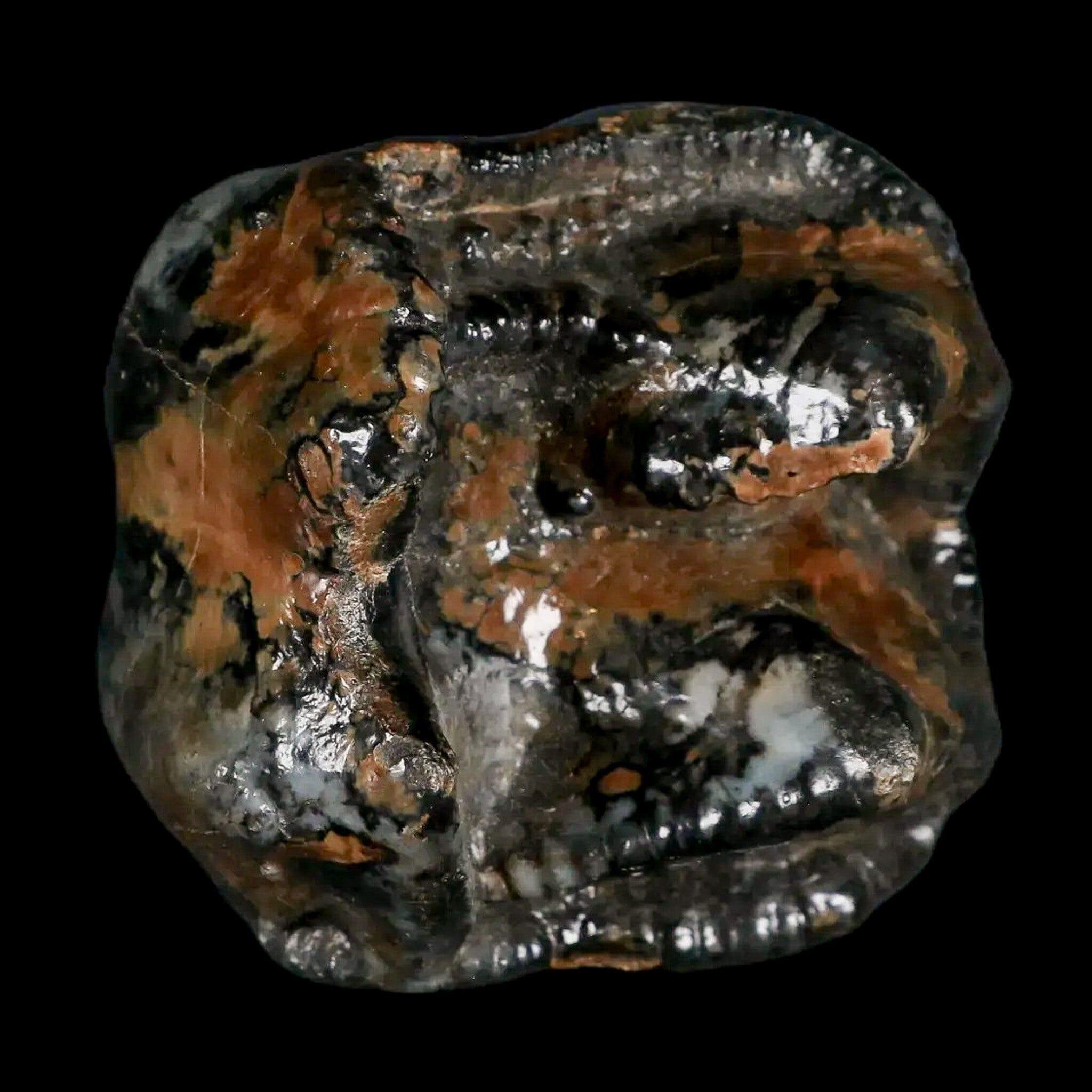
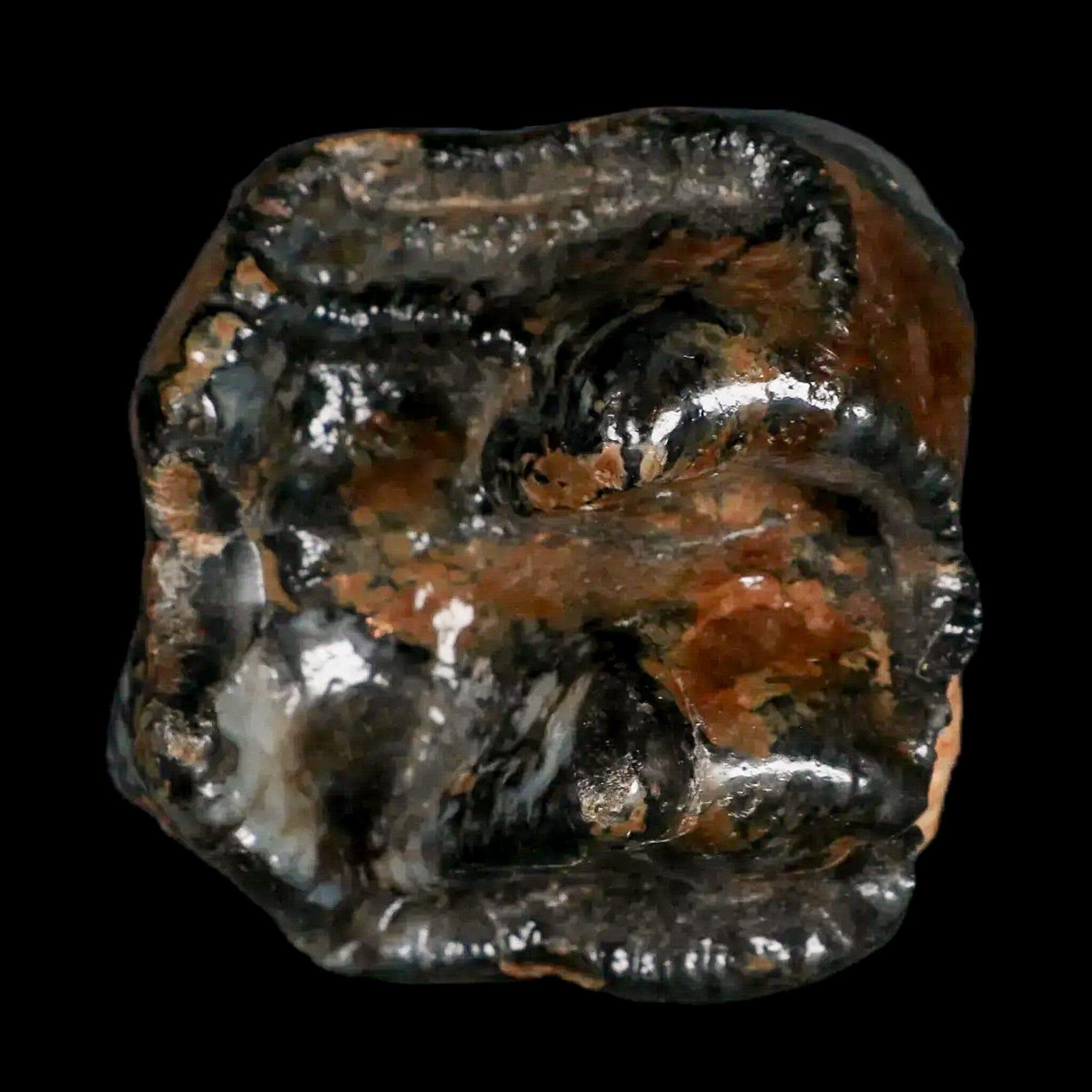
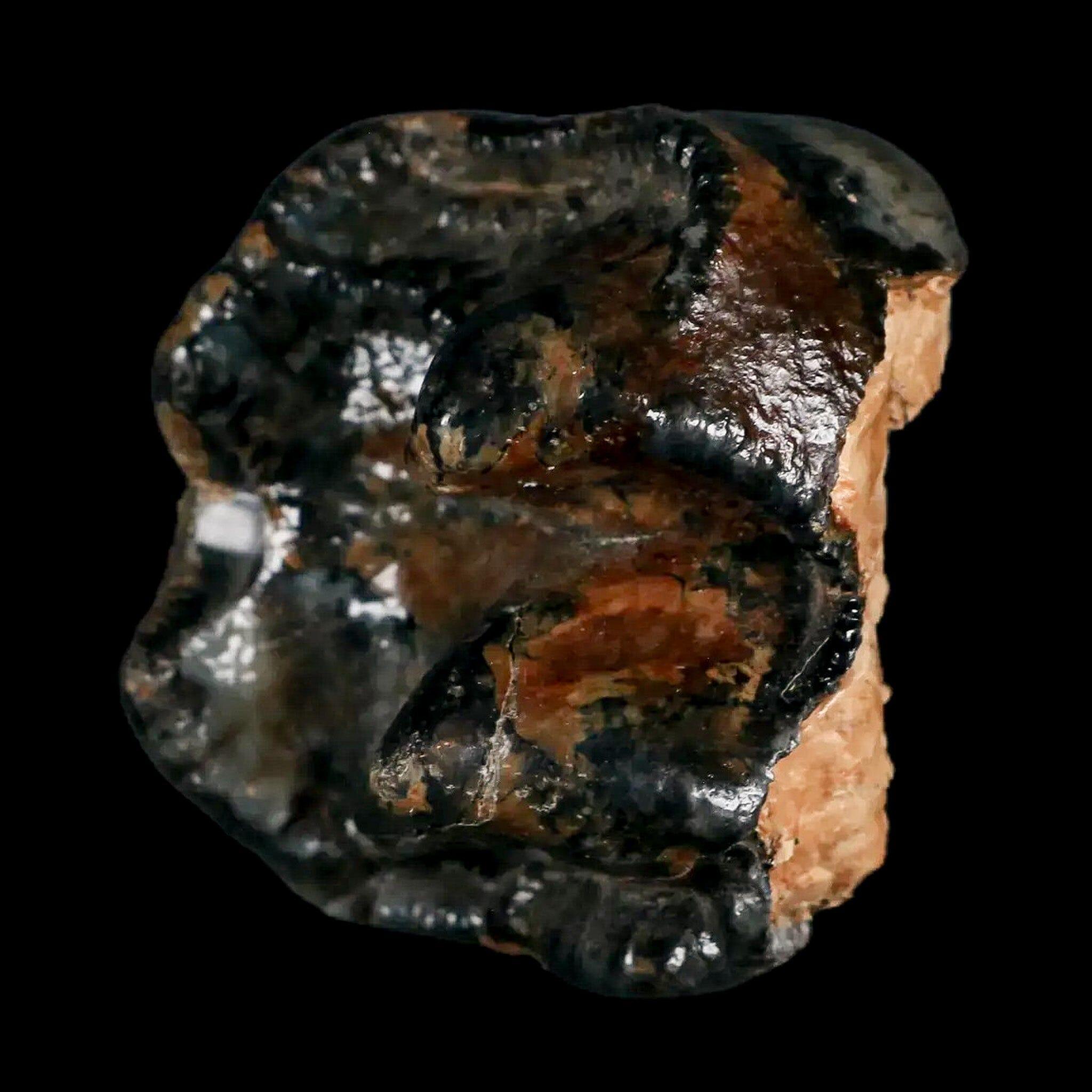
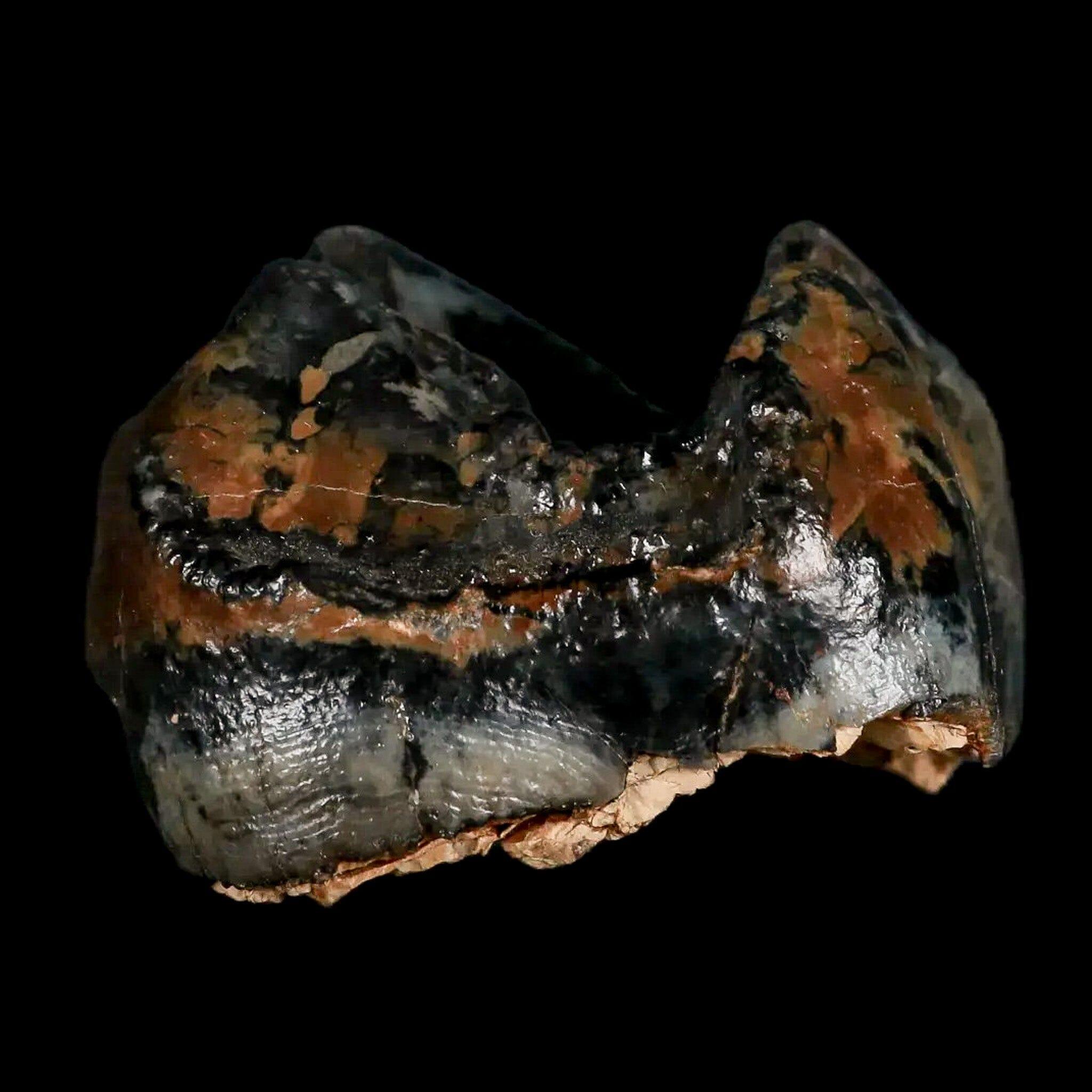


Description
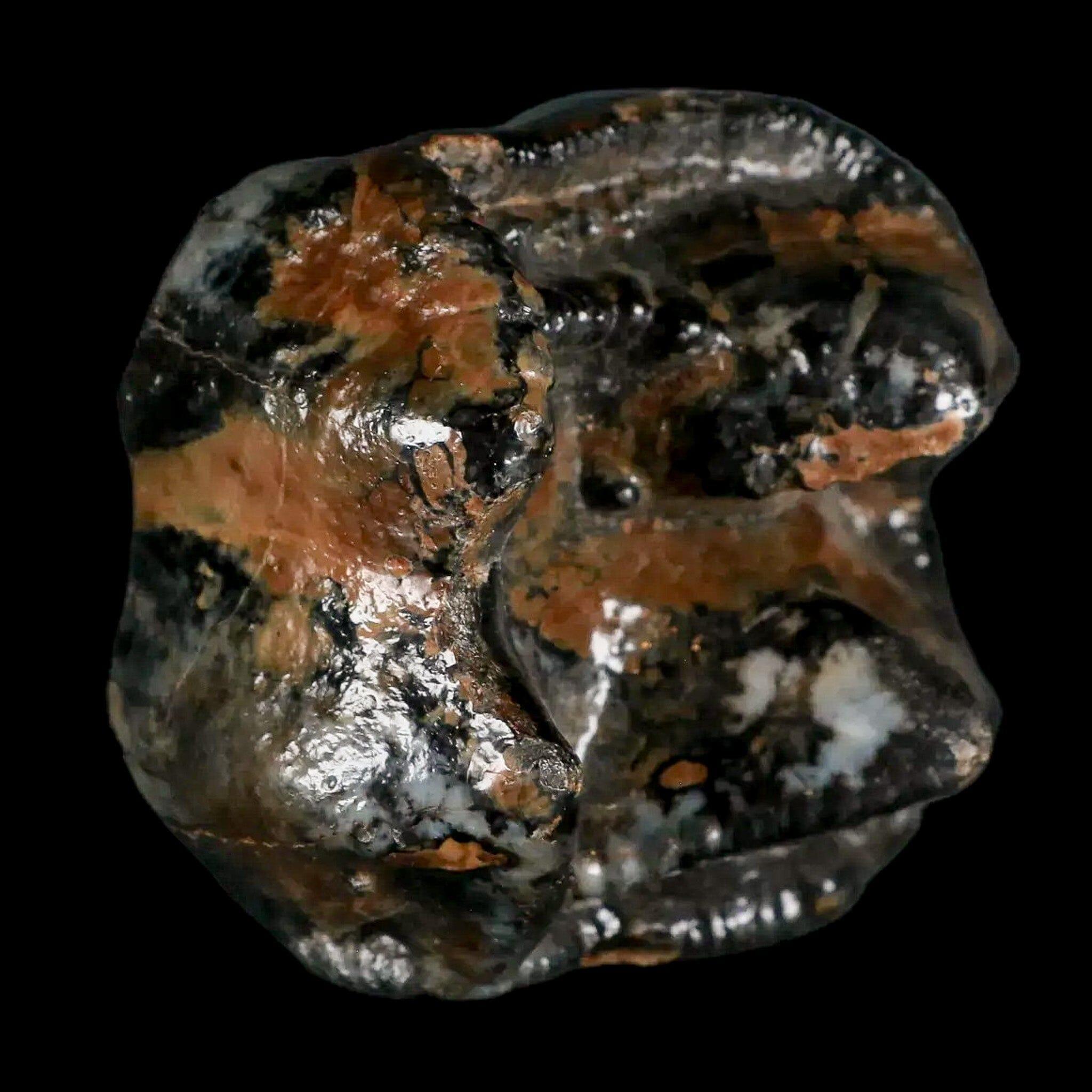
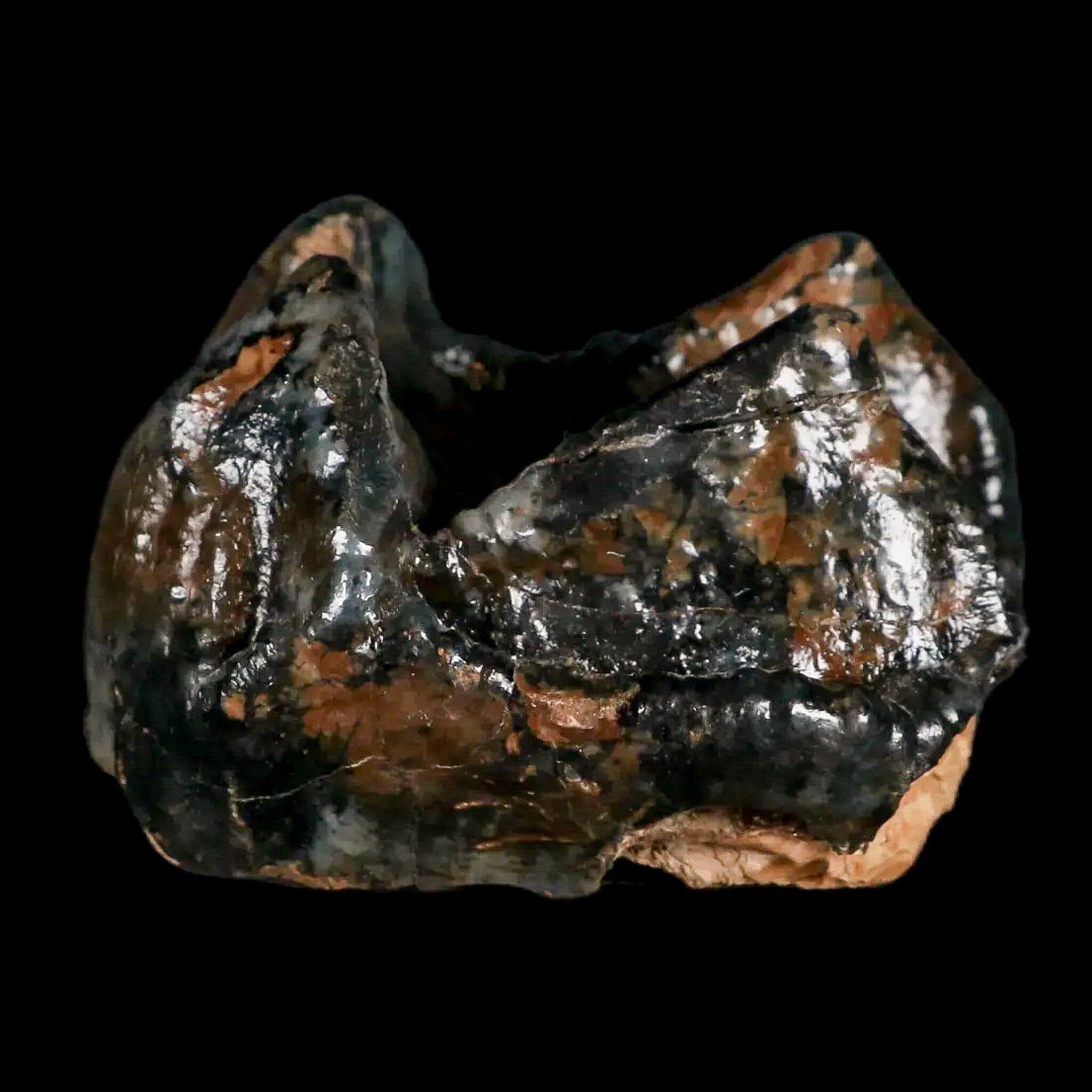
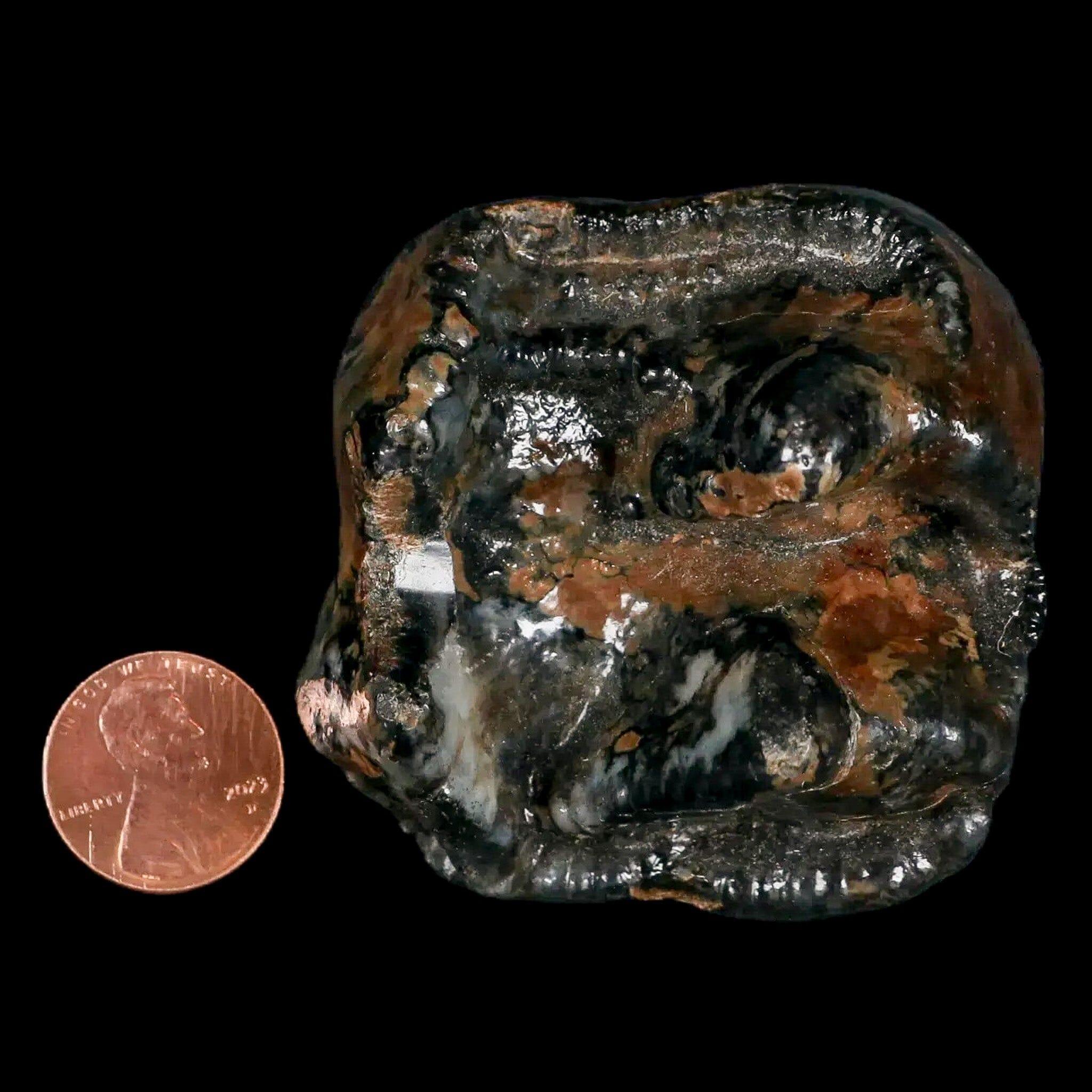
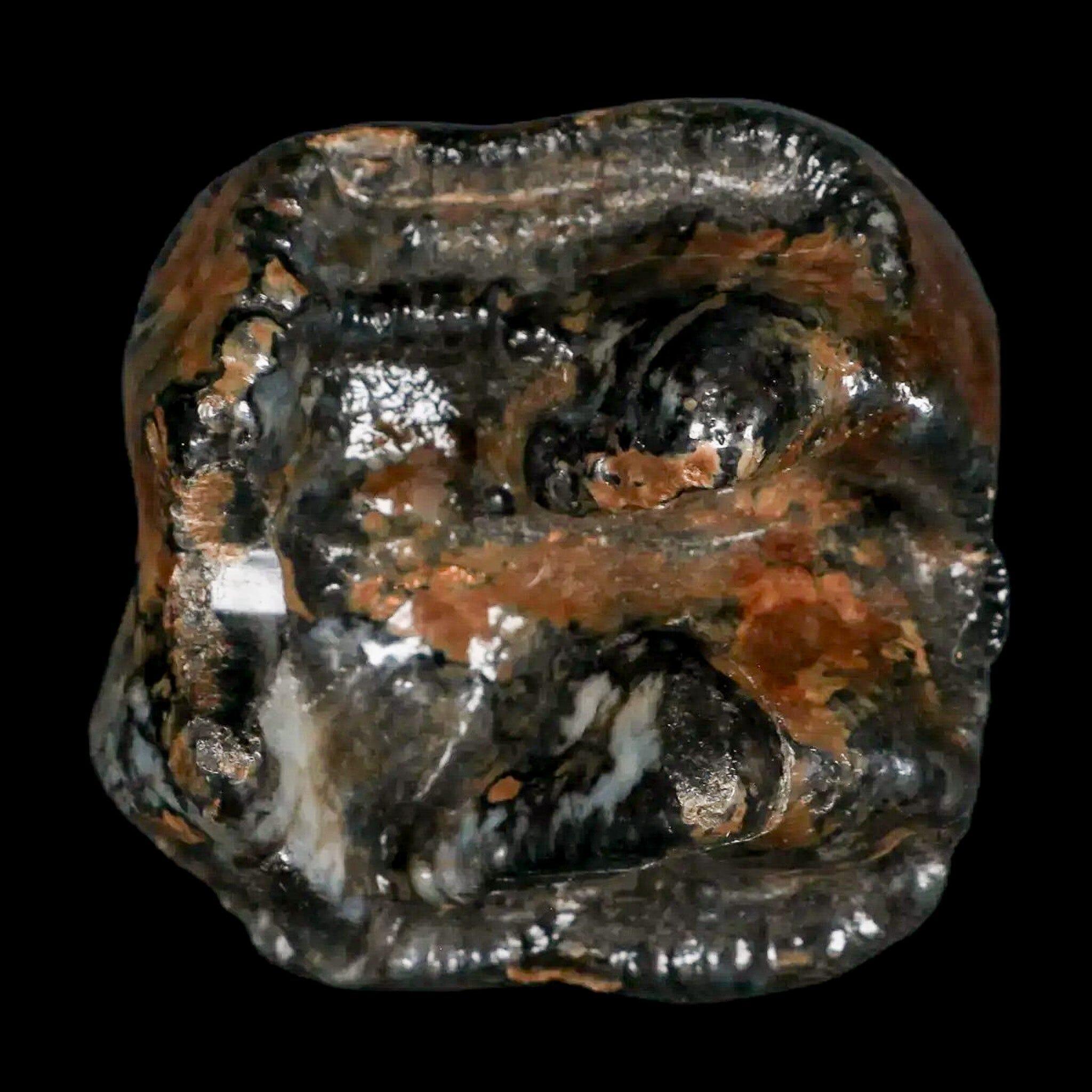
Location: Gracanica, Bosnia
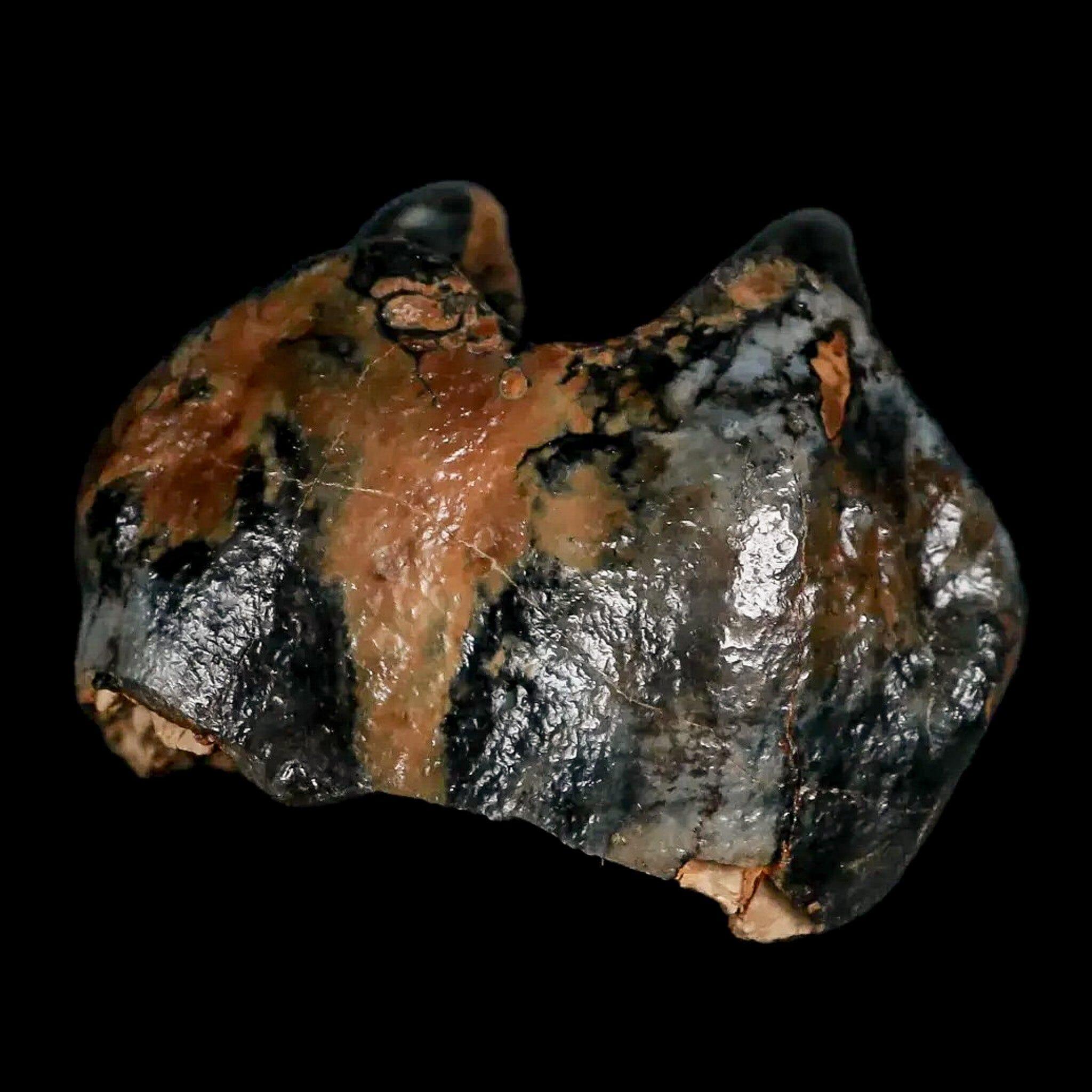
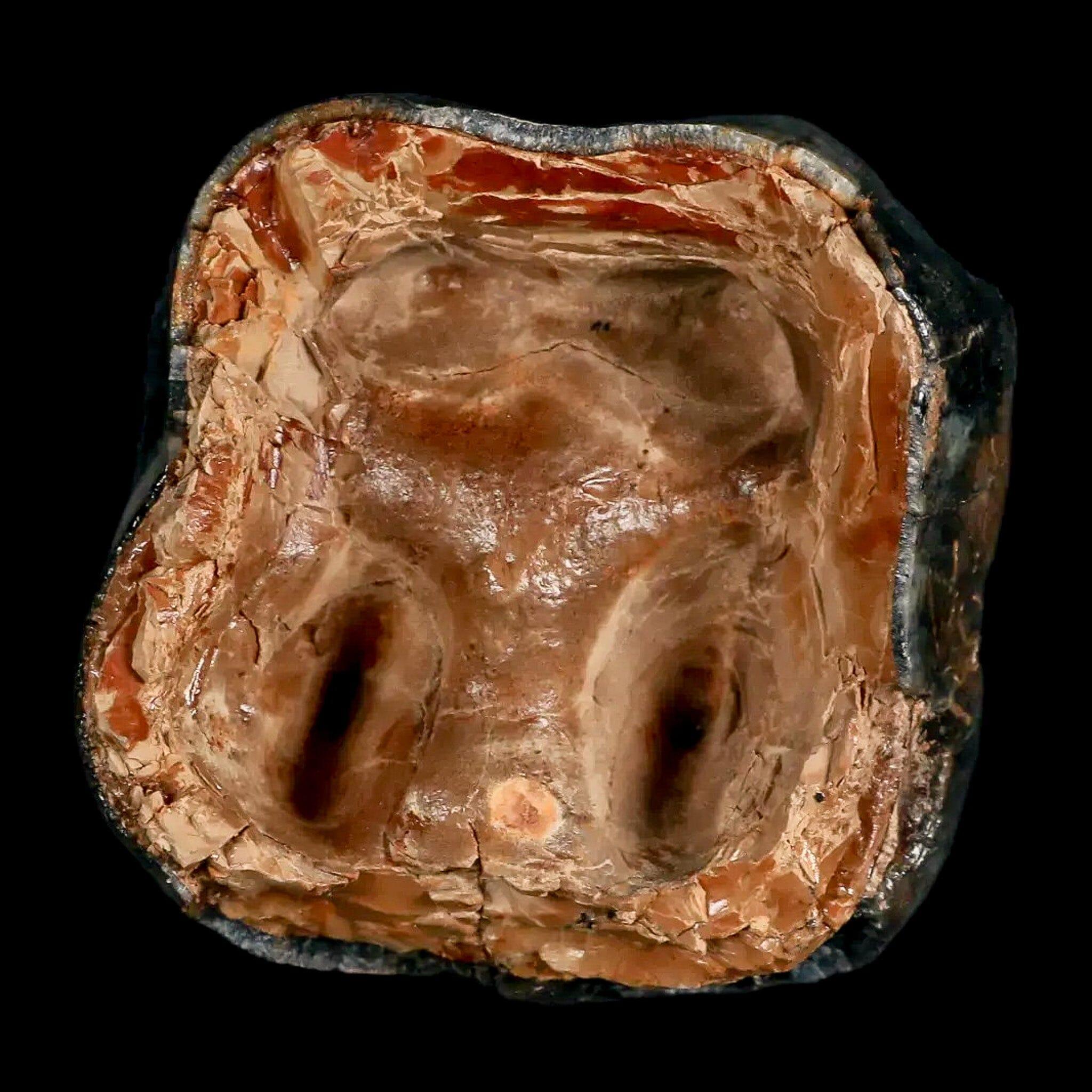
Weight: 3.6 Ounces
Dimensions: 2.3 Inches Long, 2.1 Inches Wide, 1.5 Inches Thick
Comes with a Certificate of Authenticity.
The Item pictured is the one you will receive.
Miocene Age 11 to 23 Million Years Old.
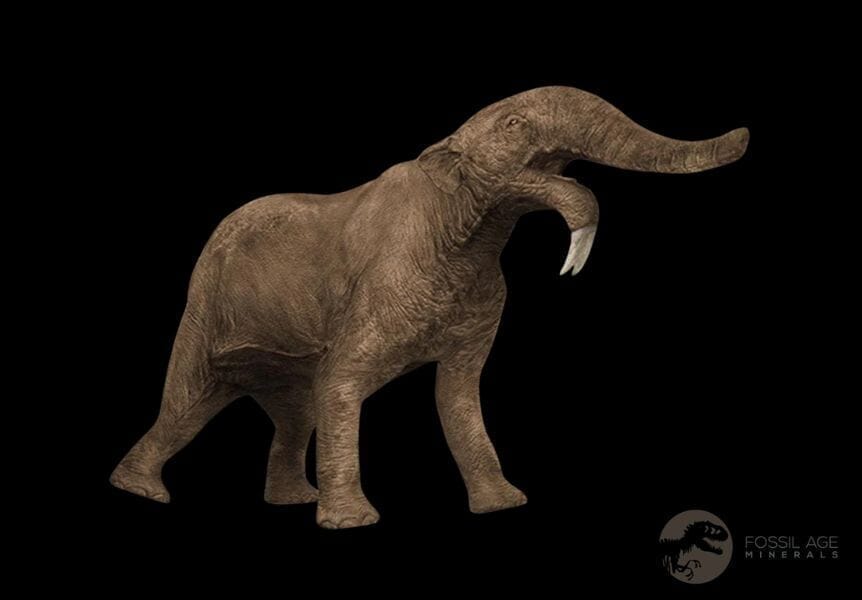
Deinotherium Giganteum, commonly referred to as the giant deinotherium, is an extinct genus of proboscidean that lived during the late Miocene to the Pleistocene epochs, approximately 23 million to 11,700 years ago. This remarkable creature is part of the family Deinotheriidae, which is characterized by its unique dental and skeletal features.
Morphology and Anatomy
Deinotherium giganteum was a colossal herbivore, with estimates suggesting it could reach 4 meters (13 feet) at the shoulder and weigh several tons. Its most distinctive feature was the downward-curving tusks, formed from elongated incisors. These tusks were likely used for foraging, digging, manipulating vegetation, and possibly defense.
The skull of Deinotherium was elongated and robust, featuring a pronounced forehead. Its flat molars indicate a herbivorous diet, adapted for grinding tough plant material. The sturdy limbs were designed to support its massive body weight, allowing it to navigate varied terrain.
Habitat and Distribution
Fossils of Deinotherium giganteum have been found across Europe, Africa, and parts of Asia, showing that it inhabited a variety of environments. It thrived in forested regions, where abundant foliage supported its herbivorous lifestyle. Fossil evidence across multiple geological strata indicates that Deinotherium adapted to changing climates over millions of years.
Behavior and Ecology
As a giant herbivore, Deinotherium played a key role in shaping plant communities, reaching higher foliage than many contemporaneous herbivores. Like modern elephants, it may have exhibited social behaviors, though definitive evidence of group structure is limited due to the constraints of the fossil record. Its ecological presence would have influenced both vegetation and the broader dynamics of prehistoric ecosystems.
Extinction
The extinction of Deinotherium giganteum is believed to have been driven by climate change, competition with other herbivores, and possibly early human activities. Cooling climates during the Pleistocene epoch transformed habitats, creating challenges that contributed to the decline of many large mammals, including Deinotherium.
Legacy
Deinotherium giganteum represents a significant chapter in the evolutionary history of proboscideans. Its unique adaptations, massive size, and ecological role provide valuable insights into how ancient species interacted with their environments and responded to ecological pressures over time.
