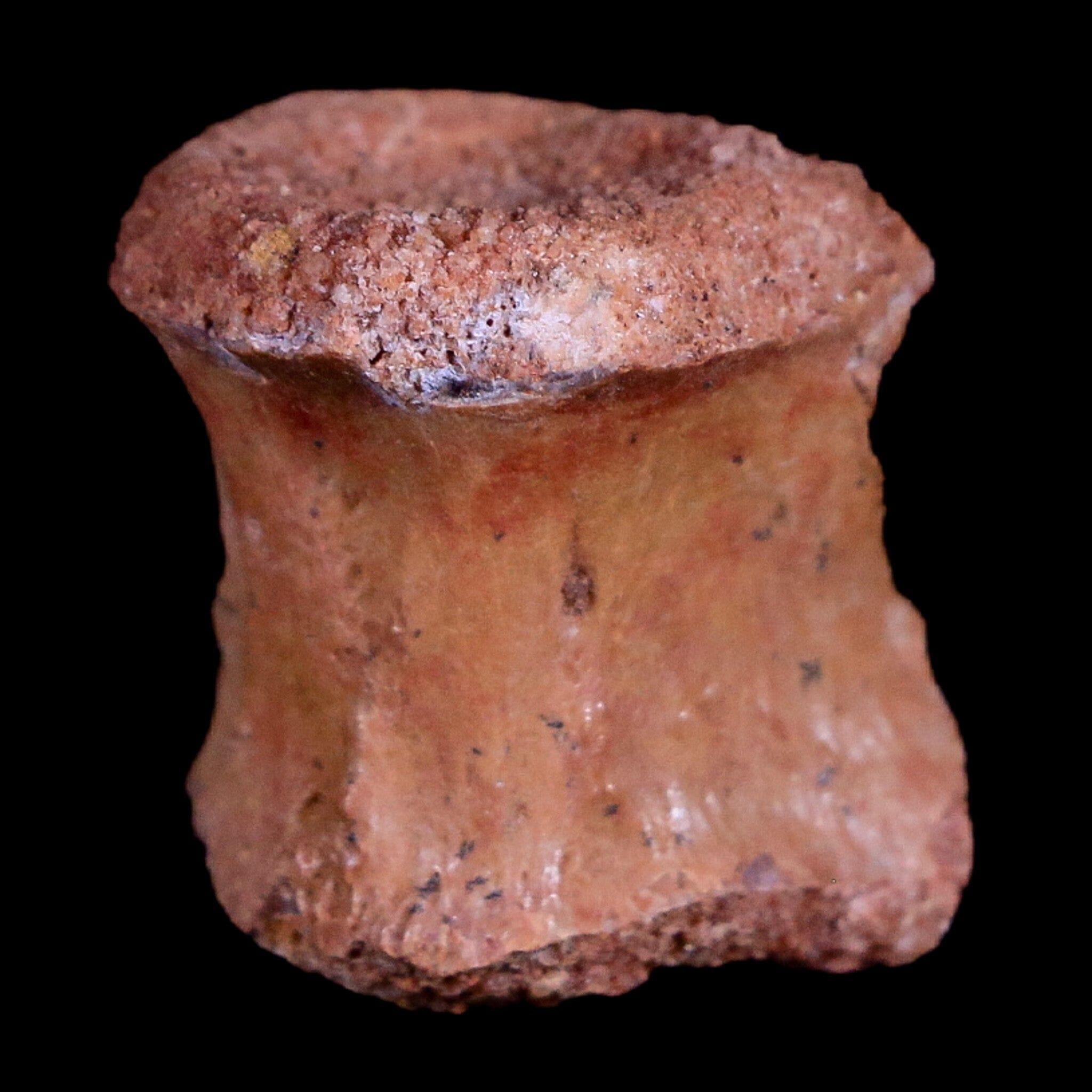
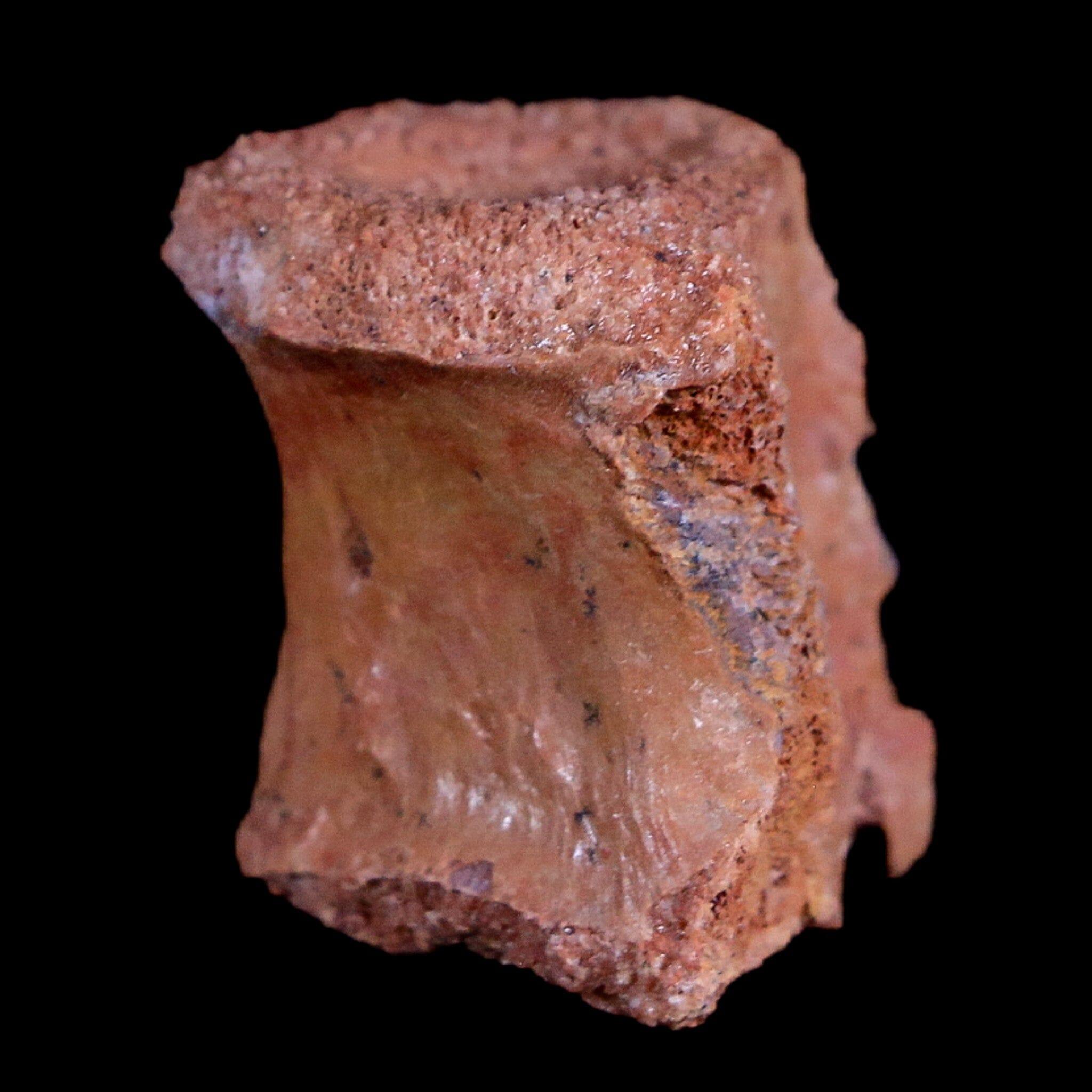
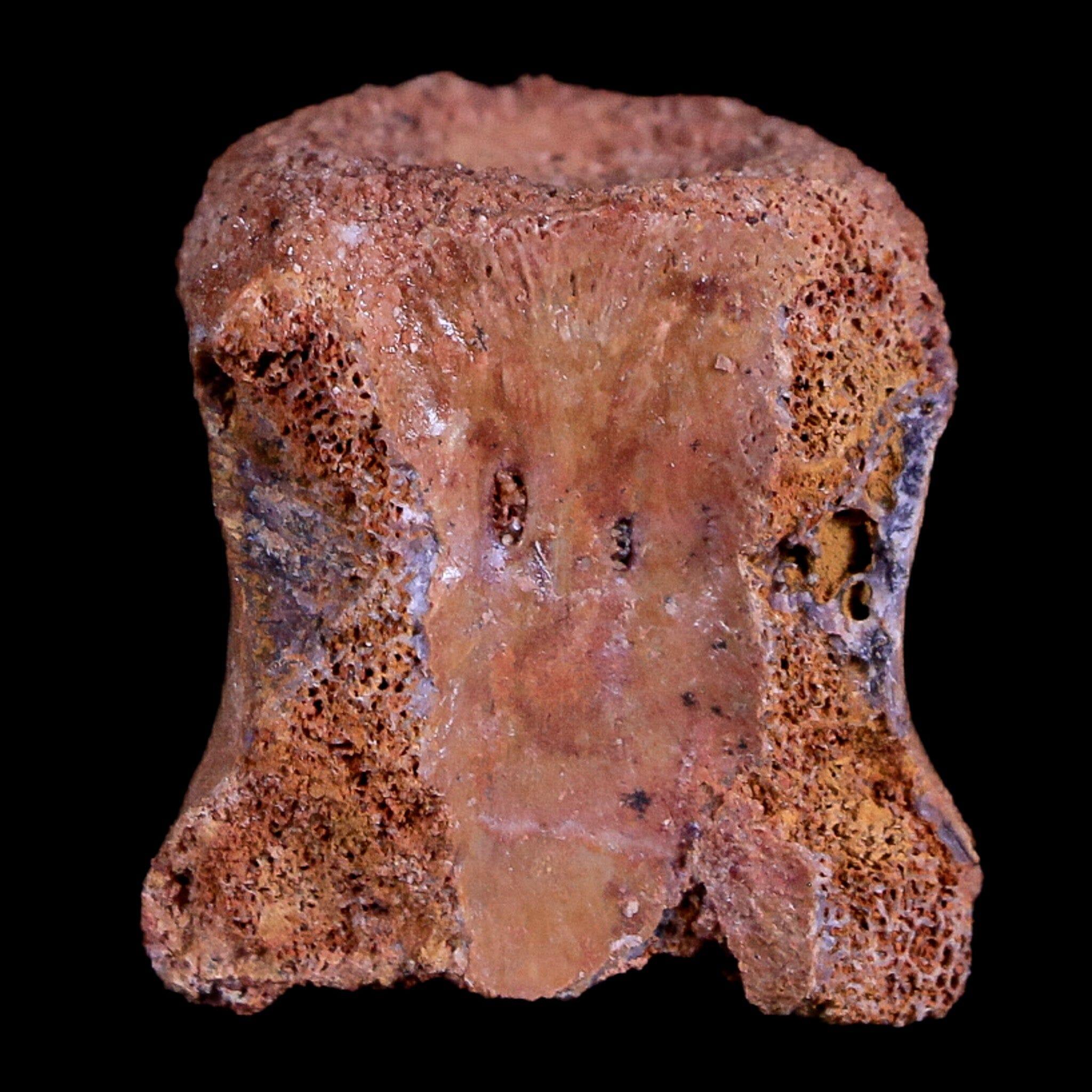
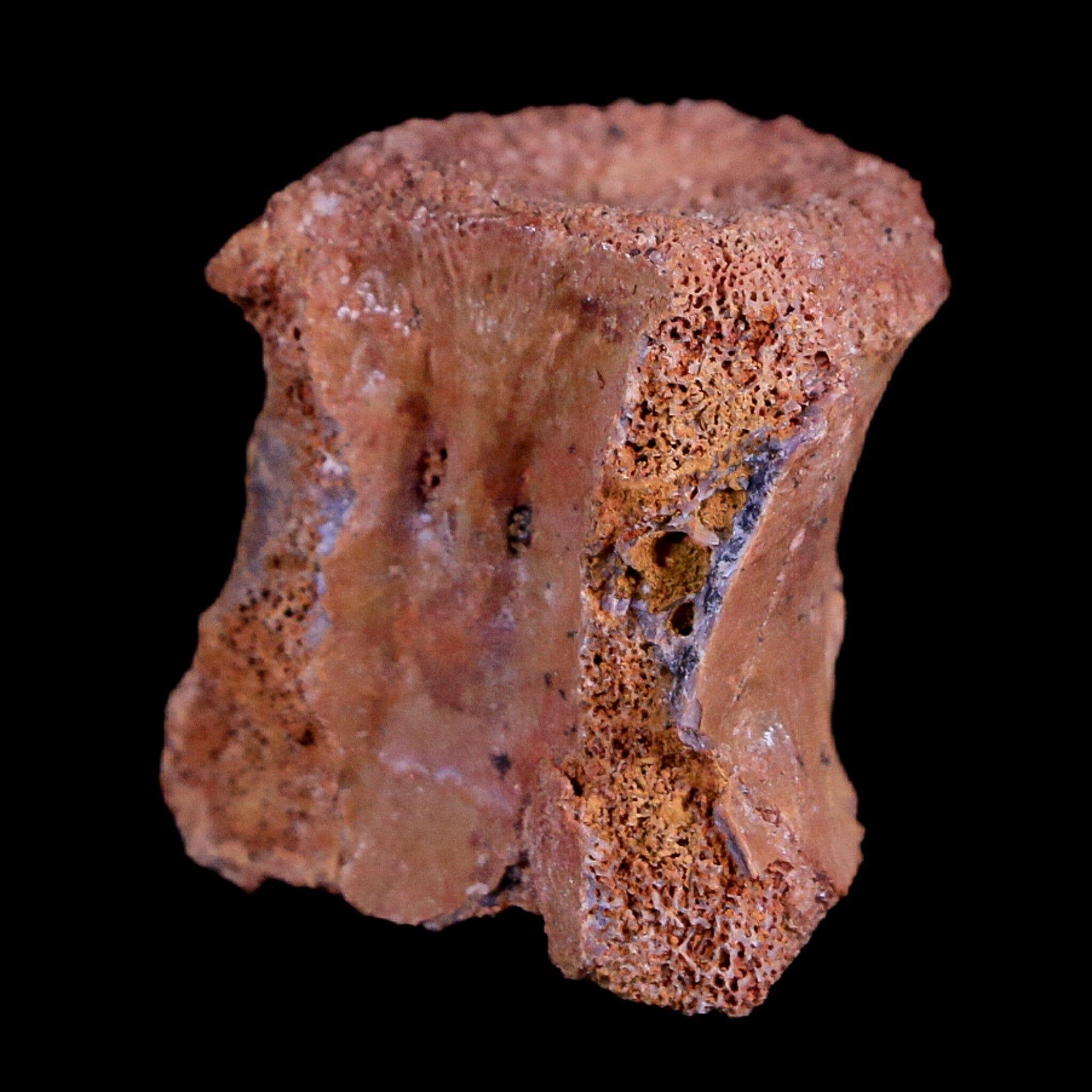


Description
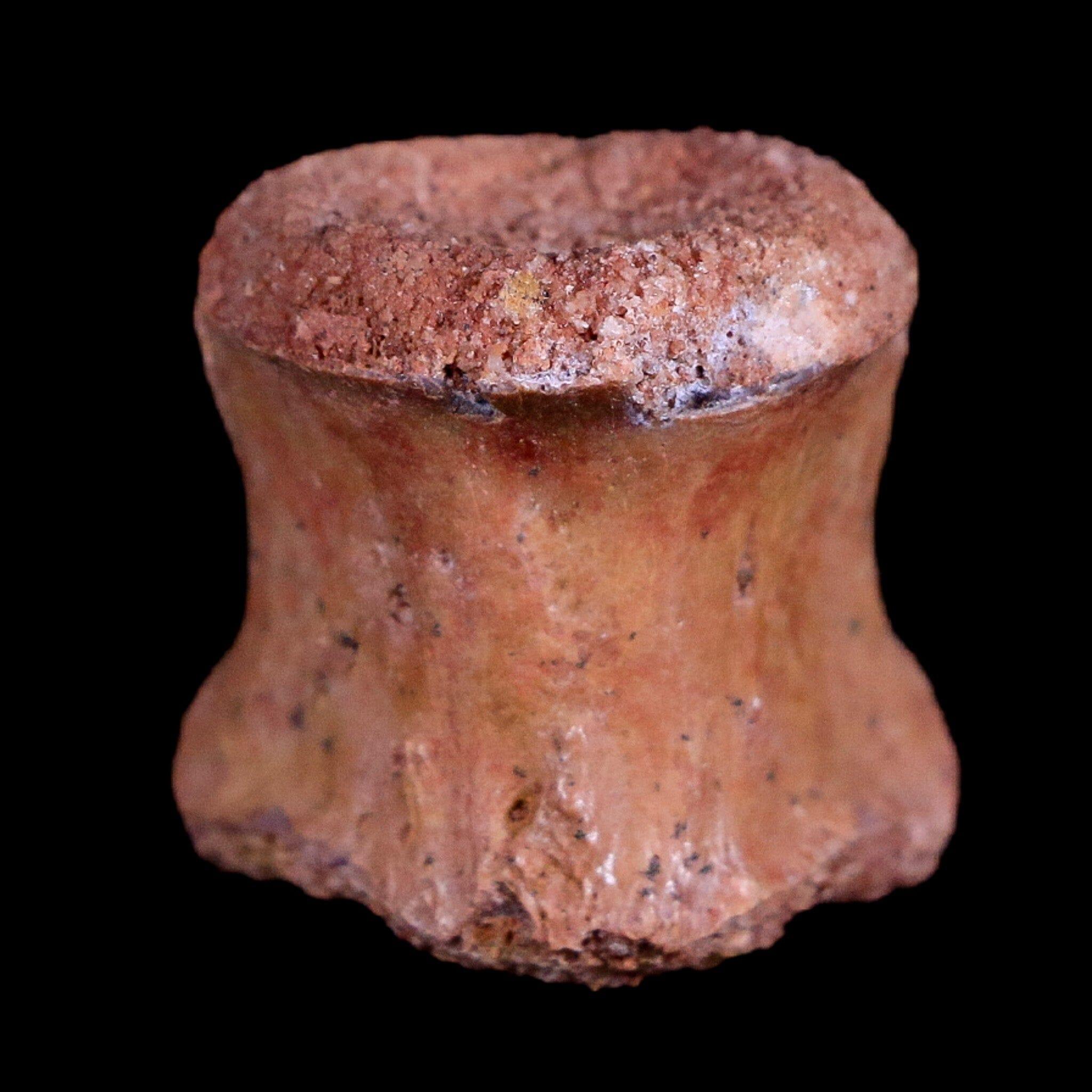
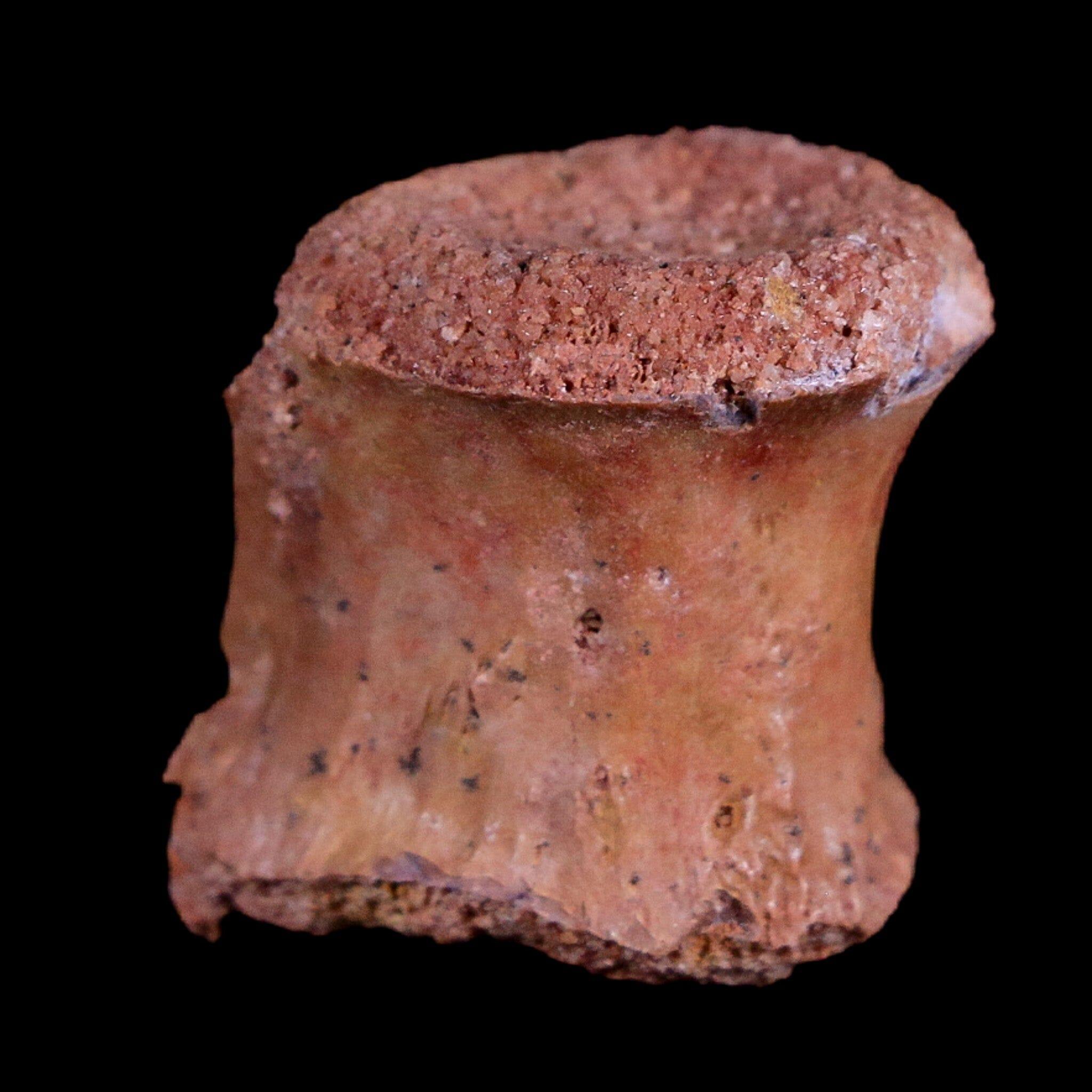
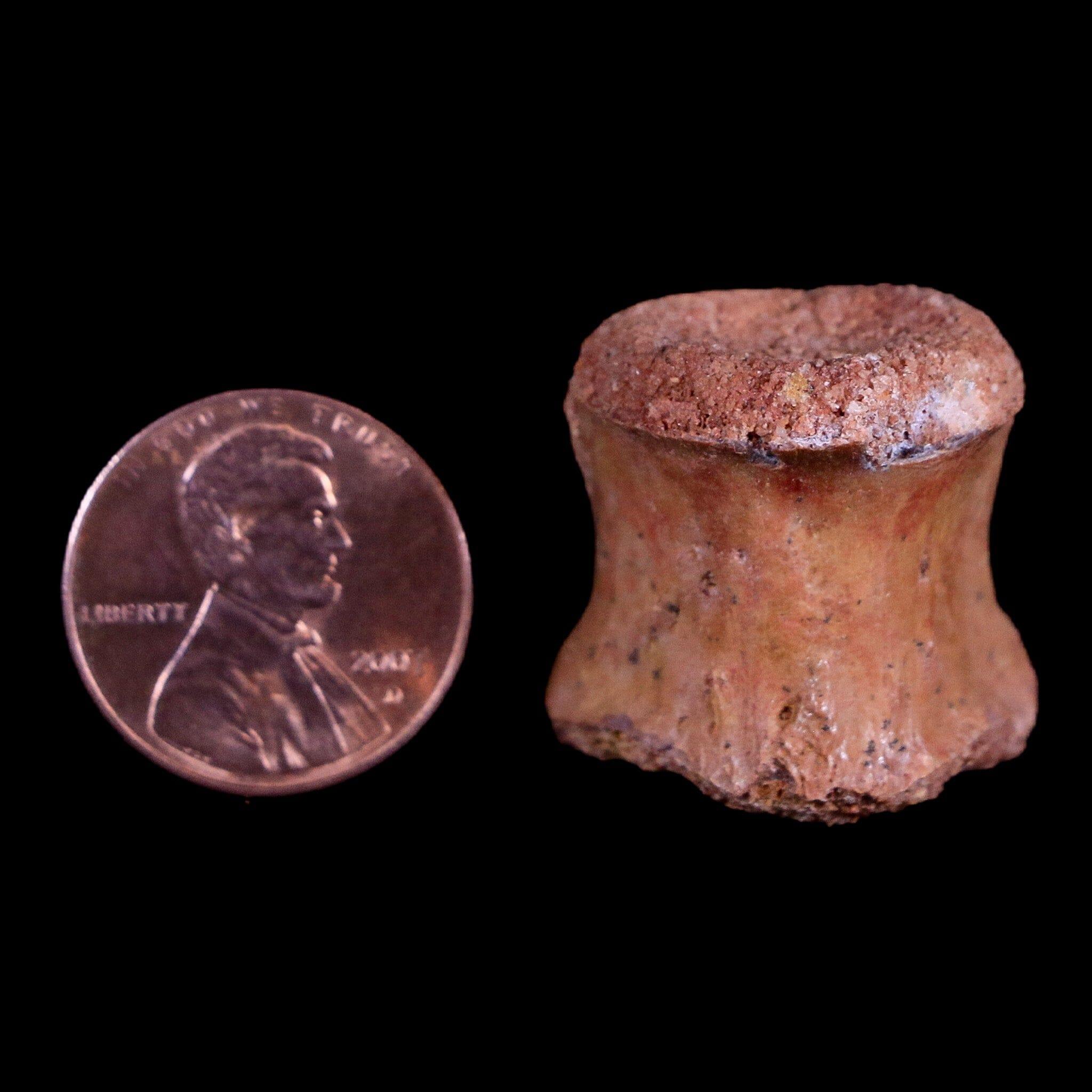
Location: Hell Creek Formation, Montana (Private Land Origin)
Weight: 0.3 Ounces
Dimensions: 1 Inch Long, 0.9 Inches Wide, 0.7 Inches Thick
The item pictured is the one you will receive.
Cretaceous Age through to the Eocene Age
Crocodiles are reptiles belonging to the order Crocodylia. They have existed for millions of years, evolving into a variety of species over time. During the Cretaceous Age (approximately 145 to 66 million years ago), several crocodile species inhabited the Hell Creek Formation in the United States. This formation, spanning parts of Montana, North Dakota, South Dakota, and Wyoming, represents a rich terrestrial environment from the Late Cretaceous period.
1. Deinosuchus – The Giant Predator
Deinosuchus was one of the largest crocodile-like reptiles ever to exist, with some individuals reaching lengths of up to 40 feet (12 meters). It had a robust body, a long snout filled with sharp teeth, and powerful limbs suited for swimming and walking on land. As an apex predator, Deinosuchus likely preyed on dinosaurs and other large animals, occupying the top position in its ecosystem.
2. Borealosuchus – The Medium-Sized Hunter
Borealosuchus was a medium-sized crocodile, smaller and more slender than Deinosuchus, measuring approximately 10–15 feet (3–4.5 meters) in length. Its long, narrow snout contained numerous sharp teeth, suggesting it primarily fed on fish and small vertebrates, thriving in freshwater and near-shore habitats.
3. Leidyosuchus – The Small Specialist
Leidyosuchus was a smaller crocodile species, reaching about 6–8 feet (1.8–2.4 meters) in length. It had a broad, rounded snout with blunt teeth, indicating a diet of mollusks, crustaceans, and other small aquatic organisms. Despite its modest size, Leidyosuchus occupied a specialized ecological niche in the Hell Creek Formation.
