

Description
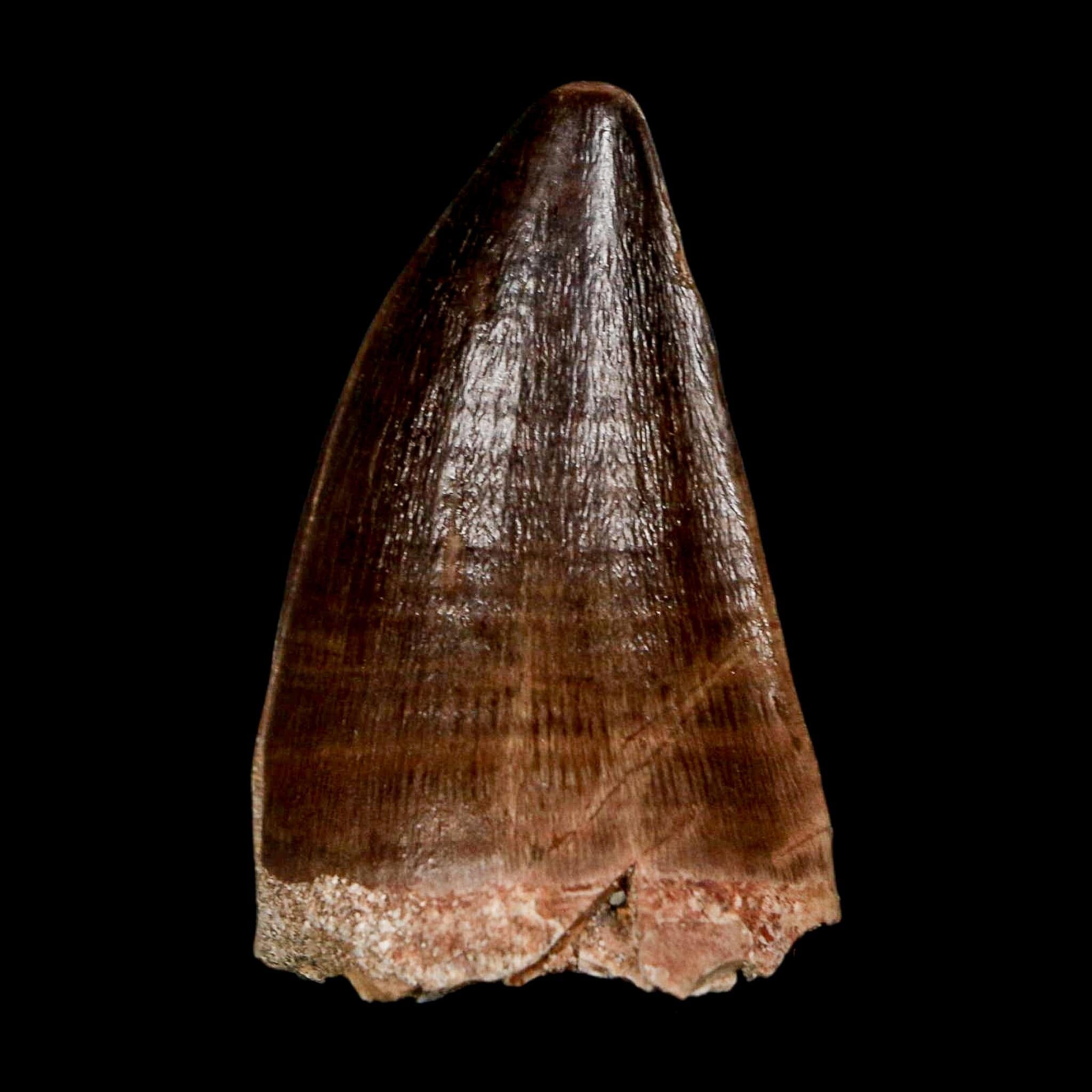
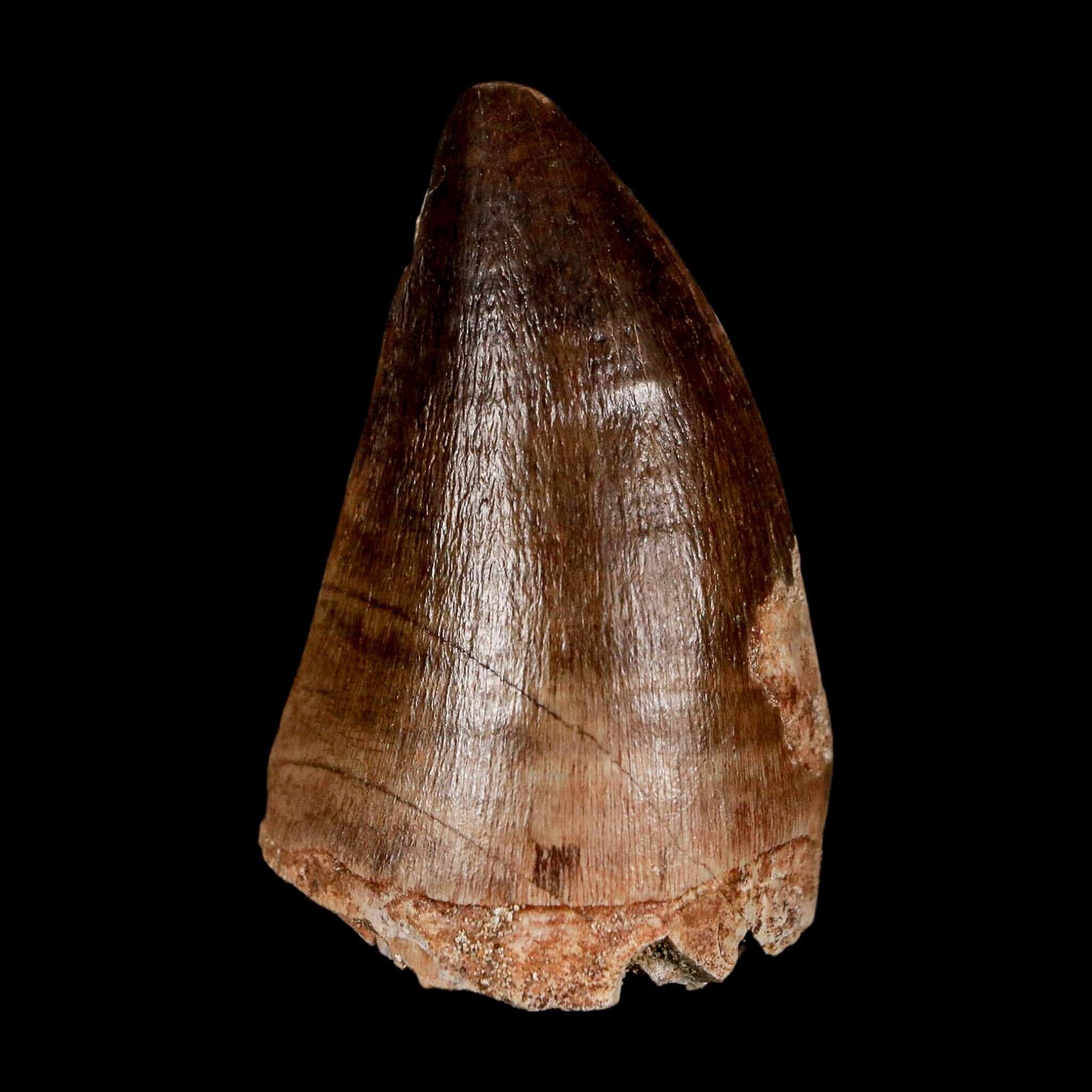
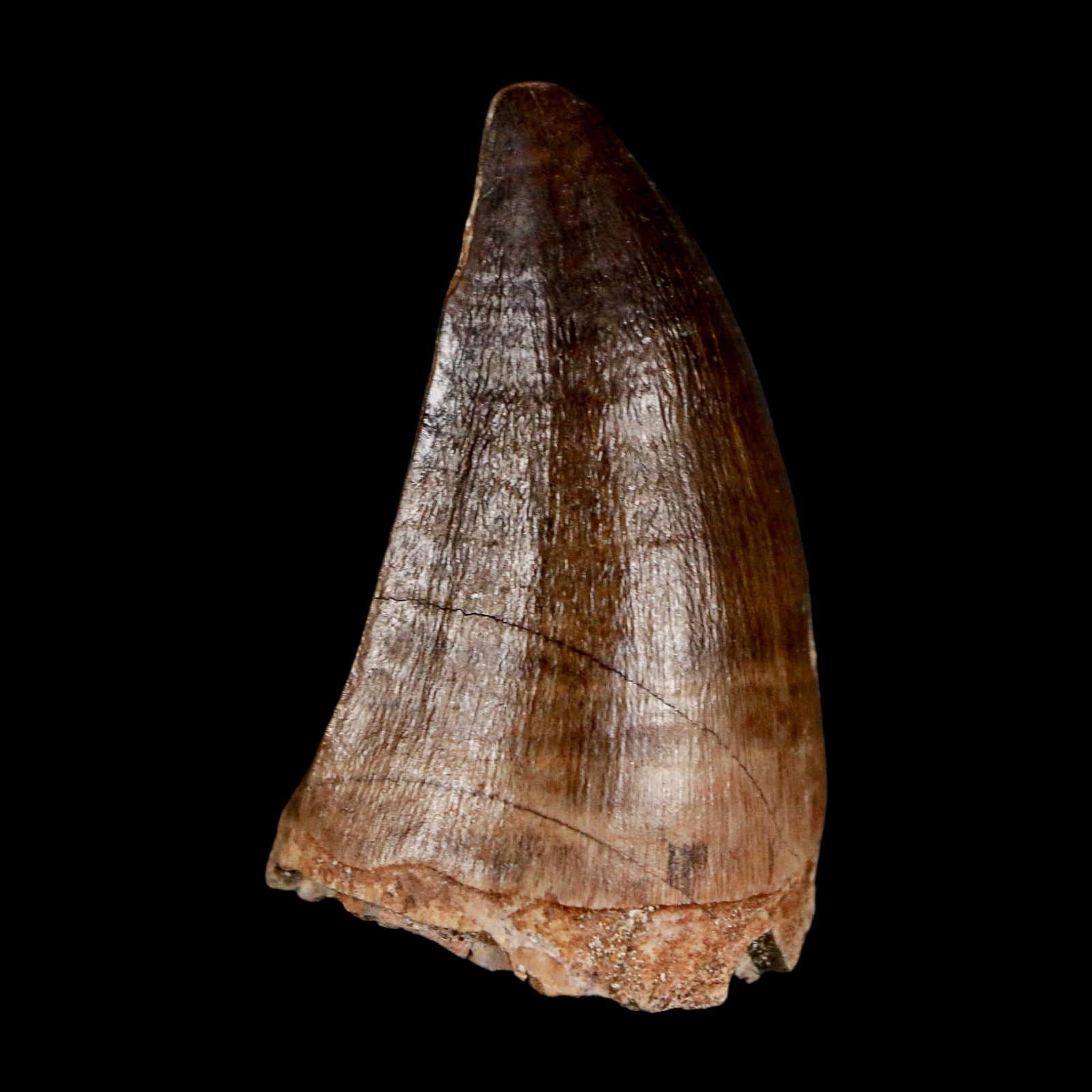
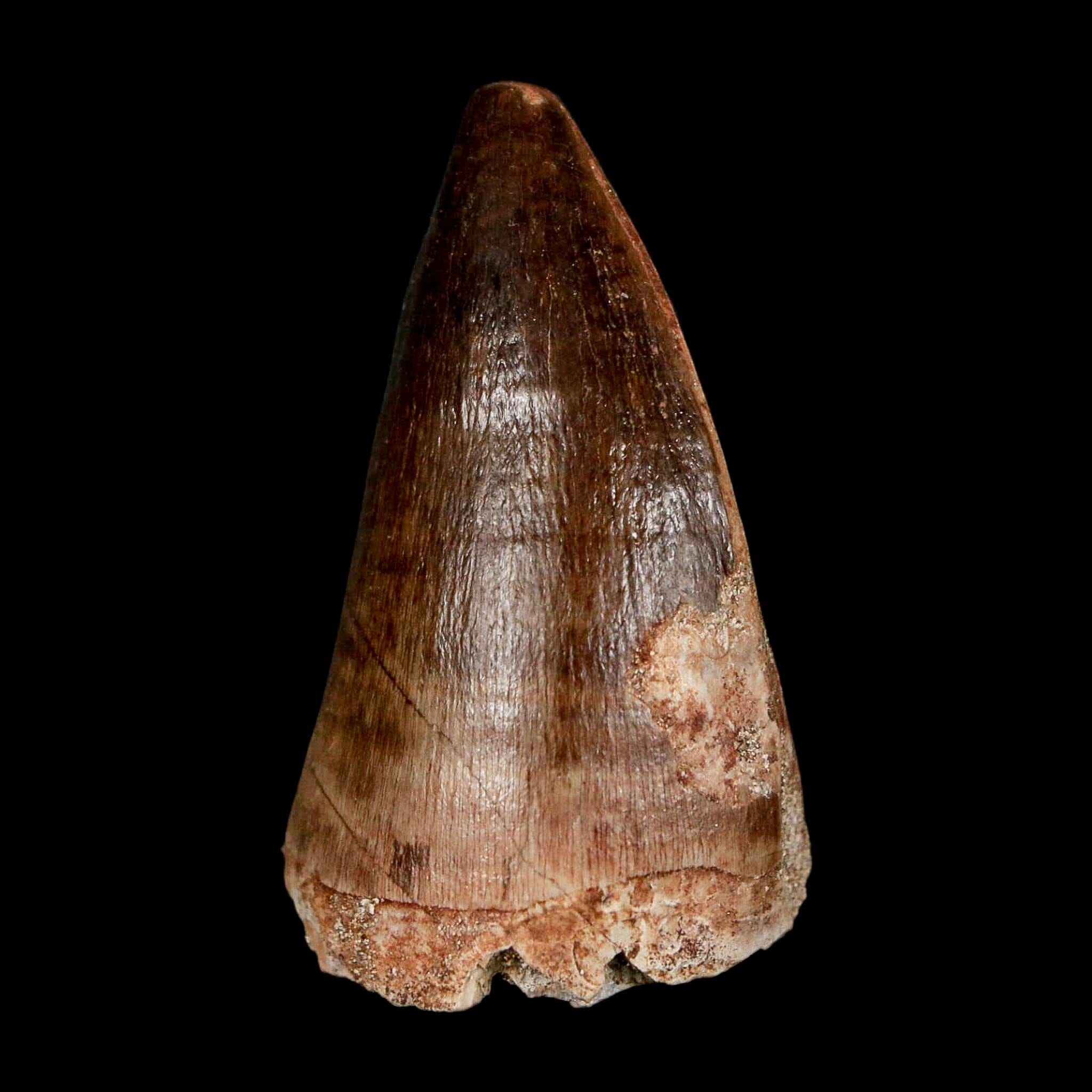
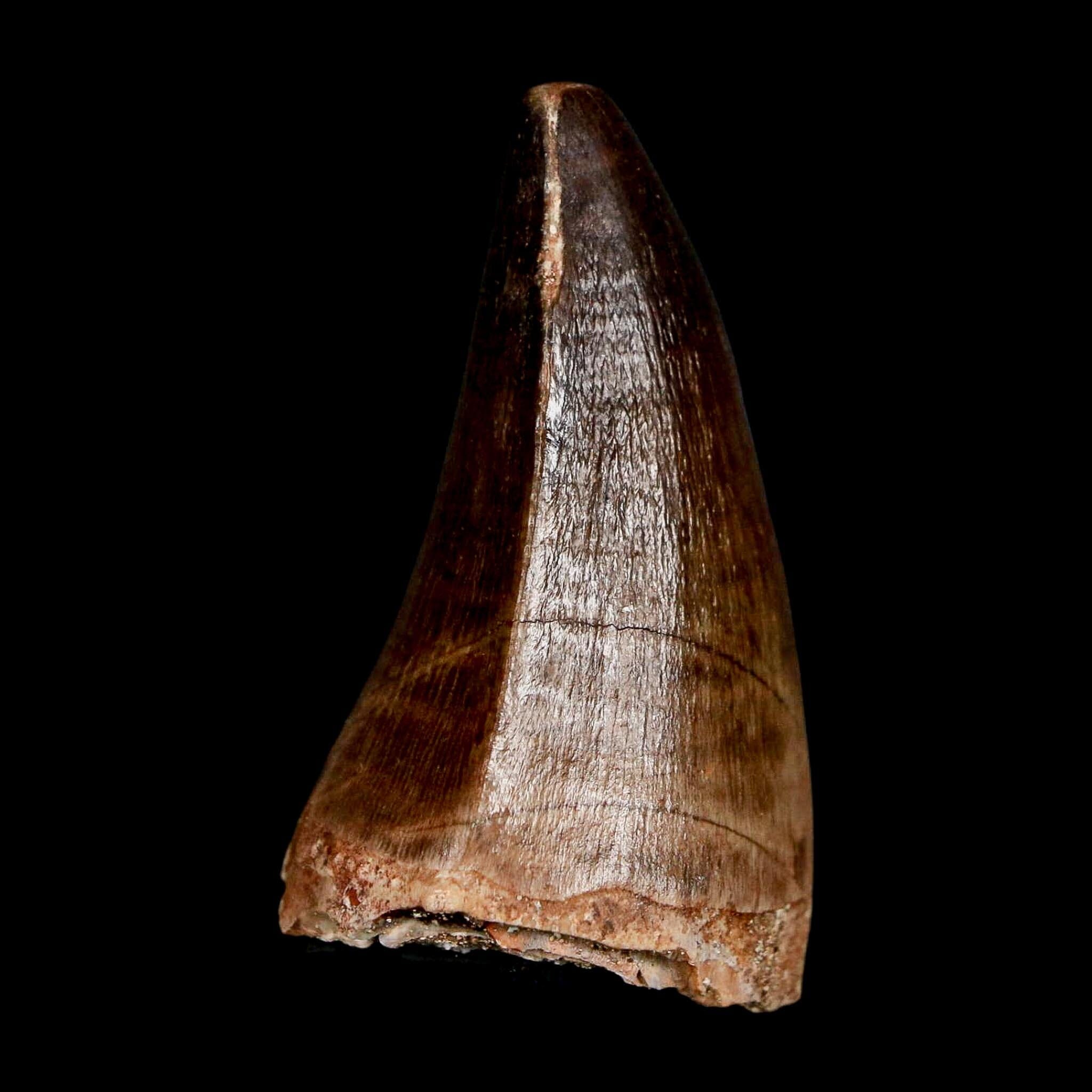
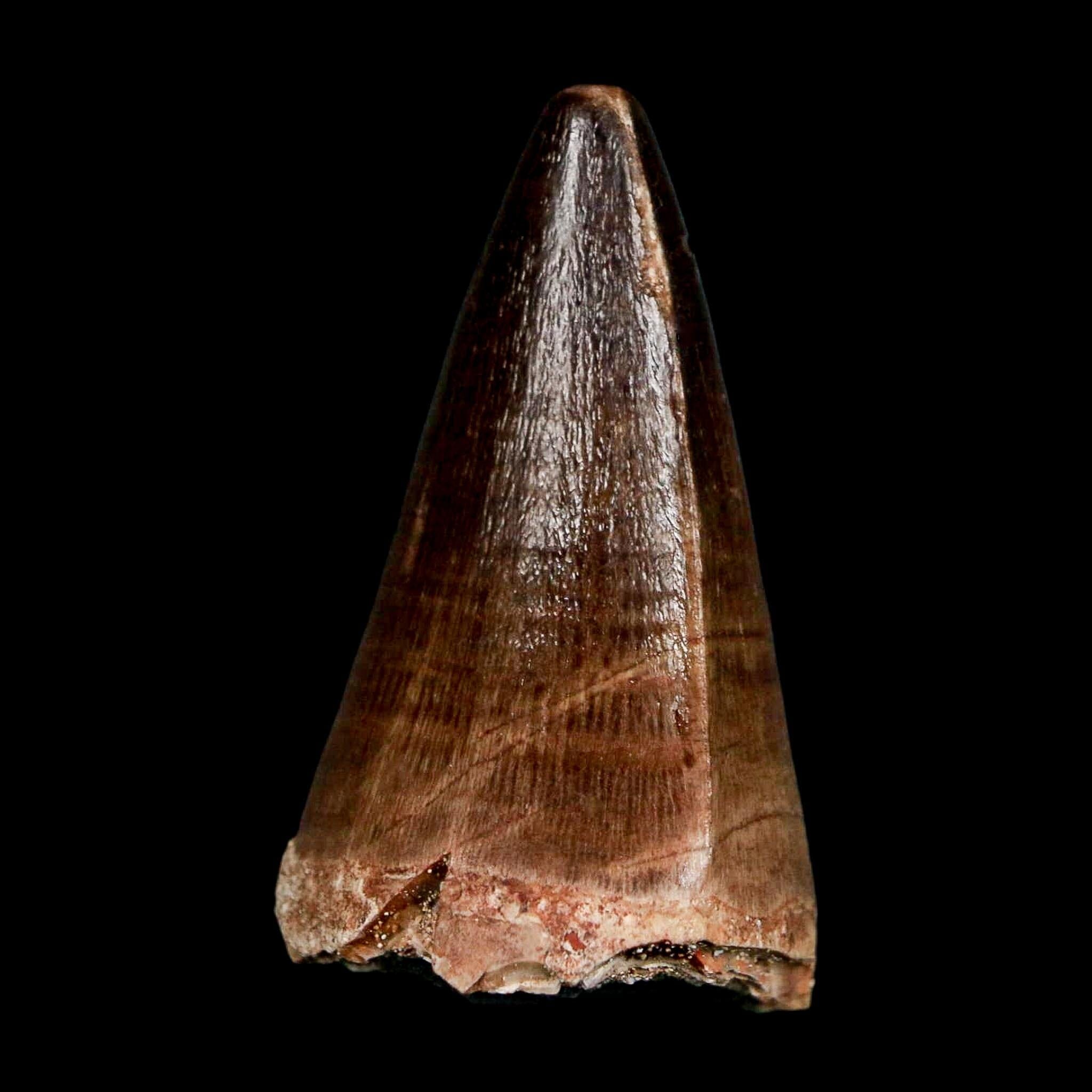
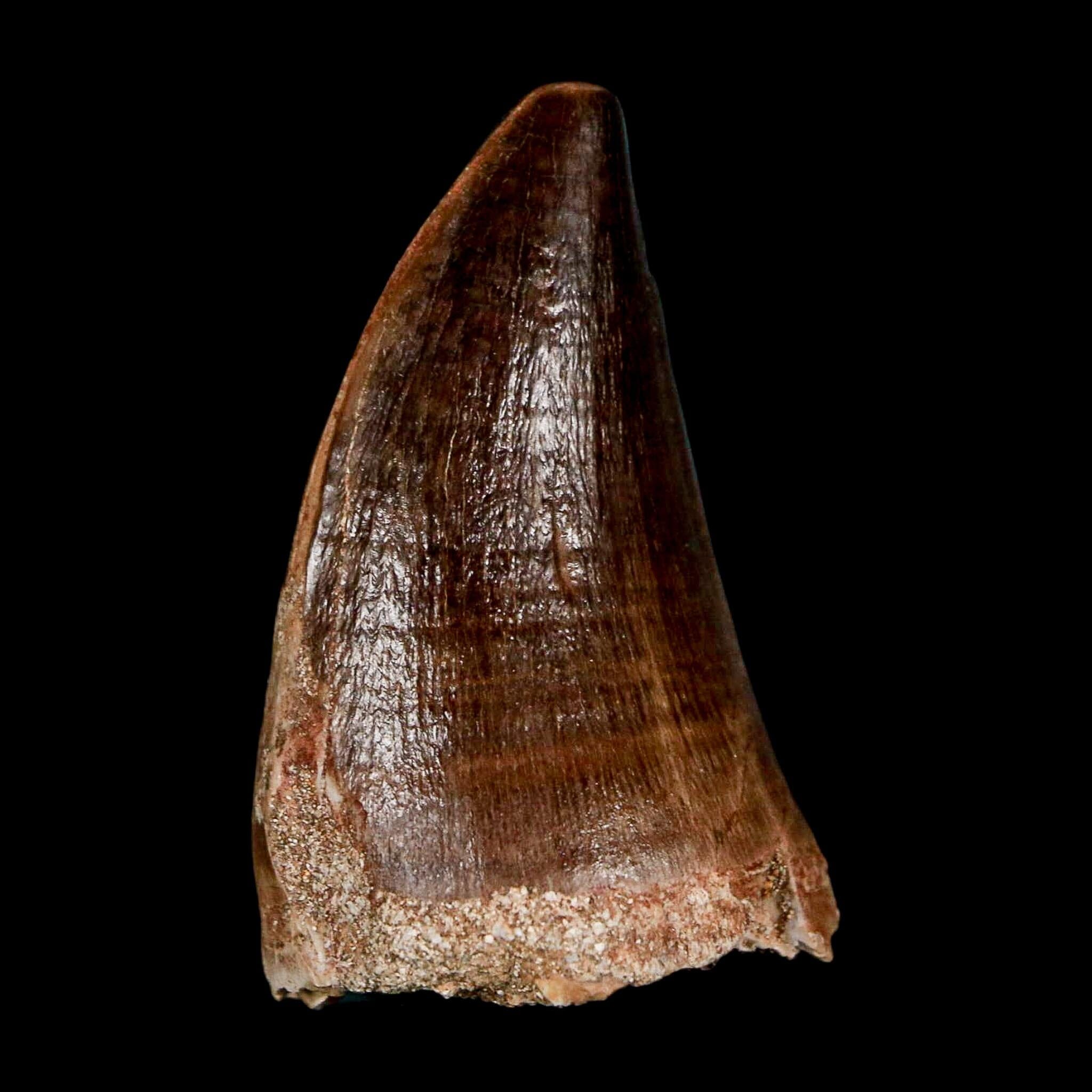
Location: Oued Zem, Morocco
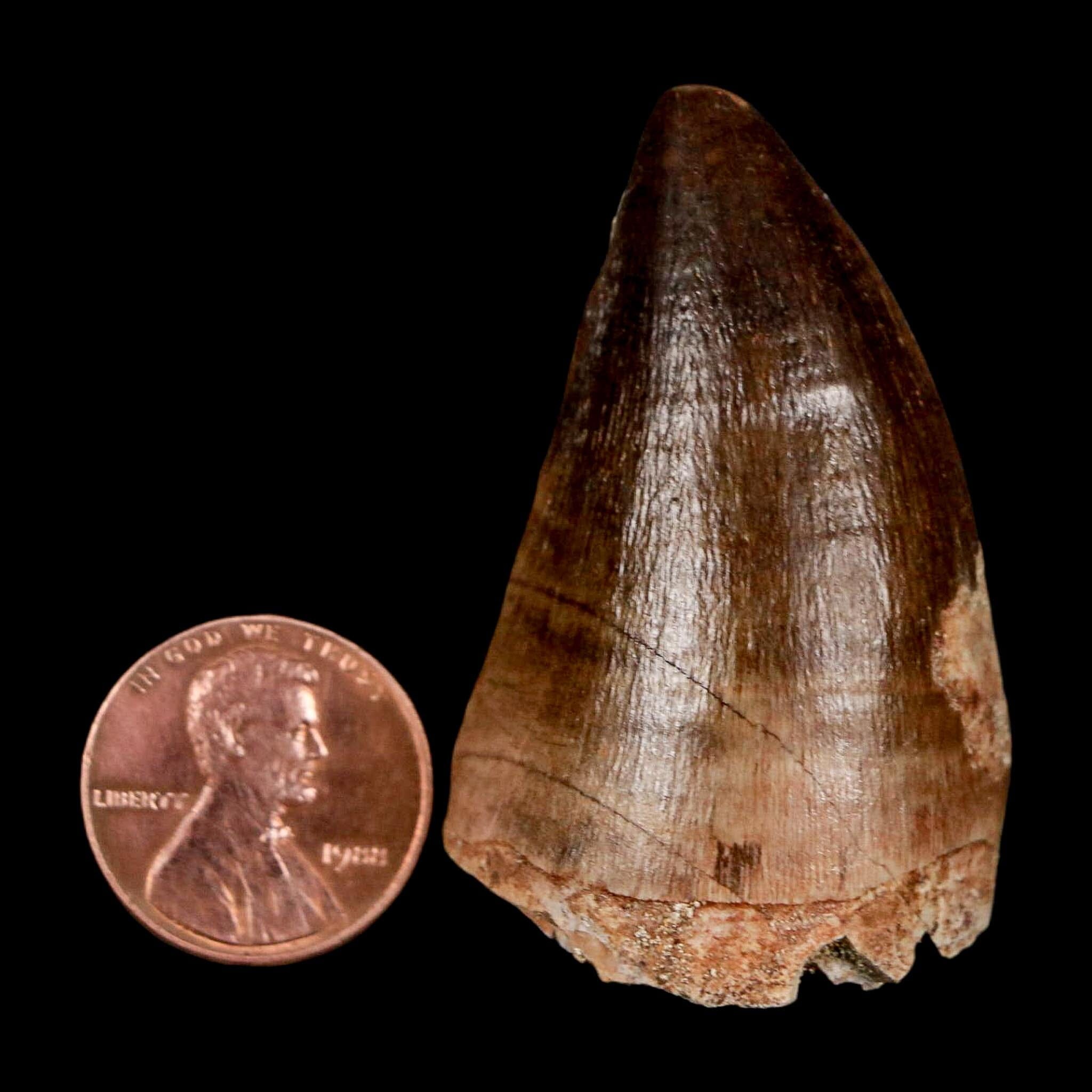
Weight: 1.1 Ounces
Dimensions: 1.9 Inches Long, 1.2 Inches Wide, 1 Inch Thick
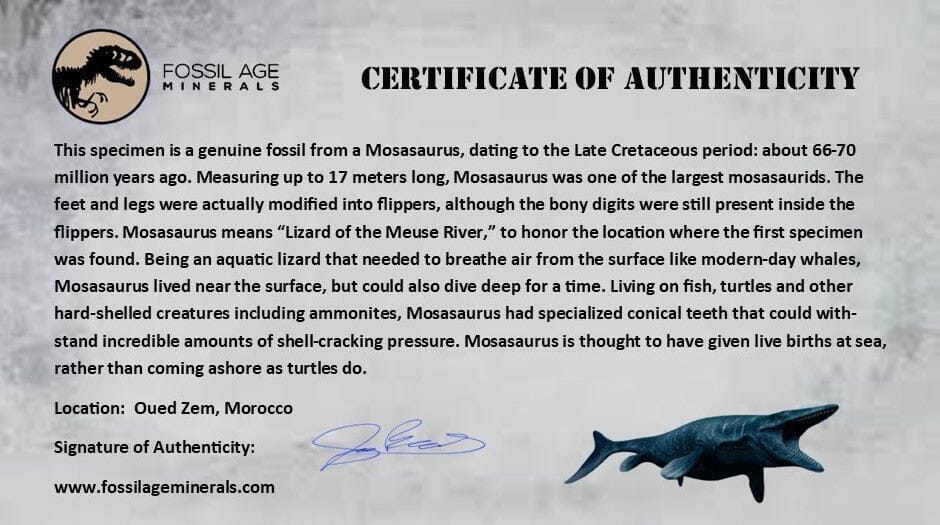
Comes with a Certificate of Authenticity.
Comes with a Free Stand and Mineral Tack.
The item pictured is the one you will receive.
100 - 66 Million Years old, Upper Cretaceous, Maastrichtian Epoch.
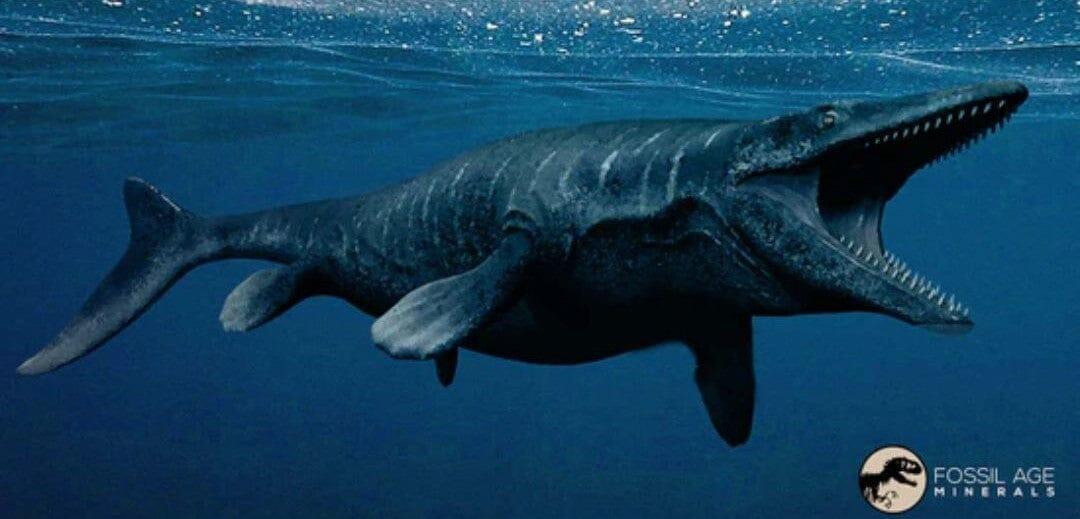
Name: Prognathodon
Type: Carnivore
Size: 6 to 14 meters in length
Prognathodon was a formidable marine reptile belonging to the mosasaur family, thriving in Earth’s oceans during the Cretaceous Period, approximately 100 to 66 million years ago. Unlike many mosasaurs that relied on speed and narrow jaws, Prognathodon evolved a skull built for strength, allowing it to dominate a specialized feeding niche.
Its broad, reinforced jaws and enlarged muscle attachments produced tremendous bite power, enabling it to break through the hard shells of ammonites, turtles, and armored marine invertebrates. The teeth were thick and heavy for crushing, yet also featured sharp edges and subtle serrations, allowing Prognathodon to efficiently process both armored and soft-bodied prey.
An important anatomical feature of Prognathodon is the presence of well-developed sclerotic rings, bony structures that supported the eyes and helped maintain their shape. These may have assisted in maintaining vision under changing water pressure, suggesting potential adaptations for hunting in deeper marine environments.
One key difference between Prognathodon and Mosasaurus lies in dental structure. Prognathodon typically had fewer, more robust teeth, reflecting its evolutionary focus on crushing power rather than rapid snapping. This combination of traits made Prognathodon one of the most specialized and powerful mosasaurs of the Cretaceous seas.

Please be aware of the nature of fossils:
Being buried under tons of pressure for millions of years can be quite rough. Rarely is a fossil found completely intact and perfect. Most fossils require some restoration, and sometimes humans modify them to improve their appearance. The Moroccan workers are highly skilled in excavating and preserving these natural treasures, but natural cracks often appear on the surface. These cracks are part of the fossil's natural beauty and are not flaws.