


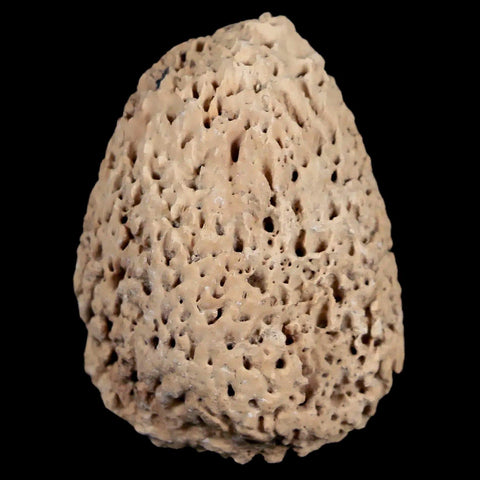
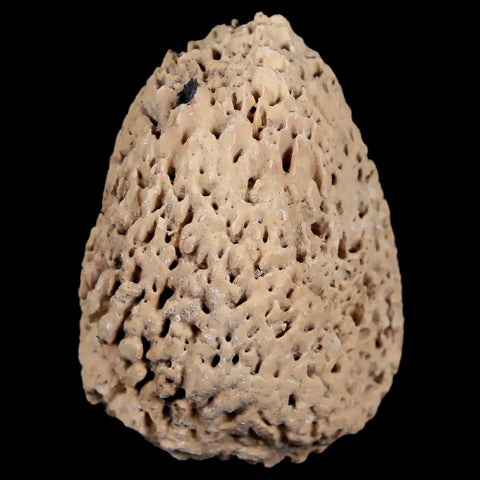
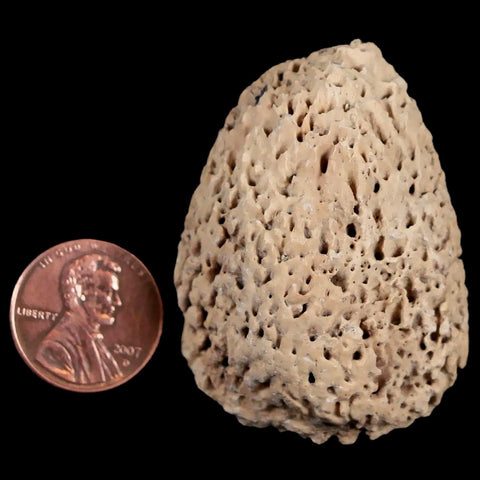
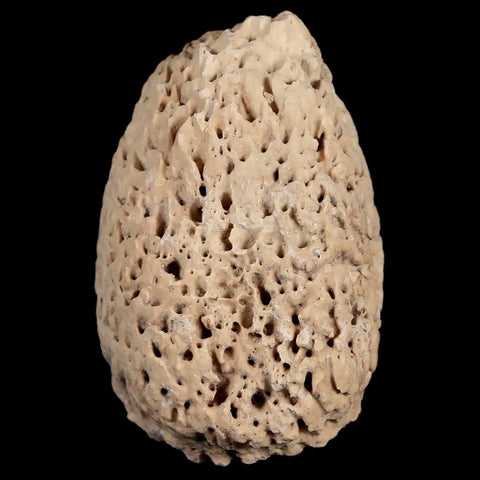
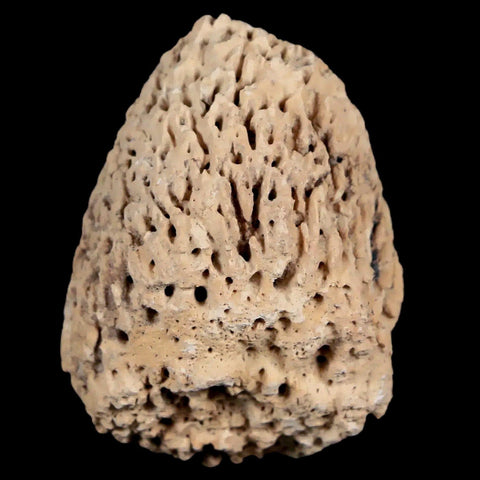

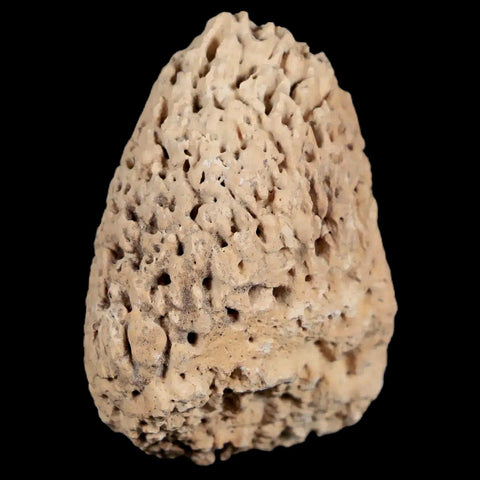
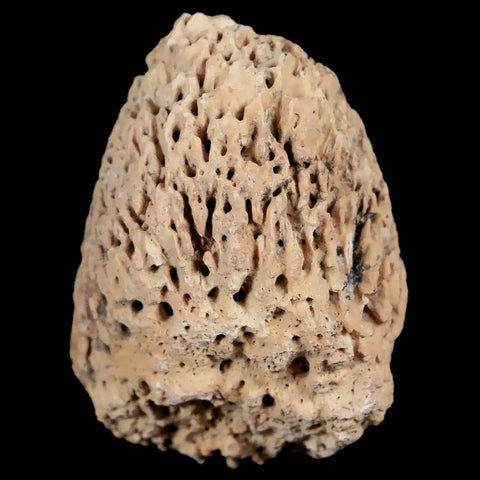

1.9" Glyptodon Fossil Osteoderm Spike Scute Plate Bony Armor Pleistocene Uruguay COA
Location: Uruguay
Weight: 1.1 Ounces
Dimension: 1.9 Inches Long, 1.4 Inches Wide, 1.1 Inches Thick
Comes with a Certificate of Authenticity.
The item pictured is the one you will receive.
This is a real Fossil.
Glyptodon is a genus of extinct giant mammals related to modern armadillos and found as fossils in deposits in North and South America dating from the Pliocene and Pleistocene epochs (5.3 million to 11,700 years ago). Glyptodon and its close relatives, the glyptodonts, were encased from head to tail in thick, protective armor resembling in shape the shell of a turtle but composed of bony plates much like the covering of an armadillo. The body shell alone was as long as 1.5 meters (5 feet). The tail, also clad in armor, could serve as a lethal club; indeed, in some relatives of Glyptodon, the tip of the tail was a knob of bone that was sometimes spiked. Glyptodonts ate almost anything—plants, carrion, or insects.
Glyptodon was a remarkable Pleistocene megafauna that defies easy comparison—though it shared ancestry with modern armadillos, its massive armored body bore little resemblance to any living creature. This extinct mammal reached approximately 10 feet in length and weighed around one ton, rivaling a Volkswagen Beetle in size. Its most distinctive feature was the heavily ossified carapace covering its back, composed of bony scutes like this authentic osteoderm spike. The creature's short, sturdy legs supported its enormous weight, while its vulnerable underbelly represented its primary weakness against Pleistocene predators. This genuine fossil specimen from Uruguay provides tangible evidence of one of nature's most formidable defensive adaptations, accompanied by a certificate of authenticity.
Glyptodon disappeared approximately 10,000 years ago as the last Ice Age concluded, though its extinction resulted from multiple factors beyond climate alone. Paleontological evidence suggests that early South American inhabitants actively hunted this megafauna for its valuable meat and fur, while archaeological findings indicate they repurposed the creature's massive carapace as shelter against harsh climatic conditions. This dual pressure—both as a resource and as building material—likely accelerated the species' decline during a period of environmental transition.


