
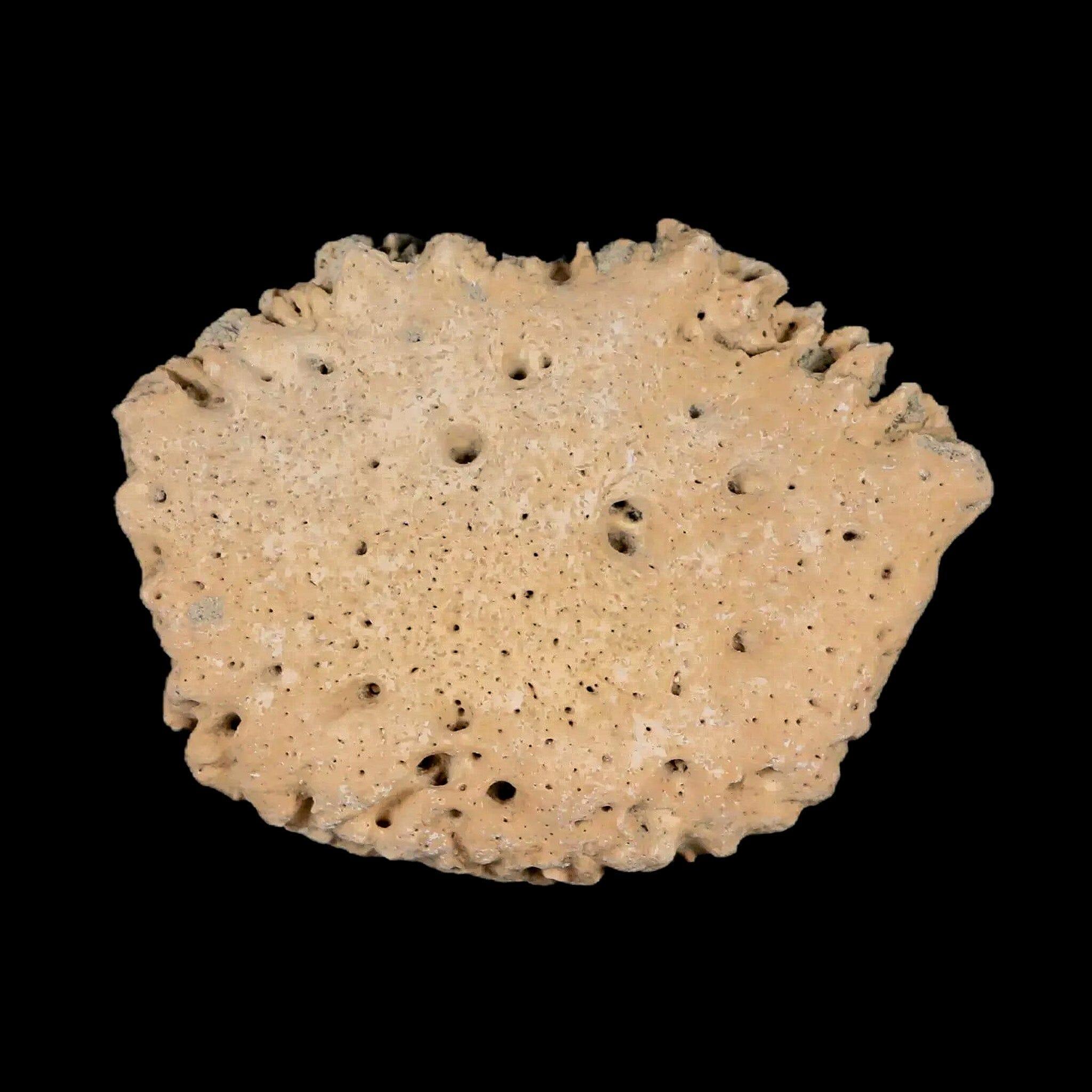
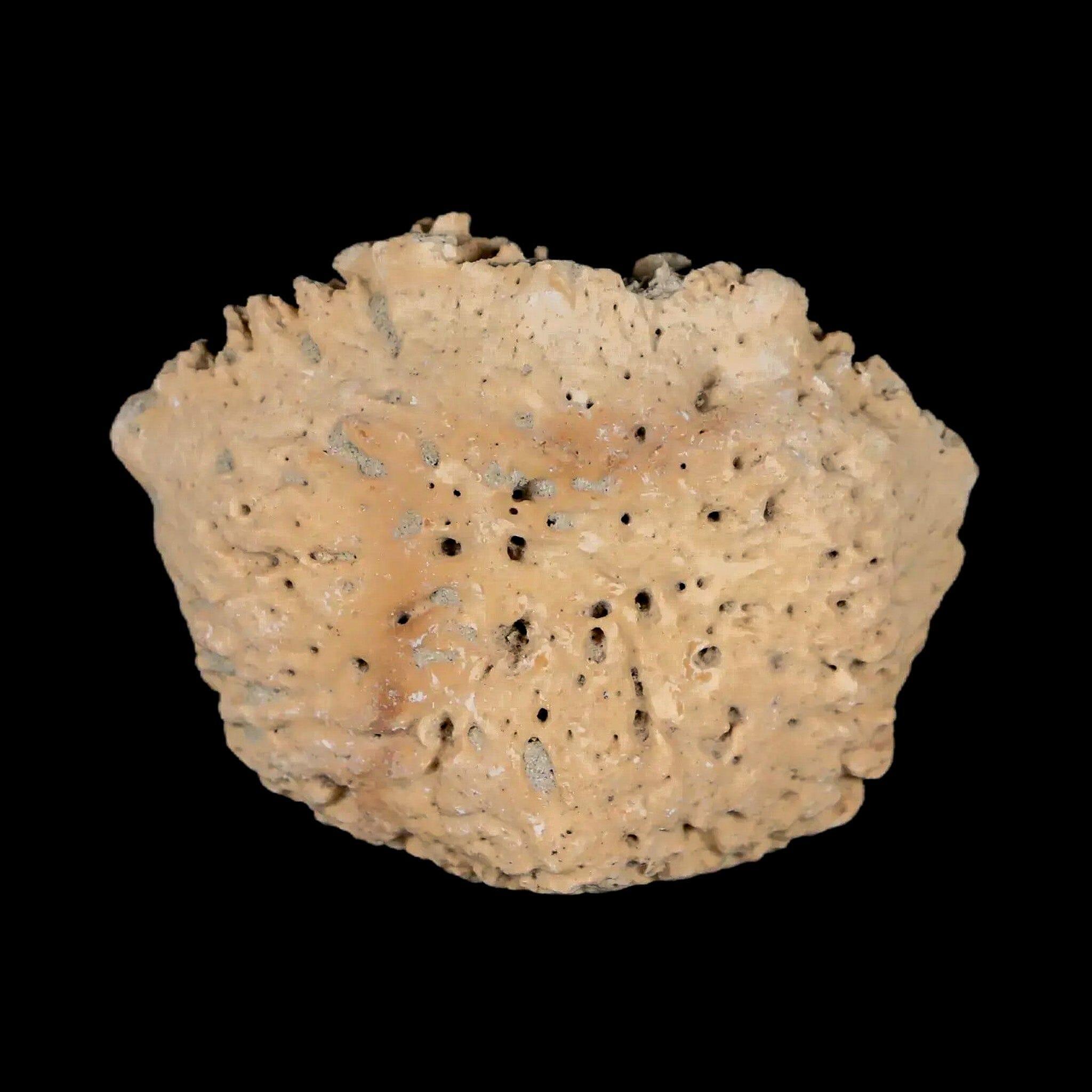
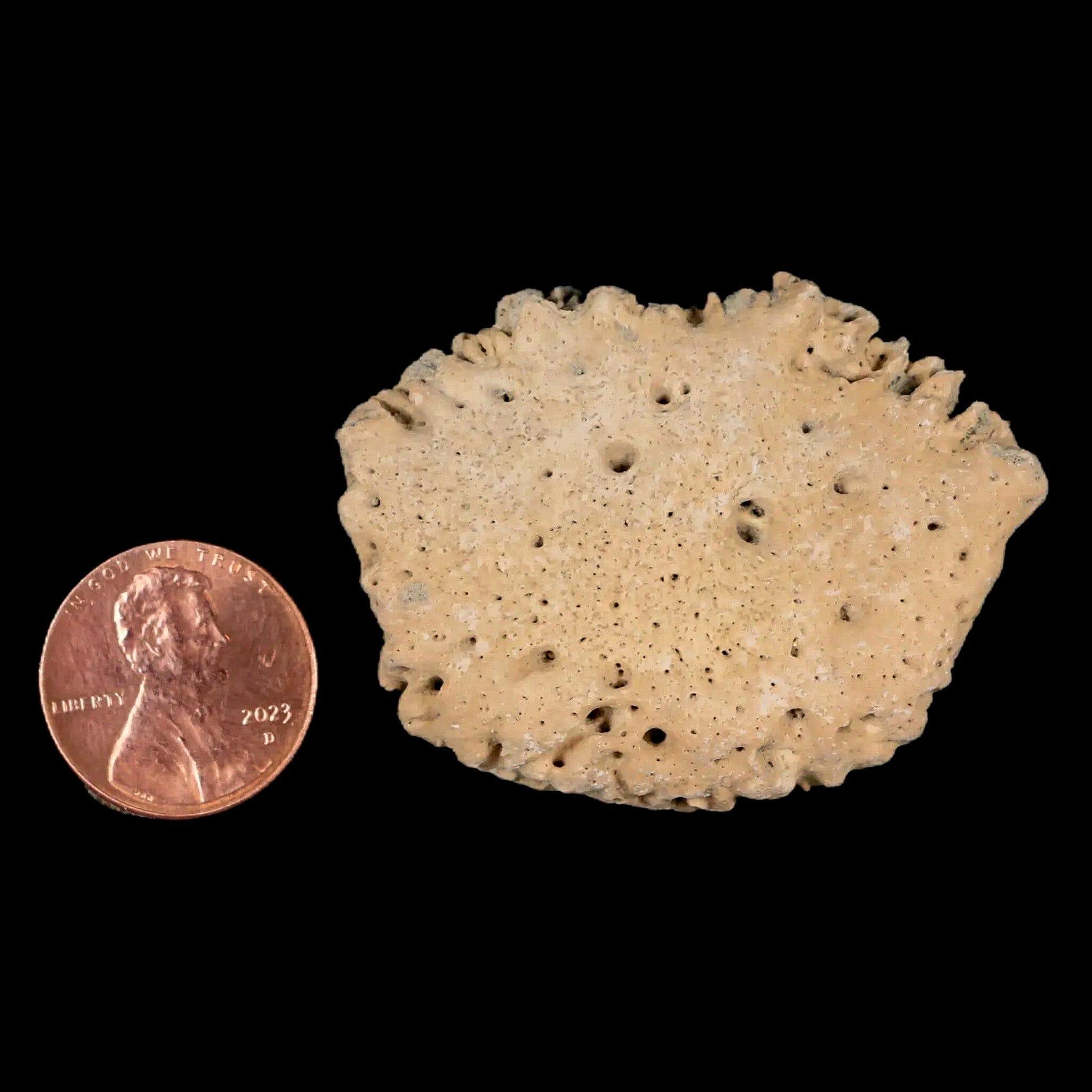
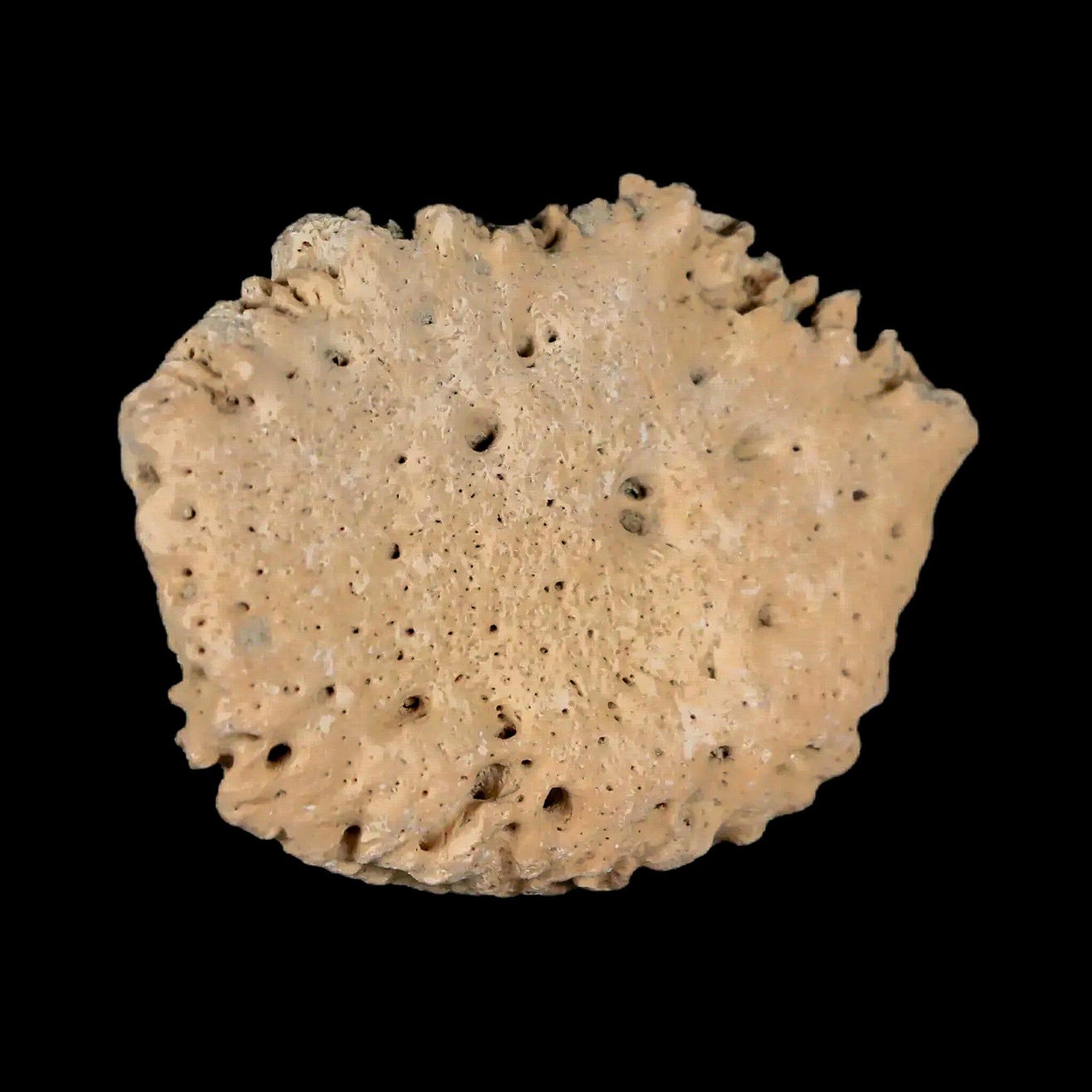


Description
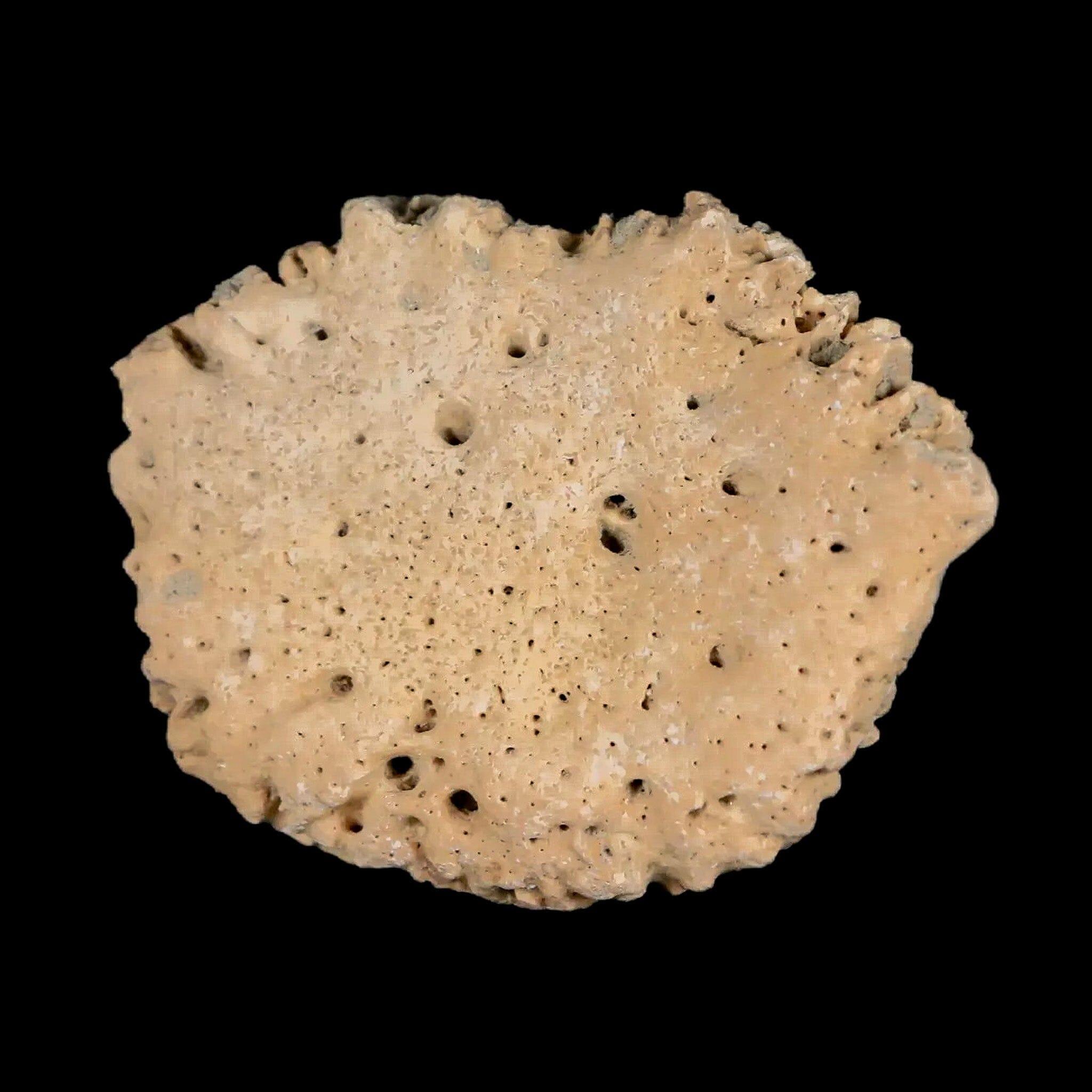
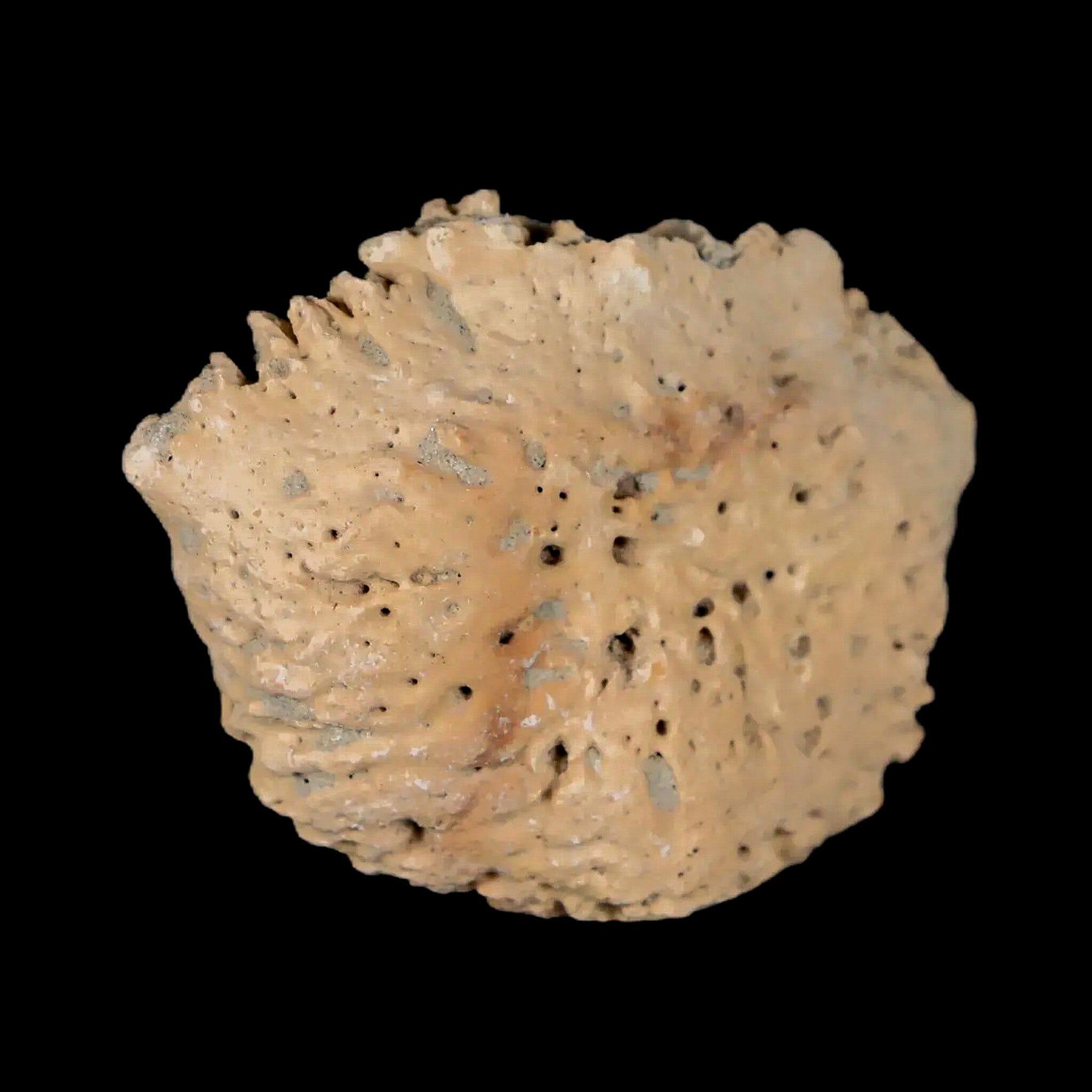
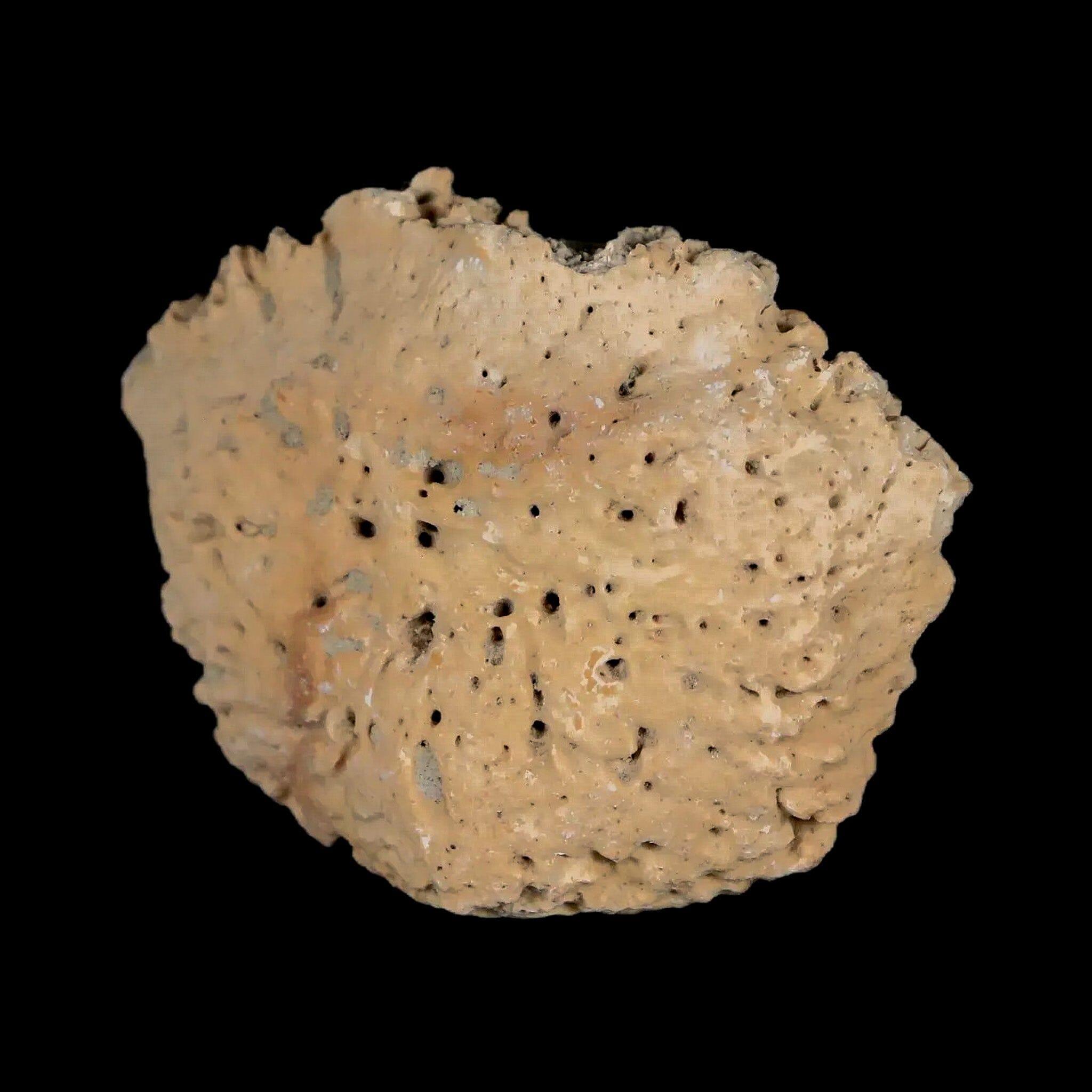
Location: Uruguay
Weight: 0.5 Ounces
Dimension: 1.9 Inches Long, 1.4 Inches Wide, 0.5 Inches Thick
Comes with a Certificate of Authenticity.
The item pictured is the one you will receive.
This is a real Fossil.
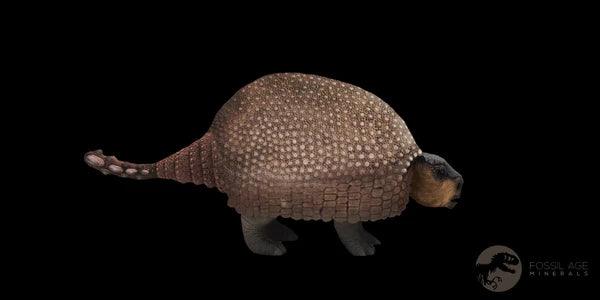
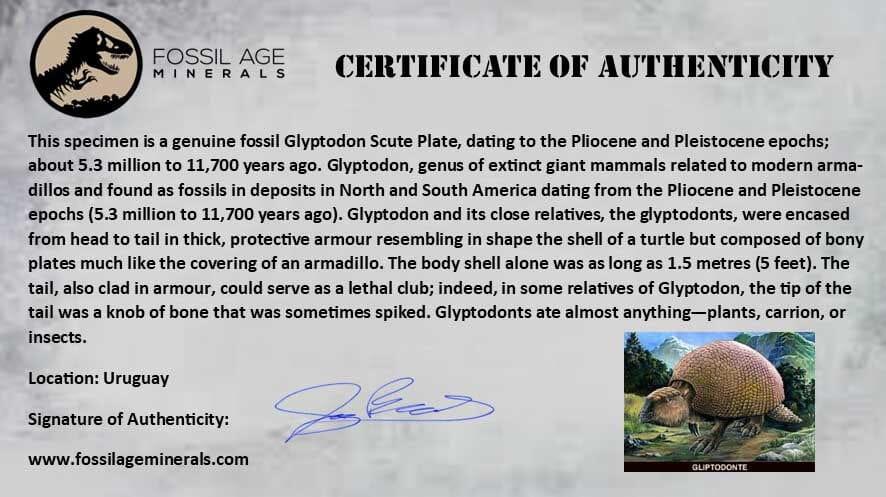
Glyptodon was a giant, extinct mammal closely related to today’s armadillos, known from fossil deposits across North and South America dating from the Pliocene to the Pleistocene epochs (5.3 million to 11,700 years ago). These massive creatures were fully protected by a thick, dome-shaped shell made of bony plates, covering their bodies much like a turtle’s shell but structurally similar to an armadillo’s armor. Their tails were also armored and, in some species, ended with a bony knob or spikes, likely used for defense. Glyptodons were omnivorous, feeding on plants, carrion, and occasionally insects, making them highly adaptable in their ecosystems.
If you look closely at Glyptodon pictures, then you might mistake this animal for some kind of science experiment that combined a turtle, a beaver, and an armadillo. However, this megafauna mammal was neither related to a turtle nor a beaver. It is a distant relative of the armadillo, though.
One of the most interesting facts about Glyptodon is that it was about the same size and weight as a Volkswagen Beetle car. Yes, it was approximately 10 feet long and weighed around a ton. This funny-looking mammal had short legs and a huge armored dome on its back. That would have made it almost impossible for predators to eat. Unless, of course, the predator was able to flip this mammal over. If it did that, then it most likely would have been able to eat it through its soft underbelly.
Glyptodon went extinct on the precipice of the last Ice Age, or about 10,000 years ago. Paleontologists believe that climate change wasn’t the only event responsible for this animal’s demise, however. They also believe that this animal was hunted to extinction. Not only would the meat and fur of this animal be highly prized by early South American settlers, but some evidence also points to the fact that they used this animal’s shells as a way to shelter themselves from the cold.
