


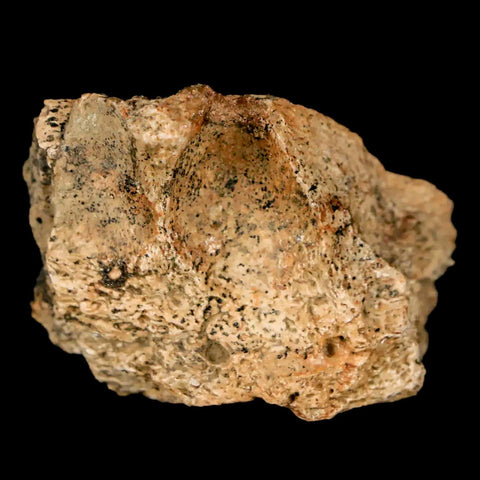
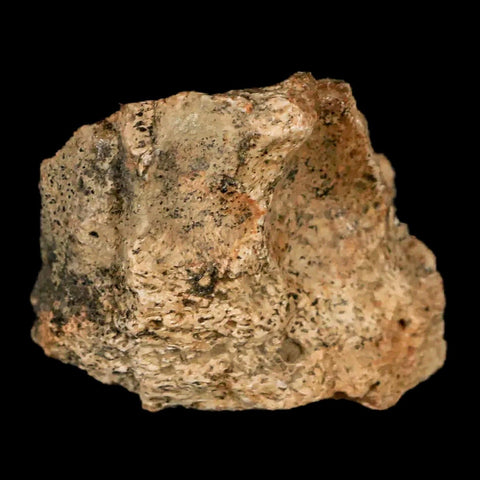
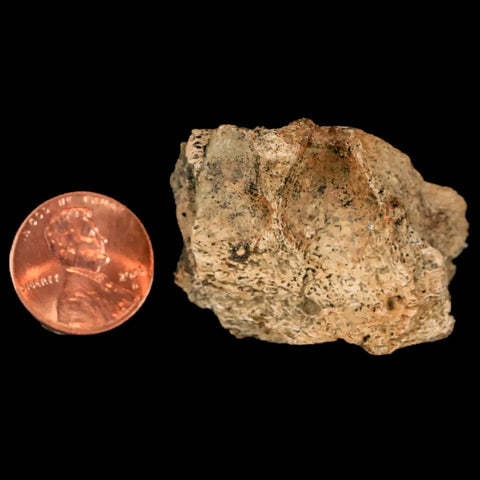
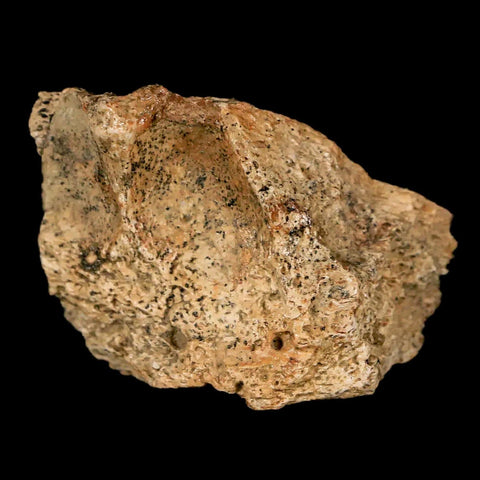
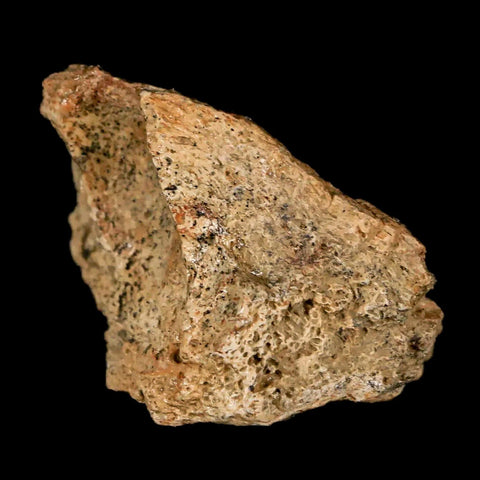
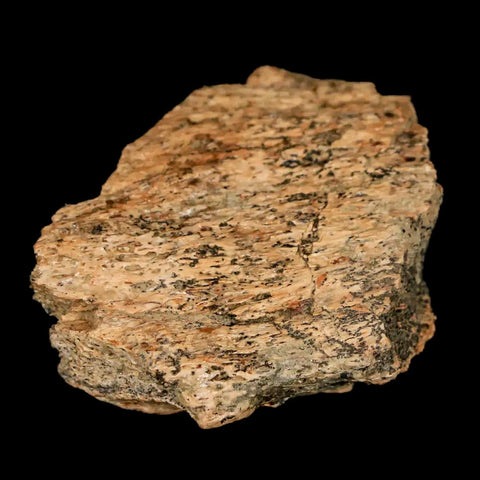
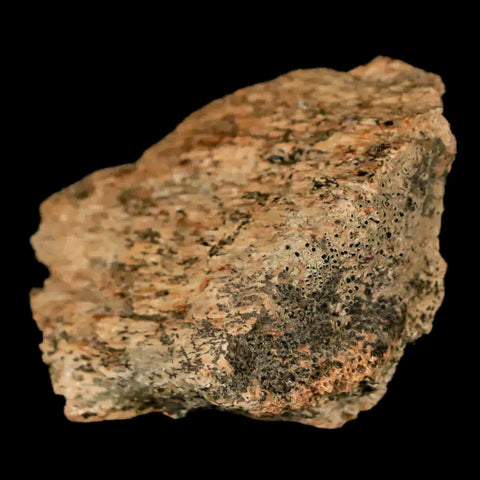
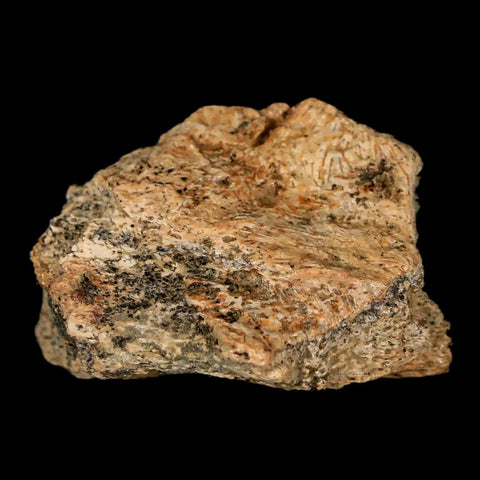
1.7" Triceratops Fossil Jaw Maxilla Bone Lance Creek FM Cretaceous Dinosaur WY COA
Location: Lance Creek Formation, Weston County, Wyoming (Private Land Origin)
Weight: 0.9 Ounces
Dimensions: 1.7 Inches Long, 1.6 Inches Wide, 1.2 Inches Thick
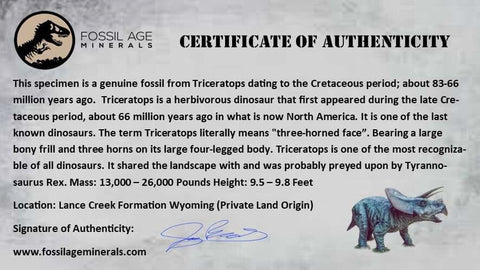
Comes with a Certificate of Authenticity.
The item pictured is the one you will receive.
This is a genuine fossil.
Late Cretaceous, 66-68 million years old.
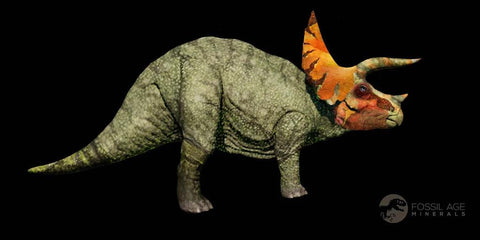
Name: Triceratops
Type: Herbivore
Size: 8 to 9 meters long.
Triceratops is a genus of herbivorous ceratopsid dinosaurs that lived during the Late Cretaceous period, around 68 million years ago, across what is now North America. Known for its massive size and iconic appearance, Triceratops weighed between 5 and 9 metric tons and was a powerful quadrupedal dinosaur. Its most distinguishing features are its three facial horns—two large brow horns above the eyes and a smaller nasal horn—along with a broad, spiked bony frill at the back of the skull. These adaptations provided both protection from predators and a means of social signaling within herds.
The large skull of Triceratops, disproportionate to its body, combined with strong, muscular limbs, allowed it to graze efficiently on tough, low-lying vegetation. The horns and frill were multifunctional, used defensively against predators like Tyrannosaurus rex, as well as in combat with other Triceratops for dominance, territory, or mating rights. Fossil evidence, including healed punctures and scratches on skulls, highlights frequent encounters with predators and occasional intraspecific battles.
Triceratops likely lived in herds, which offered protection to younger or weaker individuals while reinforcing social structures. Its defensive anatomy and herd behavior made it one of the most successful herbivores of the Late Cretaceous ecosystem. Fossils found throughout North America have cemented its reputation as one of the most recognizable ceratopsian dinosaurs.
Today, Triceratops remains a symbol of prehistoric power, resilience, and adaptation. Its horns, frill, and enormous size continue to fascinate paleontologists, educators, and dinosaur enthusiasts alike, providing key insights into Late Cretaceous herbivores, predator-prey interactions, and the evolutionary innovations of ceratopsid dinosaurs.


