
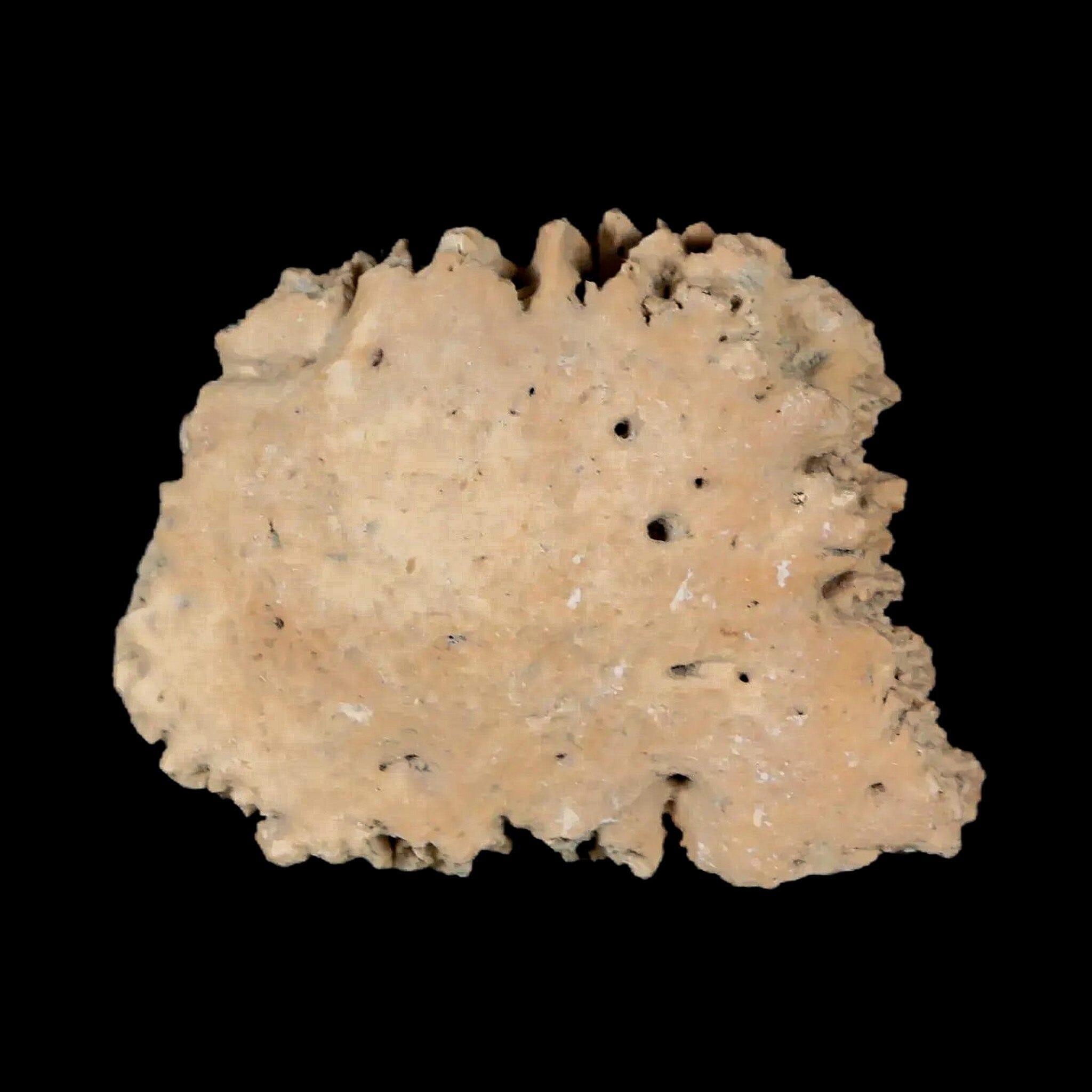
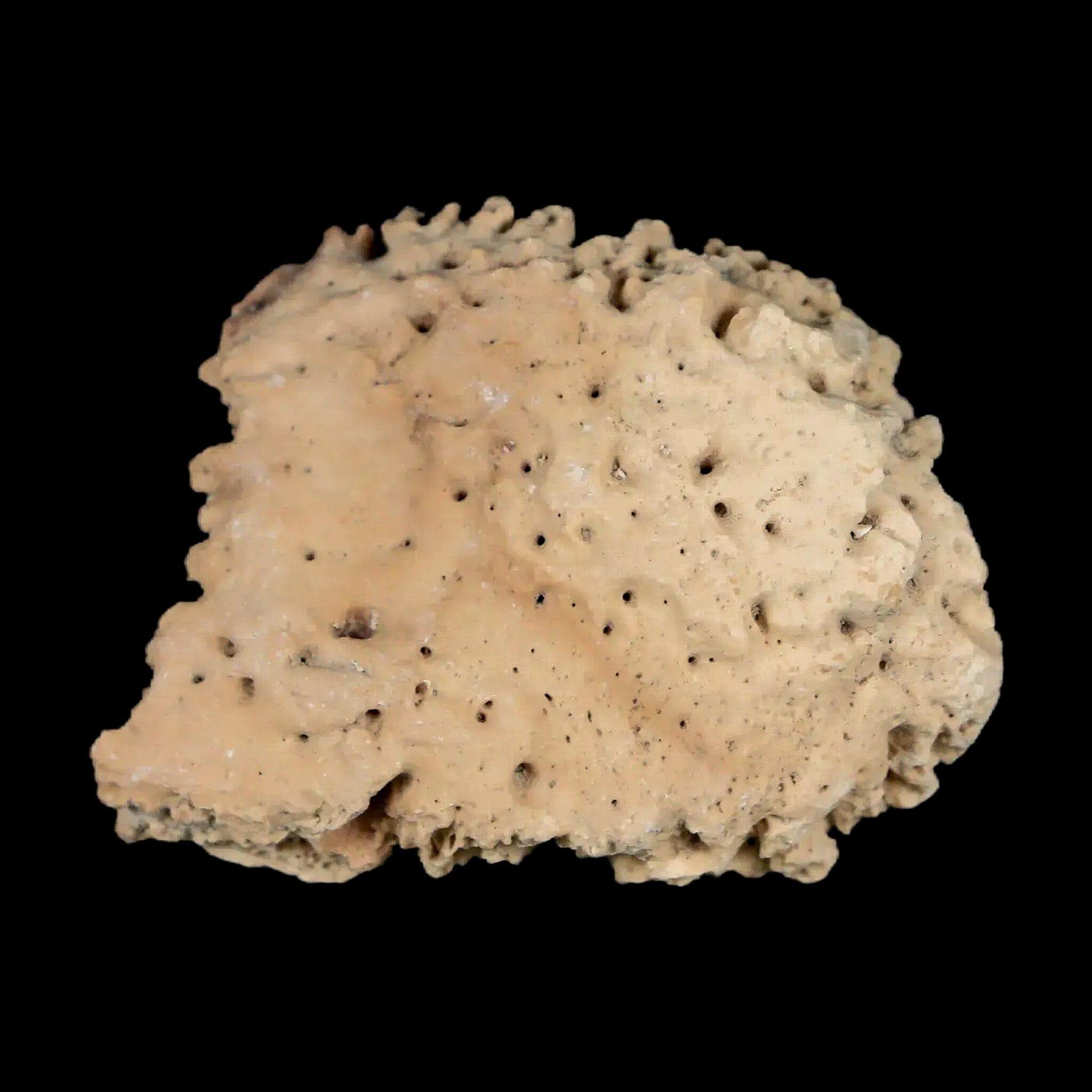
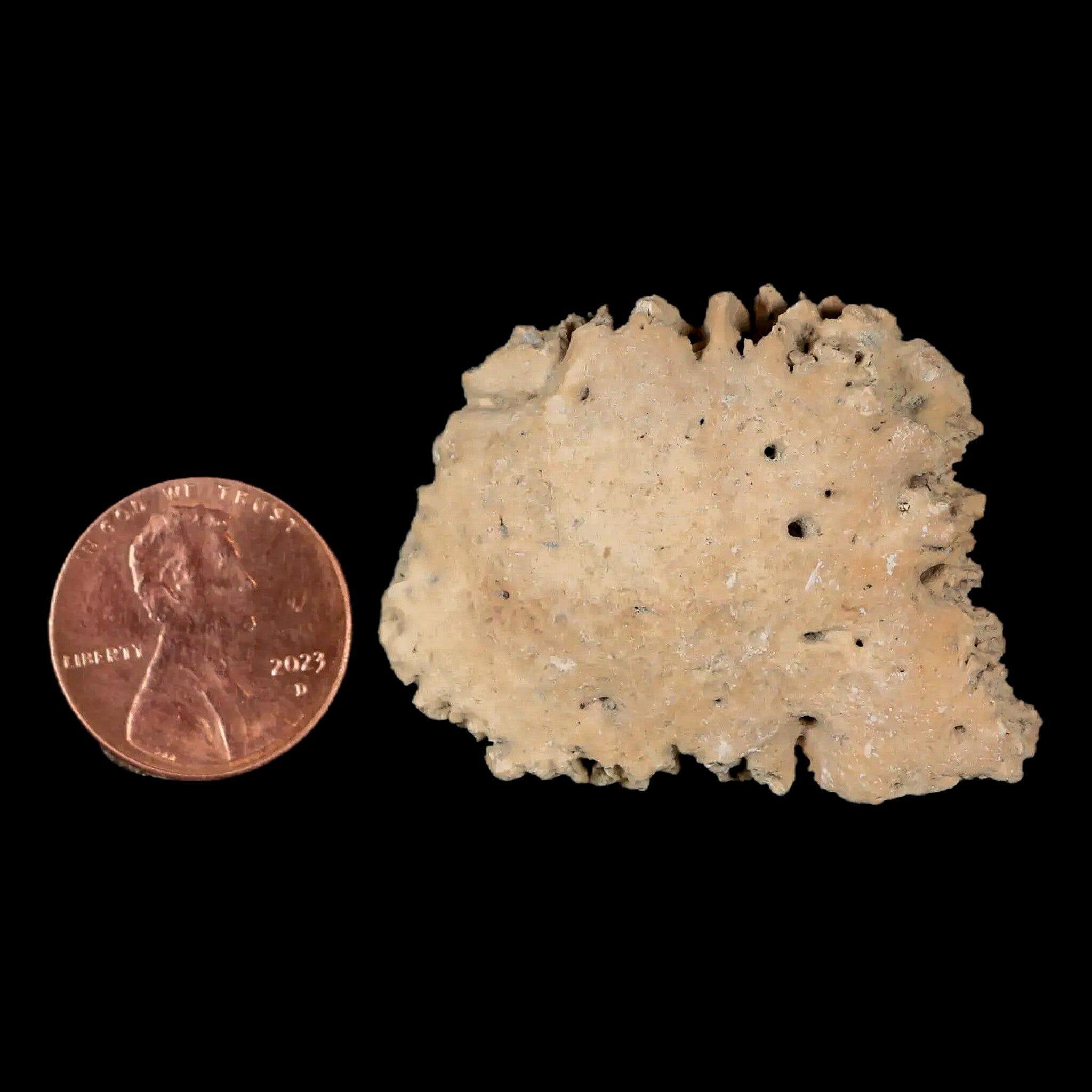
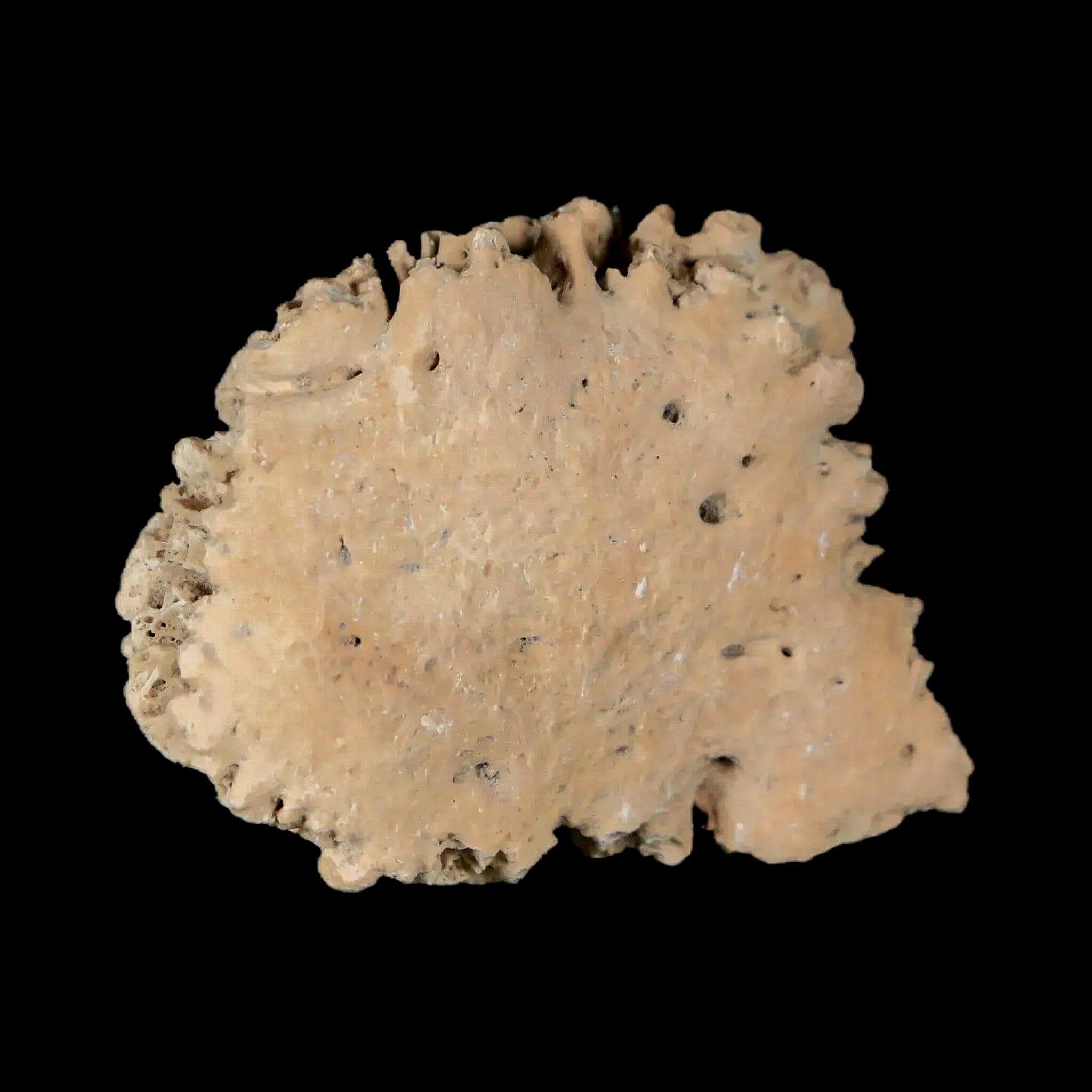
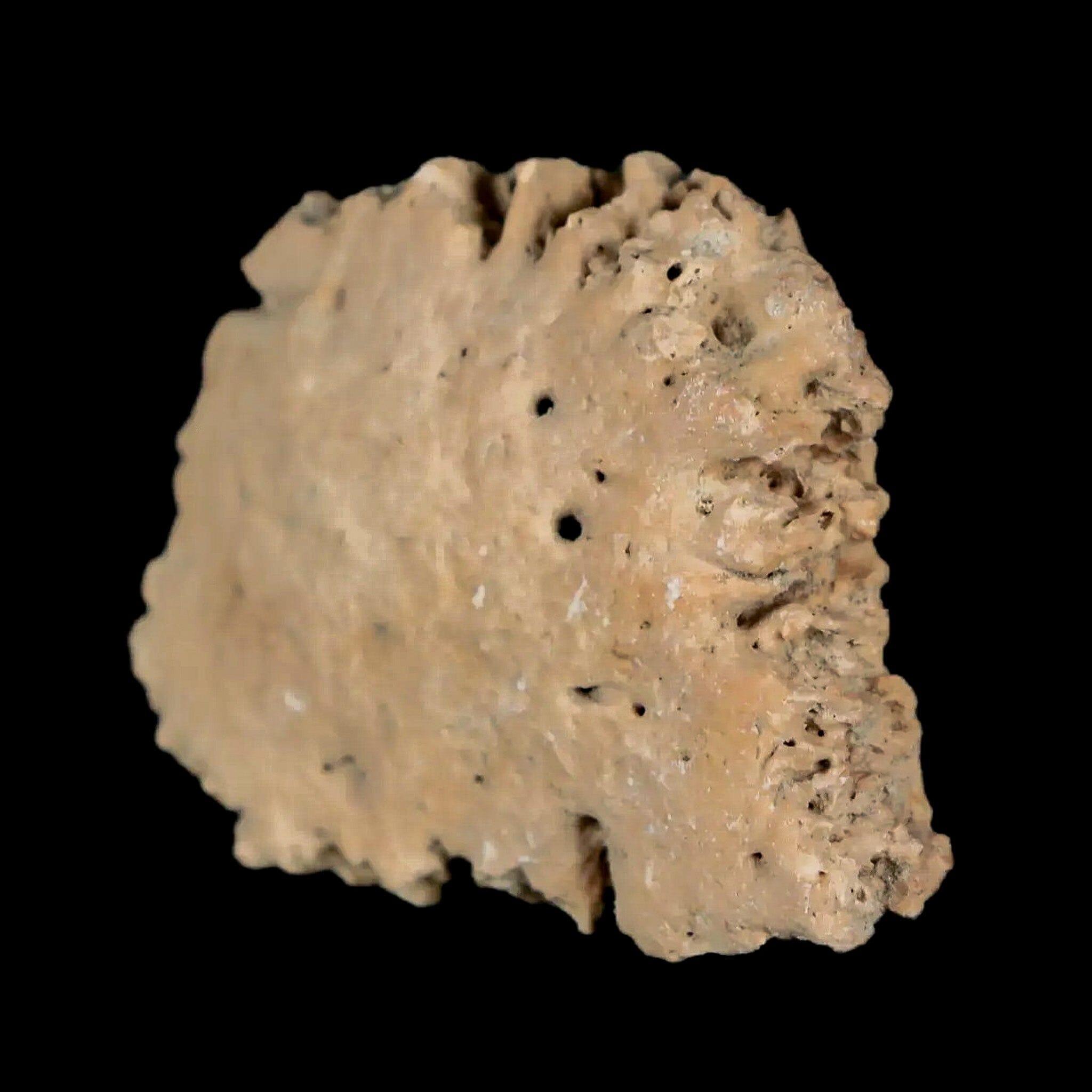
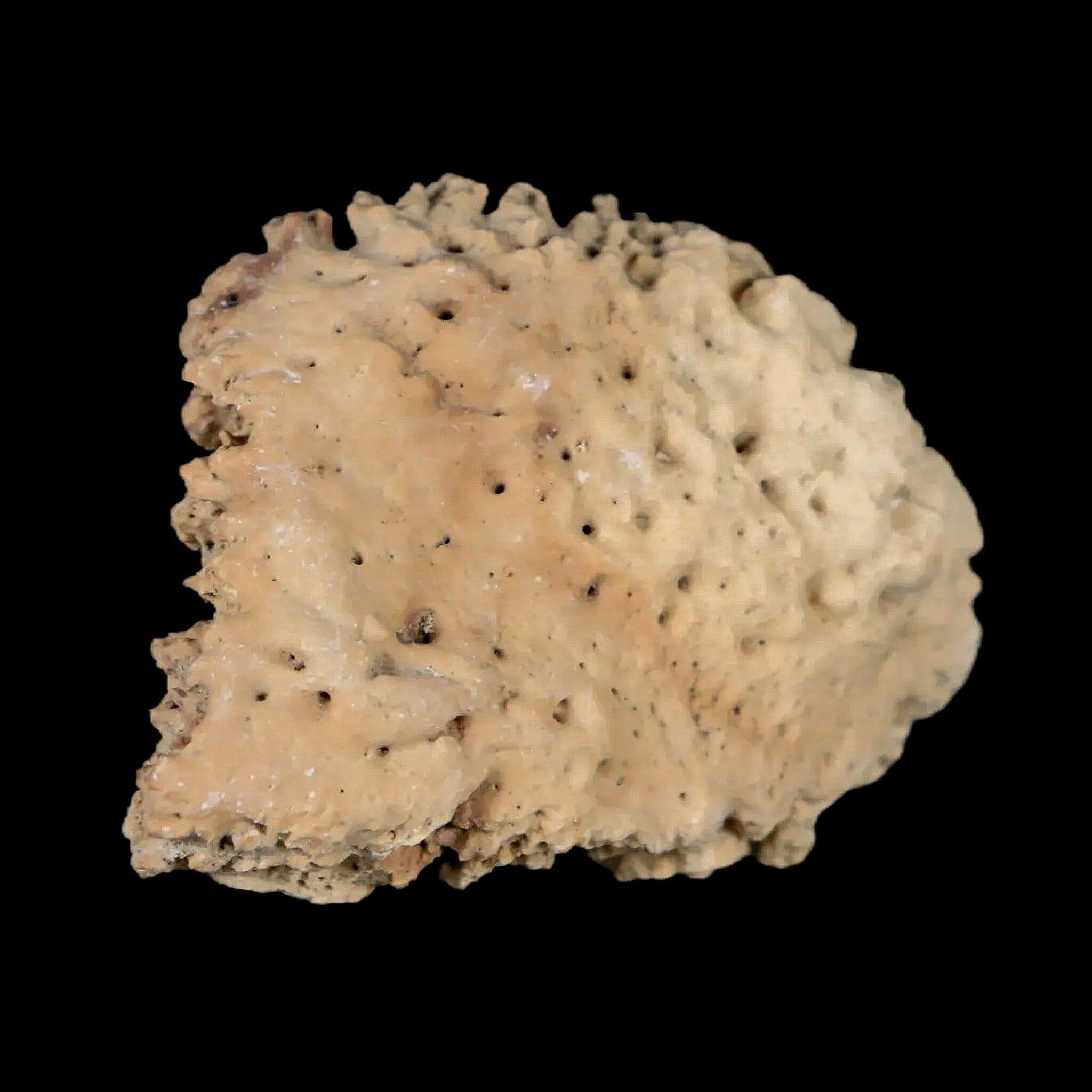
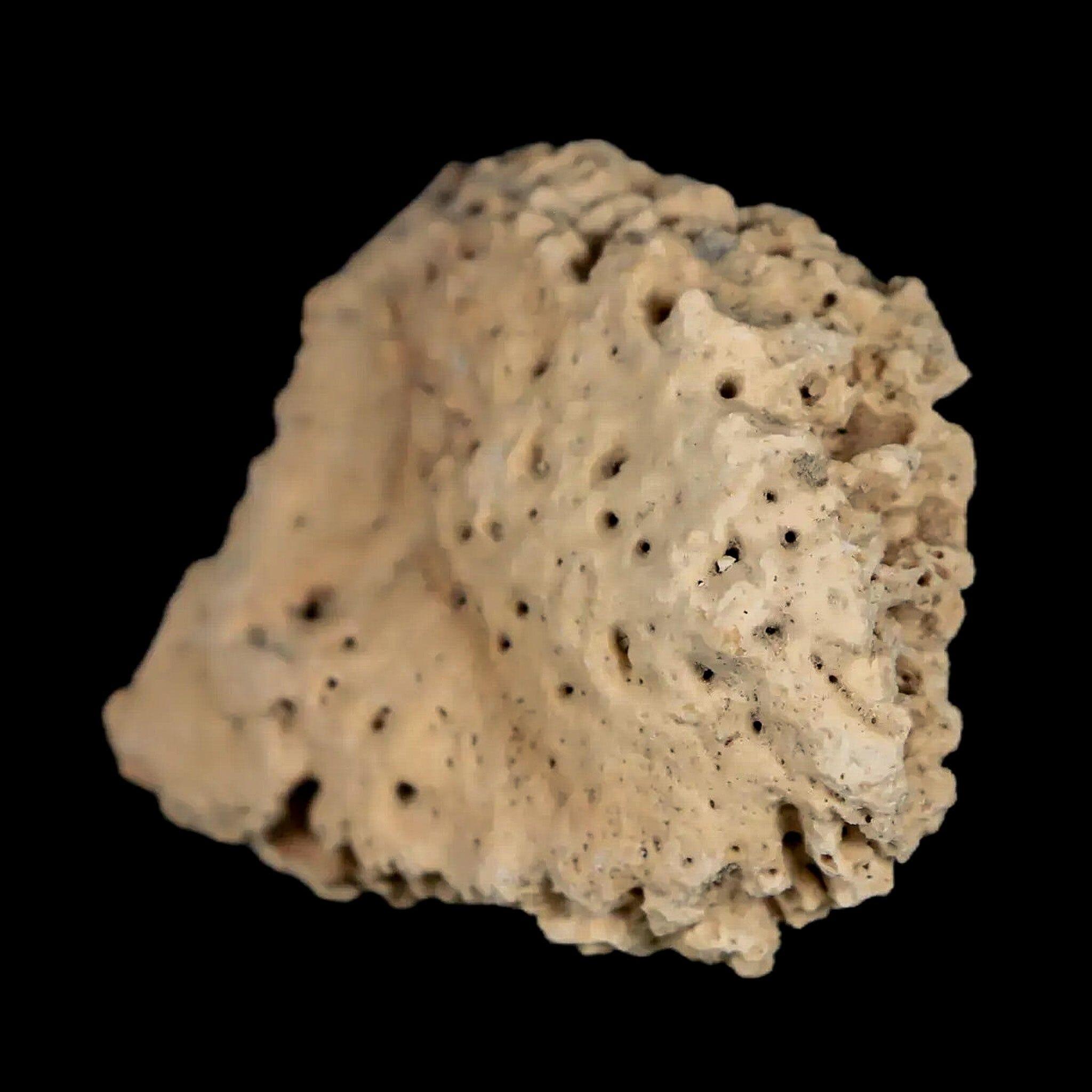
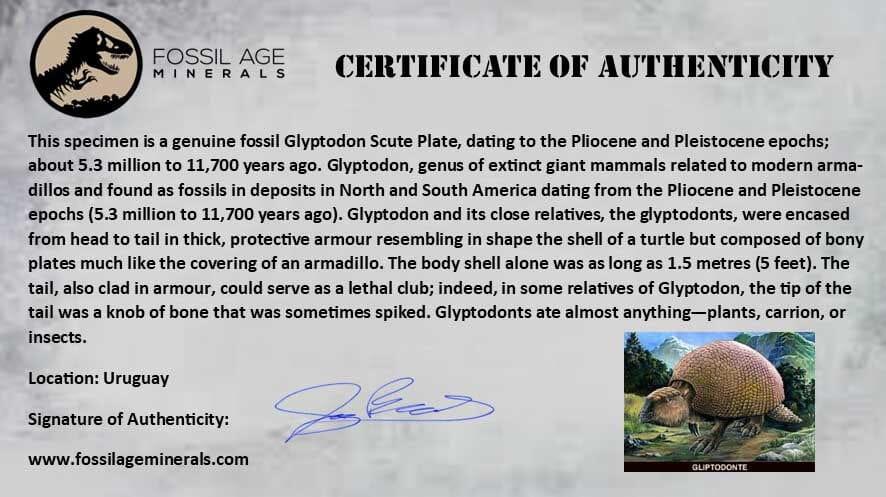


Description
Location: Uruguay
Weight: 0.5 Ounces
Dimension: 1.6 Inches Long, 1.2 Inches Wide, 0.5 Inches Thick
Comes with a Certificate of Authenticity.
The item pictured is the one you will receive.
This is a real Fossil.
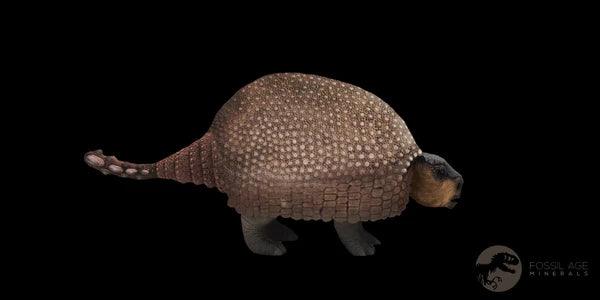
Glyptodon is a genus of extinct giant mammals related to modern armadillos and found as fossils in deposits in North and South America dating from the Pliocene and Pleistocene epochs (5.3 million to 11,700 years ago). Glyptodon and its close relatives, the glyptodonts, were encased from head to tail in thick, protective armor resembling in shape the shell of a turtle but composed of bony plates much like the covering of an armadillo. The body shell alone was as long as 1.5 meters (5 feet). The tail, also clad in armor, could serve as a lethal club; indeed, in some relatives of Glyptodon, the tip of the tail was a knob of bone that was sometimes spiked. Glyptodonts ate almost anything—plants, carrion, or insects.
If you look closely at Glyptodon pictures, then you might mistake this animal for some kind of science experiment that combined a turtle, a beaver, and an armadillo. However, this megafauna mammal was neither related to a turtle nor a beaver. It is a distant relative of the armadillo, though.
Discover the engineering marvel of prehistoric defense with this authentic Glyptodon osteoderm from Uruguay's Pleistocene epoch. This armored giant rivaled a Volkswagen Beetle in both size and weight—a massive ten-foot-long creature tipping the scales at approximately one ton. Its stocky frame supported an imposing bony dome that rendered it virtually untouchable to predators, creating one of nature's most effective survival strategies. Only by exploiting the creature's vulnerable underside could hunters hope to succeed. Own a tangible piece of this evolutionary triumph, complete with a certificate of authenticity. This exceptional fossil specimen captures the ingenuity of ancient life and makes an impressive addition to any serious collection.
Glyptodon disappeared near the end of the last Ice Age, roughly 10,000 years ago. While shifting climates played a role in their decline, researchers believe that human activity was equally significant. Early inhabitants of South America likely hunted Glyptodon for its meat and hide, both of which would have been valuable resources. There is also evidence suggesting that people may have repurposed the animal’s large, domed shells as makeshift shelters, using them for protection against harsh weather.
