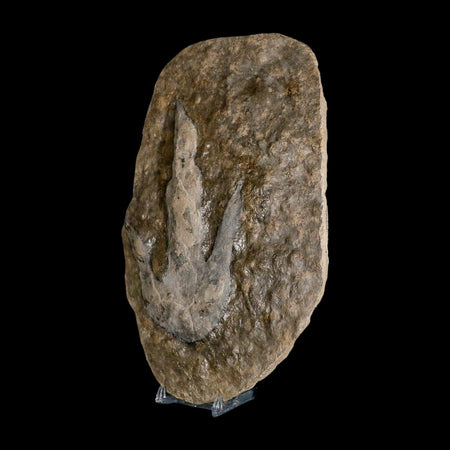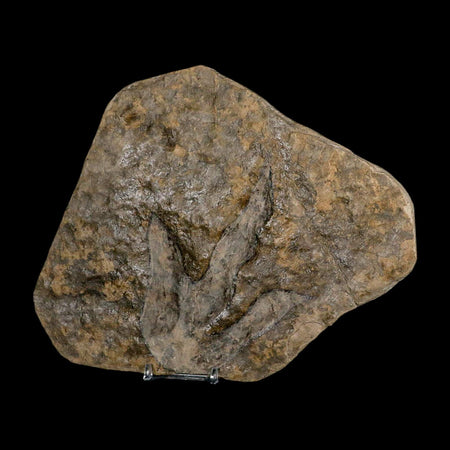


1.4" Sawfish Fossil Tooth Barb Onchopristis Numidus Cretaceous Dinosaur Era COA
Location: Oued Zem, Morocco
Weight: 0.2 Ounces
Dimensions: 1.4 Inches Long, 0.6 Inches Wide, 0.4 Inches Thick
Come with a Certificate of Authenticity.
The item pictured is the one you will receive.
Cretaceous Dinosaur Era, 100 million years ago.
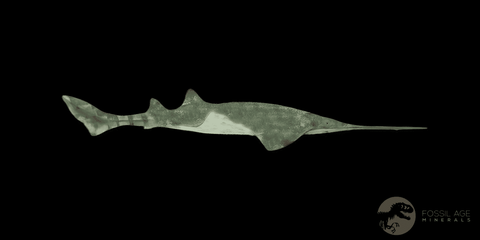
Onchopristis was a massive sawfish that inhabited ocean waters during the Upper Cretaceous Period. Many fossils of this species have been discovered in the Sahara Desert. It is notable for its long rostrum—about 2.5 meters—that is lined with sharp barbs, resembling a giant saw, which gives the species its name. Primarily feeding on crustaceans, Onchopristis used its barbed rostrum to dig into shallow seabeds, similar to modern sawfish. Fossil evidence indicates that schools of Onchopristis migrated into freshwater rivers to breed, where females laid eggs to protect the young from predators. However, this migration exposed adults to dangers like the Spinosaurus, which preyed upon them during this time. Many sawfish were hunted and consumed wastefully by Spinosaurus and other predators, with scavengers benefiting from the leftover remains. Onchopristis likely depended on large numbers to safely complete their migration between ocean and freshwater habitats. Fossils frequently show puncture marks on the sawfish’s rostrum attributed to Spinosaurus attacks, including a barb found embedded in a Spinosaurus jaw. Despite their numbers, droughts occasionally reduced their population in freshwater environments. This dynamic interaction between predator and prey is highlighted in the documentary episode "Giant Killers," where Spinosaurus is shown catching multiple Onchopristis.