


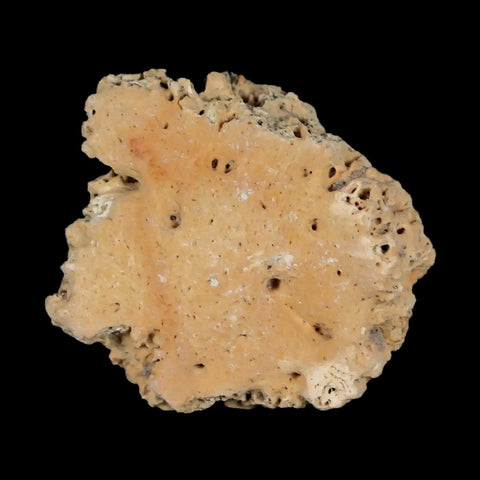
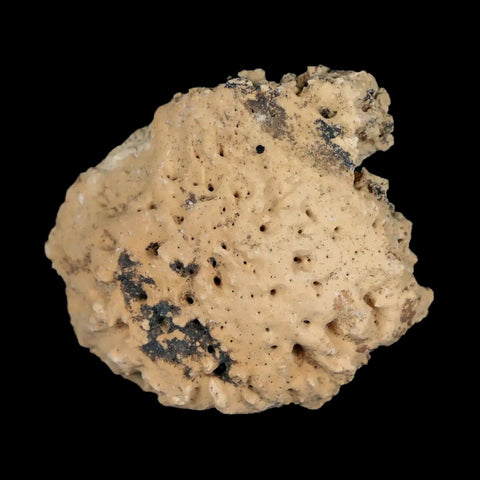
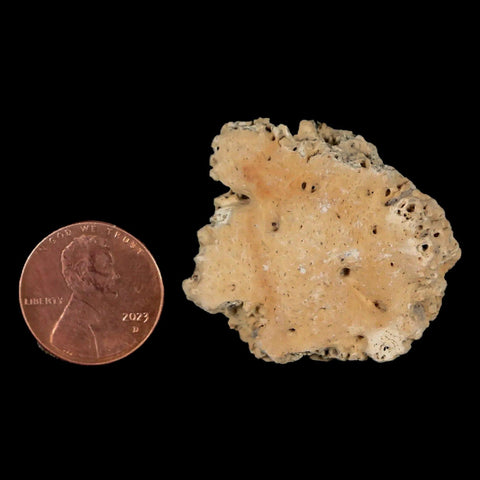
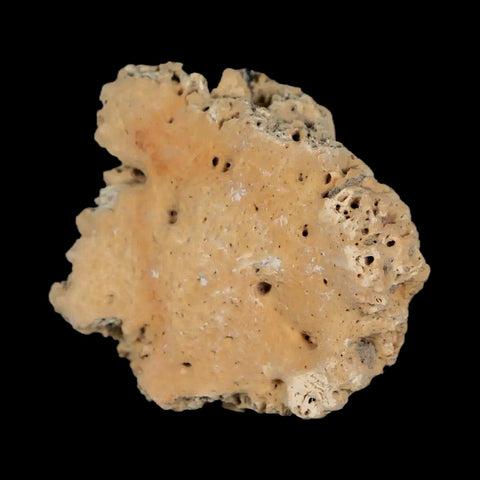
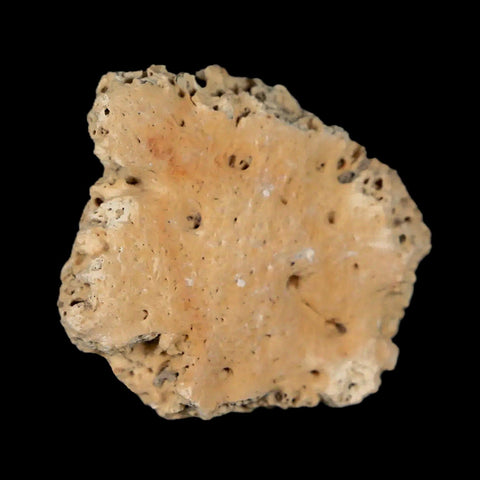
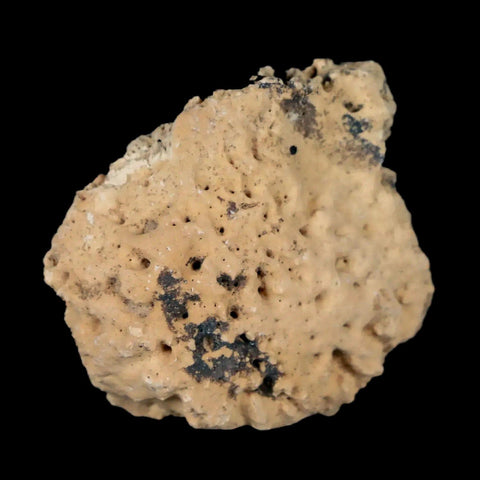
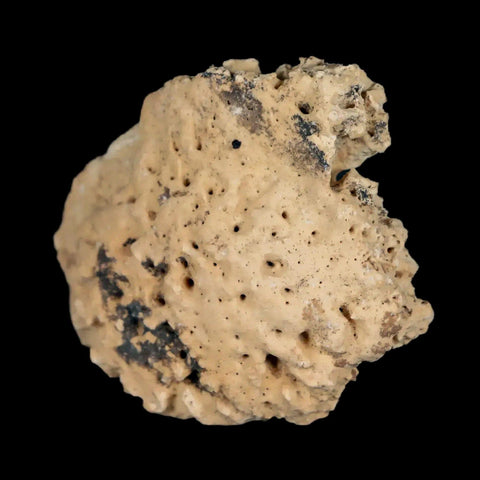
1.3" Glyptodon Fossil Osteoderm Scute Plate Bony Armor Pleistocene Uruguay COA
Location: Uruguay
Weight: 0.5 Ounces
Dimension: 1.3 Inches Long, 1.3 Inches Wide, 0.5 Inches Thick
Comes with a Certificate of Authenticity.
The item pictured is the one you will receive.
This is a real Fossil.
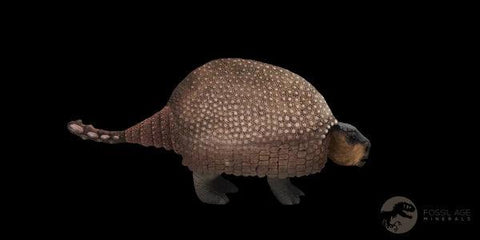
Glyptodon was a genus of enormous, extinct mammals that shared a distant relationship with modern armadillos. Their fossils have been uncovered throughout North and South America in geological layers dating from the Pliocene to the Pleistocene epochs, roughly 5.3 million to 11,700 years ago. These impressive creatures—and the broader group known as glyptodonts—were fully encased in heavy armor from head to tail. Their protective shell, similar in outline to that of a turtle but constructed of tightly interlocking bony plates like an armadillo’s, could measure up to 1.5 meters (5 feet) in length. Even the tail was armored, sometimes forming a powerful club; in certain species, the tail ended in a solid, spiked knob capable of delivering dangerous blows. Glyptodonts were generalist feeders, consuming a wide range of foods, including vegetation, insects, and even carrion.
Glyptodon stands as one of prehistory's most remarkable creatures—a colossal armored mammal that roamed South America during the Pleistocene epoch. This distant armadillo relative achieved extraordinary proportions, stretching approximately 10 feet in length and weighing nearly a ton, comparable to a modern automobile. Its most distinctive feature was an impenetrable bony carapace that covered its back, providing formidable protection against predators, though its vulnerable underside presented a potential weakness. The species thrived until approximately 10,000 years ago, when it vanished at the threshold of the last Ice Age. While climate fluctuations contributed to its decline, paleontological evidence suggests that human predation played an equally significant role in its extinction. Early South American inhabitants valued both the animal's meat and hide, and archaeological findings indicate they ingeniously repurposed the massive shells as protective shelters against harsh climatic conditions. This osteoderm scute represents a tangible connection to an extraordinary chapter in mammalian evolution.
