
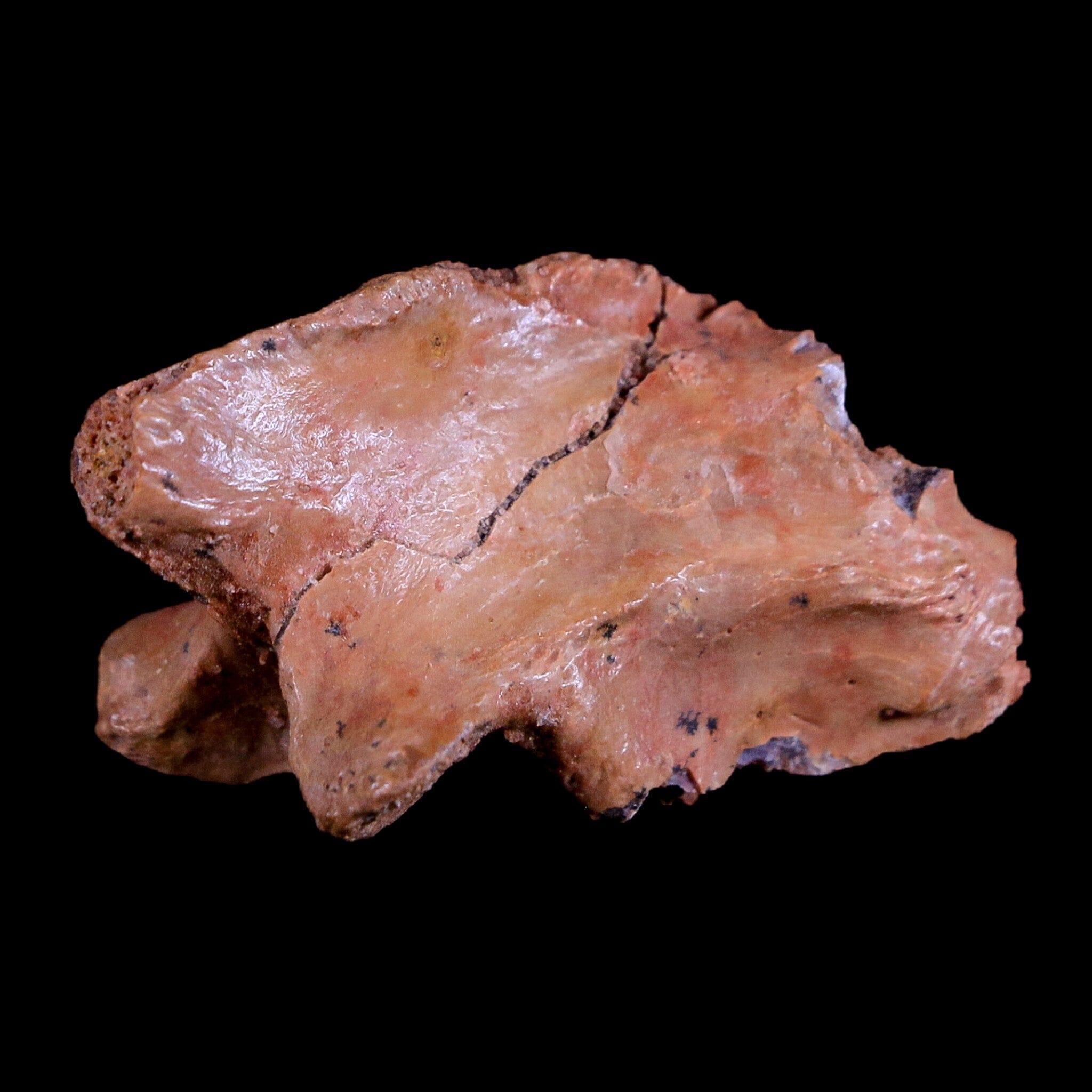
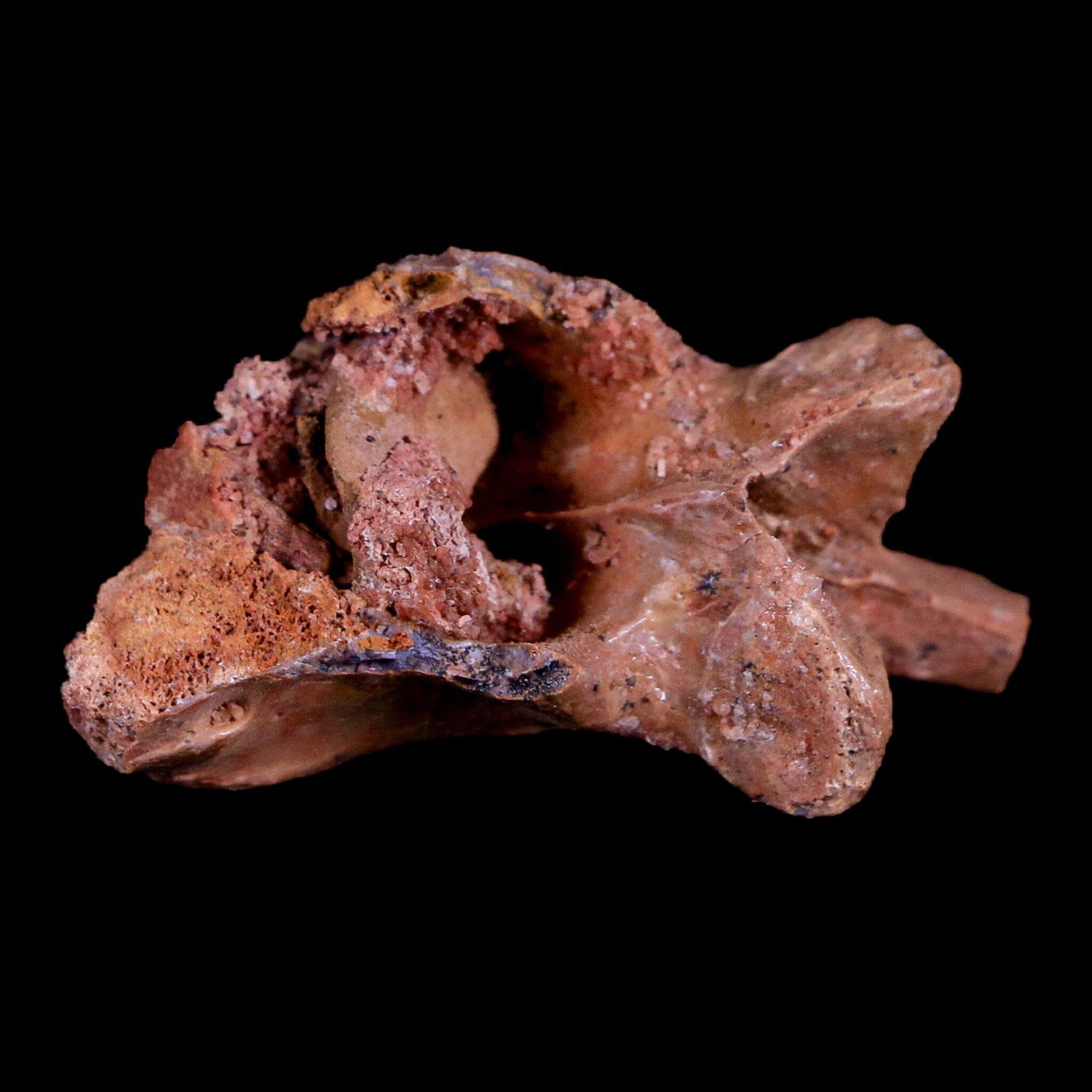
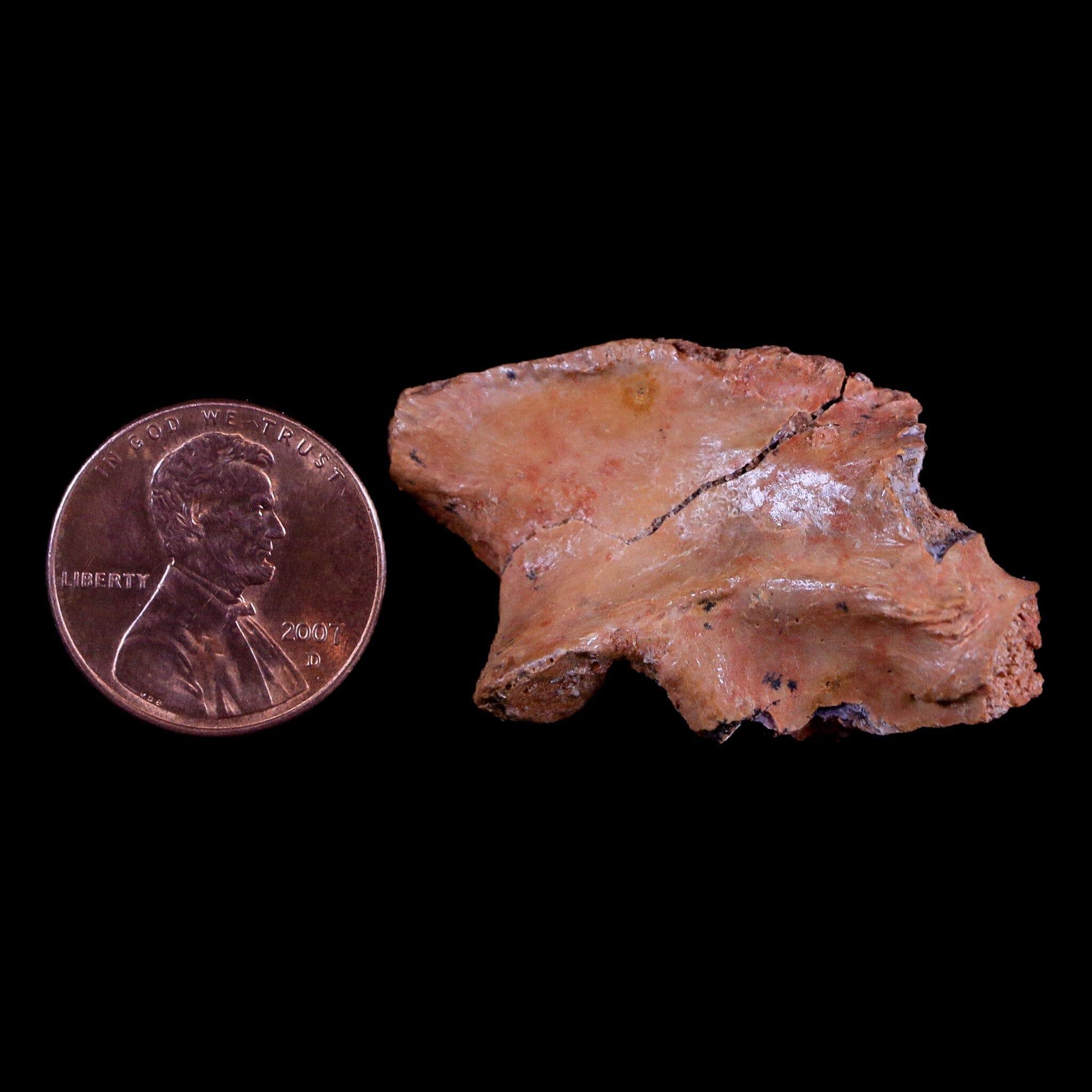
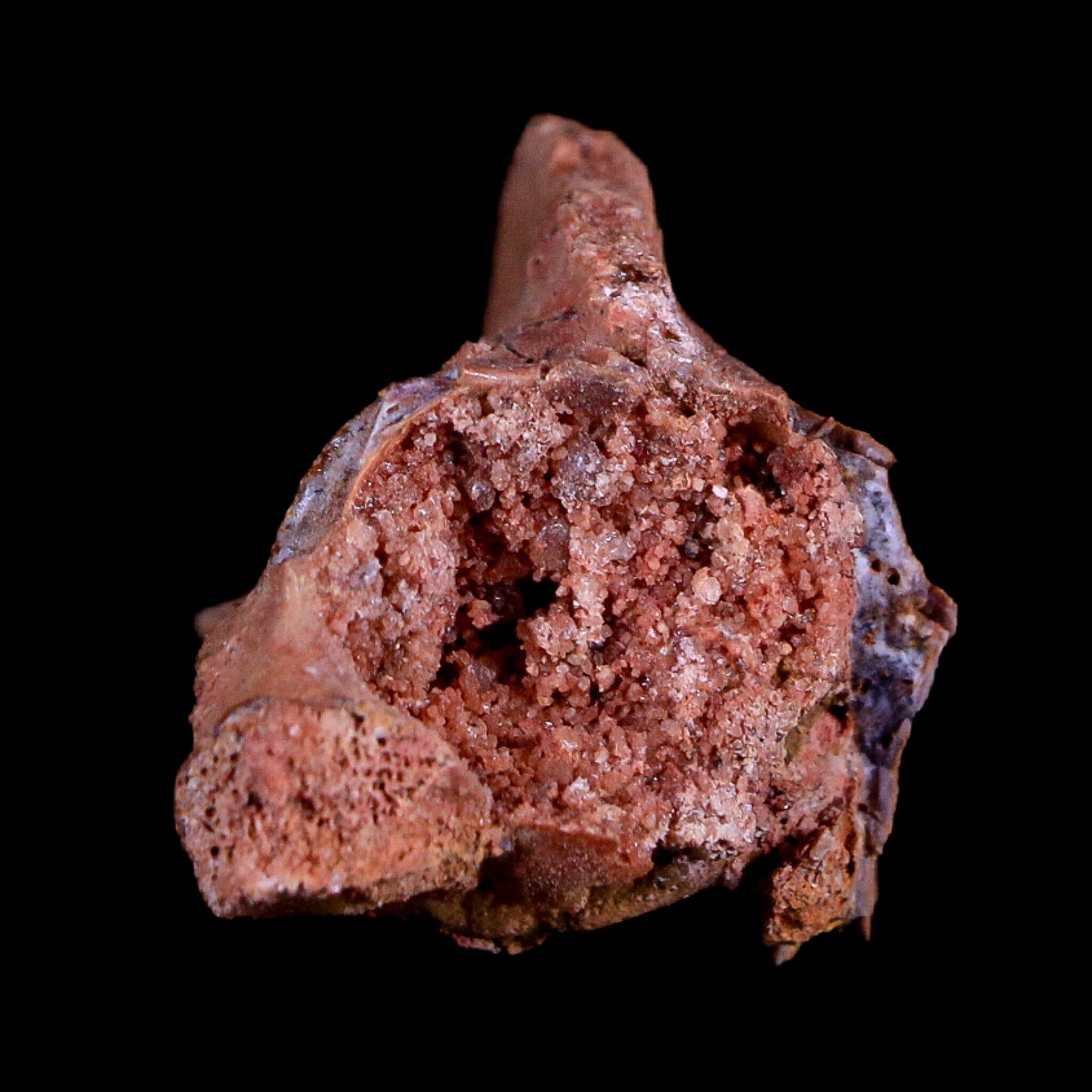
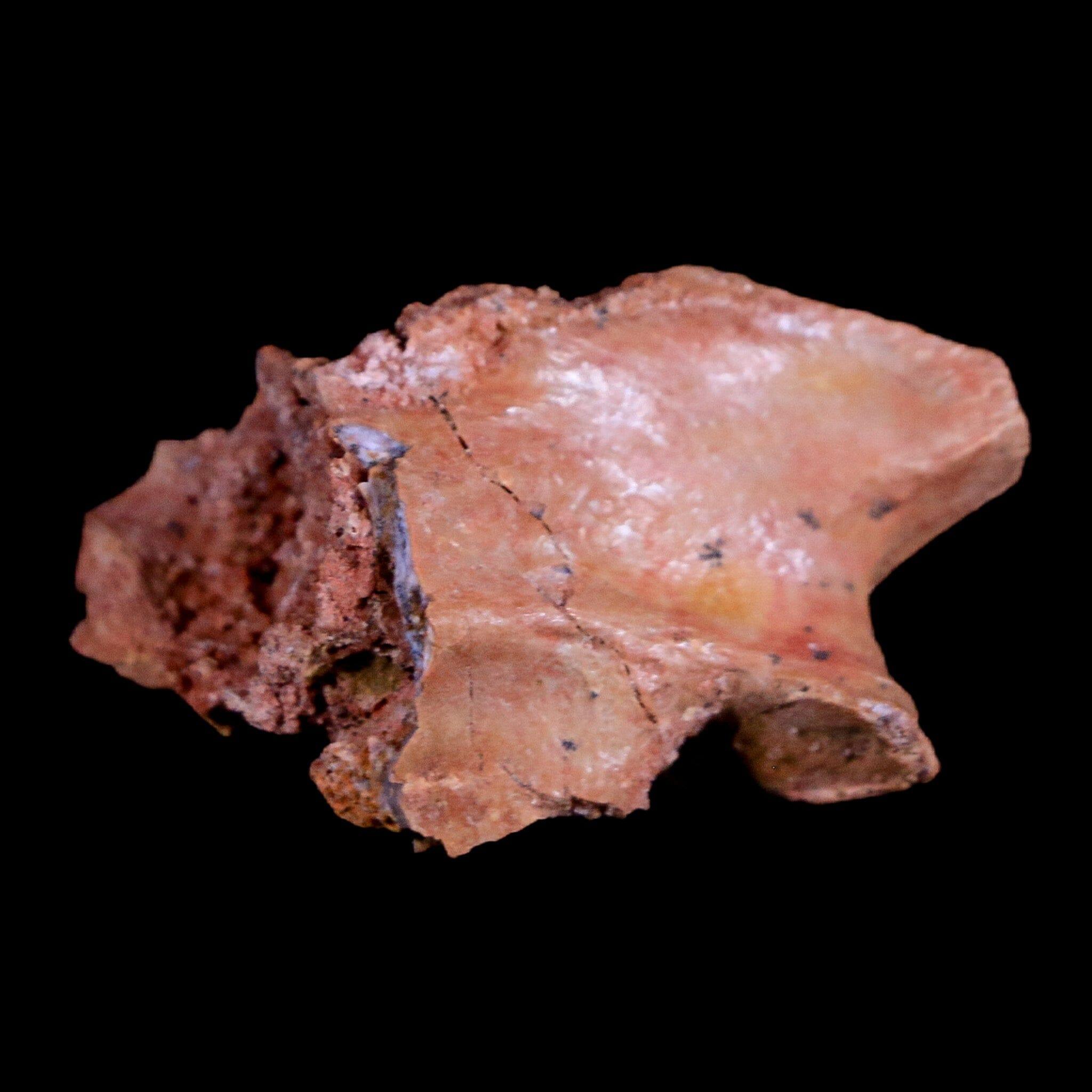
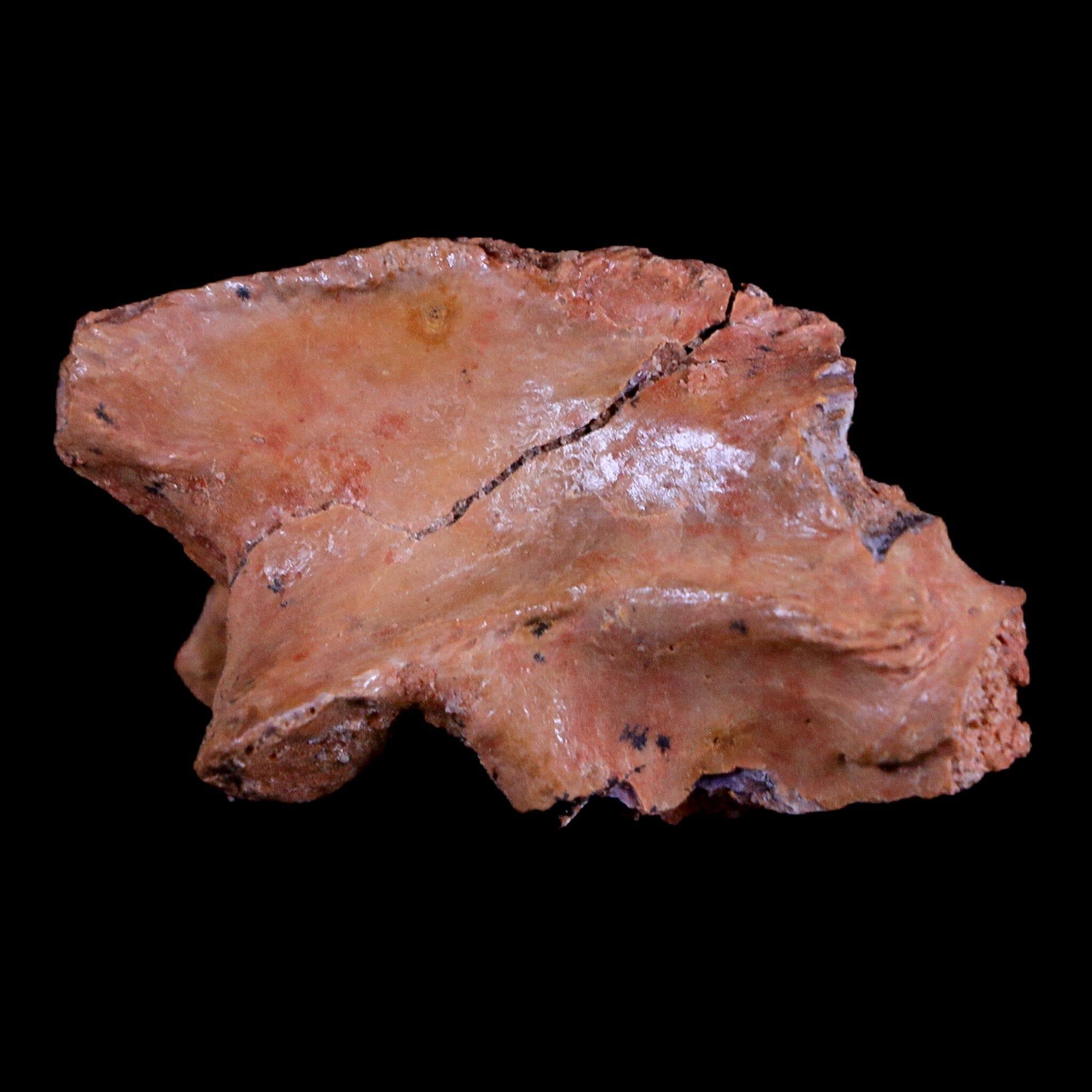
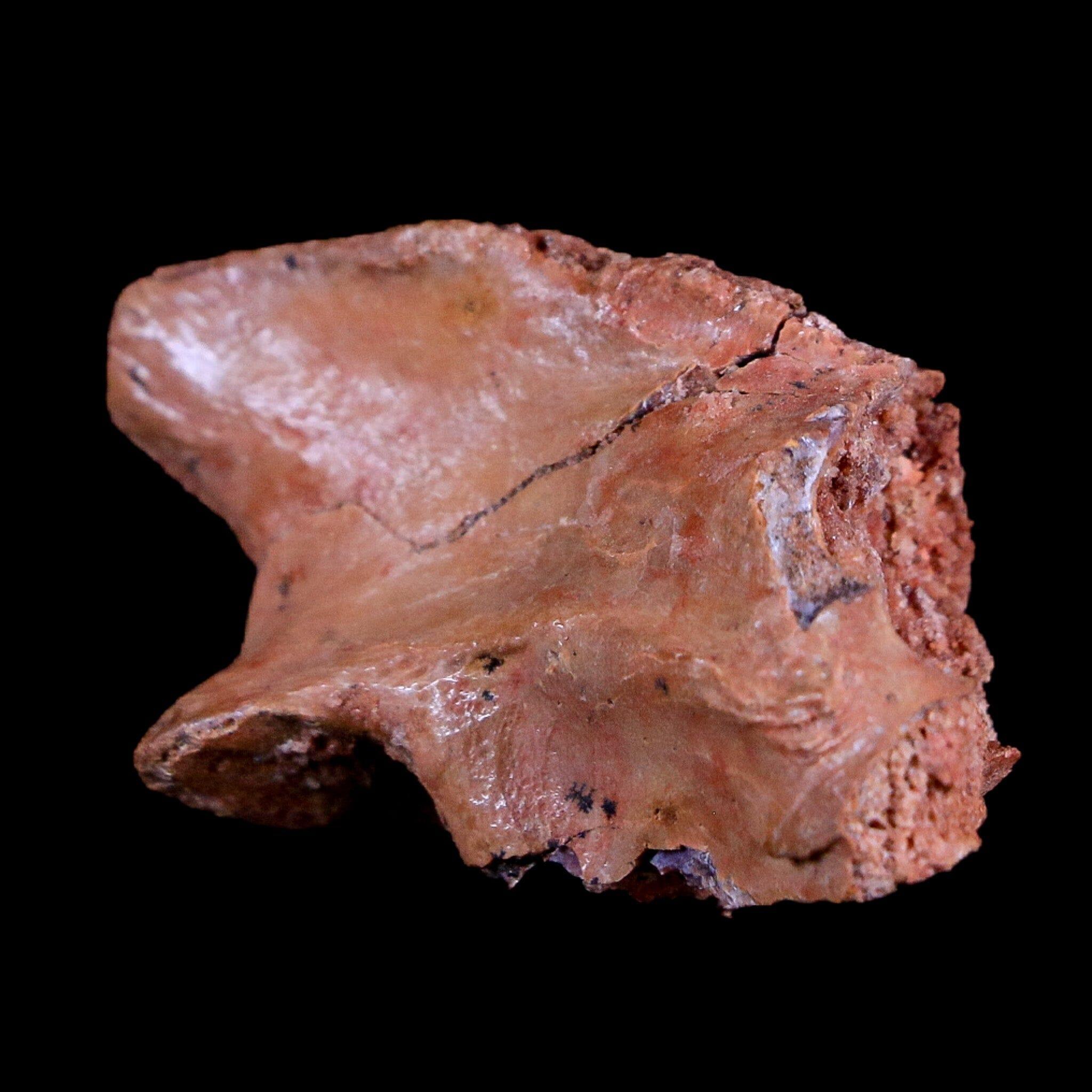


Description
Location: Hell Creek Formation, Montana (Private Land Origin)
Weight: 0.3 Ounces
Dimensions: 1.4 Inches Long, 1 Inch Wide, 0.1 Inch Thick
The item pictured is the one you will receive.
Cretaceous Age through to the Eocene Age
During the Cretaceous Period, roughly 145 to 66 million years ago, the Hell Creek Formation in the northern United States was a thriving ecosystem home to a remarkable diversity of species, including several Crocodiles. This formation, spanning Montana, North Dakota, South Dakota, and Wyoming, preserves a glimpse into the terrestrial landscapes and waterways of the Late Cretaceous.
Among the most formidable of these prehistoric crocodiles was Deinosuchus, a giant predator that could reach lengths of up to 40 feet (12 meters). Its massive, muscular body, long snout filled with sharp teeth, and strong limbs allowed it to move efficiently both in water and on land. As an apex predator, Deinosuchus likely hunted dinosaurs and other large creatures, asserting dominance over its environment.
Sharing these waterways was Borealosuchus, a medium-sized crocodile measuring around 10–15 feet (3–4.5 meters). More slender and agile than Deinosuchus, Borealosuchus had a long, tooth-filled snout ideal for catching fish and small vertebrates, making it a versatile predator in the rivers and lakes of Hell Creek.
The smallest of the trio was Leidyosuchus, reaching lengths of 6–8 feet (1.8–2.4 meters). Its broad, rounded snout and blunt teeth suggest a diet focused on mollusks, crustaceans, and other small aquatic animals. Though modest in size, Leidyosuchus occupied a specialized niche, complementing the ecosystem alongside its larger relatives.
Together, these crocodile species illustrate the diversity and adaptability of crocodilians in the Hell Creek Formation, from colossal apex predators to smaller, specialized hunters, each thriving in the Late Cretaceous environment.
