
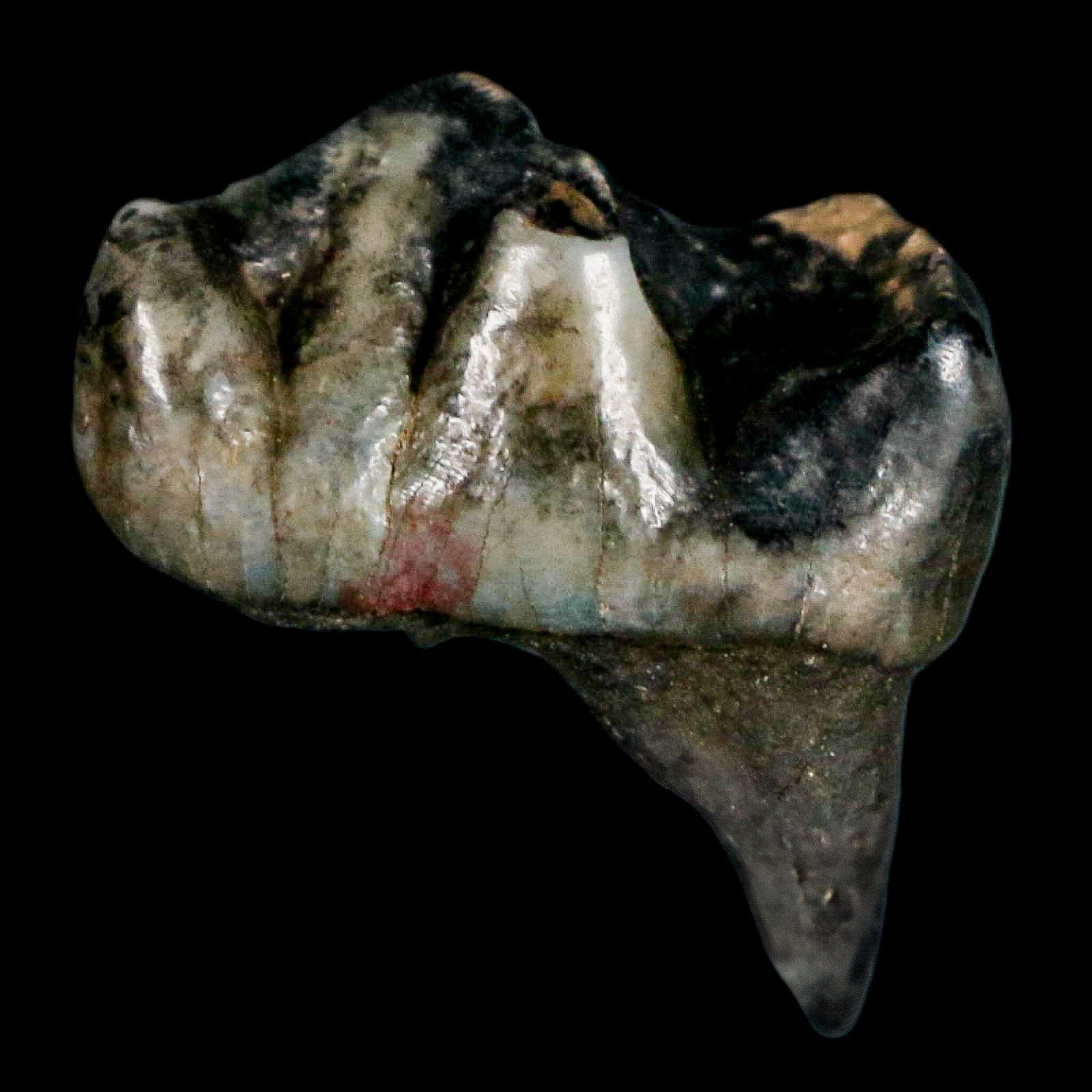
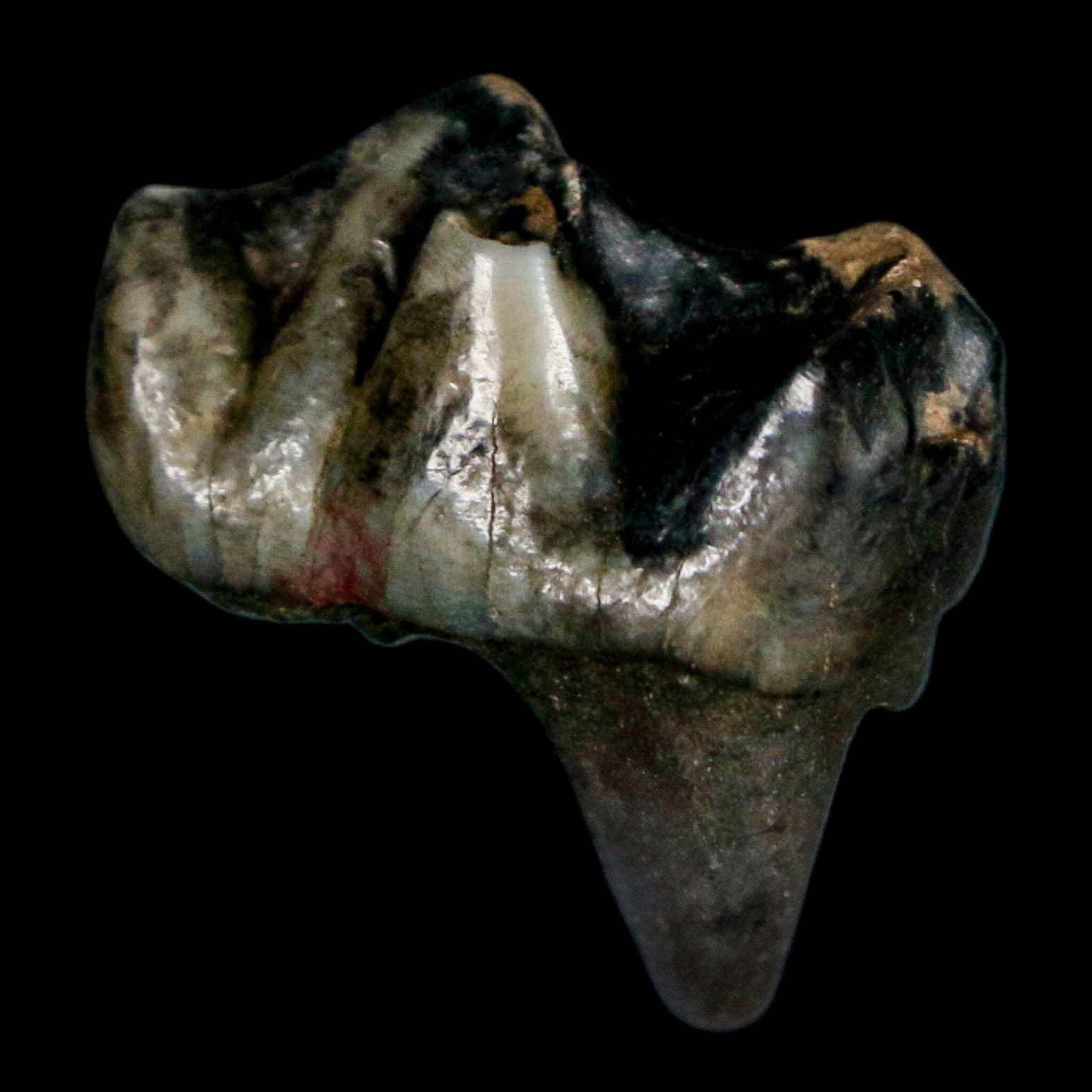
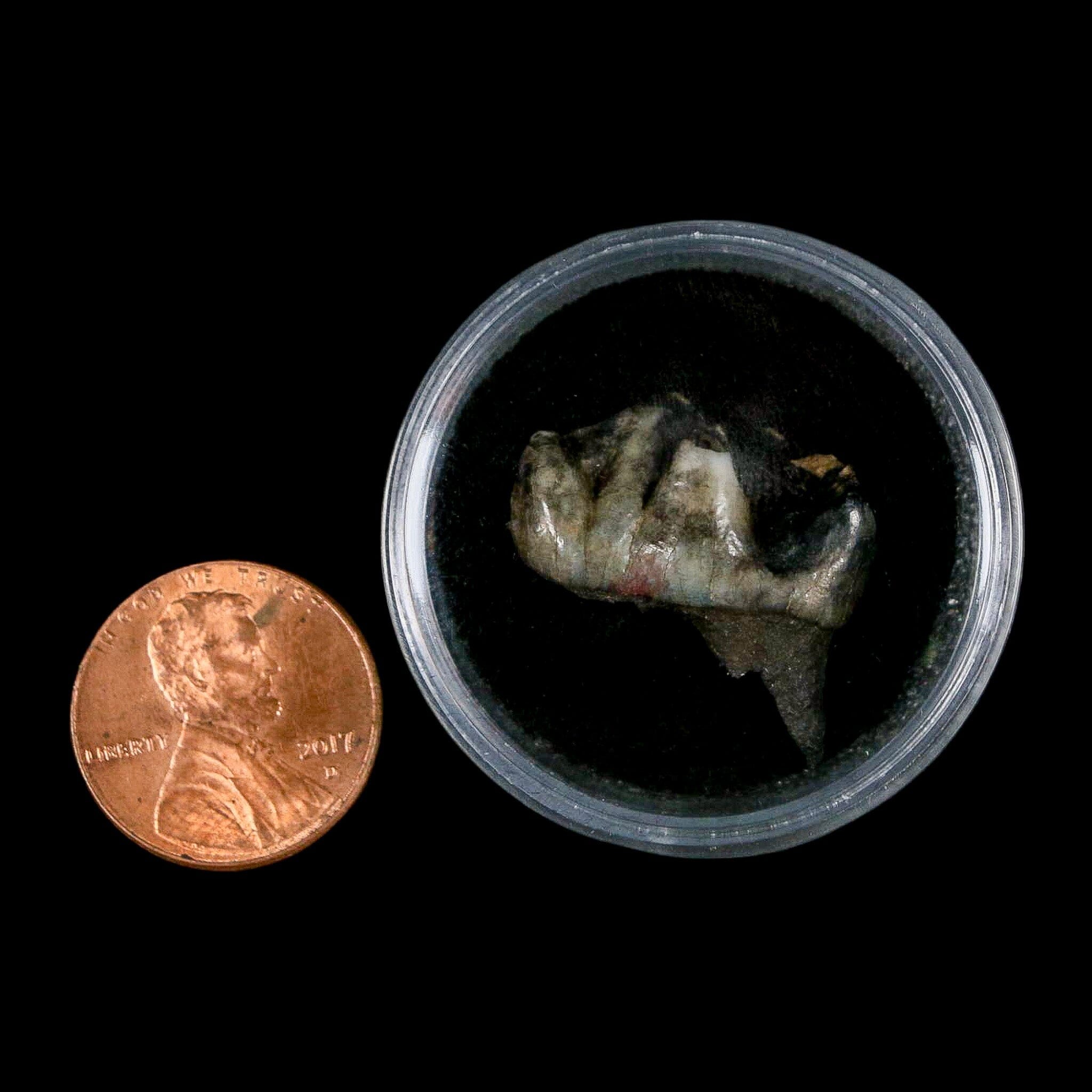
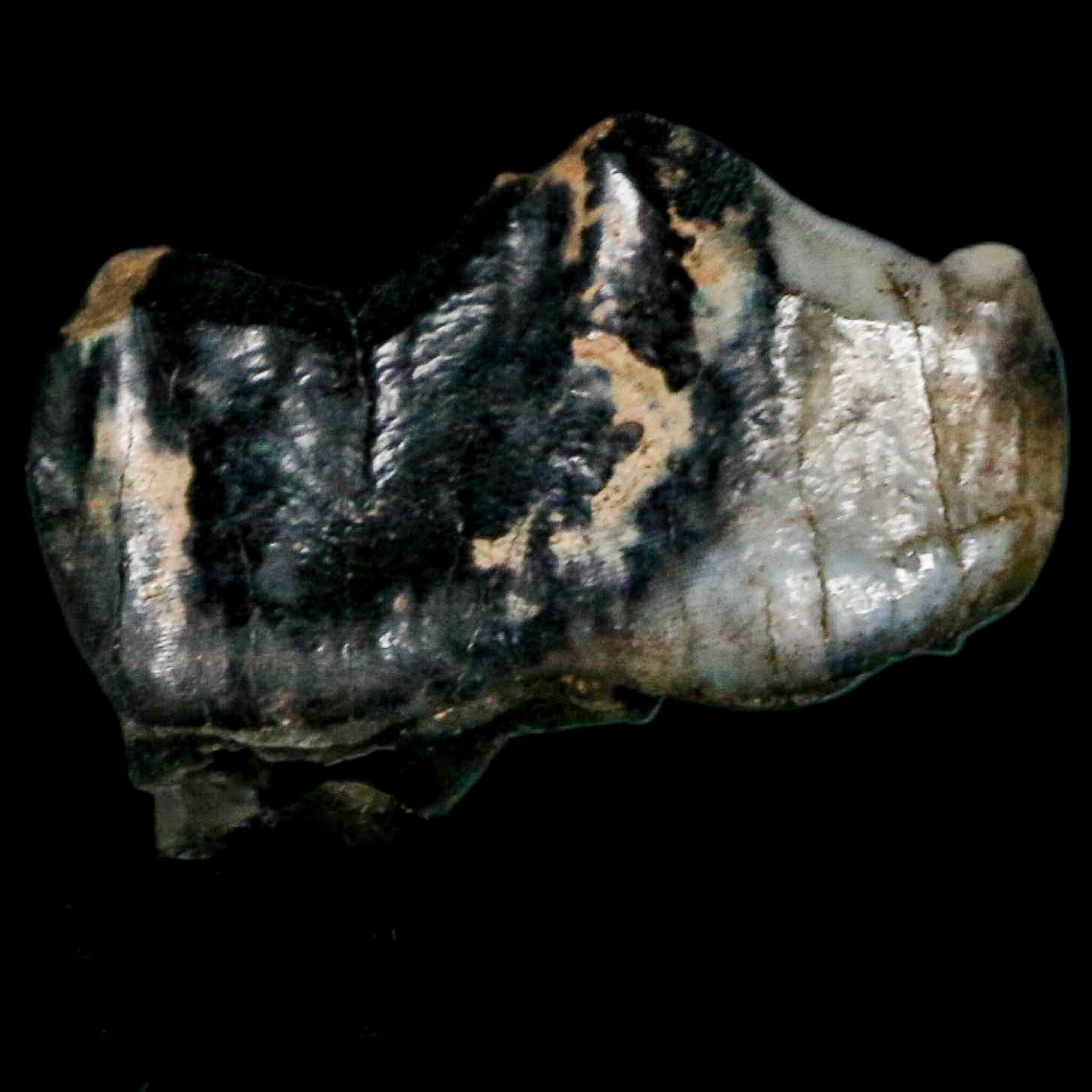
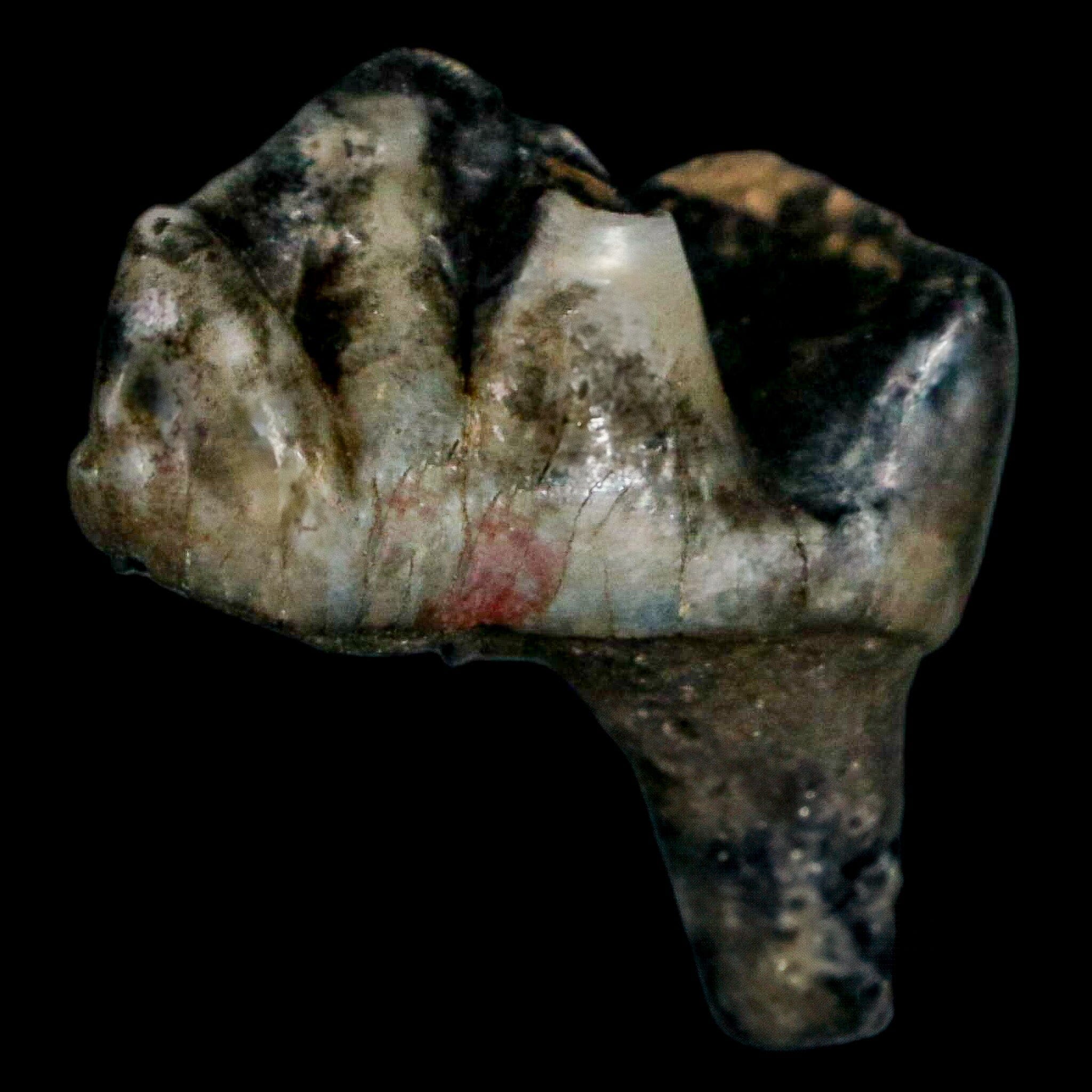
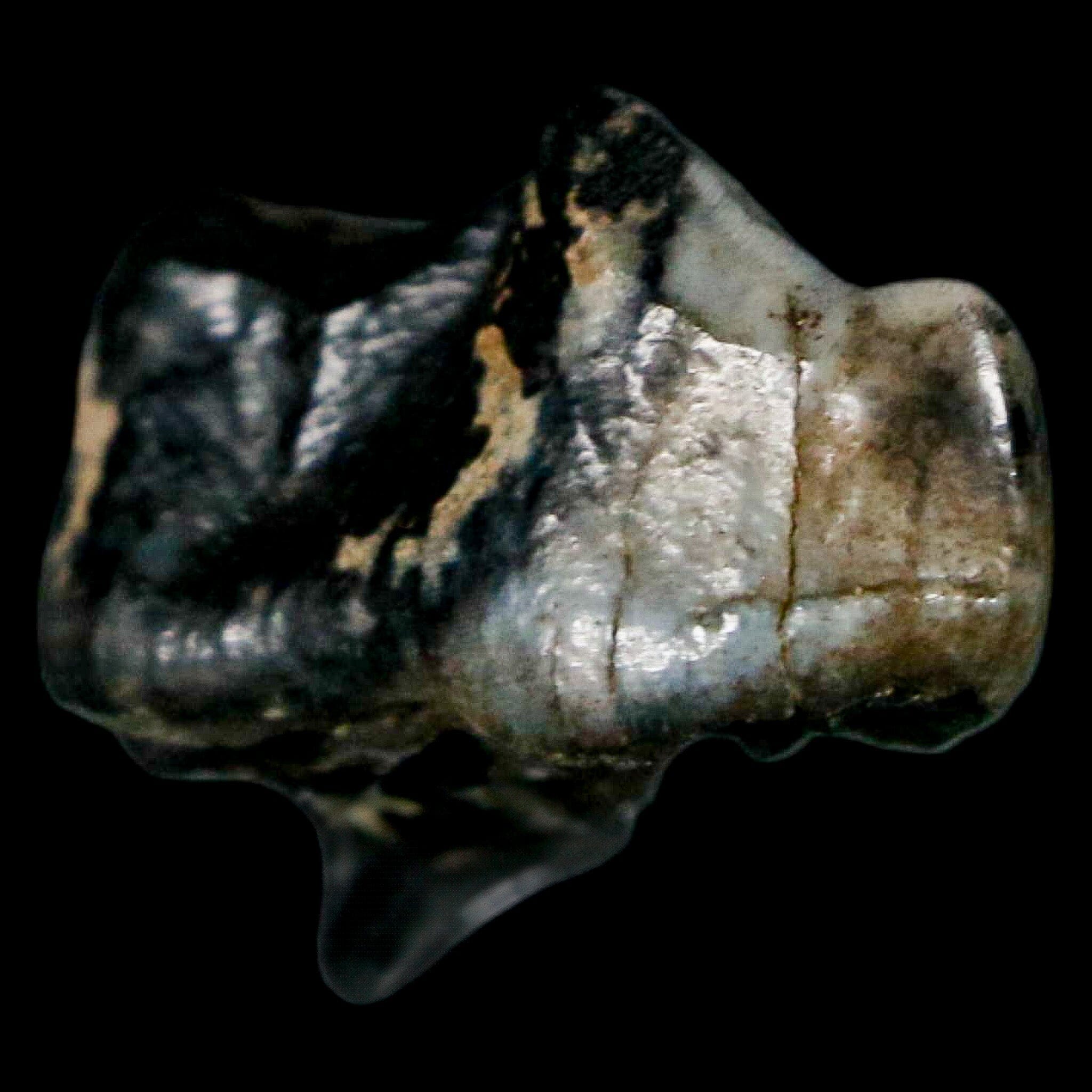
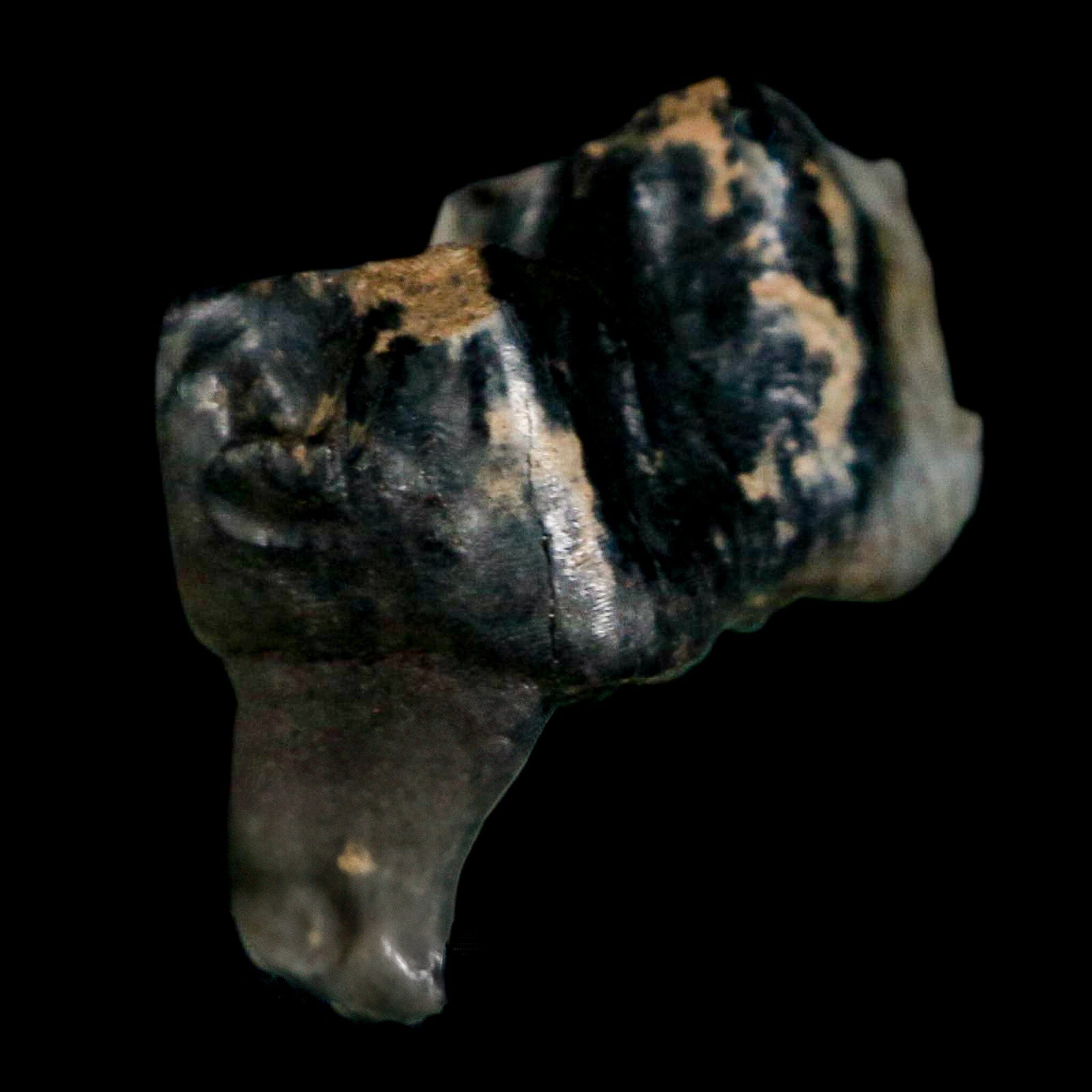
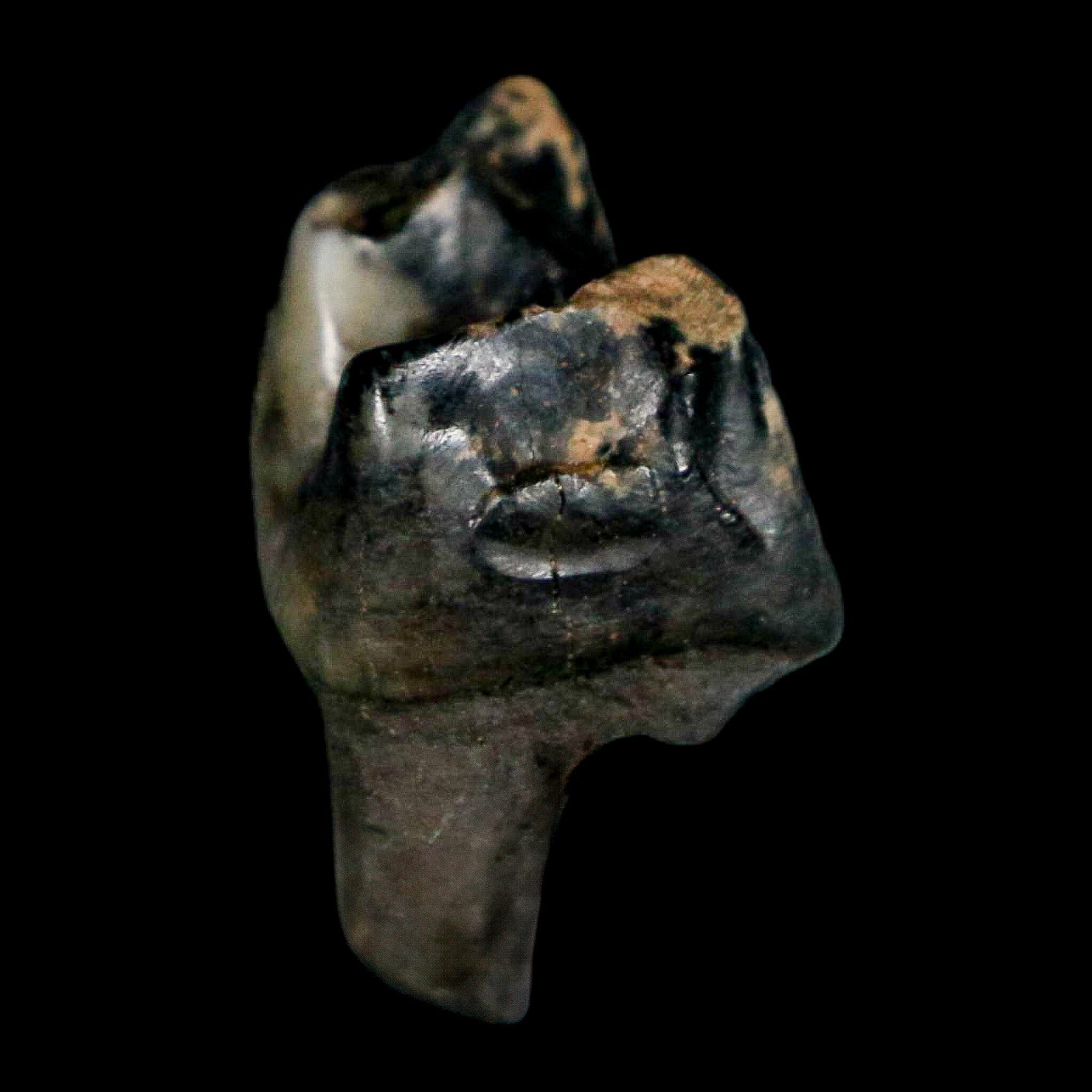


Description
Location: Withlacoochee River, Florida, United States
Weight: 0.4 Ounces
Dimensions: 0.9 Inches Long, 0.7 Inches Wide, 0.5 Inches Thick
Comes with a Free Display.
The Item pictured is the one you will receive.
Pleistocene Age 1 - 1.7 Million Years old.
The Vero tapir (Tapirus veroensis) was a large, extinct herbivore that roamed North America during the Pleistocene epoch, commonly known as the Ice Age. This period, spanning roughly 2.6 million to 11,700 years ago, was characterized by dramatic climate changes and the presence of diverse megafauna.
Fossils of Tapirus veroensis have been uncovered in several locations across the southeastern United States, with Florida’s Withlacoochee River region being one of the most notable. At that time, Florida’s landscape looked very different: lower sea levels exposed wide coastal plains and reshaped rivers, creating ecosystems rich in vegetation and wildlife. The Withlacoochee River would have provided an ideal habitat, supplying water and abundant plant resources for the Vero tapir and other Ice Age animals.
The Vero tapir was a large, herbivorous mammal, likely similar in appearance and habits to modern tapirs, possessing a short, prehensile snout. Its diet would have consisted of soft vegetation, leaves, and fruits, which were abundant in the subtropical and temperate environments of Ice Age Florida. The presence of Tapirus veroensis in the Withlacoochee River area indicates that this region provided suitable habitat, including access to water and ample forage, for these ancient proboscideans during the Pleistocene. The extinction of the Vero tapir, along with many other North American megafauna, is generally attributed to a combination of climate change at the end of the Ice Age and human hunting pressure.