
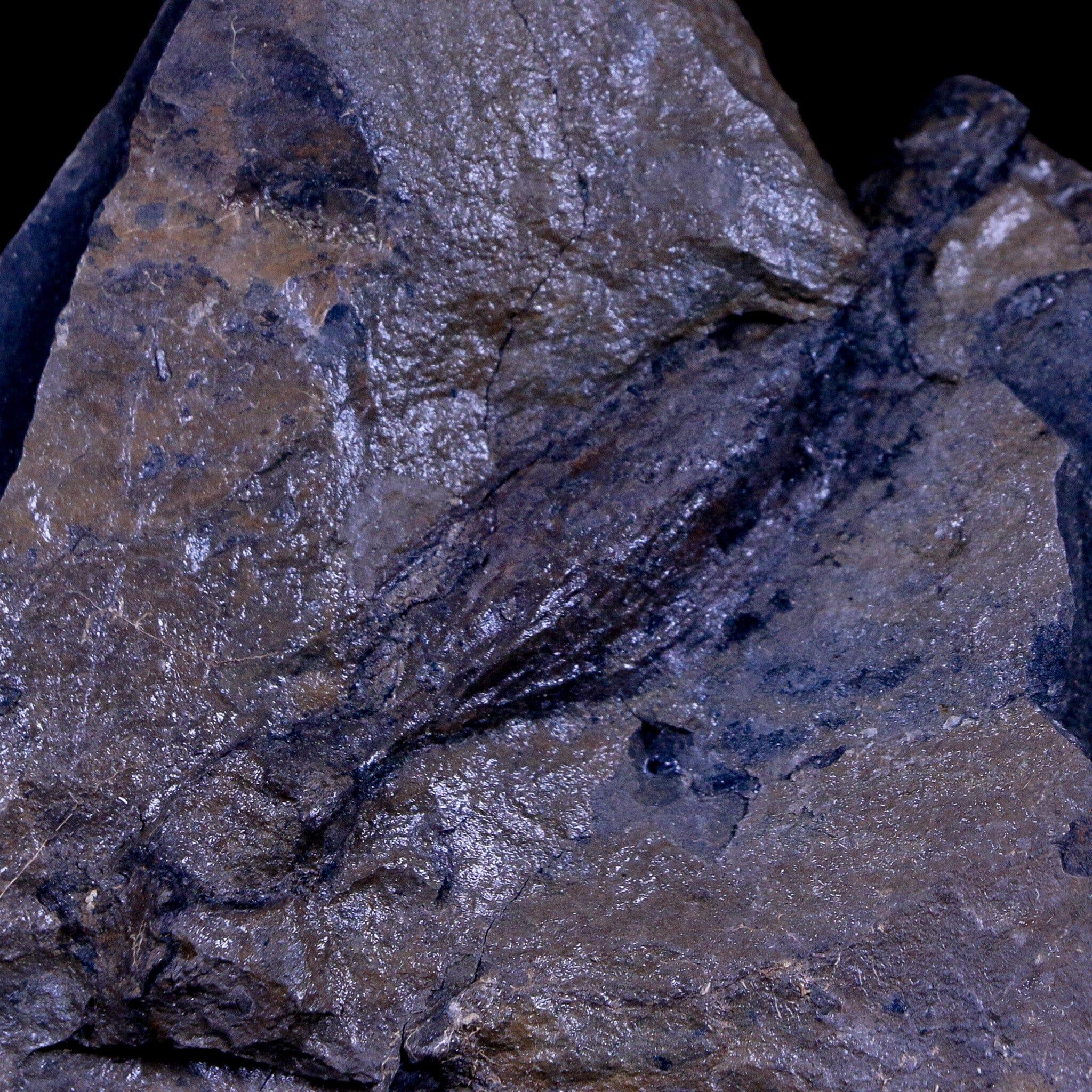
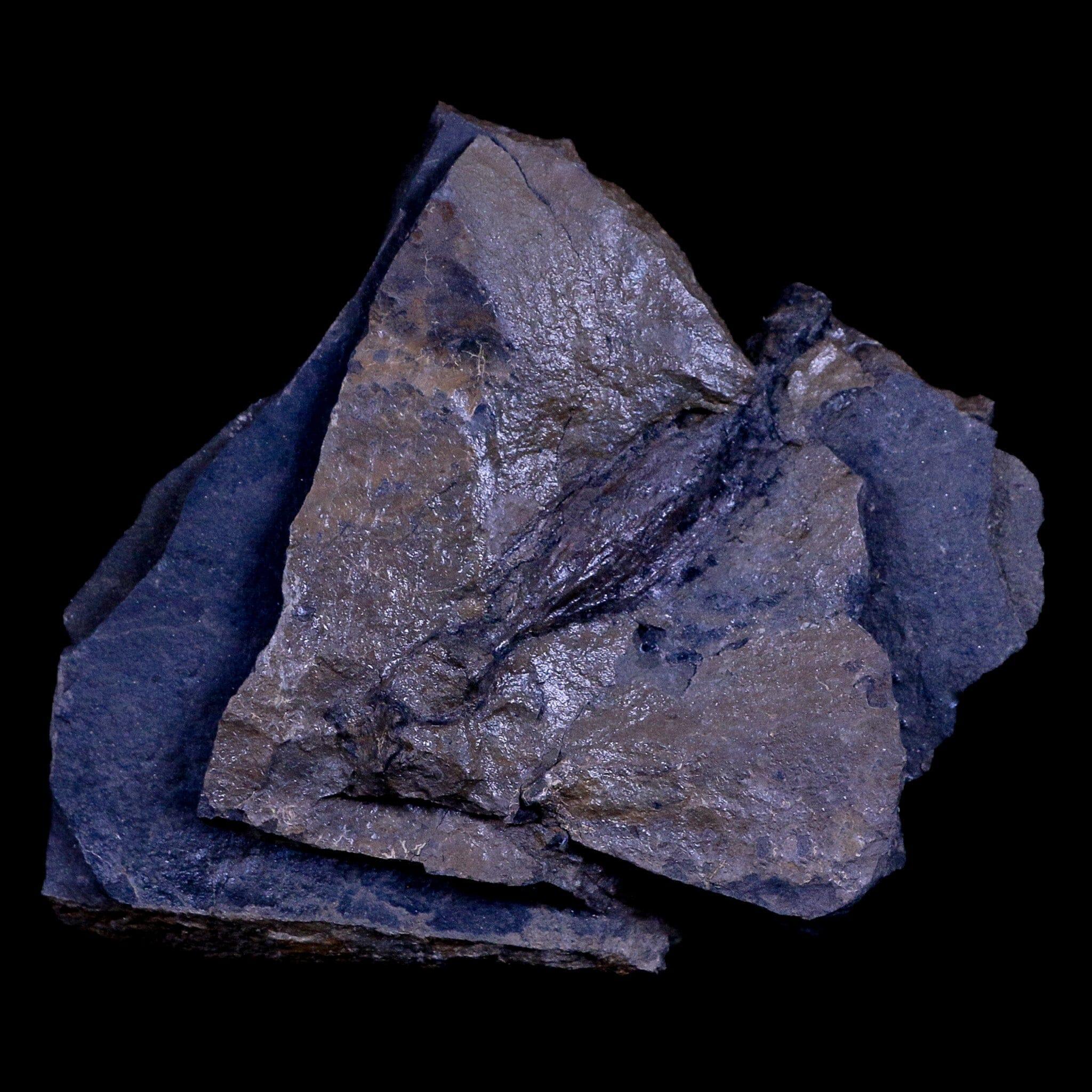
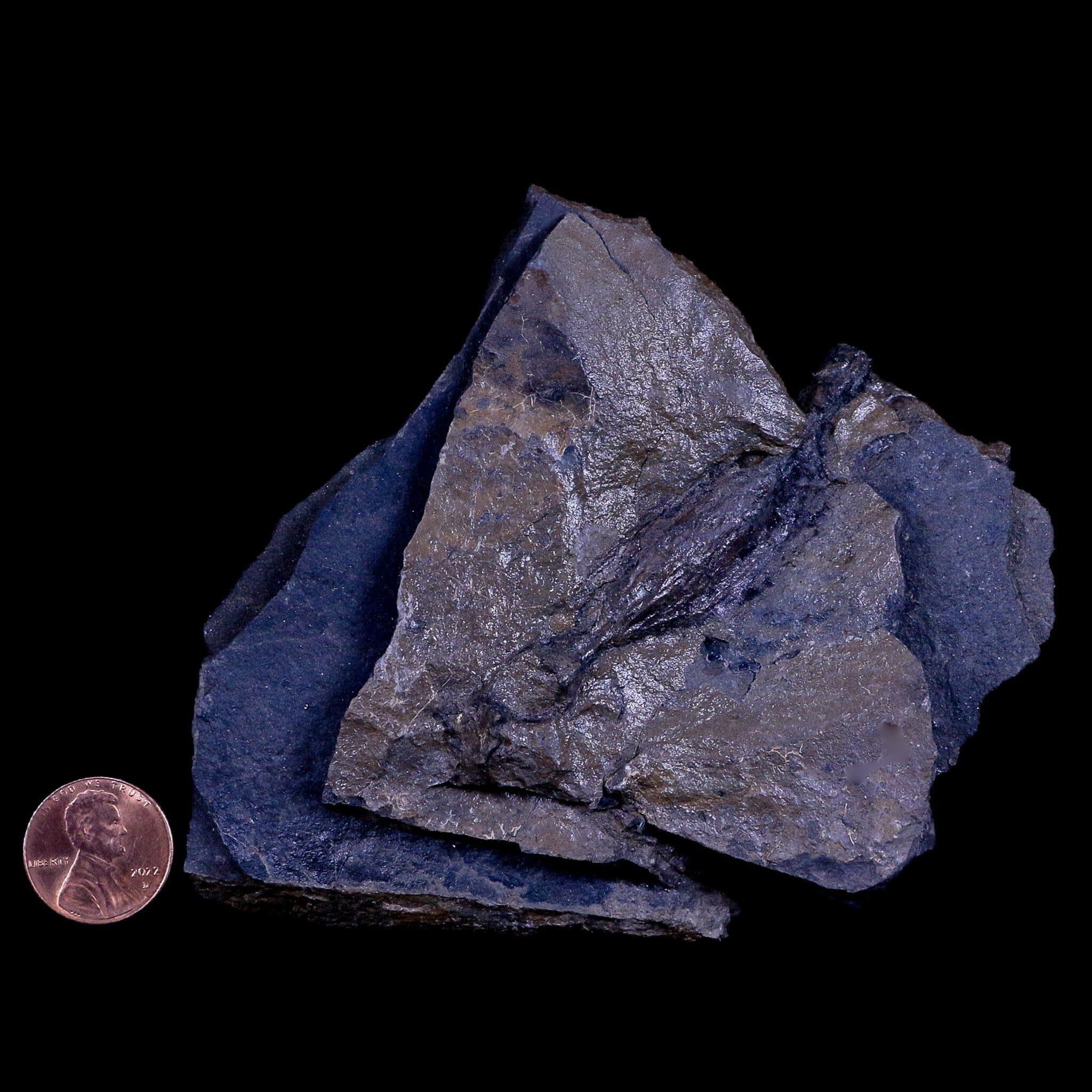
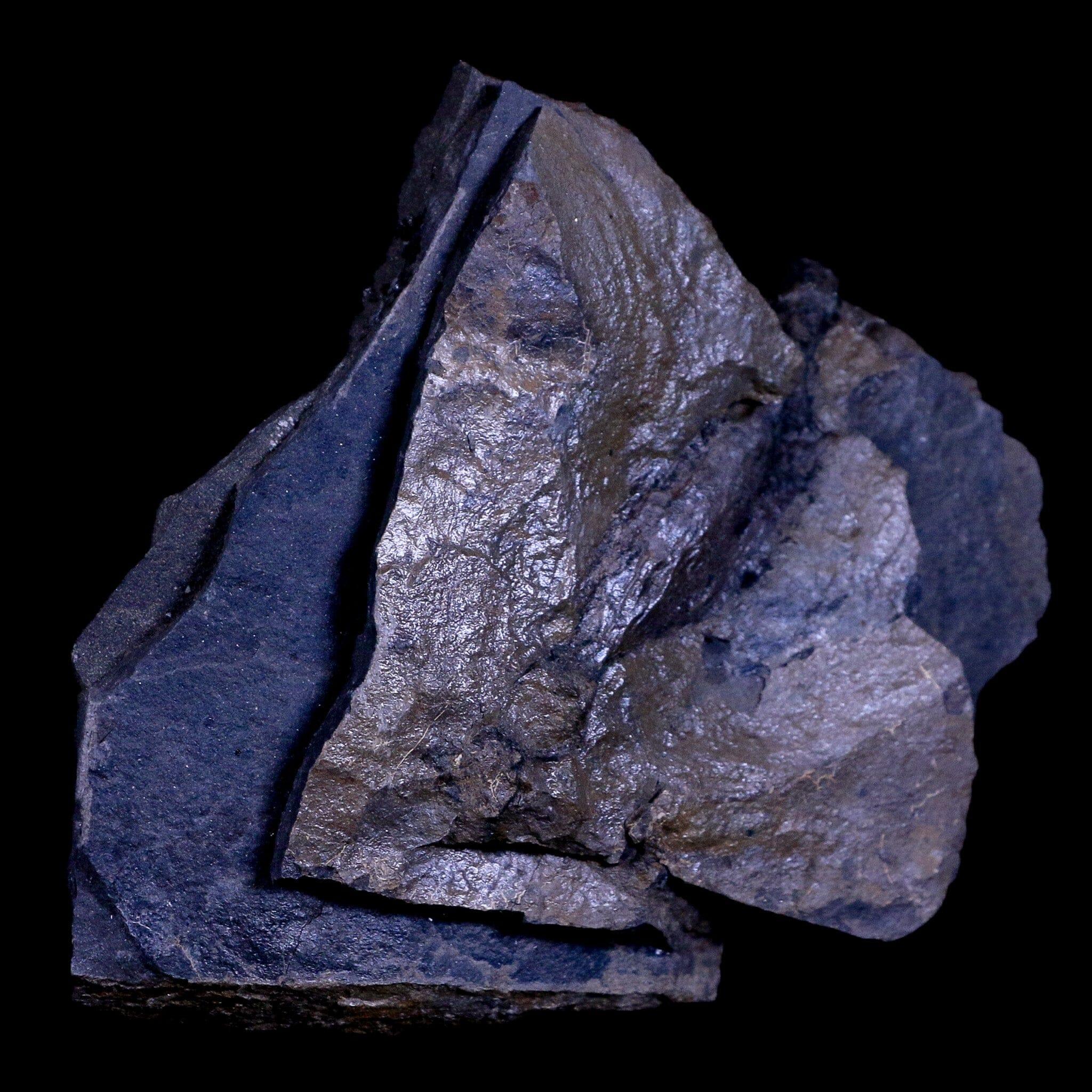
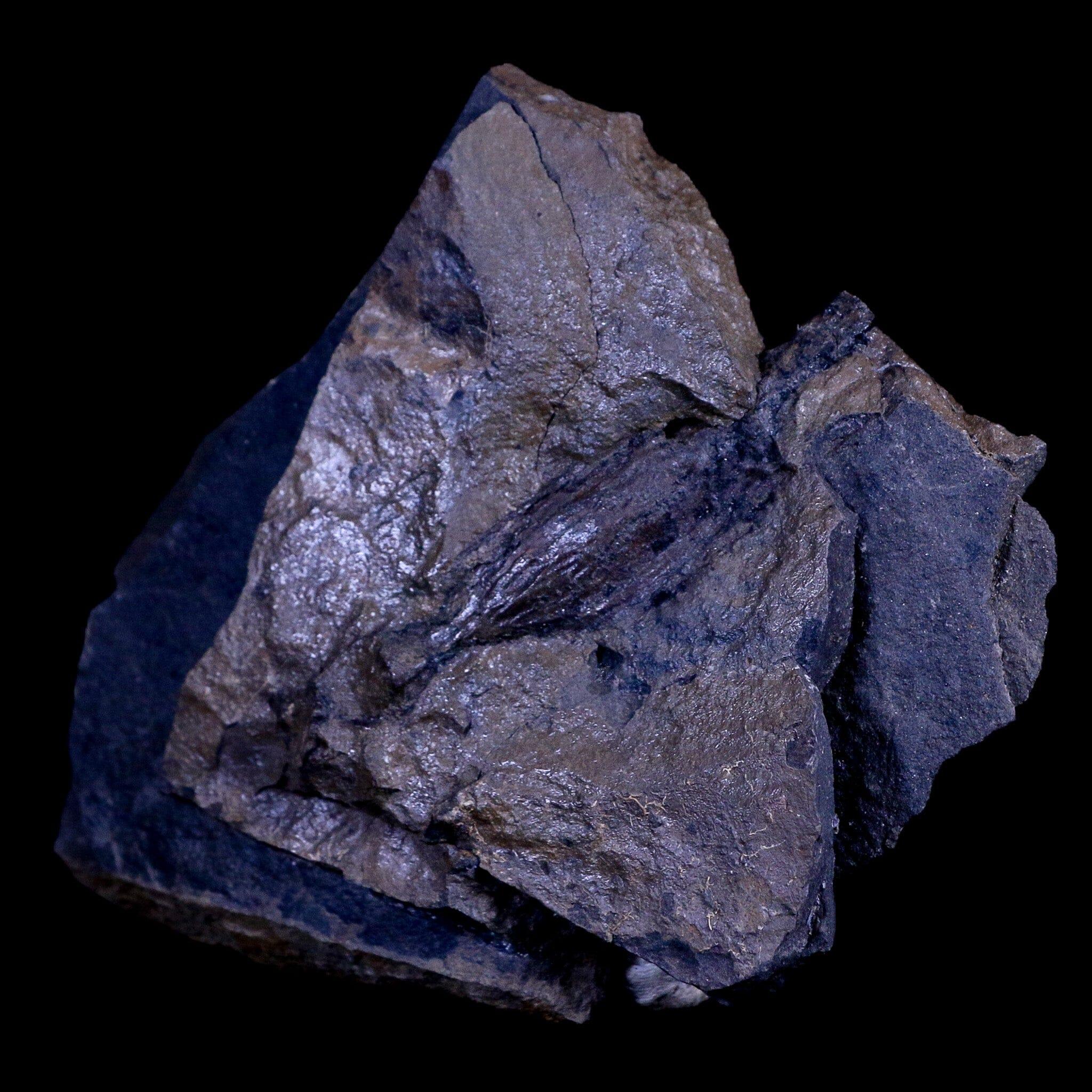
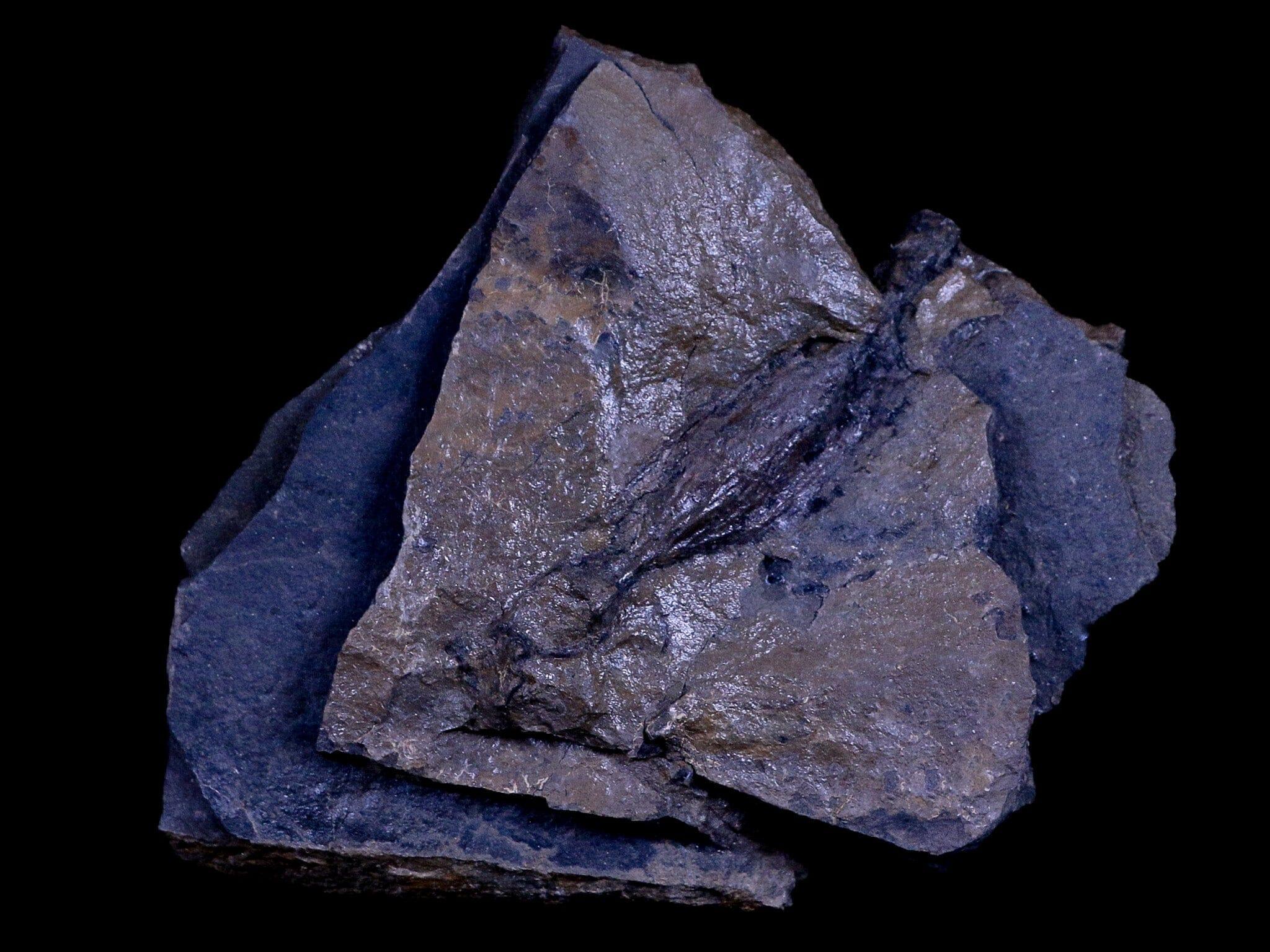


Description
Location: Raton Formation, Las Animas County, Colorado
Weight: 5.4 Ounces
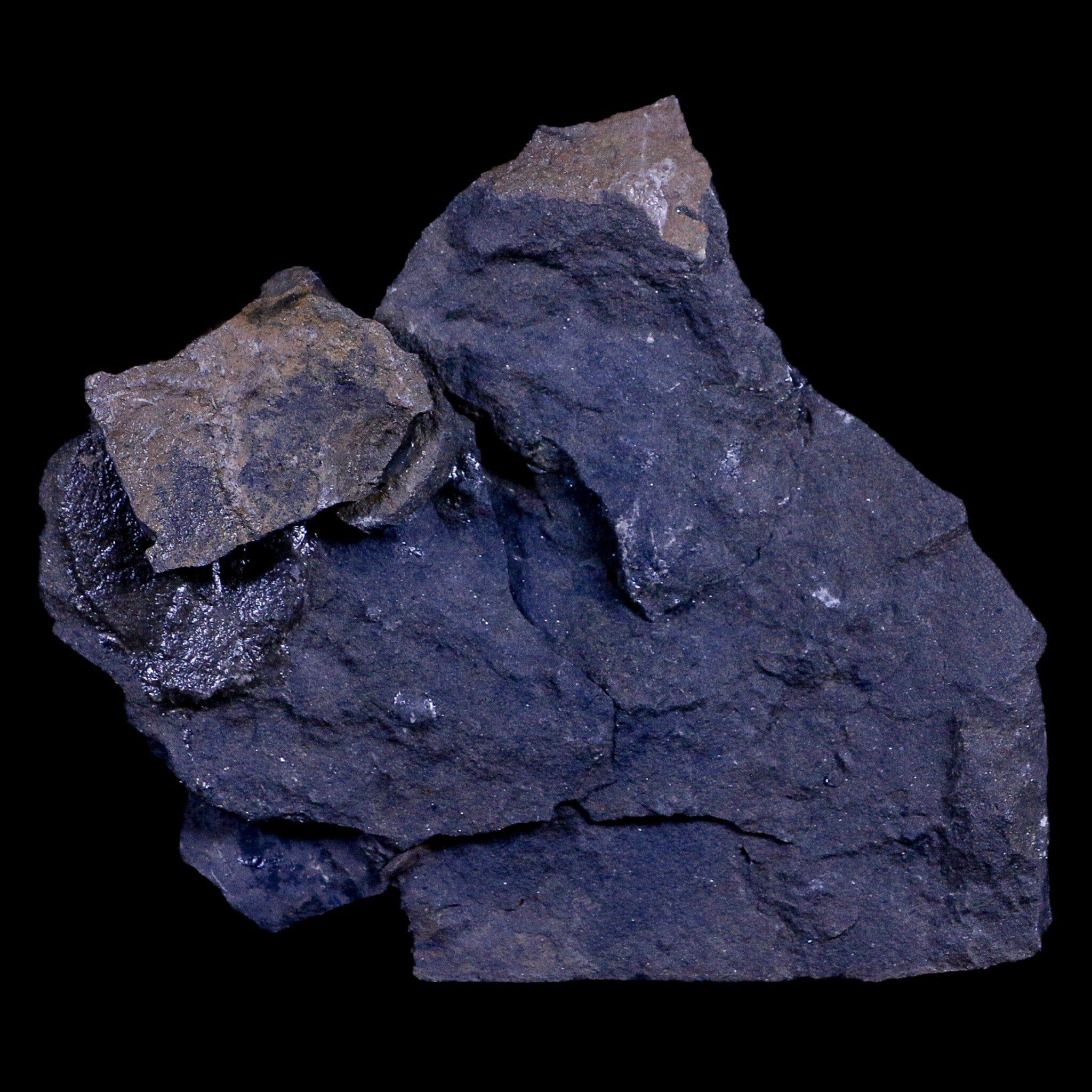
Dimensions: 4.6 Inches Long, 3.7 Inches Wide, 0.6 Inches Thick (Plate)
Leaf Dimensions: 2.3 Inches Long, 0.5 Inches Wide (Branch)
The item pictured is the one you will receive.
This is a genuine fossil.
During the Paleocene epoch (66–56 million years ago), Earth underwent significant climate and vegetation changes. This period experienced a global warming event known as the Paleocene-Eocene Thermal Maximum (PETM), which caused a rapid rise in temperatures and a shift toward more humid environmental conditions.
One of the most remarkable changes in plant life during the Paleocene was the rapid diversification of angiosperms (flowering plants). Although angiosperms had appeared earlier, they became far more dominant in ecosystems, as evidenced by the abundance of fossilized angiosperm pollen, leaves, and seeds found in Paleocene sediments. This expansion of flowering plants played a key role in shaping the structure of ancient forests and plant communities.
Alongside angiosperms, gymnosperms—including conifers and cycads—continued to thrive but were less dominant compared to earlier epochs. Ferns and other spore-bearing plants also persisted, although their prevalence gradually declined as flowering plants became more widespread.
The Paleocene epoch represents a crucial transitional period in plant evolution, highlighting the rise of flowering plants, the persistence of ancient gymnosperms, and the gradual reshaping of terrestrial ecosystems. Fossils from this era provide valuable insights into paleobotany, climate change, and the evolution of modern plant lineages.